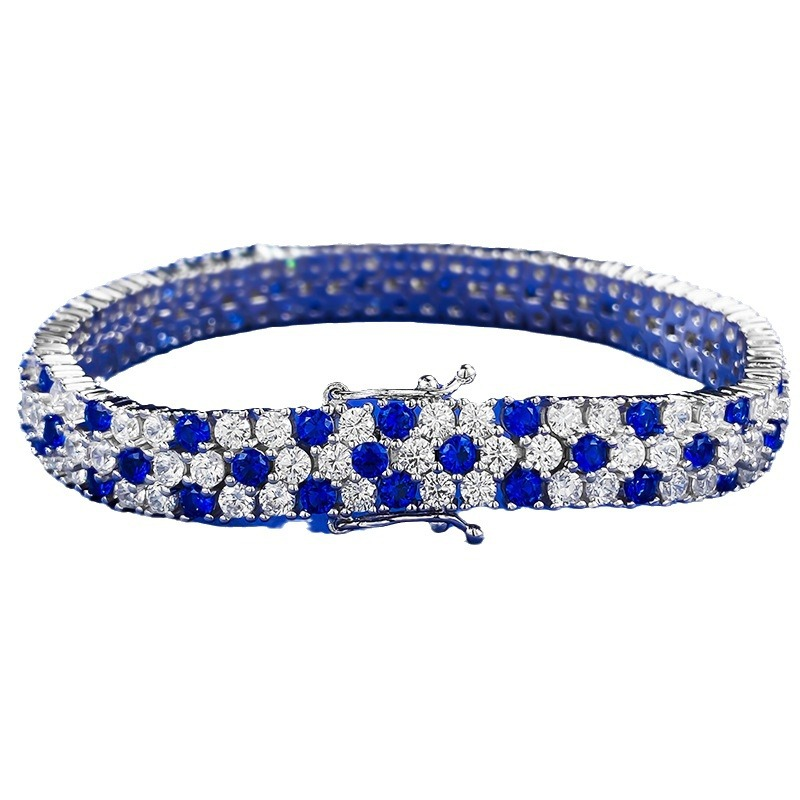
Ethical Diamond Tennis Bracelet Options for Smarter Buying
A Diamond Tennis Bracelet has an easy kind of beauty. It gives you a clean line of sparkle, works with almost any outfit, and feels special without trying too hard. Many shoppers now want more than shine. They want ethical diamond tennis bracelet options that look refined, hold up well, and come with a sourcing story they can trust.
What should you Check Before You Buy? Start with the diamond origin, grading details, metal source, setting style, clasp security, fit, and after-sale support. Those details tell you far more than a vague responsible or eco-friendly claim.
Ethical Diamond Tennis Bracelet options can be every bit as luxurious as traditional styles. The strongest choices pair responsible sourcing with careful workmanship. If a bracelet uses traceable diamonds but has weak links or a flimsy clasp, it is not the right buy.
Why Ethical Diamond Tennis Bracelet Options Matter
A tennis bracelet includes many diamonds and a meaningful amount of precious metal. That makes sourcing more than a small detail. Ethical Diamond Tennis Bracelet options help you ask where the materials came from, how the bracelet was made, and whether the seller can explain the product clearly.
The Responsible Jewellery Council reports more than 1,800 member companies across the jewelry supply chain, which shows how much attention responsible business practices now receive. The Kimberley Process, launched in 2003, includes participants representing more than 80 countries and was created to reduce trade in conflict diamonds. These systems do not answer every question, but they give buyers a place to start.
A responsible bracelet also needs traditional jewelry skill. Look for bright, well-matched stones, smooth articulation, secure prongs or bezels, and a clasp that feels firm. Ethics and durability belong together.
What Makes a Tennis Bracelet Ethical?
An ethical bracelet is not defined by one label. It usually combines transparent diamond sourcing, credible quality details, responsible metal choices, sound labor practices, and honest retailer communication. Ethical Diamond Tennis Bracelet options should make comparison easy, not confusing.
Here are the terms you will see most often:
- Ethical: Covers sourcing, labor standards, environmental care, and business conduct.
- Sustainable: Usually points to lower waste, longer wear, recycled materials, or reduced impact.
- Conflict-free: Means diamonds are not linked to financing armed conflict, though the term may not cover all labor or environmental concerns.
- Traceable: Shows that origin or chain-of-custody details are available.
- Recycled: Refers to precious metal recovered from existing sources and refined for reuse.
- Responsibly sourced: Suggests supplier checks, sourcing standards, or due diligence.
The best product pages give specifics. You should see diamond type, total carat weight, stated color and clarity, metal type, setting style, clasp design, warranty terms, and return details.
Ethical vs. Conflict-Free Diamonds
Conflict-free diamonds matter, but the phrase does not tell the whole story. It mainly addresses whether diamonds helped fund armed conflict. Ethical sourcing goes further and may include mine safety, fair labor, environmental controls, supplier checks, and metal sourcing.
For mined diamond bracelets, ask about origin, supplier standards, and grading information. For lab-Grown Diamond Bracelets, ask about lab reports, production disclosure, and any sustainability details the brand can support. In both cases, documentation beats broad claims.
Why Traceability Helps
Traceability gives you a clearer view of the bracelet's materials. It can show whether the diamonds are mined or lab-grown, how they were graded, and what metal was used. That matters even more in a tennis bracelet because the design may include dozens of stones.
Before you compare ethical Diamond Tennis Bracelet options, check for these basics:
- Diamond origin or lab-grown disclosure.
- GIA, IGI, or clear in-house quality documentation.
- Metal type, such as 14k gold, 18k gold, or platinum.
- Responsible sourcing or supplier standards.
- Warranty, repair, return, and resizing support.
Lab-grown diamonds often have a simpler origin story than many mined diamonds because they are created in controlled settings. That does not make every lab-grown bracelet perfect. It does make the questions easier to answer.
Lab-Grown Ethical Diamond Tennis Bracelet Options
Lab-grown diamonds are a strong choice for shoppers who want real diamond sparkle with clearer origin details. GIA and IGI both grade laboratory-grown diamonds, and these stones have the same carbon crystal structure as mined diamonds. They are not cubic zirconia, glass, or moissanite.
For tennis bracelets, lab-grown diamonds can offer strong value. Because the design uses many matched stones, buyers may be able to choose a higher total carat weight or tighter color matching than they could with mined diamonds at the same budget. Prices shift with the market, so compare current offers rather than relying on old assumptions.
Ethical Diamond Tennis Bracelet options made with lab-grown diamonds also avoid traditional diamond mining. That can reduce concerns about land disturbance and mine-site labor conditions. Ask about grading, metal quality, setting construction, and care support Before You Buy.
If you are starting your research, you can compare diamond basics in StoneBridge Jewelry's guide to lab-grown diamonds. Use those same quality standards as you review bracelet listings.
How Lab-Grown Diamonds Are Made
Lab-grown diamonds are usually created through HPHT or CVD methods. HPHT means high pressure, high temperature. It uses intense heat and pressure to grow diamond crystals from carbon.
CVD means chemical vapor deposition. Carbon-rich gas breaks down in a controlled chamber, then carbon atoms build on a diamond seed. The finished crystal can be cut and polished just like a mined diamond.
Both methods can produce beautiful stones, and both can produce quality differences. Ethical Diamond Tennis Bracelet options still need the usual diamond checks:
- Cut: Drives brilliance, fire, and sparkle.
- Color: Shows how white or warm the stones appear.
- Clarity: Describes internal and surface characteristics.
- Carat weight: Measures diamond weight, not size alone.
- Matching: Keeps the bracelet looking balanced from end to end.
A bracelet with smaller but well-matched diamonds can look better than a heavier bracelet with uneven stones. Trust your eye and the paperwork.
Environmental Details to Ask About
Lab-grown diamonds avoid open-pit diamond mining, but they still require energy, equipment, cutting, and polishing. A lab-grown stone is not impact-free. The energy source and producer practices matter.
Good retailers avoid sweeping promises. They share what they know about manufacturing partners, grading reports, recycled metals, or sustainability goals. If a claim sounds too perfect, ask for the details behind it.
Ethical diamond tennis bracelet options are strongest when lab-grown origin, responsible metal choices, and durable construction work together. Long wear is part of sustainability. A bracelet that lasts for decades is usually the better choice.
How to Compare Ethical Diamond Tennis Bracelet Options
A smart comparison moves from sourcing to quality to construction. The bracelet should meet your values, but it also needs to feel good on the wrist. It should flex smoothly, fasten securely, and sparkle evenly.
Use this quick buying order:
- Confirm whether the diamonds are lab-grown or mined.
- Review grading details, stated quality, and total carat weight.
- Compare the metal type and any recycled metal information.
- Check the setting style for stone security.
- Inspect the clasp type and safety features.
- Review sizing, warranty, repair, and return policies.
- Save receipts, appraisals, certificates, and care notes.
Customers often focus first on carat weight, then change their minds after comparing clasp strength and stone matching. That is a good instinct. A tennis bracelet lives on a moving wrist, so construction matters every day.
Step 1: Review Diamond Quality and Certification
The 4Cs still matter in a tennis bracelet. Cut affects sparkle, color affects whiteness, clarity affects visible marks, and carat weight affects presence. Since the diamonds sit side by side, matching also matters a lot.
Not every small bracelet diamond will have its own report. The retailer should still provide clear quality ranges or a reliable appraisal. GIA and IGI are widely recognized grading authorities, including for lab-grown diamonds.
Ethical diamond tennis bracelet options should never feel like mystery purchases. If the listing does not explain the stones, ask before ordering.
Step 2: Choose the Right Metal
The metal affects color, strength, price, and maintenance. 14k gold is popular for daily wear because it balances durability and value. 18k gold has a richer gold content and a softer feel. Platinum is dense, naturally white, and long-wearing, though it often costs more.
White gold usually has rhodium plating for a bright finish. That plating may need refreshing over time. Yellow gold gives classic warmth, while rose gold has a soft pink tone.
Recycled gold or recycled platinum can improve the sourcing profile of a bracelet. Ask whether the seller discloses recycled content or responsible metal standards. For more style ideas across bracelets, earrings, necklaces, and rings, browse StoneBridge Jewelry's fine jewelry collection.
Step 3: Check Setting and Clasp Security
A tennis bracelet depends on small engineering details. The links move all day. The clasp opens and closes often. The stones need to stay secure through normal wear.
Common settings include:
| Setting Style | Look | Best For | Watch For |
|---|---|---|---|
| Prong | Bright, classic sparkle | Daily or dressy wear | Prongs need inspections |
| Shared prong | Minimal metal, continuous shine | Elegant styles | Requires precise work |
| Bezel | Metal rim around each diamond | Active wearers | Slightly less exposed sparkle |
| Half-bezel | Modern mix of light and protection | Secure, sleek designs | Style varies by maker |
A box clasp with a safety latch or double safety is a strong choice for many bracelets. Test the clasp if you can. It should feel snug, not stiff or loose.
Practical Buying Tips for Ethical Diamond Tennis Bracelet Options
Start with how you will wear the bracelet. Daily wear calls for comfort, a secure clasp, and a lower-profile setting. Special-occasion wear gives you more room for delicate shared prongs or larger diamonds.
Fit matters too. Many women's tennis bracelets measure about 7 inches, but wrist size varies. A common rule is to add about 0.25 to 0.5 inches to a snug wrist measurement, depending on how much movement you like.
Total carat weight can range from about 1 carat for a delicate bracelet to 5 carats or more for a bold look. Do not shop by carat weight alone. Stone matching, cut quality, metal weight, and clasp strength can change the look and feel more than a small carat difference.
If you are buying a gift, measure an existing bracelet if possible. If not, choose a retailer with sizing help and a clear exchange policy. You can also contact our jewelry experts for help with fit, diamond quality, and metal choice.
Value Is More Than Carat Weight
Two bracelets with the same total carat weight can look very different. One may have brighter diamonds, smoother links, and a better clasp. The other may cut corners where you cannot see them at first.
Compare ethical diamond tennis bracelet options by:
- Diamond type: lab-grown or mined.
- Diamond quality: cut, color, clarity, and matching.
- Metal: 14k gold, 18k gold, platinum, or recycled metal.
- Setting: prong, shared prong, bezel, or half-bezel.
- Clasp: box clasp, safety latch, or double safety.
- Support: warranty, repair policy, return window, and documentation.
The better bracelet is the one you will wear with confidence. Sometimes that means choosing better construction over a slightly larger total weight.
Mistakes to Avoid With Ethical Diamond Tennis Bracelet Options
The first mistake is accepting vague claims. Words like green, conscious, and responsible need support. Ask what the claim means and how the seller verifies it.
The second mistake is treating conflict-free as the final answer. Conflict-free language helps, but it may not cover labor practices, environmental impact, traceability, or metal sourcing.
The third mistake is ignoring craftsmanship. A bracelet can use lab-grown diamonds and recycled gold but still have weak links or rough finishing. Check prongs, stone seating, link movement, clasp tension, and sharp edges.
The fourth mistake is chasing the lowest price. A very low price can mean lighter metal, weaker settings, lower diamond quality, or limited after-sale support. A fair price should reflect both materials and workmanship.
The fifth mistake is skipping maintenance. Tennis bracelets have many small settings, and each one needs to stay secure. A quick inspection can prevent a lost stone.
Questions to Ask Before You Buy
Bring a short list of questions. A trustworthy jeweler should answer them without pressure.
- Are the diamonds lab-grown or mined?
- Are the diamonds graded by GIA, IGI, or another respected lab?
- What are the stated color, clarity, cut, and total carat weight?
- Are the stones matched for size, color, and brightness?
- Is the metal 14k gold, 18k gold, platinum, or another option?
- Is recycled or responsibly sourced metal information available?
- What clasp does the bracelet use?
- Does it have a safety latch or double safety?
- Can the bracelet be resized?
- What warranty, repair, and return support is included?
Keep every document after purchase. Receipts, grading reports, appraisals, and care cards help with insurance, repairs, and future maintenance.
How to Care for an Ethical Diamond Tennis Bracelet
Ethical ownership continues after you buy. Good care helps the bracelet last longer and reduces avoidable repairs.
Clean the bracelet at home with warm water, mild dish soap, and a soft brush. Work gently around the settings and clasp. Rinse well, then dry with a lint-free cloth.
Remove the bracelet before heavy exercise, swimming, gardening, cleaning, or hands-on work. Chlorine and cleaning products can affect finishes, and impact can loosen stones. Even strong jewelry needs common sense.
Store it in a soft pouch or lined jewelry box. Diamonds can scratch other pieces, and bracelet links can tangle with chains. For travel, use a structured case that keeps the bracelet from bending sharply.
Schedule professional inspections once or twice a year if you wear the bracelet often. A jeweler can check prongs, links, clasp tension, safety latches, and stone security. Small fixes are much easier than replacing a lost diamond.
Choosing With Confidence
The best ethical diamond tennis bracelet options combine traceable diamonds, clear grading, responsible metals, secure construction, and practical care support. Lab-grown diamonds are a strong option for many buyers because they offer real diamond brilliance with a clearer origin path than many mined stones.
Sourcing is only part of the decision. The bracelet should fit well, feel comfortable, fasten securely, and match your style. A responsible piece should not feel like a compromise.
If you want a bracelet that reflects your values and looks beautiful for years, compare the details slowly. Ask questions. Read the documents. Then choose the piece that feels right on your wrist and on your conscience.
FAQ
What are the best ethical diamond tennis bracelet options?
The best ethical diamond tennis bracelet options combine transparent diamond sourcing, reliable grading details, responsible metals, and strong construction. Lab-grown diamond tennis bracelets are popular because they offer real diamond sparkle with a clearer origin story. Look for matched stones, a secure clasp, and a warranty or repair policy. If the seller cannot explain the diamonds or metal, keep comparing.
Are lab-grown diamond tennis bracelets real diamonds?
Yes, lab-grown diamond tennis bracelets use real diamonds when the stones are properly disclosed as laboratory-grown diamonds. GIA and IGI grade lab-grown diamonds because they share the same carbon crystal structure as mined diamonds. They are not simulants like cubic zirconia or moissanite. Ask for grading details, total carat weight, and stated color and clarity Before You Buy.
How do I know if a diamond tennis bracelet is conflict-free?
Start by asking whether the diamonds are mined or lab-grown. For mined diamonds, request sourcing details, supplier standards, and any available grading or chain-of-custody information. Conflict-free is a useful baseline, but it does not cover every labor or environmental issue. Ethical diamond tennis bracelet options should give you more than a simple claim.
Is recycled gold a good choice for an ethical tennis bracelet?
Recycled gold can be a smart choice because it reduces demand for newly mined precious metal. It works best when paired with transparent diamond sourcing and durable bracelet construction. You should still compare karat, color, finish, clasp strength, and maintenance needs. A recycled metal claim is helpful, but it does not replace good craftsmanship.
What should I check before buying an ethical diamond tennis bracelet online?
Check diamond origin, grading details, metal type, bracelet length, setting style, clasp design, return policy, and warranty support. Review photos closely for stone matching and clasp quality. Read the care guidance so you know how often the bracelet should be inspected. If you are unsure about size or style, contact the retailer before ordering.
Ready to Find Your Perfect Diamond?
Explore our collection of certified lab-grown diamonds
Shop Diamonds