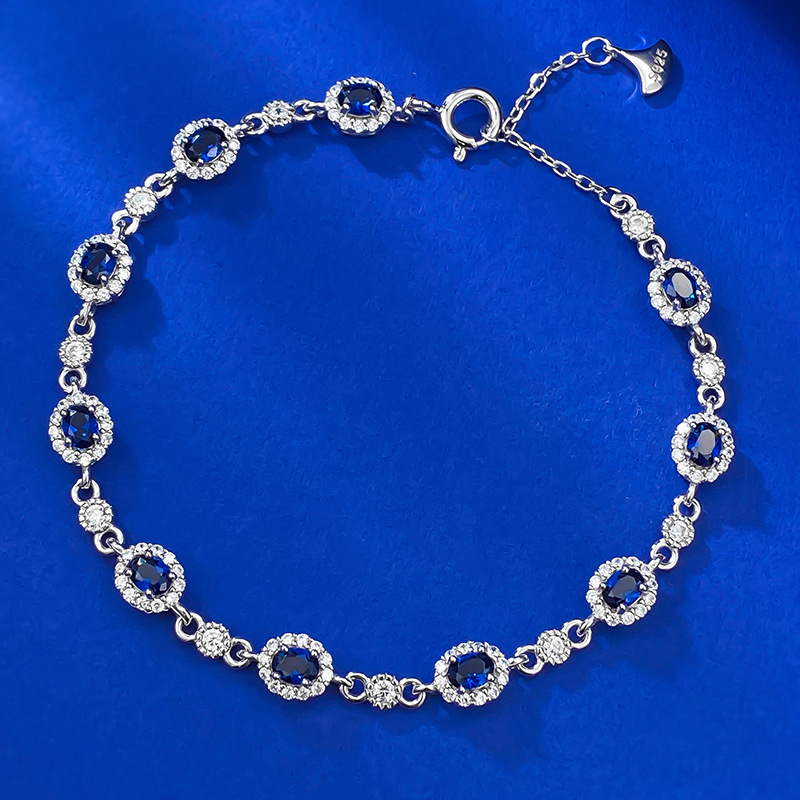
Certified Tennis Bracelet Online Review: How to Compare Quality Before You Buy
Buying a diamond bracelet online can feel simple right up until you have to judge quality from a product page. A Certified Tennis Bracelet Online review gives you a practical way to compare diamonds, settings, metal, fit, and seller policies before you spend real money.
For many shoppers, certification is the detail that turns a pretty listing into a more trustworthy purchase. A grading report gives you something concrete to check instead of relying on marketing language alone. If you’re comparing lab-grown diamond styles, that extra proof matters even more.
We’ve also found that bracelet buyers usually focus on sparkle first, then realize the clasp, length, and stone matching matter just as much. A tennis bracelet needs to look good, feel secure, and hold up to regular wear. If one of those pieces is missing, the value drops fast.
What a Certified Tennis Bracelet Online Review Should Actually Cover
A useful certified tennis bracelet online review should answer a few basic questions. Are the diamonds matched well? Is the setting secure? Does the bracelet have a dependable clasp and a clear grading report? If the listing doesn’t help you answer those points, keep looking.
Certification gives you a third-party record of quality. Labs such as GIA and IGI are widely recognized, and their reports help explain the 4Cs: cut, color, clarity, and carat weight. For a bracelet, consistency across many stones matters more than one standout grade.
That point is easy to miss online. A bracelet may list an attractive total carat weight, but if the stones aren’t well matched in color or clarity, the line of diamonds can look uneven on the wrist. A strong review should call that out.
According to GIA’s grading standards, cut has a major effect on brightness and fire in round diamonds. IGI also grades lab-grown diamonds and provides reports many online buyers use for side-by-side comparison. Those details shape how confidently you can compare one bracelet to another.
Why Certification Matters More for Multi-Stone Jewelry
A diamond bracelet isn’t judged like a solitaire ring. You’re looking at a row of stones, so visual consistency becomes part of the luxury feel. Even a small shift in color can stand out once the bracelet is on your wrist.
That’s why a certified tennis bracelet online review should mention both the lab and the stated grade range. If a retailer only says “near colorless” or “eye clean” without support, ask for specifics. Clear documentation usually signals a more transparent seller.
On multi-stone pieces, certification also helps you understand whether the stated grades apply to the bracelet as a whole or to representative stones. Some retailers provide a single overall grade range such as F-G color and VS clarity, while others may provide individual reports for larger center-quality stones used in higher carat bracelets. Neither approach is automatically wrong, but the listing should explain what you are receiving.
Benefits of Shopping Online for Tennis Bracelets
Online shopping gives you more room to compare styles, prices, and specs without pressure. You can review metal options, check bracelet lengths, and study close-up images at your own pace. That’s hard to do in a quick showroom visit.
Video matters too. A short product video often shows bracelet flexibility, stone spacing, and how the clasp closes. If you’re still comparing options, you can browse our fine jewelry collection or learn more about diamond quality and grading before you choose.
Another advantage is easier side-by-side comparison. You can open several listings at once and compare total carat weight, diamond count, average stone size, metal purity, and return policies without relying on memory. That makes it easier to spot when one bracelet is priced lower because it uses lower color grades, fewer grams of gold, or a simpler clasp.
Key Features to Compare in a Certified Tennis Bracelet Online Review
Every certified tennis bracelet online review should cover the features that affect beauty, comfort, and long-term wear. Start with total carat weight, but don’t stop there. Stone shape, setting style, metal type, clasp design, and bracelet length all change how the piece looks and feels.
Lab-grown diamonds are now a major part of this category. In 2024, many buyers continued shifting toward lab-grown fine jewelry because it offers stronger size-to-price value than mined options. We’ve seen customers use that price difference to move up in carat weight or choose platinum instead of 14K gold.
Craftsmanship matters just as much as the diamond specs on paper. A bracelet with smooth finishing, even stone spacing, and balanced flexibility usually feels better the moment you put it on. You can tell when a piece was made with care.
Comparison Table: What to Check Before You Buy
| Feature | What to Look For | Why It Matters |
|---|---|---|
| Total carat weight | Clearly listed CTW | Helps you compare size and price fairly |
| Diamond shape | Round, emerald, oval | Changes sparkle and overall style |
| Certification | GIA, IGI, or equivalent | Verifies grading claims |
| Setting style | Prong, bezel, shared-prong | Affects light return and security |
| Metal | 14K gold or platinum | Changes durability, weight, and color |
| Clasp | Box clasp with safety | Helps prevent accidental loss |
| Bracelet length | 6.5 to 7.5 inches common | Affects comfort and drape |
Diamond Shape, Cut, and Setting Style
Round diamonds remain the classic choice because they throw the most sparkle. Emerald-cut stones look cleaner and more tailored, though they show less brilliance. If you want a brighter look or a sleeker one, that style choice shapes the whole bracelet.
Prong settings allow more light in, which can boost sparkle. Bezel settings add more metal around each stone and can offer extra protection. Shared-prong designs create a smoother line of diamonds, but the bracelet should still feel secure from the side view as well as the top.
A careful certified tennis bracelet online review should mention that side profile. That’s often where weak craftsmanship shows up first.
Average stone size matters here too. A 3 carat total weight bracelet made of many small stones will look different from a 3 carat bracelet using fewer, larger diamonds. Smaller stones can create a delicate, more fluid line. Larger stones give stronger visual presence, but they also make matching and secure setting more important because any inconsistency is easier to notice.
Cut quality is especially important in bracelets because the piece is viewed in motion. Well-cut round stones tend to flash more under mixed lighting, while poorly cut stones can look sleepy even if the color and clarity grades sound respectable. If a listing provides only a broad grade range, look closely at video to see whether the diamonds return light evenly across the full bracelet.
Metal Choice, Clasp Security, and Sizing
14K white gold is a popular option because it looks bright and wears well. Yellow gold gives a warmer, classic look. Rose gold feels softer, while platinum adds weight and durability at a higher price.
Clasp security deserves more attention than it gets. A box clasp with double safety catches is a strong sign, especially for daily wear. If the clasp photo is tiny or missing, ask for more images before buying.
Most tennis bracelets fall between 6.5 and 7.5 inches, though custom sizing can help. As a rule, add about 0.25 to 0.5 inches to your wrist measurement for a comfortable drape. For more fit guidance, see our ring size guide and measuring tips.
Metal purity affects both price and wear. Fourteen karat gold is often the practical sweet spot because it balances durability and fine-jewelry value. Eighteen karat gold has a richer color, especially in yellow gold, but it is softer and often costs more. Platinum is dense and naturally white, so it will not require rhodium plating the way white gold often does, but that added weight can make a bracelet feel more substantial on the wrist.
Bracelet articulation is another fit detail buyers miss online. A good tennis bracelet should bend smoothly link by link rather than feeling stiff like a straight bar. Stiffness may indicate heavier construction, but it can also signal awkward movement, uncomfortable wear, or a mount that does not drape naturally around smaller wrists.
How to Read Diamond Specs on a Product Page
One of the best ways to improve any certified tennis bracelet online review is to translate the spec sheet into real buying meaning. Retailers often list F-G color, VS clarity, excellent cut, and 4.00 CTW, but shoppers still need to know whether those numbers make sense for a bracelet.
For many tennis bracelets, a sensible quality range is usually around G-H color and VS2-SI1 clarity if the stones are well matched and eye-clean. That range can look bright and beautiful on the wrist without pushing price into a premium bracket. Moving to D-F color and VVS clarity can increase cost sharply, yet the visual difference in small bracelet diamonds may be subtle for most buyers.
That does not mean higher grades are unnecessary. If you want a very crisp, icy look in larger individual stones, higher color grades may be worth paying for. The key is that the bracelet should be priced in proportion to the grade jump. A review should note when a listing charges a premium without clearly showing why.
Color and Clarity Ranges That Usually Make Sense
In white metals like platinum or white gold, many buyers prefer diamonds in the near-colorless range, typically G through I. In yellow gold, you may be able to go slightly warmer without it being obvious in normal wear, especially with smaller stones. With clarity, bracelet diamonds do not usually need to be flawless. What matters is that they appear clean to the eye and consistent across the row.
If a bracelet lists a very broad clarity range such as VS-SI or SI-I, ask for more detail. Broad ranges can hide noticeable variation from stone to stone. A tighter range usually suggests better matching and more careful sorting during production.
Total Carat Weight vs. Diamond Count
Total carat weight can be misleading when used alone. A 2 carat bracelet with 50 stones will have a different look from a 2 carat bracelet with 20 stones. More stones usually means a finer, more continuous line. Fewer stones means each diamond appears larger, which can create more spread across the wrist.
Ask for the stone count or average millimeter size if it is not listed. That helps you picture the bracelet much more accurately than carat weight alone. It also helps explain price differences between two pieces that appear similar at first glance.
Pricing, Value, and What You Should Expect to Pay
Price depends on total carat weight, diamond quality, metal, certification, and how well the bracelet is made. In most listings, carat weight gets the headline, but that alone doesn’t tell you whether the bracelet is a good buy. A thinner mount or weaker clasp can hide behind a tempting price.
A certified tennis bracelet online review helps you compare the full package, not just the number on the screen. Two bracelets may look similar at first glance, yet the better-made one often shows stronger stone matching, more secure construction, and clearer grading details.
Lab-Grown Diamond Bracelets usually give shoppers more flexibility in budget. Rapaport and broader jewelry market reporting have shown how lab-grown pricing opened the door for higher carat looks at lower entry points than mined diamond jewelry. For buyers who care about visible value, that’s a meaningful shift.
Typical Price Ranges by Style and Material
While prices move with diamond markets and promotions, online buyers can still use broad ranges to set expectations. A certified lab-grown tennis bracelet in 14K gold around 2 to 3 total carats often starts in the low four figures and climbs with higher color and clarity grades. A 4 to 5 carat lab-grown style in 14K or platinum typically costs more, especially if it uses larger, better-matched stones and a heavier bracelet build.
Mined Diamond Tennis Bracelets usually sit much higher for the same visual size. A mined bracelet with comparable total carat weight and near-colorless stones can cost several times more than a lab-grown version. That gap is one reason shoppers who want a larger look often focus on lab-grown certified styles first.
Platinum generally adds cost compared with 14K gold, and 18K gold usually adds cost compared with 14K as well. Fancy shapes such as oval or emerald cuts can also change pricing because they require different matching and setting work than classic rounds.
How to Judge Value Beyond the Price Tag
Look at the services that come with the bracelet. Insured shipping, a fair return window, financing options, and responsive support all add real value. If a seller is hard to reach before the sale, that won’t improve after you place the order.
Our customers often ask about return periods first, and that’s smart. A bracelet can look different once it’s on your wrist at home, under normal lighting. You’ll want enough time to check the fit, the sparkle, and the clasp without feeling rushed.
If a listing is far cheaper than similar certified styles, compare the specs line by line. Lower color grades, lighter metal weight, smaller stones, or vague certification language often explain the gap.
Also pay attention to whether the bracelet is made to order or ready to ship. A made-to-order bracelet may take longer, but it can also mean fresher production, better size customization, or more careful final inspection. A ready-to-ship bracelet may arrive faster, which matters for gifts, but buyers should still verify whether any alterations make the item final sale.
Shipping, Returns, and After-Sale Policies That Matter
When reading a certified tennis bracelet online review, do not stop at the jewelry specs. Seller policies can protect you just as much as certification does. A strong product page should say whether shipping is insured, whether an adult signature is required, how long production takes, and what happens if the package is delayed or lost in transit.
For a fine-jewelry purchase, insured shipping is the baseline. Signature confirmation is also worth having, especially for higher-value bracelets. If a seller ships expensive jewelry without adequate security, that is a warning sign about overall standards.
Returns deserve close attention because tennis bracelets are personal-fit pieces. Look for a return window that gives you enough time to inspect the bracelet in daylight, indoor lighting, and while moving your wrist naturally. A clear policy should explain whether returns are free, whether there is a restocking fee, and whether custom lengths are eligible.
Questions to Answer Before Checkout
- Is the bracelet fully insured during shipping?
- Will a signature be required at delivery?
- Is the item made to order, custom sized, or ready to ship?
- How many days do you have to return it?
- Are resizing, shortening, or lengthening services available after purchase?
- Does the seller offer a warranty or complimentary inspection period?
After-sale support is especially important for bracelets because clasps, safety catches, and links may eventually need maintenance. A retailer that offers inspections, repair guidance, or straightforward service terms is usually easier to trust than one that disappears after checkout.
Practical Buying Tips Before You Place an Order
Measure your wrist before you shop. Don’t guess. A tennis bracelet should sit close enough to feel secure, but it still needs a little movement to drape naturally.
Think about how often you’ll wear it. If this will be an everyday piece, focus on clasp strength, secure settings, and metal durability. If it’s more of an occasion bracelet, you may decide to prioritize size or style first.
A separate storage pouch helps prevent scratches. Gentle cleaning with mild soap, warm water, and a soft brush will handle routine care for most bracelets. For frequent wear, many jewelers suggest a professional inspection every 6 to 12 months to check prongs, links, and clasp security.
It is also smart to review the product photos at full zoom. Look for evenly sized stones, prongs that appear tidy instead of bulky, and consistent spacing between links. If one side of the bracelet looks tighter or rougher than the other in close-up shots, that may point to inconsistent finishing.
Common Online Buying Mistakes to Avoid
The biggest mistake is assuming certification alone guarantees a great bracelet. Certification helps confirm quality claims, but it does not replace workmanship, comfort, or a secure clasp. Another common mistake is buying purely by total carat weight without checking diamond count, average size, or setting style.
Buyers also overlook metal weight. A bracelet that is too light for its size may not feel as durable over time. Product pages do not always list gram weight, but if you are comparing two similarly priced pieces, it is worth asking. Heavier is not automatically better, but extremely light construction can be a warning sign.
Finally, do not ignore return exclusions on altered pieces. If you request a custom length, engrave the piece, or approve a special order, the bracelet may become non-returnable. Know that before you place the order, not after it arrives.
Quick Checklist for a Better Online Purchase
- Confirm the bracelet includes a grading report.
- Check the lab name, not just the word “certified.”
- Review total carat weight, stone shape, and metal type.
- Look closely at the clasp design and side profile.
- Read the shipping and return policy in full.
- Watch any product video available.
- Contact the seller if details feel vague.
If you’d like a second opinion before ordering, you can contact our jewelry experts for help comparing bracelet styles and specs.
Care, Maintenance, and Long-Term Wear
A tennis bracelet may look delicate, but it is still a piece of fine jewelry that benefits from routine care. Lotions, soap residue, and daily skin oils can dull sparkle over time, especially in shared-prong styles where buildup collects underneath the stones. Regular gentle cleaning helps restore brightness and lets you spot any loose links or worn prongs early.
At home, use lukewarm water, mild dish soap, and a very soft brush. Clean carefully around the clasp and underside of each setting, rinse thoroughly, and dry with a lint-free cloth. Avoid harsh household cleaners, ultrasonic cleaning if the bracelet has known loose stones, and abrasive materials that can scratch metal.
Storage matters too. Keep the bracelet separate from rings, chains, and earrings so the diamonds do not scratch softer metal surfaces. A lined jewelry box or soft pouch is usually enough. If you travel with it, use a structured travel case rather than dropping it loose into a cosmetics bag.
When to Have a Bracelet Professionally Checked
If you wear your bracelet weekly or daily, have it inspected by a jeweler at least once or twice a year. Ask them to check prongs, settings, safety catches, hinge action, and any signs of stretching in the links. A tennis bracelet flexes constantly on the wrist, so preventative checks matter more here than many buyers realize.
You should also schedule an inspection if the bracelet starts twisting oddly, catches on fabric, or opens with less resistance than before. Those are early signs that a clasp or link may need attention.
Final Take on This Certified Tennis Bracelet Online Review
A good certified tennis bracelet online review should leave you with a clear buying framework. Check the grading report, compare stone matching, inspect the setting, and don’t ignore fit or clasp security. Those details decide whether a bracelet only looks good in photos or actually wears well for years.
For many buyers, certified lab-grown diamond bracelets strike the best balance of beauty, price, and transparency. That’s especially true if you want a larger look without pushing the budget too far. If a seller makes the specs easy to verify, that’s usually a strong sign you’re in the right place.
The smartest online buyers compare more than sparkle. They read the diamond grades carefully, check whether the bracelet drapes well, review shipping and return terms, and make sure the clasp looks ready for real wear. That is what turns a nice listing into a confident purchase.
Ready to compare styles for yourself? Shop certified tennis bracelets online at StoneBridge Jewelry and find lab-grown diamond designs with clear specs, secure checkout, and insured shipping.
FAQ
What should a certified tennis bracelet online review include before I buy?
A useful review should cover the grading report, total carat weight, stone matching, metal type, clasp style, and bracelet length. It should also mention whether the seller provides close-up photos or video. If those details are missing, it’s harder to judge the bracelet’s true value. For online buyers, clear certification and strong images make comparison much easier.
Are certified lab-grown diamond tennis bracelets a smart buy online?
Yes, they often are. Certified lab-grown Diamond Tennis Bracelets can offer strong visual impact and better price efficiency than mined alternatives. Check whether the piece includes IGI or GIA-backed grading details, secure clasp construction, and a return policy that gives you time to inspect it at home. That combination usually leads to a more confident online purchase.
How do I know what size tennis bracelet to order online?
Start by measuring your wrist with a soft tape or a strip of paper, then add about 0.25 to 0.5 inches for comfort. Most buyers want a bracelet that moves slightly without flipping too much. Read the product page to see if the listed length is exact and whether sizing help is available. If you’re between sizes, ask the retailer for fit advice before ordering.
How can I tell if a tennis bracelet listing is actually high quality?
Look for a named certification lab, specific diamond grades, clear total carat weight, and multiple close-up images. Check the clasp type too, since a box clasp with safety catches is usually a stronger sign than a basic closure. High-quality listings also explain shipping, returns, and after-purchase support in plain language. Vague listings often hide weaker materials or inconsistent stones.
Is a certified tennis bracelet a good gift for an anniversary or milestone?
Yes, it’s a classic gift with lasting appeal. A certified tennis bracelet feels special because it combines fine-jewelry style with documented diamond quality. It’s a popular choice for anniversaries, milestone birthdays, wedding gifts, and personal celebrations. If you’re buying it as a gift, confirm the wrist size range and the return policy before checkout.
What is the best metal for an everyday tennis bracelet?
For many buyers, 14K gold is the practical everyday choice because it balances strength, appearance, and price. Platinum is also excellent if you want extra durability and a naturally white metal, though it costs more and feels heavier on the wrist. The best option depends on your budget, color preference, and how often you plan to wear the bracelet.
Should I choose higher clarity or a larger total carat weight?
For tennis bracelets, many shoppers get better visible value by choosing eye-clean stones in a solid mid-to-high quality range and putting more of the budget toward size or setting quality. Extremely high clarity grades are often less noticeable in smaller bracelet diamonds than they are in a larger center stone. A well-matched bracelet with good cut and a secure build usually matters more than paying extra for rarity you may not easily see.
Can I wear a tennis bracelet every day?
Yes, many people do, especially if the bracelet has a secure box clasp with safety catches and well-made settings. Daily wear is easier when the bracelet fits correctly and is checked periodically for loose stones or worn components. Remove it for heavy exercise, gardening, and tasks that involve impact or harsh chemicals to help preserve the setting and finish.
Ready to Find Your Perfect Diamond?
Explore our collection of certified lab-grown diamonds
Shop Diamonds