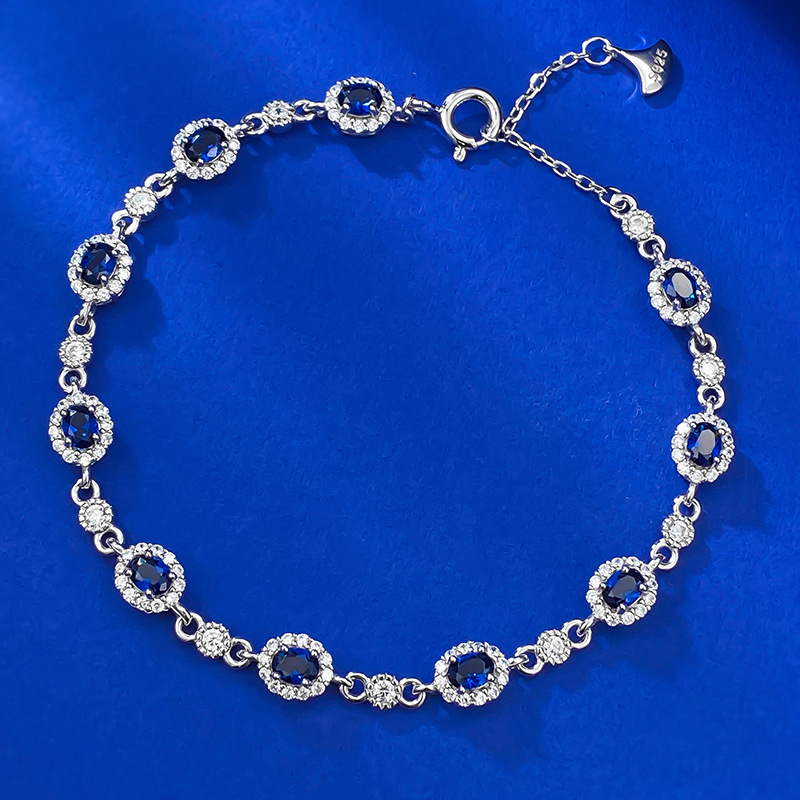
Certified Tennis Bracelet Online Review: Smart Buying Tips
A Certified Tennis Bracelet Online review can save you from a rushed decision. Tennis bracelets look simple, but the value sits in the small details: diamond grading, stone matching, metal quality, clasp design, and the paperwork behind the piece.
That matters even more online. Photos can show sparkle, but they can’t prove the diamond grades or tell you how secure the clasp feels. A strong review helps you check the facts Before You Buy.
Shoppers often focus on carat weight first. Then the better question shows up: do all the stones look matched, bright, and well set? That’s why a careful certified tennis bracelet online review is so useful.
Why a Certified Tennis Bracelet Online Review Matters
Buying a tennis bracelet online can feel exciting and a little stressful. You’re spending real money on a piece you haven’t held in person. Clear documentation lowers that risk.
A good product page should explain the basics fast. You should be able to see total carat weight, diamond color and clarity range, metal type, bracelet length, and clasp style without hunting through the page.
Certification helps because it replaces vague sales talk with measurable details. For lab-grown diamond styles, that matters a lot. Two bracelets may look similar in photos, yet differ in cut quality, consistency, and finish.
Many jewelry sites now offer more than static images. HD close-ups, wrist videos, insured shipping, secure checkout, and return windows give buyers more confidence before they commit.
According to GIA, lab-grown diamonds are real diamonds with the same chemical, physical, and optical properties as mined diamonds. That’s one reason many buyers compare a lab-grown Diamond Tennis Bracelet first when shopping for value.
It also helps to remember that tennis bracelets are worn differently than rings or pendants. A bracelet moves with your wrist, so poor construction shows up faster. Uneven links, sharp edges, or weak clasps are not minor issues; they affect daily comfort and security. The best certified tennis bracelet online review should tell you whether the bracelet feels smooth enough for regular wear, not just whether it looks good in a studio shot.
What Makes a Tennis Bracelet "Certified" Online?
A tennis bracelet is a flexible line bracelet with a continuous row of diamonds or gemstones. In diamond styles, the stones should look even from one end to the other. If the bracelet has dark sections, uneven size, or poor alignment, the whole look suffers.
So what does certified mean online? Usually, it refers to grading documents, authenticity records, or clearly stated quality documentation tied to the bracelet.
Not all certification claims mean the same thing. Some sellers provide third-party support from labs such as IGI or GIA. Others provide brand-issued paperwork with average stone grades and metal details. Some just use broad terms like "premium quality" and stop there.
For a certified tennis bracelet online review, you want to separate those three levels quickly:
- Third-party grading support from a recognized lab
- Retailer documentation with exact specs
- Generic marketing language with no proof
The first option gives the strongest confidence. The second can still be useful if the brand is transparent. The third should make you slow down and ask questions.
Also note that certification for a bracelet can be different from certification for a single loose diamond. Many tennis bracelets use multiple stones, so the seller may grade the piece as a whole rather than providing individual reports for every diamond. That’s not automatically a problem, but the listing should explain exactly what is being certified. If the bracelet uses many small diamonds, consistent quality and honest disclosure matter more than a single headline grade.
Documentation to Check Before You Buy
The best listings make the paperwork easy to understand. Look for:
- Total carat weight
- Diamond color range
- Diamond clarity range
- Cut or make information
- Metal purity such as 14K, 18K, or platinum
- Bracelet length in inches or millimeters
- Clasp type and safety features
- Warranty or authenticity paperwork
IGI and GIA are two of the most recognized names buyers see in diamond grading. If a seller mentions certification but doesn’t explain who issued it, ask before checkout.
It also helps to see whether the photos match the description. If a listing promises D-F color and VVS clarity, but the images show visible warmth or inconsistent sparkle, the review should flag that. In online buying, the written specs and the visual evidence should agree. If they don’t, assume the listing is incomplete until clarified.
Key Features Every Certified Tennis Bracelet Review Should Cover
A useful certified tennis bracelet review should go beyond sparkle. The bracelet needs to look balanced, feel smooth on the wrist, and stay secure during wear.
Start with the diamonds. Because the bracelet uses many stones, consistency matters as much as the grade itself. A bracelet with one bright section and one dull section won’t look luxurious in person.
Next, check the metal. White gold gives a crisp look with near-colorless diamonds. Yellow gold adds warmth. Rose gold feels softer and current. Platinum often costs more, but many buyers like it for durability and its naturally white finish.
Construction matters just as much. Look for these signs:
- Even stone spacing
- Secure prongs or bezels
- Smooth link movement
- Clean finishing underneath
- A box clasp that closes firmly
- A secondary safety latch
Comfort deserves real attention too. A tennis bracelet should bend easily, sit flat, and feel substantial without feeling stiff.
For side-by-side comparisons, it helps to review grading benchmarks first. You can shop lab-grown diamonds by quality to see how cut, color, and clarity affect value across categories.
Diamond Quality and Visual Match
Diamond quality in a bracelet isn’t only about the highest possible grade. Matching counts just as much. If the stones vary in color or brilliance, your eye will catch it right away.
A certified tennis bracelet online review should mention visual flow. Does the bracelet show even brightness from end to end? Do the stones look similar in size, shape, and color?
Bracelet size changes the look too. A 3 carat bracelet can feel refined and easy for daily wear. A 7 carat style makes more impact, but it also changes weight, width, and price.
In practical terms, buyers often see the best balance in the 2 to 5 carat total weight range for everyday wear. Smaller styles are lighter and more versatile, while larger styles deliver more presence but need more careful handling. If you plan to stack bracelets or wear the piece often, a lower-profile setting and moderate total carat weight may be easier to live with than a very bold design.
Pay attention to diamond shape as well. Most tennis bracelets use round diamonds because they maximize sparkle and create a smooth line. Fancy shapes can be striking, but they often show more variation in length and edge profile. For a first-time buyer, round stones are usually the safest choice because they’re easier to match and easier to evaluate in photos.
Craftsmanship, Clasp Security, and Wearability
You don’t notice the clasp until it fails. That’s why the best reviews spend time on it.
A well-made tennis bracelet usually has a box clasp plus figure-eight safeties or another backup lock. The links should move freely without feeling loose. Photos should show straight alignment, even prongs, and smooth polishing.
Want a second opinion before ordering? You can also browse our fine jewelry collection to compare bracelet styling, metal tones, and overall finishing.
Setting style matters too. Prong settings tend to expose more diamond surface, which can increase sparkle, but they also leave the stones more exposed to knocks. Bezel or semi-bezel settings can feel more secure and slightly more modern, though they may mute some brilliance. If you wear bracelets daily, a lower-profile setting may be worth the small tradeoff in light return because it handles real-life movement better.
For many buyers, the clasp is worth as much attention as the stones. A quality clasp should open only when you want it to, snap shut with a positive click, and include at least one safety measure. If a listing hides the clasp in tiny photos or never mentions it, that’s a red flag. The best online reviews call out whether the clasp can be operated one-handed, whether it sits flush, and whether it feels sturdy enough for regular use.
Certified Tennis Bracelet Online Review: Value and Pricing Breakdown
Price is where many shoppers hesitate. That’s fair. Two bracelets can look almost identical in a thumbnail and still have a price gap of $1,000 or more.
Most of that difference comes from a few core factors:
- Total carat weight
- Diamond color and clarity range
- Cut consistency across the bracelet
- Type of documentation included
- Metal choice
- Bracelet length and width
- Clasp quality and overall finishing
For general reference, lab-grown Diamond Tennis Bracelets often start in the low four figures. Smaller or simpler styles may begin around $900 to $1,500, while more substantial bracelets can land between $2,000 and $5,000 depending on length, metal, and total carat weight. Larger or higher-grade styles can move beyond that. Comparable mined-diamond versions often cost much more at the same visual scale.
That’s one reason buyers pay attention to certification. Clear grading support can justify a higher price. Weak product details usually can’t.
Metal choice also affects value in a way shoppers sometimes underestimate. 14K gold usually costs less than 18K and is slightly harder, which can be useful for daily wear. 18K gold has a richer color and higher gold content, but it is a bit softer. Platinum is the most durable of the common high-end options and keeps its white color without rhodium plating, though it typically costs more upfront.
Here’s a simple value check:
| Factor | Better Value Signal | Caution Signal |
|---|---|---|
| Certification | IGI, GIA, or clearly stated grading support | Vague "certified quality" claims |
| Diamond Match | Uniform sparkle and color | Visible variation |
| Metal Details | 14K, 18K, or platinum listed | Metal quality unclear |
| Clasp | Box clasp with safety | Basic closure only |
| Media | Macro photos and wrist video | Limited images |
| Policies | Insured shipping, returns, warranty | Hard-to-find policy terms |
A smart certified tennis bracelet online review looks at value, not just the lowest number on the page. Saving a few hundred dollars doesn’t help much if the bracelet arrives with weak finishing or unclear documentation.
How to Compare Bracelets Without Overpaying
Build a simple checklist and use it for every option. Compare:
- Certificate or grading support
- Color and clarity range
- Total carat weight
- Bracelet length and width
- Metal purity
- Clasp design
- Return window
- Warranty coverage
Some shoppers choose a slightly smaller bracelet because the stone match is better and the clasp feels safer. In many cases, that ends up being the smarter purchase.
It’s also smart to compare cost per visual impact instead of only price per carat. A bracelet with slightly smaller stones can look cleaner if the diamonds are well matched and the setting is tight. On the other hand, a bargain bracelet with lower polish and weak symmetry may look less refined even if the carat total seems attractive on paper. The best review should help you separate appearance from arithmetic.
Diamond Specs That Matter Most in a Bracelet
When buying a tennis bracelet, not every diamond spec has the same impact. Because the stones are small and repeated many times, some details matter more than others.
Cut quality is the first place to focus. Even with many small stones, better cut generally means stronger sparkle and more uniform life across the bracelet. For color, near-colorless grades often offer the best balance for white gold and platinum. If you choose yellow or rose gold, a slightly warmer diamond can still look harmonious, especially when the bracelet is viewed as a whole rather than stone by stone.
Clarity is important, but many buyers do not need top-flawless grades in a tennis bracelet. Eye-clean stones are often enough, especially when the diamonds are small and grouped together. A bracelet with excellent matching and a secure setting can be a better purchase than one with overly high clarity but weaker craftsmanship.
If the seller lists a color and clarity range, pay attention to the width of that range. Tight ranges suggest consistency. Wide ranges may mean the bracelet includes stones that vary more than you’d like. In a line bracelet, visible consistency usually matters more than chasing one premium grade.
Fit, Shipping, and Real-World Buying Tips
Even the best certified tennis bracelet online review should end with practical details. A beautiful bracelet still has to fit well, arrive safely, and hold up over time.
Most tennis bracelets come in standard lengths like 6.5, 7, and 7.5 inches. A comfortable fit usually allows a little movement without sliding too far up the arm.
A common starting point is to add 0.25 to 0.5 inch to your wrist measurement. Smaller wrists may prefer a lighter width for better flexibility. Broader wrists often look best with a bit more spread and presence.
If you’re comparing jewelry sizes across categories, you can explore engagement ring styles or build a custom ring to get a better feel for scale, metal color, and fine-jewelry fit preferences.
Width affects comfort as much as length. A delicate bracelet may slip under cuffs more easily, while a wider, heavier style can feel more luxurious but may move more on the wrist. If you’re buying a gift, try to learn the recipient’s usual bracelet size instead of guessing. Returning a bracelet for resizing can be possible, but custom adjustments may limit return eligibility.
Shipping and Return Policies to Review
Before ordering, check for:
- Insured shipping
- Signature confirmation
- Secure packaging
- Production timeline
- Tracking information
- Clear return steps
Gift buyers should pay close attention here. Presentation matters, but timing matters too. If the bracelet is made to order, production can add several business days or longer before shipment.
A strong return policy gives you time to inspect the bracelet in natural light, test the clasp, and confirm the fit. If custom lengths are final sale, the listing should say so clearly.
Also check whether return shipping is covered, whether there is a restocking fee, and whether the item must be returned in unworn condition with all paperwork. These details can change the real cost of buying online. A bracelet that looks cheaper upfront may be less attractive if the return process is expensive or restrictive.
Care and Long-Term Ownership
A tennis bracelet needs basic maintenance, not complicated care. Clean it with mild soap, lukewarm water, and a soft brush. Dry it with a lint-free cloth and store it separately from other pieces.
Professional checks help, especially if you wear the bracelet often. Many jewelers suggest periodic inspections of prongs, links, and clasp function once or twice a year.
Avoid wearing it during sports, heavy lifting, or activities that put pressure on the links. Even a secure bracelet can be stressed by repeated impact. If the piece is white gold, ask whether rhodium plating will be needed over time to maintain its bright finish. For platinum, expect a softer sheen that develops character rather than losing color.
If you travel with the bracelet, keep it in a soft pouch inside a secure travel case. Never toss it loose into a bag with other jewelry, because that is how stones get scratched and clasps get bent. A little care goes a long way in preserving both the appearance and resale value of the piece.
Common Mistakes Buyers Make Online
One of the most common mistakes is chasing the biggest total carat weight without checking the bracelet’s balance. Bigger is not always better if the bracelet looks uneven or feels awkward on the wrist.
Another mistake is ignoring the clasp. A bracelet with a strong visual design but a weak closure is a bad long-term buy. The same goes for skipping the return policy. If the seller does not offer a reasonable inspection window, you are taking on more risk than you may realize.
Buyers also sometimes overlook metal compatibility. White gold and platinum look similar at a glance, but they age differently and cost differently. Yellow gold may make diamonds look slightly warmer, which can be beautiful, but if you expected a cool-toned look, it may not be the right choice.
Finally, many shoppers trust only the headline grade and ignore the overall finish. A bracelet can have good-looking specs and still feel underwhelming if the stones are poorly aligned or the underside is rough. The best certified tennis bracelet online review should protect you from that mistake by weighing both the specs and the build quality.
Verdict: Should You Buy a Certified Tennis Bracelet Online?
Yes, if the seller gives you enough proof. That’s the short answer.
A strong certified tennis bracelet online review should leave you with clear buying standards: documented diamond quality, secure construction, fair pricing, strong product images, and buyer-friendly policies. If those pieces line up, buying online can make a lot of sense.
Focus on the facts first. Check carat weight, matching, metal quality, length, clasp design, and the exact paperwork included. Then review shipping, returns, and service support.
If a bracelet checks those boxes, you’ll feel much better at checkout. If it doesn’t, keep shopping.
FAQ
How can I tell if a certified tennis bracelet online is real?
Start with the paperwork. A legitimate seller should list total carat weight, color and clarity range, metal purity, and the type of grading support included. Look for trusted names such as IGI or GIA where applicable, plus insured shipping and a clear return policy. A certified tennis bracelet online review should also mention product videos, close-up images, and clasp details so you can verify more than the sparkle.
Is a lab-grown diamond tennis bracelet a good buy online?
For many shoppers, yes. Lab-grown diamonds are real diamonds, and GIA states they share the same chemical and optical properties as mined diamonds. That often means you can buy a larger or better-matched bracelet for the same budget. A good certified tennis bracelet online review will still check quality consistency, documentation, and setting security before calling it a smart value.
What certification should I look for in a tennis bracelet review?
Look for third-party grading support from IGI or GIA when available, or detailed retailer documentation that clearly states the average diamond grades. The listing should also include metal purity, bracelet length, and clasp type. If a seller says a bracelet is certified but doesn’t explain the documents, ask Before You Buy. That’s one of the fastest ways to spot the difference between real proof and loose marketing.
How should a tennis bracelet fit if I order one online?
Measure your wrist with a soft tape, then add about 0.25 to 0.5 inch for comfort. The bracelet should move a little, but it shouldn’t spin too far or feel loose enough to snag. Width matters too, since a larger carat bracelet may feel different on the wrist than a slimmer style. A certified tennis bracelet online review should mention both length and overall presence, not just size alone.
Why do prices vary so much in a certified tennis bracelet online review?
Price changes usually come down to carat weight, stone matching, diamond grades, metal type, bracelet length, clasp quality, and documentation. Two bracelets can look similar in a photo but differ by $1,000 or more once you compare those details. Better finishing and stronger grading support often explain the higher number. Review the full value package before choosing the cheapest option.
What is the best metal for a tennis bracelet?
There is no single best choice for everyone. 14K gold is durable and usually more affordable, 18K gold offers a richer gold color, and platinum is highly durable with a naturally white appearance. White gold is popular for a classic diamond look, while yellow and rose gold create warmer, more distinctive styles. A good certified tennis bracelet online review should help you match the metal to how you plan to wear the piece.
Should I choose prong or bezel settings?
Prong settings usually show more diamond surface and can maximize sparkle. Bezel settings feel more protective and can be a strong choice for active wear or for someone who dislikes snagging. Semi-bezel designs split the difference. The best choice depends on your lifestyle, not just your budget. If you want a bracelet for frequent wear, setting security may matter more than a slight increase in brilliance.
Ready to Find Your Perfect Diamond?
Explore our collection of certified lab-grown diamonds
Shop Diamonds