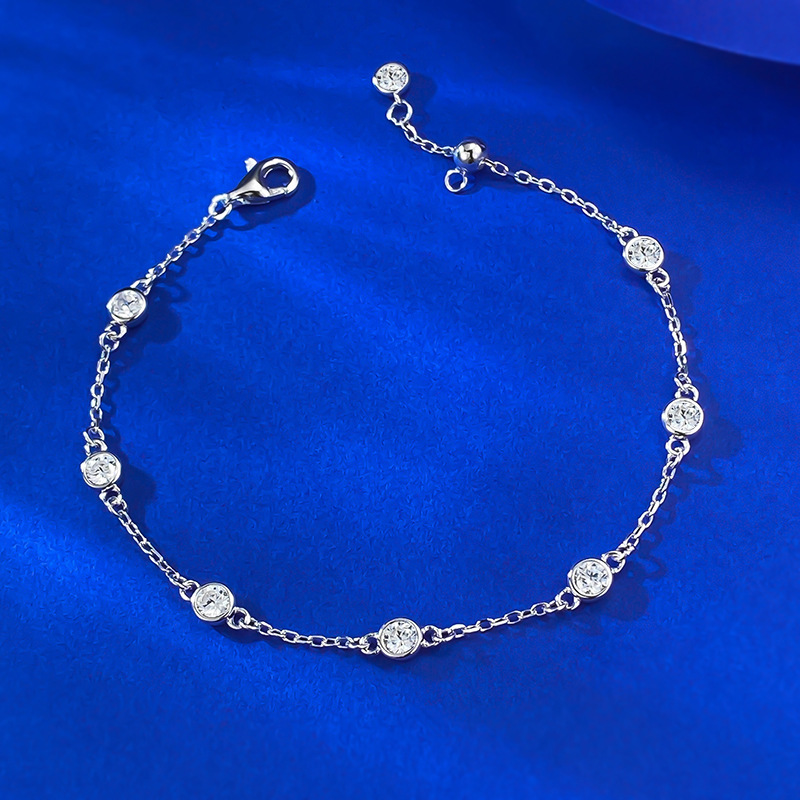
Ethical Diamond Tennis Bracelet Buy Guide: What to Look
Buying a bracelet should feel exciting, not stressful. An ethical Diamond Tennis Bracelet buy brings beauty, meaning, and long-term wear together in one piece, but the details matter.
You are choosing more than sparkle. Diamond origin, metal strength, bracelet length, clasp security, and long-term durability all affect how the piece looks and feels over time. A smart ethical Diamond Tennis Bracelet buy starts with clear facts, not just beautiful photos.
Why an Ethical Diamond Tennis Bracelet Is Worth It
An ethical Diamond Tennis Bracelet buy makes sense for daily wear and special moments alike. The design is timeless, easy to style, and polished enough for gifts, anniversaries, or milestone celebrations.
Customers often choose this style because it works across outfits. It looks clean with a watch, a wedding band, or a simple pair of studs. A bracelet that can move from casual days to formal nights gives you more wear for your budget.
Lab-grown diamonds also change the value equation. A lab-Grown Diamond Bracelet can give you more visual size for the budget, which may let you choose a higher carat weight or refined finish without reaching the same price range as many mined options.
Metal choice matters, too. 14K gold contains 58.3% pure gold, while 18K gold contains 75%. That difference affects price, color, and feel. If you want a sturdier everyday piece, 14K often makes sense. If you prefer a richer gold tone, 18K may be worth the extra spend.
A strong ethical Diamond Tennis Bracelet buy should also feel dependable. Loose settings, weak links, and flimsy clasps can spoil the experience quickly. Beauty matters, but so does how the bracelet wears after the first few times you put it on.
Why lab-grown diamonds fit this style so well
Tennis bracelets usually use many matched stones, so consistency is essential. Lab-grown diamonds make it easier to find even color, even clarity, and a smooth line of sparkle from end to end.
According to GIA, lab-grown diamonds have the same chemical composition and crystal structure as natural diamonds. They are real diamonds. The key difference is origin, which gives shoppers a clearer path to responsible sourcing.
Another practical advantage is matching. A tennis bracelet may contain dozens of diamonds, and the eye notices when one stone looks darker, cloudier, or more yellow than the others. With lab-grown diamonds, jewelers can often source tighter batches by color and clarity, which helps the bracelet look more even across the full length.
Ethical Diamond Tennis Bracelet Buy: What Makes One Ethical?
A true ethical diamond tennis bracelet buy starts with transparency. You should know where the diamonds came from, what the metal is, how the bracelet was made, and what kind of support comes after the sale.
Look for clear product details and plain language. If a retailer hides the origin of the stones or leaves out key specs, keep looking.
Lab-grown, mined, and what the difference means
Lab-grown and mined diamonds can look the same to the eye when they are cut and graded well. Both score 10 on the Mohs hardness scale, so both are durable enough for fine jewelry.
For a tennis bracelet, durability matters. The bracelet is exposed to regular movement, so you want stones that stay secure and keep their shine. A well-made ethical diamond tennis bracelet buy should give you confidence without guesswork.
If you are comparing lab-grown and mined options, pay attention to disclosure. A reputable jeweler should state the diamond origin clearly, not bury it in fine print. For mined diamonds, ask about sourcing standards and conflict-free policies. For lab-grown diamonds, ask whether the stones are independently graded or produced to consistent quality standards.
What proof should you ask for?
Ask whether the diamonds are lab-grown or mined. Check for grading standards from recognized labs such as GIA or IGI. Then review the bracelet specs: total carat weight, color range, clarity range, metal type, clasp style, and bracelet length.
Traceability matters as much as beauty. Recycled or responsibly sourced metals can reduce the impact of new mining, and clear policies help you feel better about the purchase after checkout.
For bracelets with many small diamonds, you may not receive an individual grading report for every stone. That is normal in many tennis bracelet designs. Instead, look for a detailed product description that states the minimum or average diamond quality, such as “F-G color, VS clarity” or “G-H color, SI clarity.” If the listing says only “high quality diamonds” without measurable grades, ask for specifics before buying.
If you want help comparing options, you can shop our lab-grown diamonds or browse our jewelry collection to see how different styles and stone sizes compare.
Specs to Compare Before You Buy
A smart ethical diamond tennis bracelet buy is about more than carat weight. The best bracelet balances sparkle, comfort, and security.
Focus on these details before you choose:
- Total carat weight: The combined weight of all diamonds in the bracelet.
- Cut quality: Better cut creates stronger sparkle and brighter light return.
- Color range: Near-colorless stones often look bright while offering strong value.
- Clarity range: Eye-clean stones usually make the most sense in this style.
- Metal type: 14K gold, 18K gold, and platinum each affect look, feel, durability, and price.
- Bracelet length: Common lengths include 6.5, 7, and 7.5 inches.
- Clasp and safety features: A secure clasp helps protect the bracelet during wear.
A 1.00 ctw bracelet feels delicate. A 2.00 to 3.00 ctw bracelet gives balanced sparkle. A 5.00 ctw piece makes a stronger statement. These ranges can help narrow your search quickly.
Diamond quality: cut, color, clarity, and carat weight
Cut should be one of the first specs you compare because sparkle is the focus of this design. Round brilliant diamonds are the most popular choice because they reflect light well and match smoothly across the wrist.
Color and clarity should support the look without pushing the price too high. Many buyers like G to I color for a bright face-up appearance. VS or SI clarity can work well when the stones are eye-clean and matched consistently.
Carat weight shapes the bracelet’s personality. A smaller bracelet feels light and elegant. A larger one reads as bold and luxurious. The right ethical diamond tennis bracelet buy is the one that matches how you plan to wear it.
For many buyers, the best value sits in near-colorless diamonds with eye-clean clarity rather than the highest possible grades. In a tennis bracelet, each individual stone is smaller than a center stone in an engagement ring, so tiny inclusions are often difficult to see without magnification. Paying for D color and flawless clarity may not improve the look enough to justify the extra cost unless you specifically want top-grade specs.
Stone size and how total carat weight changes the look
Total carat weight can be confusing because it does not describe the size of each diamond by itself. A 3.00 ctw bracelet spreads that weight across the full bracelet, so the individual stones may look much smaller than a single 3.00 carat diamond. That is expected.
As a general guide, a 1.00 ctw tennis bracelet often has a fine, delicate line of sparkle. A 2.00 ctw bracelet is still wearable every day but has more visible diamond presence. A 3.00 to 4.00 ctw bracelet is a popular gift range because it looks substantial without feeling too formal. A 5.00 ctw or larger bracelet becomes more noticeable from a distance and may sit higher on the wrist depending on the setting.
Also consider how the diamonds are distributed. A shorter bracelet with the same total carat weight as a longer bracelet may have slightly larger stones, because the total weight is divided among fewer links. If you are comparing two bracelets, check both carat weight and length before assuming they will look identical on the wrist.
Metal, setting style, and clasp security
White gold gives a crisp, seamless line of sparkle. Yellow gold feels warm and classic. Rose gold adds a softer look. Platinum has a cool tone and a substantial feel.
Setting style also changes the wear experience. Prong settings show more diamond surface. Bezel or semi-bezel settings can feel smoother against the skin. Many tennis bracelets use three-prong or four-prong settings for a balanced mix of security and brilliance.
Clasp quality deserves close attention. A box clasp with a safety latch is a strong choice. If you plan to wear the bracelet often, choose a clasp that feels sturdy in the hand and closes with a clear click.
White gold is often rhodium plated for a bright white finish. Over time, that plating can wear and may need refreshing, especially on a bracelet that rubs against desks, cuffs, and other jewelry. Yellow gold and rose gold do not need rhodium plating, but they can show scratches differently. Platinum is dense and durable, though it usually costs more and can feel heavier on the wrist.
Setting tradeoffs: prong, bezel, and shared-prong designs
Prong settings are popular because they allow more light to reach each diamond. They can look airy and bright, especially in round brilliant tennis bracelets. The tradeoff is that prongs should be checked regularly, because one lifted or worn prong can put a stone at risk.
Bezel settings wrap metal around each diamond. They often feel smooth and secure, making them appealing for active wearers or anyone who dislikes snagging. The tradeoff is that more metal is visible, and the bracelet may have a slightly less open sparkle compared with a prong-set design.
Shared-prong settings use the same prongs to hold neighboring diamonds. This can create a continuous diamond line with minimal metal, but craftsmanship is especially important. If the prongs are too light or poorly finished, the bracelet may be more vulnerable to wear. For daily use, look for a design that feels solid rather than overly thin.
Pricing and Value: What You Should Expect
An ethical diamond tennis bracelet buy can fit several budget levels. Smaller lab-grown styles may start in the lower hundreds, while larger or more refined pieces can move into the thousands.
Many shoppers land in the 2.00 to 4.00 ctw range because it offers a strong balance of size and price. It looks substantial without feeling overdone.
Here is a simple way to think about value:
| Buyer Goal | Best Fit | Why It Works |
|---|---|---|
| Everyday wear | 1.00 to 2.00 ctw, 14K gold | Durable and easy to wear often |
| Strong balance | 2.00 to 4.00 ctw, lab-grown stones | Good size, solid value, bright look |
| Statement piece | 5.00 ctw and up, premium metal | Bigger presence and more drama |
Carat weight affects price, but it does not guarantee beauty. A well-matched 3.00 ctw bracelet can look better than a poorly matched 5.00 ctw bracelet. Craftsmanship should always be part of your comparison.
If you are still building a wish list, compare bracelet styles with other fine pieces first. A matching necklace or pair of studs can help you Choose the Right metal tone and diamond look for the whole set.
Realistic price factors to compare
Two bracelets with the same total carat weight can have very different prices. Diamond quality is one reason, but not the only one. The amount of gold or platinum, the complexity of the links, the clasp construction, and the finishing work all affect cost.
For example, a lightweight 3.00 ctw bracelet in 14K gold may cost less than a heavier 3.00 ctw bracelet with a stronger clasp, tighter links, and higher color diamonds. The lower price may be attractive, but check whether the bracelet feels substantial enough for your wearing habits. A tennis bracelet is flexible by design, but it should not feel flimsy.
As a broad shopping framework, petite lab-grown diamond bracelets may be found from the several-hundred-dollar range. Mid-range 2.00 to 4.00 ctw lab-grown diamond bracelets often sit from around $1,000 to $3,500 depending on quality and metal. Larger bracelets, premium color and clarity, platinum, or custom work can push the price higher. These are general ranges, so compare current listings and exact specifications before deciding.
When to spend more and when to save
Spend more on secure construction, good matching, and a clasp with safety features. Those details protect the bracelet and affect how it looks every time you wear it. It is also worth paying for a color and clarity range that is clearly stated rather than vague.
You can often save by choosing near-colorless diamonds instead of colorless diamonds, eye-clean clarity instead of ultra-high clarity, and 14K gold instead of 18K gold or platinum. Those choices can preserve the overall look while keeping the bracelet within budget.
How to Buy With Confidence
Start with the reason for the purchase. Is this for daily wear, a gift, or a milestone piece? Your answer will guide the best carat weight, fit, and clasp style.
For daily wear, many shoppers prefer a bracelet that sits close to the wrist without pinching. A closer fit helps reduce snagging. For gifts, 7 inches is a common starting point, though confirming wrist size is always better when possible.
Choose the right length
Measure just below the wrist bone with a soft tape. Add about 0.25 inches for a snug fit, around 0.5 inches for a standard fit, and up to 0.75 inches for a looser drape.
The bracelet should move a little, not slide around. If it spins constantly, it may be too loose. If it presses into the wrist, size up.
If you do not have a soft measuring tape, wrap a strip of paper or string around the wrist, mark the overlap, and measure it against a ruler. Measure at the end of the day if your wrist tends to swell slightly. If the bracelet is a surprise gift, measuring a bracelet the recipient already wears can help, but make sure you measure the inside wearable length rather than the full outside curve.
Think about lifestyle before choosing a design
A tennis bracelet can be worn often, but not every design is ideal for every routine. If you type all day, work with your hands, or wear long sleeves frequently, a lower-profile setting may be more comfortable. If you plan to stack the bracelet with a watch or bangles, choose a durable metal and inspect it more often because pieces can rub against each other.
For active lifestyles, avoid wearing the bracelet during workouts, swimming, heavy cleaning, gardening, or sports. Diamonds are hard, but gold and platinum can still bend or scratch, and chlorine can weaken certain gold alloys over time. A beautiful bracelet lasts longer when it is treated like fine jewelry rather than a permanent accessory.
Check the service details before checkout
A good ethical diamond tennis bracelet buy includes more than a pretty product page. Look for insured shipping, a clear return window, and warranty support.
Ask whether the bracelet can be inspected or serviced later. Fine jewelry needs care over time, especially if you wear it often. A responsive jeweler makes ownership easier.
Before checkout, confirm whether the package requires a signature and whether the shipment is fully insured until delivery. For higher-value purchases, signature-required shipping is worth it. If you are buying for a specific date, check the processing time as well as the shipping speed. “Two-day shipping” may not mean the bracelet leaves the same day, especially if sizing, quality control, or custom production is involved.
Review the return policy carefully. Look for the number of days allowed, the condition required for returns, whether resized or custom bracelets are final sale, and whether return shipping is included. If you are buying a gift, ask whether the return window can be extended or tied to the gift date.
Care, cleaning, and storage
Clean the bracelet with warm water, mild soap, and a soft brush. Dry it with a lint-free cloth. Avoid harsh cleaners, chlorine, and rough cloths.
Store it in a soft pouch or lined box, and fasten the clasp before putting it away. Check the clasp, links, and prongs every few wears. If anything feels loose, stop wearing it until a jeweler inspects it.
For a deeper clean, let the bracelet soak for a few minutes in warm water with a small amount of mild dish soap, then brush gently around the backs of the stones where lotion and skin oils collect. Rinse carefully in a bowl rather than over an open drain. Ultrasonic cleaners can be useful for some diamond jewelry, but they are not ideal if any stones are loose or if the bracelet has delicate settings. When in doubt, use hand cleaning or ask a jeweler.
Common Mistakes to Avoid
One common mistake is buying only by total carat weight. Bigger is not always better if the diamonds are poorly matched, the links feel weak, or the clasp is unreliable. A smaller, well-made bracelet can look more refined and wear better than a larger bracelet with compromised construction.
Another mistake is ignoring length. A bracelet that is too loose can catch on clothing, hit hard surfaces, or turn constantly on the wrist. A bracelet that is too tight can feel uncomfortable and strain the links. Proper sizing protects both comfort and durability.
Do not overlook diamond matching. In a tennis bracelet, consistency matters more than a single standout stone. Look for even brightness, similar color, and a smooth flow from stone to stone. If product photos show dark or uneven areas, ask for additional images or video before buying.
Finally, avoid vague listings. Terms like “premium,” “luxury,” and “brilliant” sound nice, but they do not replace actual specs. A reliable listing should tell you the diamond origin, total carat weight, color and clarity range, metal karat, bracelet length, and clasp type.
FAQ: Ethical Diamond Tennis Bracelet Buy Questions
What should I check before I buy an ethical diamond tennis bracelet online?
Start with the diamond origin and make sure the listing clearly says lab-grown or mined. Then review total carat weight, color range, clarity range, bracelet length, metal type, and clasp security. A strong ethical diamond tennis bracelet buy should also include a clear return policy and insured shipping. If any key detail is missing, compare another listing before moving forward.
Are lab-grown diamond tennis bracelets real diamonds?
Yes, they are real diamonds. GIA explains that lab-grown diamonds have the same chemical, physical, and optical properties as natural diamonds. That makes a lab-grown diamond bracelet a strong option for buyers who want diamond brilliance with a more transparent origin. If you want an ethical diamond tennis bracelet buy, lab-grown stones deserve serious consideration.
What bracelet length is best for daily wear?
Most shoppers like a fit that adds about 0.5 inches to the wrist measurement. That gives the bracelet a little movement without letting it slide too far down the hand. For an ethical diamond tennis bracelet buy, 7 inches is a common standard, but wrist size should guide the final choice. A flexible return or exchange policy helps if the first size is not perfect.
How much should I budget for a diamond tennis bracelet?
Budget depends on total carat weight, diamond quality, metal, and craftsmanship. Smaller lab-grown styles often sit in the lower hundreds, while more substantial bracelets can cost several thousand dollars. An ethical diamond tennis bracelet buy often gives you more size for the money than a comparable mined option, which is why many shoppers start with lab-grown designs.
Is 14K or 18K gold better for a tennis bracelet?
Both can be good choices. 14K gold is often preferred for daily wear because it is harder and usually more resistant to bending than 18K gold. 18K gold has a richer color and higher pure gold content, so it may appeal to buyers who prioritize tone and luxury feel. For an everyday tennis bracelet, many shoppers choose 14K gold for durability and value.
What clasp is safest for a diamond tennis bracelet?
A box clasp with one or two safety latches is a strong choice for many tennis bracelets. The clasp should close firmly and should not pop open with light pressure. Some bracelets also include figure-eight safety catches or side safety locks. Whatever the style, the clasp should feel secure, balanced, and appropriate for the bracelet’s weight.
How do I keep a diamond tennis bracelet secure and bright?
Clean it with mild soap, warm water, and a soft brush, then dry it well. Store it apart from other jewelry so the stones and metal do not scratch. Check the clasp, prongs, and links every few wears, especially if you wear the bracelet often. If anything feels off, take it to a jeweler before wearing it again.
Choose the Bracelet That Fits Your Style
A thoughtful ethical diamond tennis bracelet buy feels easier once the facts are clear. Compare origin, cut, length, metal, and clasp, then choose the piece that fits your wrist and your budget.
If you want more help, browse our jewelry collection or shop our lab-grown diamonds to compare styles and stone options. A good bracelet should look beautiful on day one and still feel right years later.
The best choice is the one you will wear often. That is where value really shows up.
Ready to Find Your Perfect Diamond?
Explore our collection of certified lab-grown diamonds
Shop Diamonds