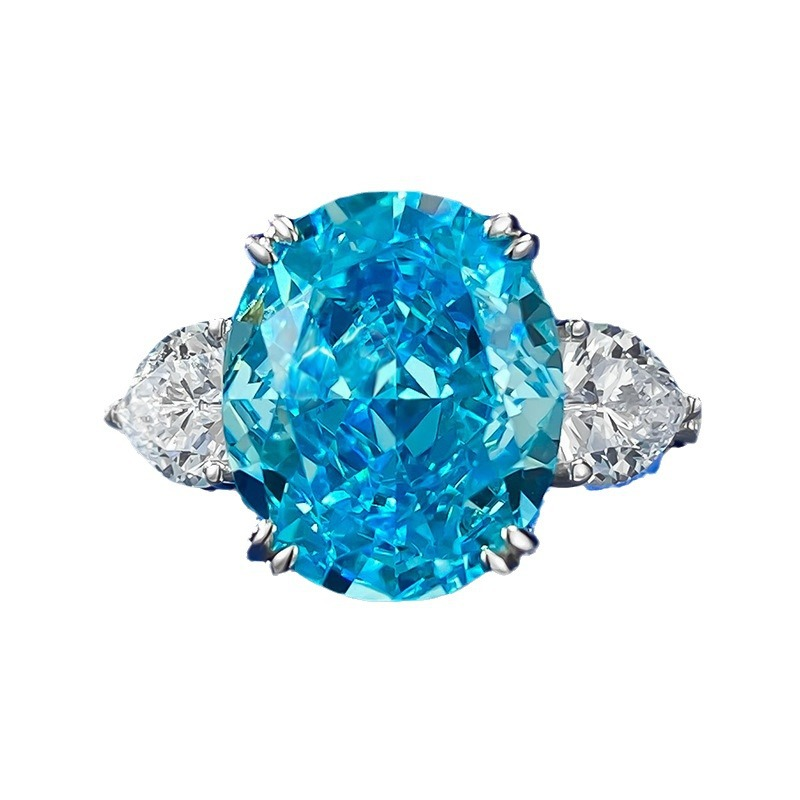
Metal Choices for Bridal Jewelry Sets: How to Choose the Right One
Choosing among the many metal choices for Bridal Jewelry Sets affects far more than color. It shapes how a ring looks, how it wears, how much care it needs, and how it fits your budget over time. The right metal can make a diamond appear brighter, warmer, or more balanced on the hand. It also influences comfort, especially for pieces worn every day.
Bridal jewelry often includes an engagement ring, wedding band, earrings, and sometimes a necklace or anniversary piece. That makes the decision even more practical. The best metal choices for Bridal Jewelry Sets should work across the full look, not just in a showcase. If you want a classic solitaire, a halo design, a pavé band, or a mixed-metal stack, your metal choice changes the final result.
This guide breaks down the most popular bridal metals, how jewelers evaluate them, and how to match them to diamond shape, lifestyle, skin tone, and long-term wear. If you are comparing Options Before You explore our engagement rings, this is the place to start.
Why Metal Choice Matters in Bridal Jewelry
Metal is the foundation of every bridal set. Even when the diamond is the star, the metal frames the stone, influences the tone of the entire piece, and affects how the jewelry performs year after year. Shoppers often focus on carat weight, cut, or setting style first, but the metal has just as much impact on daily satisfaction.
Metal color changes the look of the stone
The same diamond can look noticeably different depending on the metal beside it. White metals, such as platinum and white gold, usually create a crisp, high-contrast look that can make a diamond appear icy and bright. Yellow gold often adds warmth and can soften the contrast around near-colorless diamonds. Rose gold brings a blush tone that flatters vintage-inspired designs and can make the whole set feel romantic.
This is one reason jewelers consider the stone and metal together, not separately. A D-color round brilliant in platinum has a different visual character than the same stone in yellow gold. Neither is wrong. The best metal choices for bridal jewelry sets depend on the look you want the center stone to create.
Durability affects how the set ages
Bridal jewelry sees more wear than most fashion jewelry. Rings hit countertops, desks, and door handles. Bands rub against each other. Earrings and necklaces may be worn on special occasions, but engagement rings and wedding bands usually stay on the hand all day.
That daily contact matters. Platinum is known for strong wear performance and naturally resists loss of metal better than softer choices. Gold is also durable, though the exact performance depends on karat and alloy mix. Lower karat gold usually contains more alloy metals, which can improve hardness, while higher karat gold offers richer color but may show wear sooner.
The metal choices for bridal jewelry sets should fit your daily routine. If you work with your hands, lift weights, garden, or travel often, durability should weigh heavily in the decision.
Comfort and lifestyle matter too
Comfort is easy to overlook until you wear the piece every day. Heavier metals can feel more substantial on the finger. Lighter metals may feel easier at first, but they can also feel less robust. Some people prefer the substantial feel of platinum, while others like the familiar warmth of gold.
Hypoallergenic concerns matter as well. Jewelry metals are alloys, and some people react to nickel or certain mixed metals. Jewelers usually discuss alloy composition for that reason. According to general industry practice and GIA-style evaluation standards, understanding metal purity and alloy content helps shoppers compare both appearance and wear performance before buying.
If you have sensitive skin, ask about the alloy mix, rhodium plating, and long-term maintenance. That conversation can save frustration later.
Understanding the Most Popular Bridal Metals
The most common metal choices for bridal jewelry sets are yellow gold, white gold, rose gold, platinum, and sterling silver. Each one has a distinct appearance, price point, maintenance profile, and suitability for different designs. Jewelers also evaluate purity, alloy mix, and setting compatibility before recommending a metal for daily-wear bridal pieces.
Quick comparison of popular bridal metals
| Metal | Look | Durability | Maintenance | Best for |
|---|---|---|---|---|
| Yellow gold | Warm, classic, traditional | Strong in higher karats, softer at higher purity | Moderate polishing, possible scratching | Timeless styles, vintage details, warm tones |
| White gold | Bright, silvery-white, modern | Good, though plating wears over time | Needs rhodium replating | Bright diamond looks, contemporary settings |
| Rose gold | Pinkish, romantic, distinctive | Good, with strong alloy blend | Low to moderate maintenance | Vintage, romantic, fashion-forward looks |
| Platinum | Naturally white, dense, premium | Excellent for everyday wear | Low tarnish, develops patina | Long-term durability, heirloom pieces |
| Sterling silver | Bright and affordable | Softest of the group | Higher upkeep, tarnish-prone | Occasional wear, budget-conscious styles |
Yellow gold
Yellow gold remains one of the most recognizable metal choices for bridal jewelry sets. Its rich tone gives engagement rings and wedding bands a classic feel, especially in cathedral settings, milgrain details, or antique-inspired designs. It pairs beautifully with round, oval, cushion, and emerald-cut diamonds, especially when the goal is a warm, elegant look.
Gold purity matters here. 18K yellow gold contains more pure gold than 14K gold, so it usually shows deeper color. 14K gold contains more alloy metals, which can improve hardness and make it a practical choice for daily wear. That tradeoff matters for bridal jewelry. Higher-karat gold may feel more luxurious in color, while 14K often offers better resistance to wear.
Yellow gold does show scratches over time, but many people like the soft character that develops with age. For shoppers who want a traditional look that pairs well with both modern and vintage settings, yellow gold is a strong option.
White gold
White gold is one of the most common metal choices for bridal jewelry sets because it offers a bright, contemporary look at a more accessible price point than platinum. It is usually alloyed with white metals and finished with rhodium plating to create a sleek silvery surface.
That plating is part of the maintenance story. Over time, rhodium can wear away, revealing the slightly warmer undertone of the base alloy. Replating restores the crisp white finish. For many shoppers, that upkeep is worth it because white gold complements colorless and near-colorless diamonds very well.
White gold works especially well with pavé settings, halo rings, and bridal sets that aim for a seamless sparkle. It can also make a diamond appear larger by reducing warmth around the stone. If you like the look of platinum but want to manage cost more carefully, white gold is often part of the comparison.
Rose gold
Rose gold has become a favorite among shoppers who want softness and individuality in their bridal jewelry sets. The pink tone comes from alloy metals that give the gold its blush color. The result feels romantic without being overly ornate.
Rose gold pairs nicely with oval, pear, and marquise diamonds, and it can look especially refined in vintage or floral settings. It also flatters a wide range of skin tones because the color creates a gentle contrast rather than a stark one.
Maintenance is usually moderate. Like other gold alloys, rose gold can scratch, but many buyers appreciate how those marks blend into the warm tone. It is also less common than yellow or white gold, which gives it a distinctive appeal. If you want bridal pieces that feel personal and slightly unexpected, rose gold deserves a close look.
Platinum
Platinum is often considered the premium choice among metal choices for bridal jewelry sets. It is naturally white, dense, and highly valued for daily wear. Unlike white gold, it does not depend on plating to stay white, and that makes it appealing for buyers who want a lower-maintenance bright metal.
Because platinum is dense, it feels substantial on the hand. Many shoppers like that weight. It also tends to hold prongs well, which matters for securing diamonds in engagement rings and wedding bands with delicate settings. That practical benefit is one reason jewelers frequently recommend platinum for prong settings, halo rings, and heirloom-quality pieces.
Platinum can develop a soft patina over time. Some buyers love that lived-in look. Others prefer periodic polishing to restore a mirror finish. Either way, platinum is commonly chosen for pieces meant to be worn every day and passed down later.
Sterling silver
Sterling silver is less common in bridal sets, but it still appears in fashion-forward and budget-conscious designs. It has a bright, attractive look, and it can be useful for occasional pieces or jewelry that is not worn daily.
The tradeoff is maintenance. Silver is softer than the gold and platinum options typically used in bridal jewelry, and it tarnishes more easily. That means more polishing and more care. For wedding jewelry that will be worn every day, sterling silver usually ranks below the stronger alternatives.
Still, it has a place. For a secondary bridal piece, a rehearsal dinner necklace, or a lower-cost matching set, silver can be a workable option. Most jewelers will steer daily-wear bridal clients toward more durable alloys.
What jewelers look at before recommending a metal
When a jeweler evaluates metal choices for bridal jewelry sets, the conversation usually includes:
- Metal purity and alloy composition.
- How the piece will be worn each day.
- Whether the setting type needs extra strength.
- How the metal color interacts with the diamond.
- Whether the buyer wants low maintenance or a specific visual effect.
That evaluation reflects broad industry knowledge, not just style preference. A setting with thin pavé shoulders, for example, may benefit from a denser metal. A vintage-style ring might look more balanced in yellow or rose gold. The right recommendation depends on design and wear, not trend alone.
How to Match Metal to Your Bridal Style
The best metal choices for bridal jewelry sets work with your overall style, not against it. The diamond shape, setting detail, ring stack, and wardrobe all influence how a metal looks in real life. A thoughtful match can make a set feel cohesive from the first try-on.
Match the metal to the diamond shape and setting
Certain diamonds and settings naturally favor certain metals. White metals tend to emphasize sparkle and contrast, which works well for brilliant cuts like round, oval, and princess. Yellow gold brings out warmth in antique cuts and can soften the overall look of a bezel or solitaire. Rose gold often adds a graceful frame to elongated shapes and decorative halos.
Setting style matters too. A cathedral setting in yellow gold can feel traditional and elevated. A hidden halo in white gold may feel modern and sleek. A three-stone ring in platinum can look balanced and elegant, especially if the side stones are smaller and the metal should recede visually.
Use this simple styling guide
- Choose platinum or white gold if you want a bright, cool-toned look with strong diamond contrast.
- Choose yellow gold if you want a classic, warm, or vintage feel.
- Choose rose gold if you want a softer, romantic, or artistic look.
- Choose mixed metals if you want flexibility across jewelry wardrobes or a more modern stack.
Consider your skin tone and wardrobe
Skin tone can help narrow down the metal choices for bridal jewelry sets, though personal preference always wins in the end. Warm undertones often pair beautifully with yellow and rose gold. Cool undertones are often complemented by white metals. Neutral undertones can usually wear any of them comfortably.
Wardrobe matters too. If you wear a lot of silver-toned accessories, watches, or cool-toned clothing, white gold or platinum may feel natural. If your closet leans earthy, classic, or warm, yellow gold may integrate better. And if your style mixes textures and tones, rose gold can be a versatile middle ground.
Mix metals with intention
Mixed-metal bridal styling is more accepted than ever. The key is balance. A white gold engagement ring paired with a yellow gold band can look beautiful if the proportions are deliberate. A rose gold accent can warm up a white-metal set without overpowering it.
You can also coordinate mixed metals across pieces. For example, a platinum engagement ring with yellow gold earrings and a white gold necklace can still feel cohesive if the diamonds and finishes align. If you are building a full look, browse our jewelry collection to compare how metal tone changes the overall style.
Practical Buying Tips for Bridal Jewelry Sets
Shopping for metal choices for bridal jewelry sets is easier when you think beyond the proposal moment. Fit, resizing, stacking, and maintenance all affect long-term satisfaction. A metal that looks perfect in the case may not be the best fit for your routine.
Ask these questions before you buy
- Will the ring need resizing later?
- How will this metal wear against a wedding band?
- Is rhodium replating required?
- What does long-term cleaning or polishing involve?
- Does the warranty cover prong repair or finish restoration?
These questions help you compare value, not just first impressions. For example, a lower upfront cost on white gold may be balanced by replating needs over time. Platinum may cost more initially, but it may need less cosmetic maintenance for everyday wear.
Think about stacking and band fit
Many bridal sets are designed with future stacking in mind. If you plan to add anniversary bands or stackable rings later, the metal choice should work across all pieces. Matching metals usually creates the cleanest line, but contrast can be beautiful if the band shape and finish are coordinated.
The fit between an engagement ring and wedding band matters too. Some metals and finishes show wear faster when they rub together. If your set includes a contour band or a closely fitted stack, ask how the metals will interact over time. A jeweler can explain which combinations hold up best.
Prioritize durability when lifestyle demands it
If your hands are always busy, durability should outweigh trend. Platinum and 14K gold are often practical daily-wear choices. If you work in healthcare, fitness, hospitality, or design, you may want a metal that tolerates frequent contact and cleaning.
That does not mean you have to give up beauty. It means choosing the metal that supports the lifestyle you already live. The best metal choices for bridal jewelry sets are the ones that look beautiful and stay manageable after years of wear.
Ask a jeweler about real-world performance
A good jeweler helps you compare metal purity, alloy composition, and wear performance based on the setting type. That guidance matters because a delicate pave ring and a plain gold band do not face the same demands. The jeweler can also explain how metal finish, thickness, and prong structure affect long-term durability.
If you are uncertain, ask to compare side by side. Seeing a platinum setting next to white gold, yellow gold, or rose gold often makes the decision clearer than reading specs alone. If you need help narrowing the options, contact our jewelry experts for personalized guidance.
Common Mistakes to Avoid When Choosing Bridal Metals
Choosing the right metal is not hard, but a few common mistakes can lead to regret later. Most of them happen when the buyer focuses on appearance alone and skips long-term use.
Mistakes shoppers make most often
- Choosing by color alone and ignoring wear patterns.
- Picking a metal that clashes with the engagement ring.
- Overlooking allergies or sensitivity to alloy metals.
- Forgetting that plating and polishing affect upkeep costs.
- Selecting a soft metal for a ring that will be worn daily.
Another common issue is mixing metals without a plan. A mixed-metal bridal set can look stylish, but random combinations can appear disconnected or unfinished. The solution is simple: repeat one metal intentionally across the set, or use contrast in a deliberate, balanced way.
It is also easy to underestimate maintenance. White gold may need replating. Silver tarnishes. Even gold can scratch. If you want the easiest ownership experience, platinum and 14K gold usually deserve strong consideration.
FAQs About Metal Choices for Bridal Jewelry Sets
What are the best metal choices for bridal jewelry sets?
The best metal choices for bridal jewelry sets usually come down to platinum, white gold, yellow gold, and rose gold. Platinum is often preferred for durability and a naturally white look, while gold offers more color variety and style flexibility. The right choice depends on your daily wear, budget, and aesthetic goals.
Is platinum better than white gold for a bridal set?
Platinum is denser and naturally white, so it often appeals to shoppers who want strong durability and less finish maintenance. White gold is usually more budget-friendly and has a bright, polished look, but it may need rhodium replating over time. Neither is universally better; the better option depends on how much upkeep you want and how often you’ll wear the set.
Which metal is most durable for everyday bridal jewelry?
Platinum is widely considered one of the most durable choices for everyday bridal jewelry. It holds up well to daily wear and does not rely on plating to stay white. Higher-quality gold alloys can also be excellent, especially when the design and karat level fit the wearer’s lifestyle.
Can you mix metals in bridal jewelry sets?
Yes, you can mix metals in bridal jewelry sets. Mixed-metal styling can create a modern look and make it easier to coordinate with other jewelry you already own. The key is to keep the mix intentional so the full set still feels cohesive.
How do I choose a metal that matches my engagement ring?
Start with the metal family of the engagement ring, then look at band shape, finish, and wear pattern. Matching metals usually creates the most seamless result, but contrast can work if it is balanced across the set. If you want flexibility, compare samples next to your ring before deciding.
Conclusion: Choosing the Best Metal for Your Bridal Jewelry Set
The smartest metal choices for bridal jewelry sets balance style, durability, budget, and maintenance. Gold offers warmth and versatility. Platinum brings strength and a naturally white finish. White gold gives a similar look with a different upkeep profile. Rose gold adds romance, while sterling silver works best for limited or occasional use.
The right metal is the one that fits your life and your design goals. If you are comparing bridal looks, start with how the piece will wear every day, then narrow by tone and finish. For a closer look at styles, settings, and matching pieces, shop our lab-grown diamonds and learn about ring sizing as you plan the full set. The best choice is the one that looks beautiful now and still feels right years from now.
Ready to Find Your Perfect Diamond?
Explore our collection of certified lab-grown diamonds
Shop Diamonds