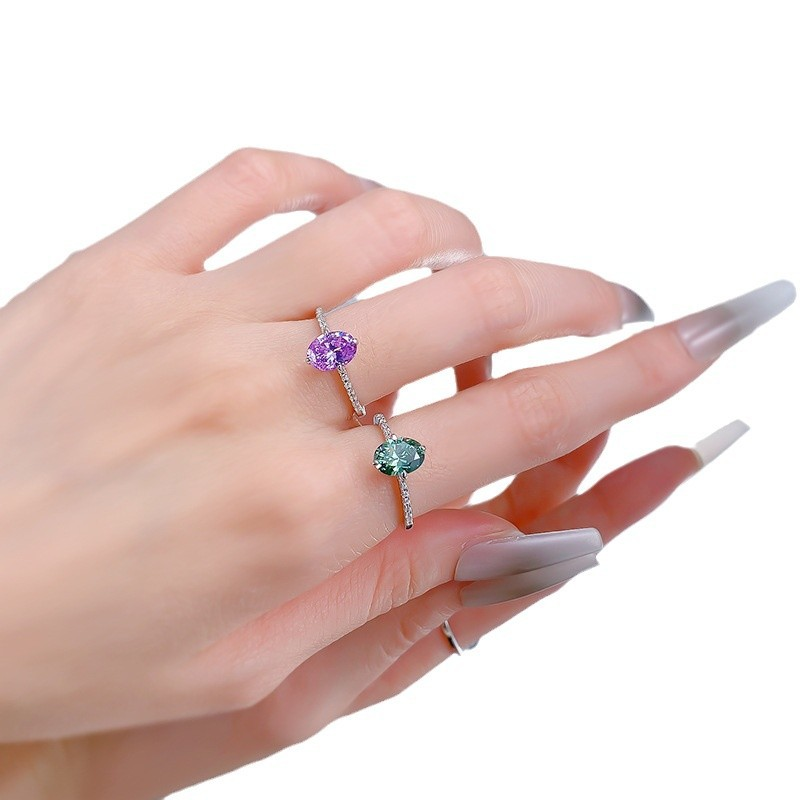
Bridal Jewelry Set Cost Planning: Budget Smart for Wedding-Day Diamonds
Bridal Jewelry Set cost planning helps couples see the full wedding jewelry budget before separate purchases start adding up. The engagement ring may come first, but the wedding band, earrings, necklace, bracelet, resizing, insurance, and custom timelines can all affect the final cost.
At StoneBridge Jewelry, we work with couples who want the beauty of fine diamond jewelry without guesswork. Lab-grown diamonds make it easier to compare size, quality, and design while keeping room in the budget for the pieces you'll actually wear after the wedding.
Why Bridal Jewelry Set Cost Planning Matters
Bridal jewelry is rarely bought all at once. One partner may choose the engagement ring months before the ceremony. The wedding bands might come later, and accessories often wait until the dress, veil, and hairstyle are set.
That staggered process can work, but it needs a plan. Without bridal jewelry set cost planning, couples often end up with mixed metal tones, rushed accessory choices, or a total spend that feels higher than expected.
A clear plan helps you rank each piece by meaning, visibility, and long-term use. Do you want a stronger center diamond, a diamond wedding band, or a complete accessory look? There isn't one right answer. The smartest budget is the one that matches your style and daily life.
Customers often feel more confident when they build the set from the ring outward. The engagement ring and wedding band usually need the most coordination. Earrings, necklaces, and bracelets can then be chosen around the gown and photo style.
Planning also prevents “small” costs from surprising you near the wedding. A ring resizing, rush shipping upgrade, appraisal, rhodium refresh, engraving, or special-order band can be modest on its own, but several add-ons in the same month can strain the budget. Build a line item for service costs before the final fitting and honeymoon expenses arrive.
What to Include in a Bridal Jewelry Set
A bridal jewelry set can be simple or detailed. Some brides wear only an engagement ring, wedding band, and studs. Others want a matched look with a pendant, tennis bracelet, and wedding-day earrings.
Common pieces include:
- Engagement ring: The main diamond piece and often the largest jewelry investment.
- Wedding band: A daily-wear ring that should fit the engagement ring in shape, metal, and comfort.
- Bridal earrings: Studs, huggies, drops, or statement earrings chosen around the hairstyle and veil.
- Necklace: A pendant, diamond station necklace, or delicate strand selected for the neckline.
- Bracelet: A tennis bracelet, bangle, or slim diamond bracelet for wrist-level sparkle.
- Optional gifts: Bridesmaid jewelry, mother-of-the-bride jewelry, anniversary bands, or custom keepsakes.
Bridal jewelry set cost planning doesn't mean you must buy every piece now. It simply gives every possible purchase a place in the budget. That way, you can choose what matters and save the rest for a future anniversary.
A helpful method is to divide the list into “must have,” “nice to have,” and “later.” The engagement ring and wedding band are usually must-have pieces. Earrings may be a must if the hairstyle shows them clearly. A bracelet or necklace can often move to the later category if the dress already has beading, lace, or a high neckline.
Engagement Ring and Wedding Band Pairings
The engagement ring sets the tone for the whole bridal set. A solitaire works with many bands, from plain gold to pavé diamonds. A halo or three-stone ring may need a curved, notched, or custom band to sit comfortably.
Popular pairings include:
- Round solitaire with a classic gold or platinum band.
- Oval solitaire with a pavé diamond wedding band.
- Halo engagement ring with a contoured band.
- Three-stone ring with a slim plain band.
- Hidden halo ring with a low-profile band for clearance.
Cost depends on the center diamond, metal type, band width, accent stones, and custom shaping. Start by comparing StoneBridge engagement rings, then choose a wedding band once the ring profile is clear.
Pay close attention to ring height and basket shape. A low basket can make an engagement ring feel sleek, but it may block a straight wedding band from sitting flush. A higher basket may allow a straight band to tuck underneath, although some wearers prefer the lower feel. If you want a no-gap stack, ask about the side profile before committing to the setting.
Band width also changes both look and comfort. A 1.5 mm to 1.8 mm pavé band looks delicate and lets the center diamond stand out, but it needs careful wear because very thin bands have less metal around the stones. A 2.0 mm to 2.5 mm band gives a stronger daily-wear feel. Wider plain bands may be beautiful, but they can fit tighter and may require a slightly larger size.
Bridal Earrings, Necklaces, and Bracelets
Accessories should support the gown, not compete with it. Diamond studs are easy to wear with nearly any dress, veil, or hairstyle. Drop earrings add movement, especially with an updo.
A V-neck gown often looks beautiful with a pendant. A strapless dress leaves space for a diamond station necklace. A high neckline may look cleaner without a necklace, letting earrings carry the sparkle.
Bridal jewelry set cost planning works best when you compare visibility and reuse. Earrings worn during the ceremony, reception, and honeymoon may deserve more budget than a necklace hidden by lace. Classic pieces from our fine jewelry collection can keep working long after the wedding day.
For studs, common bridal sizes range from about 0.50 total carat weight for a subtle look to 2.00 total carat weight for more presence. Screw backs offer security, while friction backs are easy to use and comfortable for many wearers. For drop earrings, check the length with the veil and hair trial; a dramatic earring can snag on lace or disappear under loose curls if the scale is wrong.
For necklaces, chain length matters. A 16-inch chain usually sits close to the collarbone, an 18-inch chain is a versatile standard, and 20 inches may work better with lower necklines or layered looks. Tennis bracelets should be snug enough not to slide over the hand but loose enough to move comfortably; many brides prefer about a finger's width of extra room. Bracelet clasp quality is worth budgeting for because the piece moves all day and can catch on fabric.
Bridal Jewelry Set Cost Planning by Budget Level
The right budget depends on diamond quality, carat weight, metal, craftsmanship, and whether pieces are ready-to-ship or custom made. Lab-grown diamonds often allow couples to choose a larger stone or add accessories compared with mined diamond options of similar visible quality.
Use these ranges as planning examples, not fixed quotes. Prices shift with metal markets, grading reports, diamond shape, setting details, and availability.
| Budget Level | Main Priority | Possible Set | Smart Spending Move |
|---|---|---|---|
| Essential | Ring and band first | Lab-grown diamond engagement ring, simple band, small studs | Choose excellent cut and timeless settings |
| Balanced | Ring plus key accessories | Larger center stone, diamond band, studs or pendant | Pick one statement piece and keep others refined |
| Premium | Custom styling | Custom ring, shaped band, earrings, bracelet | Invest in fit, craftsmanship, and certified diamonds |
| Luxury | Full matched suite | Higher-carat center stone, diamond bands, necklace, tennis bracelet | Focus on security, comfort, and long-term wear |
If you want to see how diamond size, shape, and metal affect pricing, build your ring online before finalizing the set.
Essential Budget: Start With the Pieces You'll Wear Most
An essential bridal jewelry set usually includes a lab-grown diamond engagement ring, a simple wedding band, and possibly diamond studs. This plan works well for couples who want fine jewelry quality without buying every accessory before the ceremony.
Many shoppers in this range look at 1.00 to 1.50 carat lab-grown center stones in 14K gold settings. Cut quality should stay high because it controls much of the diamond's brightness, fire, and sparkle.
GIA teaches the 4Cs of diamond quality: cut, color, clarity, and carat weight. Of those, cut often has the biggest visual effect. A well-cut diamond can look livelier than a larger stone with weaker proportions.
As a practical example, an essential plan might put most of the budget into a 14K yellow gold solitaire with an eye-clean lab-grown diamond, then add a 2 mm plain wedding band. If there is room left, 0.50 to 1.00 total carat weight studs can complete the wedding look without forcing a necklace or bracelet purchase. Choosing a plain band now also leaves the option to add an anniversary diamond band later.
Balanced Budget: Add Sparkle Where It Shows
A balanced budget gives couples room for a larger lab-grown diamond, a pavé setting, a diamond wedding band, and one or two accessories. Careful bridal jewelry set cost planning helps you decide which upgrades will matter most.
For example, you might choose a 2.00 carat oval lab-grown diamond, pair it with a pavé band, and add studs for daily wear. Another bride may prefer a simple ring and spend more on a tennis bracelet she'll wear for years.
Ask yourself: which piece will you notice in photos ten years from now? That answer can guide the budget better than a generic checklist.
In this range, compare upgrades side by side. A halo may make a center stone appear larger, but it adds more small diamonds and more maintenance points. A hidden halo gives sparkle from side angles and close-up photos without changing the face-up outline as much. Pavé on the engagement ring and the wedding band creates a bright stack, but a pavé band rubbing against pavé prongs can increase wear over time. If you plan to wear the rings daily, comfort and serviceability should count as part of the value.
Premium and Luxury Budgets: Custom Fit and Matched Details
Premium bridal jewelry sets may include custom ring settings, contoured bands, higher-carat lab-grown diamonds, tennis bracelets, and matching accessories. Custom work can also include engraving, hand-selected side stones, or a band designed to fit an unusual ring profile.
At higher budgets, details matter more. Check certification, symmetry, polish, prong security, pavé consistency, bracelet clasps, and ring comfort. IGI and GIA reports can document color, clarity, measurements, growth origin, and other diamond details.
Bridal jewelry set cost planning at this level should include insurance, appraisals when needed, care appointments, and enough time for design changes. Custom jewelry can take weeks, and the wedding calendar won't slow down.
For a premium set, ask whether side stones and accent diamonds will be matched for color range and shape. If the center stone is colorless or near-colorless, very warm accent diamonds may look mismatched in white metal. If the center is an emerald cut or radiant cut, baguette, trapezoid, or tapered side stones can make the design feel intentional but often require more selection time. Luxury planning should also consider travel storage, day-of handling, and who will be responsible for the jewelry before the ceremony.
Diamond and Metal Choices That Affect Cost
The largest price factors are diamond quality, carat weight, metal, setting style, and labor. Understanding those details helps you spend more where it shows and save where it doesn't.
Lab-grown diamonds are real diamonds made of crystallized carbon. Like mined diamonds, they rank 10 on the Mohs hardness scale. That makes them durable enough for engagement rings and wedding bands, though settings still need regular care.
Color, clarity, and carat weight also shape price. Near-colorless grades such as G, H, and I can be a strong value, especially in yellow or rose gold. Eye-clean VS2 or SI1 diamonds may look beautiful without paying for clarity features you can't see without magnification.
Cut, Color, Clarity, and Carat Weight
Cut affects how much light a diamond returns to the eye. For round brilliant diamonds, buyers can compare cut grade, polish, symmetry, table percentage, and depth percentage. Fancy shapes like oval, emerald, pear, and cushion need extra review through photos, videos, measurements, and expert guidance.
Carat measures weight, not face-up size. Two diamonds with the same carat weight can look different because of shape and proportions. That's why bridal jewelry set cost planning should compare millimeter measurements as well as carat.
For accessories, smaller diamonds can still look rich when they're well matched and well set. A pair of balanced diamond studs or a clean pavé band can feel refined without taking budget away from the engagement ring.
For round diamonds, many buyers prioritize Excellent or Ideal cut grades when available, along with very good to excellent polish and symmetry. For ovals, pears, and marquise cuts, watch for an overly dark bow-tie effect across the center. Some bow-tie contrast is normal, but a heavy dark band can reduce brilliance. For emerald and Asscher cuts, clarity is more visible because the step facets act like windows; many shoppers prefer VS2 or better for those shapes, while brilliant cuts can often hide inclusions more easily.
Shape affects price and appearance. Round brilliants are classic and bright but often priced higher per carat. Ovals, cushions, radiants, and pears can give strong finger coverage for the weight. Emerald cuts look elegant and architectural, but they reward careful selection. A 2.00 carat oval may look longer on the hand than a 2.00 carat round, while a deep cushion may carry weight underneath and look smaller face-up.
Certification and Documentation
Certification is not just paperwork. A diamond grading report helps you confirm the diamond's carat weight, measurements, color, clarity, polish, symmetry, fluorescence if listed, and lab-grown origin. For lab-grown diamonds, IGI and GIA reports are commonly used by buyers comparing stones across similar specifications.
When reviewing reports, compare the report number to any inscription if the diamond has one. Also review the measurements, not only the carat weight. A well-proportioned diamond with slightly lower carat weight may look as large as a heavier diamond that carries depth in the pavilion. If two diamonds have similar grades but different prices, the difference may come from proportions, visual performance, brand availability, or the presence of inclusions in a more noticeable location.
Keep grading reports, receipts, and appraisal documents in a safe place. These records are useful for insurance, returns, resale discussions, and future service. Take photos of the jewelry and store digital copies of documents separately from the physical pieces.
Platinum, White Gold, Yellow Gold, and Rose Gold
Platinum is naturally white, dense, and durable. It usually costs more than 14K gold because of its purity and weight. It can develop a soft patina, which many couples like for daily wear.
White gold gives a bright look and often uses rhodium plating, which may need refreshing over time. Yellow gold feels warm and classic. Rose gold has a romantic pink tone from copper alloy content.
Matching metals creates a polished look, but mixed metals can work if they're intentional. The key is to plan the combination before buying pieces from different categories.
14K gold is often a practical bridal choice because it balances precious metal content with durability. 18K gold has a richer gold content and deeper color, but it can be slightly softer depending on the alloy. Platinum is excellent for prongs because it wears differently than gold and holds stones securely, though it can bend rather than chip under pressure. If you work with your hands, lift weights, garden, or travel often, discuss durability before selecting a very thin band or delicate pavé design.
Metal color can also change how diamond color appears. A G or H diamond in platinum or white gold will look bright to most wearers. In yellow or rose gold, an H, I, or sometimes J color diamond can be an attractive value because the warm metal softens the contrast. For earrings and bracelets, exact color matching is less critical than on a center stone, but a visibly mismatched pair of studs can be distracting.
Setting Style and Custom Design
A solitaire usually costs less than a halo, pavé, bezel, cathedral, or three-stone setting. More accent diamonds and more hand-finishing mean more labor.
Custom design can add cost, but it can solve real fit problems. A contoured wedding band may be the best answer for a low-profile engagement ring. Engraving or a hidden detail can also add meaning without changing the whole design.
If custom work is on your list, begin early. Bridal jewelry set cost planning should include design approval, stone selection, sizing, production, inspection, and shipping.
Each setting has a tradeoff. Prong settings show more of the diamond and often maximize light, but prongs should be checked regularly. Bezel settings protect the edge of the stone and feel smooth, but they can make the diamond look slightly more enclosed. Cathedral settings add structure and height, while low-profile settings may feel more practical for daily wear. Three-stone rings add symbolism and finger coverage, but side stones must be matched well and can increase the setting cost significantly.
How to Spend More Wisely and Save With Confidence
Good value isn't just the lowest price. It's the right mix of beauty, durability, comfort, certification, and long-term wear.
Spend more on the pieces worn most often. The engagement ring center stone deserves careful attention to cut and shape. The wedding band should feel smooth because it may be worn every day.
Review high-touch parts as well. Prongs, clasps, earring backs, bracelet locks, and chain links protect the jewelry. A tennis bracelet, for example, should have a secure clasp and may benefit from a safety catch.
You can save by choosing lab-grown diamonds, simpler settings, near-colorless grades, and eye-clean clarity. A clean solitaire with an excellent-cut diamond can look luxurious. Smaller studs may get more wear than oversized earrings after the wedding.
For diamond comparison, review certified options through StoneBridge diamonds. Look beyond the price and compare grading report details, measurements, metal type, ring width, return policy, resizing options, and warranty support.
Set aside a small contingency amount, especially if you are buying close to the wedding date. Ten percent of the jewelry budget can cover practical changes such as a half-size adjustment, upgraded earring backs, a different chain length, expedited shipping, or a second wedding band option after trying the stack with the engagement ring. If you do not use the contingency, it can become the first contribution toward an anniversary piece.
Common Bridal Jewelry Buying Mistakes
One common mistake is buying the wedding band without checking how it sits against the engagement ring. Even a beautiful band can feel wrong if it rubs the center setting, leaves an unwanted gap, or pushes the engagement ring off-center. Review the ring profile and try the stack together whenever possible.
Another mistake is choosing accessories before the dress details are final. A necklace that looked perfect online may compete with a beaded bodice, and long earrings may tangle with a lace veil. Bring photos of the gown, neckline, veil, and hair inspiration when choosing wedding-day jewelry.
Couples also sometimes spend heavily on pieces that are difficult to wear later. A very dramatic necklace or oversized drop earring can be right for some weddings, but if daily wear matters, classic studs, a pendant, or a tennis bracelet may be more useful. Bridal jewelry set cost planning should balance the wedding photos with the next ten years of wear.
Finally, do not ignore policies and service details. A slightly lower price may not be the best value if the return window is short, resizing is unavailable, shipping is not insured, or the diamond lacks a grading report. Fine jewelry should come with clear documentation and support.
Fit, Timeline, and Care: The Details Couples Forget
Even a beautiful set can cause stress if the timing is too tight. Order early enough for sizing, exchanges, custom design, and final styling with the dress.
A practical checklist includes:
- Confirm ring size before ordering.
- Check the engagement ring profile before choosing the band.
- Pick earrings after deciding on the veil and hairstyle.
- Match the necklace to the dress neckline.
- Test bracelet length and clasp security.
- Allow time for shipping, resizing, and inspections.
- Keep documents for insurance or appraisal needs.
- Clean and inspect jewelry before the wedding.
Finger size can change with heat, cold, hydration, and time of day. Wider bands often feel tighter than narrow bands. If you're stacking rings, review our ring size guide before placing the order.
Clean lab-grown diamond jewelry with warm water, mild dish soap, and a soft brush when suitable. Avoid chlorine, harsh chemicals, and abrasive cleaners. Store pieces separately so metals and diamonds don't scratch each other.
Schedule the final cleaning and inspection one to two weeks before the wedding, not the night before. That leaves time to tighten a prong, adjust a clasp, or correct a fit issue if needed. Do not wear fine jewelry in pools, hot tubs, or while applying lotion, hairspray, sunscreen, or perfume. Put jewelry on after hair and makeup so residue does not dull the stones.
For wedding travel, keep rings and important jewelry in a carry-on bag, never checked luggage. Use a padded travel case with separate compartments so earrings, chains, and bracelets do not scratch each other. If someone else is transporting the jewelry on the wedding day, assign one trusted person and make sure the pieces are documented and stored securely before photos begin.
Shipping, Returns, Resizing, and Insurance
Before placing a bridal jewelry order, review shipping timelines and delivery requirements. Fine jewelry is often shipped with insurance and may require an adult signature. If you are ordering close to the ceremony, confirm whether the item is in stock, made to order, or custom. A ready-to-ship pair of studs may arrive quickly, while a custom contoured band can require additional production time.
Return and exchange policies matter because jewelry needs to be seen in real life. Check the length of the return window, whether custom or engraved items are final sale, and whether resizing affects eligibility. If you are unsure about an accessory, order early enough to try it with the dress and return or exchange it within the stated policy.
Insurance is worth considering for engagement rings, wedding bands, and higher-value accessories. Some couples add a jewelry rider to a homeowners or renters policy, while others use specialized jewelry insurance. You may need receipts, grading reports, photos, and an appraisal depending on the insurer. Update the insured value if you add a matching band, upgrade the center stone, or purchase a significant bracelet later.
Shop StoneBridge Bridal Jewelry With a Clear Plan
Bridal jewelry set cost planning turns a long list of purchases into a calm, ordered process. Start with the engagement ring. Coordinate the wedding band. Then choose accessories that match the gown, photos, and your life after the wedding.
StoneBridge Jewelry offers lab-grown diamond engagement rings, wedding bands, earrings, necklaces, and bracelets for couples who want beauty with practical value. You'll find certified stones, refined settings, and classic designs made for the ceremony and years of wear.
Ready to build your wedding look? Shop StoneBridge bridal jewelry, compare your options, and use bridal jewelry set cost planning to buy with clarity, confidence, and lasting style.
Ready to Find Your Perfect Diamond?
Explore our collection of certified lab-grown diamonds
Shop Diamonds