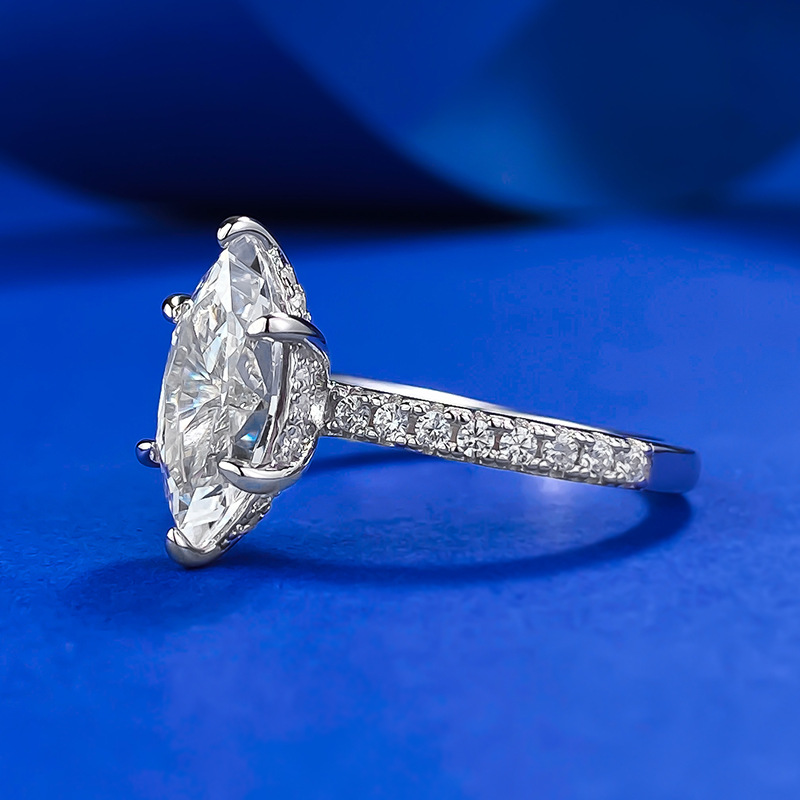
White Gold vs Platinum Ring Cost: Price, Value, and Care
Comparing white Gold vs Platinum ring cost is one of the quickest ways to narrow a ring search. The metal changes the upfront price, the feel on your hand, and the care you will need later. If you are choosing an engagement ring or wedding band, the setting matters almost as much as the center stone.
White gold usually gives you more room in the budget for a larger diamond or a more detailed setting. Platinum usually gives you more weight, a richer feel, and less routine upkeep. The price difference comes down to metal content, labor, and how the ring ages over time. In my 10 years at StoneBridge, I've seen couples light up when they realize they do not have to choose between beauty and practicality (yes, even on a budget).
White Gold vs Platinum Ring Cost: What Changes the Price?
White gold vs platinum ring cost starts with the metal itself. White gold is an alloy, usually made from yellow gold mixed with white metals, then finished with rhodium plating for a bright white surface. Platinum is naturally white and is often used in 950 purity, which means 95% platinum and 5% alloy metals.
That difference shows up fast at checkout. A 14k white gold ring contains 58.5% gold, while 18k white gold contains 75% gold. Both can look beautiful, but the higher gold content usually pushes the price up. Platinum's density also means the same design often uses more metal, which adds cost.
GIA notes that platinum is a dense precious metal that is widely used in fine settings. That matters because denser metal takes more material and more bench time. Shoppers usually notice the biggest gap on wider bands, pavE styles, and custom designs.
Metal makeup and weight
White gold vs platinum ring cost changes when the band gets wider or the setting gets more complex. A thin solitaire uses less metal, so the gap can stay modest. A heavier band or a detailed halo uses more material, and the platinum version usually climbs faster.
Here is the simple version: more metal means more cost. If a ring looks almost the same on a product photo, that does not mean the final price will be close. The actual weight and purity matter more than the photo.
Craft and finishing
Platinum often takes more time at the bench. Jewelers have to shape, polish, and finish it carefully, and that can raise labor costs. White gold is still a precious metal, but the alloy and plating process usually keep the work faster and the price lower.
Design plays a big role here. A plain band is easy to compare. A pavE ring with tiny stones, tight prongs, and a curved profile needs more hands-on work, and platinum can push the total higher. Honestly, I think this is where a lot of shoppers get the best value lesson: the ring design can matter as much as the metal.
Retail pricing and what you are really paying for
White gold vs platinum ring cost also reflects what the seller includes in the price. A strong listing usually covers more than metal. It includes the setting, stone setting, finishing, overhead, warranty support, and resizing policy.
Use that as your filter when comparing two rings. A lower tag on a white gold setting is useful only if the craftsmanship and service are comparable. If the platinum version has stronger finishing or better support, the price gap may be easier to justify. I've helped hundreds of couples choose between these two metals, and the conversation almost always comes back to value, not just price.
Diamond Specs That Change the Total Value
Metal is only one piece of the purchase. If you are buying an engagement ring, the diamond specs can overwhelm the white gold vs platinum ring cost difference very quickly. A better-cut diamond with strong light return often matters more than spending a little more on platinum, especially if the setting is simple.
When comparing center stones, look at cut, color, clarity, and carat together instead of focusing on just size. For round brilliants, cut quality usually has the biggest impact on sparkle. For elongated shapes like oval, emerald, or pear, proportions and bow-tie appearance matter too. A well-cut 1.00-carat diamond can look brighter and more balanced than a poorly proportioned 1.20-carat stone.
Certification matters as well. A diamond graded by GIA or AGS is easier to compare because the report gives you a shared language for the stone's features. For lab-grown diamonds, IGI is common, and the report should still list the important specs clearly. If a seller does not provide a reputable certificate, the price may look attractive while the true value is harder to verify.
In practical terms, a shopper working with a fixed budget may do better choosing 14k white gold and putting the savings into a higher cut grade, better color, or a more secure setting. That is often the smarter trade if your goal is visible beauty rather than metal weight.
How setting style changes the budget
The setting can change the ring's feel and the amount of metal required. A cathedral setting lifts the center stone and adds visual presence, but it may use more gold or platinum than a low-profile solitaire. A halo adds small diamonds, more prongs, and more bench time. A three-stone ring brings extra stone setting labor and can increase repair complexity later.
If you want the cleanest comparison, ask for identical specs in both metals: same band width, same head style, same side stones, same stone count, and same finish. Only then does white gold vs platinum ring cost tell you something meaningful.
White Gold vs Platinum Ring Cost at Checkout
The easiest way to compare white gold vs platinum ring cost is to look at the same design in both metals. A slim solitaire and a wide pavE band are not fair comparisons. You want the same ring style, the same band width, and the same stone layout.
Typical starting ranges help frame the decision:
- Plain 14k white gold band: often the lowest entry point
- Plain platinum band: usually higher because of metal weight and finishing time
- White gold solitaire setting: often the better value if the diamond is the priority
- Platinum solitaire setting: usually more expensive, with a heavier feel
- PavE and halo styles: both cost more, but platinum often adds the larger premium
A basic rule works well here. The more metal the ring uses, the more white gold vs platinum ring cost tends to separate. If the setting is simple, the gap may be small. If the ring is bold or detailed, the difference is easier to see.
How diamond size changes the math
A center stone can dwarf the metal cost. Once you move into a larger diamond, the setting becomes a smaller piece of the total budget. In that case, white gold vs platinum ring cost may matter less than diamond shape, cut quality, and overall style.
Lab-grown diamonds can shift that balance. If you shop our lab-grown diamonds, you may have more room to choose platinum without stretching the budget too far. That extra flexibility is one reason many buyers pair lab-grown stones with a platinum setting. I've seen this choice feel especially meaningful for proposals, because the ring ends up feeling both thoughtful and financially smart.
Sample price comparison
Here is a practical example so the numbers feel more real:
- 2 mm plain band in 14k white gold: about $350-$700
- 2 mm plain band in platinum 950: about $600-$1,100
- Simple solitaire in 14k white gold: about $500-$1,100
- Simple solitaire in platinum 950: about $850-$1,700
- Halo or pavE setting in 14k white gold: about $900-$2,500
- Halo or pavE setting in platinum 950: about $1,300-$3,400
These are planning ranges, not fixed quotes. Ring size, stone count, band width, and finishing standards can all move the final number. Still, they make white gold vs platinum ring cost easier to Compare Before You browse live listings.
Settings, Security, and Wearability
The right metal should match the setting design, not just the price tag. If you plan to wear the ring every day, think about prong strength, stone exposure, and how the profile feels in daily life. A beautiful ring that catches on sweaters or knocks too easily against surfaces can become frustrating fast.
Platinum is often favored for prong work because it is dense and resists metal loss better over time. That can be useful around larger center stones or delicate pavE sections where security matters. White gold is still a strong choice, but prongs may need more attention over the years, especially if the ring is worn constantly.
Low-profile settings tend to be more comfortable for active wearers. If you work with your hands, go to the gym often, or wear gloves, a setting that sits closer to the finger may save you from accidental snags. Halo rings look bright and substantial, but they can also make a center stone feel wider than expected. That is not a problem if you love the look, but it is worth trying on in person before you commit.
Prongs, bezels, and halos
Prong settings show more of the stone and usually feel lighter visually. They also depend heavily on the quality of the metal work. A four-prong platinum head can feel very secure, while a white gold prong head may need more maintenance over time depending on wear. Bezel settings wrap metal around the stone and can be a good option for someone who prioritizes security and a clean modern look.
Halo settings add sparkle and can make a smaller center stone look larger. They also add labor, which influences white gold vs platinum ring cost. If your budget is tight, it is worth comparing a well-cut center stone in a simpler setting against a lower-quality stone in a more ornate one. The simpler ring often wins on long-term satisfaction.
White Gold vs Platinum Ring Cost Over Time
White gold vs platinum ring cost does not stop at the register. Long-term care changes the real price of ownership. White gold often needs rhodium plating to stay bright, while platinum usually keeps its natural color without that extra step.
That means a cheaper ring can become more expensive over time if it needs repeated service. A pricier ring can feel simpler to own if upkeep stays low. If you plan to wear the ring every day, that difference matters.
Rhodium plating and white gold upkeep
White gold is often plated with rhodium because the alloy can look slightly warm without it. The plating creates that crisp, white finish most buyers expect. Over time, the finish wears down, especially on rings that hit desks, door handles, gym gear, or other hard surfaces (trust me, I've seen it happen more times than I can count).
Many jewelers suggest replating every 12 to 24 months, depending on wear. A ring worn daily may need service sooner than one worn only on weekends. That service cost belongs in the white gold vs platinum ring cost calculation, not after it.
Platinum wear, patina, and daily use
Platinum ages differently. It can develop a soft patina, which gives it a matte, lived-in look that many people like. The metal does not need rhodium plating, so there is one less maintenance step to think about.
Platinum is also a favorite for settings that need strong stone security. GIA and many bench jewelers point out that platinum is widely used for heirloom pieces for that reason. If the ring will live on your hand every day, that extra substance can make the higher white gold vs platinum ring cost feel worthwhile.
Repair and resizing
Repairs can change the total cost too. A plain white gold band is usually easier to resize than a pavE platinum ring with stones near the shank. Rings with stones all the way around are harder to alter in any metal.
Before You Buy, ask how the design affects future service. A lower white gold vs platinum ring cost today will not help much if resizing later is expensive or limited. If you expect your ring size to change, check that before you choose the metal.
Ring Size, Fit, and Long-Term Comfort
Ring size is one of the easiest details to overlook and one of the most expensive mistakes to fix later. Even a perfect diamond and the right metal can disappoint if the fit is wrong. Ask whether the ring is being sized before shipping, whether it is made to order in a specific size, and whether there are any limits on sizing after purchase.
Comfort fit bands, which have slightly rounded interiors, can feel more forgiving for daily wear. They may also slide differently than a flat inside band, so do not assume your usual size will feel identical. Wider bands often fit tighter than thin bands, so some buyers need a half size up on a 5 mm or 6 mm style. That matters whether you choose white gold or platinum.
If you are shopping for a surprise proposal, get the best estimate you can from an existing ring, a trusted friend, or a jeweler's sizing guide. If the ring will be worn alongside a wedding band, consider the stacked fit too. Two rings together can feel very different from one ring alone, and a slightly snug engagement ring can become annoying once a band is added.
What to check before ordering
Make sure the product page says whether the ring can be resized, whether the size change affects pavE or side stones, and whether there is a fee. Ask if the ring is cast to order or ready to ship, because that affects how quickly you can get it in hand. If you are comparing white gold vs platinum ring cost on custom pieces, also ask whether the center stone setting will be adjusted to your exact diamond measurements.
How to Compare Rings on StoneBridge Jewelry
White gold vs platinum ring cost is easier to judge when the product page gives you the right details. Do not compare photos alone. Compare the specs, the service terms, and the metal purity first.
Look for these details before you decide:
- 14k, 18k, or platinum 950 purity
- Band width and ring profile
- Rhodium plating notes for white gold
- Prong style and stone security details
- Resizing rules and return window
- Warranty and care guidance
A clear listing should make the price make sense. If it does not, ask questions Before You Buy. That is the best way to avoid a surprise later.
Questions worth asking before checkout
Ask yourself a few simple things. Will this ring be worn every day? Do you want the lower upfront cost or the lower upkeep? Are you comfortable with periodic plating if you choose white gold?
Your answers will point you in the right direction. If you care most about budget flexibility, white gold often wins. If you care most about long-term ease, platinum usually does.
Shipping, Returns, and Protection
Shipping and returns may not sound as important as metal choice, but they can change the real value of the purchase. A ring that ships with insurance, signature confirmation, and secure packaging is easier to shop for confidently. The same is true if the retailer gives you a clear return window and transparent exchange terms.
Before You Order, read the fine print on timing. Some rings are made to order and may take longer to ship, especially in platinum or in custom sizes. If you need the ring for a proposal date, wedding, or travel schedule, check the lead time early. Nothing complicates a ring purchase like waiting for a package that will not arrive when you need it.
Return policies matter because metal choice is personal. A ring can look perfect on paper and still feel too heavy, too bright, or too delicate once it is on the hand. If returns or exchanges are limited, try to see similar pieces in person first. If the purchase includes warranty coverage or service support, ask what is included and what costs extra. That can matter as much as the initial white gold vs platinum ring cost.
Common shipping questions
Ask whether the seller requires a signature at delivery, whether the package is insured in transit, and whether it can be held at a pickup location if needed. If the ring includes a center stone certificate, make sure that document arrives with the piece or through a secure method. For higher-value rings, this is not a small detail; it is part of protecting the purchase.
Common Mistakes Buyers Make
Most buyers make at least one avoidable mistake when comparing white gold vs platinum ring cost. The good news is that each one is easy to sidestep once you know what to look for.
One common mistake is comparing a 14k white gold ring to an 18k platinum-like white gold piece and assuming the metals are equivalent. They are not. Another is choosing platinum only because it sounds premium, without checking whether the added cost would be better spent on a stronger diamond cut or a more comfortable band profile.
A third mistake is ignoring maintenance. White gold can be a great value, but if you hate the idea of replating, the lower upfront price may not stay appealing. A fourth is forgetting about future resizing, especially on pavE or eternity styles. These rings can be gorgeous, but they are less flexible if the finger size changes.
There is also a tendency to focus on carat weight alone. A bigger diamond is not necessarily a better diamond. Strong cut, balanced proportions, and a reputable grading report usually matter more than a tiny increase in size. If you choose white gold to save money, using that savings on diamond quality often produces a better-looking ring than simply buying more carat weight.
Which Metal Fits Your Budget and Wear Style?
White gold vs platinum ring cost is really about priorities. Do you want the lowest upfront price, or do you want a ring that feels heavier and needs less routine care? The right answer depends on how you will wear it.
Best choice for budget-focused shoppers
If you want the most ring for your money, white gold is often the smarter pick. It usually leaves more room for the diamond, the setting details, or a better cut. That is one of the cleanest ways to manage white gold vs platinum ring cost without giving up style.
For many buyers, 14k white gold hits the sweet spot. It gives you a classic white look and keeps the total spend under control. If you want to browse our engagement rings, it is a strong place to start.
Best choice for everyday wear
Platinum usually wins for daily wear. It feels substantial, it does not need rhodium plating, and it keeps its color without extra finishing. For someone who will wear the ring from morning to night, that lower-maintenance setup can be worth the higher price.
Comfort counts too. Some buyers just like the weight. If that sounds like you, the white gold vs platinum ring cost gap may be easier to accept. Here's what nobody tells you: once people try both on, many make the decision in seconds.
Best choice for lab-grown diamond buyers
Lab-grown diamonds often free up budget for a better setting. If the stone already gives you strong size and sparkle for the money, platinum can become a realistic upgrade. The ring feels more complete, and the total can still stay sensible.
If that is your style, use our ring builder to compare white gold and platinum side by side. You can also explore our jewelry collection if you want to see how different metals change the look of the full piece. It is a lovely way to match the ring to the person wearing it, which matters a lot for a proposal or a wedding gift.
How to Protect Your Ring After Purchase
Once the ring is on your hand, a little care goes a long way. Remove it before cleaning, lifting weights, gardening, or handling harsh chemicals. Even durable metals can pick up wear if they are exposed to repeated knocks or abrasive surfaces. Keep the ring in a fabric-lined box or pouch when it is not being worn, and wipe it with a soft cloth after heavy use.
For white gold, plan on occasional inspection for the rhodium finish and prong wear. For platinum, check for a natural patina if you prefer a bright polish, because the surface may need refreshing over time. Regardless of metal, have the prongs and stone security examined periodically, especially if the ring is worn daily. That habit protects the diamond and keeps small issues from becoming costly repairs.
Bottom line
White gold vs platinum ring cost comes down to a clear tradeoff. White gold usually costs less up front and can free up money for the center stone or setting. Platinum usually costs more, but it gives you a heavier feel and less routine care.
Neither metal is wrong. The better choice is the one that fits your budget, your daily wear, and the look you want ten years from now. If you would like help choosing, contact our jewelry experts for one-on-one guidance Before You Buy. That kind of support can make the whole process feel a lot more personal, which is exactly how a ring purchase should feel.
Ready to Find Your Perfect Diamond?
Explore our collection of certified lab-grown diamonds
Shop Diamonds