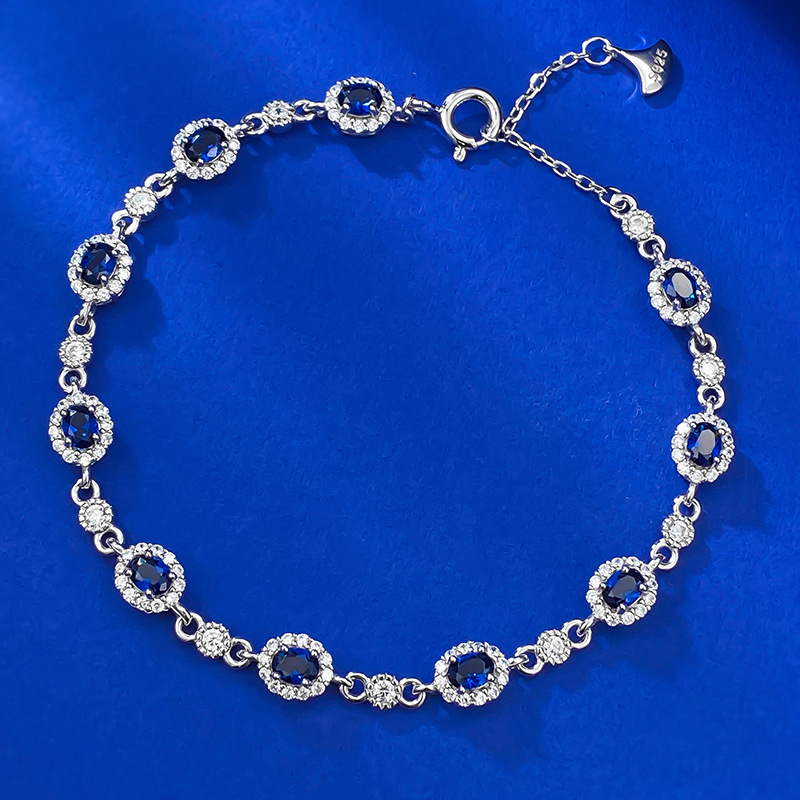
Ring Settings Comparison Online: Find the Best Fit Before You Buy
If you are doing a Ring Settings Comparison online, the setting matters as much as the diamond. It shapes the ring’s look, how much it sparkles, how safe the stone feels, and how easy the ring is to wear every day.
I’ve helped hundreds of couples compare settings before an engagement, wedding, or anniversary gift, and the same pattern keeps showing up: the “best” ring is the one that fits real life, not just a pretty photo. A solitaire puts the center stone front and center. A halo makes the diamond read larger. A bezel wraps the stone in metal for a cleaner, more protected finish. Each setting sends a different message and serves a different purpose.
The best choice depends on the diamond shape and the way the ring will be worn. GIA recommends matching the setting to both the stone and the wearer, and that advice holds up. Compare with that in mind, and the right ring becomes much easier to spot.
What to Compare in a Ring Settings Comparison Online
A ring settings comparison online works best when you compare structure, not just style. Look at security, profile height, upkeep, and the type of sparkle each design gives you.
The product page should do a lot of the work for you before you ever add the ring to cart. Side photos, close-ups, metal type, stone count, and setting height all help. A 360-degree view is even better (trust me, I’ve seen people fall in love with a ring only to realize the profile was much higher than expected).
Product page checklist
- Confirm the metal: 14k white gold, 14k yellow gold, or platinum. 14k gold is 58.3% pure gold, while platinum jewelry is often made as Pt950, or 95% platinum.
- Check the profile height: low settings usually wear more easily, while high settings create more presence.
- Count the stones: center-only, halo, pavé, side stones, or a mix.
- Read the care notes: some designs need more inspection and cleaning than others.
- Match the shape: round, oval, cushion, pear, emerald, and princess cuts all change the final look.
- Look for measurements in millimeters, not just carat weight, because the same carat can face up very differently by cut.
- Check whether the ring is made for a natural diamond, lab-grown diamond, or a center stone you already own.
If a listing gives you clear measurements and sharp profile photos, that is a good sign. If it does not, contact our jewelry team Before You Buy. That quick step can save a return later.
Diamond Specs and Certification Matter Too
A good ring settings comparison online should always include the diamond itself. The setting can change the look, but the stone quality still determines how the ring performs under light.
For natural diamonds, look for a grading report from GIA or AGS when possible. GIA is the most widely recognized benchmark for consistency, and AGS is also respected for strict cut grading. For lab-grown diamonds, many shoppers compare IGI reports because those are common in the market. The important point is to buy a ring with independent documentation, not just a seller description.
Pay attention to cut first, especially for round brilliants. A well-cut round diamond often faces up brighter than a larger stone with a weaker cut grade. For fancy shapes, proportions and symmetry matter too. If you are comparing settings online, a setting that shows more of the diamond can make cut quality easier to notice, which is one reason halo and solitaire rings are so popular.
Color and clarity should be chosen with the setting in mind. A white metal like platinum or white gold can make near-colorless diamonds look slightly brighter. Yellow gold can be forgiving on color and gives warmer stones a richer look. For clarity, many shoppers do not need to chase a flawless grade; eye-clean stones in the SI1 to VS2 range are often a practical balance when the budget is going toward the setting or a better cut.
Carat weight should be compared with millimeter spread. A 1.00 carat round diamond may look smaller or larger depending on its cut depth, and a halo can make it appear even bigger. If you are comparing two settings online, ask whether the same center stone is shown across multiple designs. That makes the visual tradeoff much easier to judge.
Ring Settings Comparison Online: Solitaire, Halo, and Pavé Compared
A ring settings comparison online usually starts with three favorites: solitaire, halo, and pavé. Each one solves a different design goal. One keeps the look clean, one adds visual size, and one turns up the sparkle.
| Setting | Look | Sparkle | Security | Maintenance | Typical Price Position |
|---|---|---|---|---|---|
| Solitaire setting | Clean and classic | Depends on the center diamond | Strong when well made | Low | Usually the most budget-friendly |
| Halo setting | Larger-looking center | Very high | Good, but small stones need care | Moderate to high | Higher than a solitaire |
| Pavé setting | Glittering band | Very high | Good if crafted well | Moderate to high | Often above a plain band |
| Three-stone setting | Center plus two side stones | High visual impact | Good | Moderate | Often strong value |
A table helps, but it does not tell the whole story. The same setting can feel very different in platinum, yellow gold, or a slimmer band. A halo may use 10 to 30 accent stones, and a pavé band can hold 20 or more tiny stones depending on the design.
It also helps to compare band width. A 1.8 mm band can make a center stone look larger than a 2.4 mm band, but the wider band may feel sturdier for daily wear. In online photos, that difference is easy to miss unless the seller includes precise measurements.
Solitaire setting
The solitaire setting is the cleanest choice in a ring settings comparison online. One center diamond. Little distraction. No extra stones pulling your eye away.
That simplicity makes it easy to style and easy to maintain. It also keeps more of the budget on the center stone, which is why many shoppers start here. If you want a timeless ring that works with almost everything, a solitaire is a smart baseline.
Solitaire rings also offer more flexibility if you want to upgrade later. A well-made solitaire can be reset with a different center stone down the road, which appeals to buyers who may start with a modest diamond and change the ring over time.
Halo setting
The halo setting places a circle of smaller diamonds around the center stone. In a ring settings comparison online, it stands out quickly because it makes the middle look larger and brighter.
The extra sparkle comes with more upkeep. You have more small stones to inspect, and the design can feel busier than a solitaire. Still, if you want a ring that looks full of light without moving up a carat size, halo deserves a close look. Honestly, I think halo is one of the best “wow factor” choices when someone wants maximum presence without going oversized.
Halo settings can be especially effective with slightly smaller center stones, such as 0.70 to 1.25 carats, because they create strong visual spread. They also work well when the center stone has excellent cut, since the halo should enhance the center, not compete with it.
Pavé setting
The pavé setting uses tiny stones set closely along the band. It is one of the most popular picks in a ring settings comparison online because it adds shine from every angle.
Pavé looks rich and detailed, especially on a slim band. The tradeoff is care. Those small stones should be checked from time to time, and the ring usually needs gentler cleaning than a plain metal shank.
If you like pavé, ask how the stones are secured. Shared-prong pavé can look airy and bright, while bead-set pavé may sit slightly lower and feel more protected. That detail matters if you are comparing two rings that seem similar in photos but are very different in construction.
Security-First Settings: Channel, Bezel, Tension, and Cathedral
A good ring settings comparison online should cover more than sparkle. Security, snag resistance, and daily comfort matter just as much, especially for a ring you plan to wear all the time.
These settings solve different problems. Some protect the stone. Some lower the profile. Some create a bold shape without adding a lot of extra stones.
Channel setting
The channel setting holds stones between two metal walls. That gives the ring a smooth edge and a clean, modern line.
It is a strong choice for everyday wear because the stones sit better protected than they do in many open settings. If you want side stones without much snag risk, channel is worth comparing early.
Channel settings are common in wedding bands and anniversary rings because they wear well and stay comfortable against neighboring rings. If you plan to stack, a channel band often slides more easily than a heavily raised pavé design.
Bezel setting
The bezel setting wraps metal around all or part of the center stone. That makes it one of the most secure choices in a ring settings comparison online.
It also has a sleek, modern feel that many buyers like. The tradeoff is a slightly less open look, since the metal covers more of the diamond. For busy hands, though, that extra protection can be a real advantage (yes, even on a budget, security can save money later).
Bezel settings can be full bezels or partial bezels. A full bezel offers the most protection, while a partial bezel exposes more of the stone and can increase brightness. If you want the modern look but still want some sparkle around the edges, that middle ground is worth considering.
Tension setting
The tension setting creates the look of a diamond floating between two sides of the ring. It is bold and modern, and it stands out right away in a ring settings comparison online.
That style depends on exact engineering. The fit has to be precise, and the ring needs to be made well from the start. If you love the look, make sure the craftsmanship is there too.
Because tension settings are so dependent on design and metal strength, they are not the best place to cut corners. Ask about resizing limitations, because some tension rings are harder to alter after purchase than standard mounts.
Cathedral setting
The cathedral setting lifts the center stone on raised arches. It adds height and a formal shape without relying on a lot of extra stones.
This style works well for shoppers who want presence and a classic profile. The higher build can snag more than a low-set ring, so it helps to check how it will feel in daily wear.
Cathedral settings often look best when the arches are balanced and the basket is cleanly finished. If the shoulders are too heavy, the ring can feel top-heavy. If they are too delicate, the setting may look fragile online even if it is structurally sound.
How the Setting Changes the Diamond's Look
A ring settings comparison online is not just about the setting itself. It is also about how the setting changes the diamond once it is on the finger.
Height, band width, and metal color all affect the final look. A narrow band can make the center stone seem larger. A wider band can make the ring feel sturdier and more grounded.
Height, coverage, and comfort
High-profile rings draw the eye and add drama. Low-profile rings sit closer to the hand and usually feel easier to wear every day.
That difference matters more than many shoppers expect. People with hands-on jobs often prefer lower settings after trying them on for a while. Why choose height if you know it will get in the way?
If the wearer types all day, lifts weights, works with children, or uses gloves often, low profile usually wins. If the ring is worn mostly for social occasions, a taller profile can be worth the extra height because it gives the stone more presence.
Light and perceived size
Open settings let more light reach the diamond, which can boost brightness. More protective styles may reduce that open feel, but they often improve peace of mind.
Halo and three-stone designs can also make the center diamond look bigger because the sparkle spreads outward. If your goal is the biggest-looking ring for the budget, the setting can matter almost as much as the carat weight.
Metal color also changes perception. White metals blend into a near-colorless diamond and can make the stone seem larger, while yellow gold creates stronger contrast and can make the diamond pop against the band. Rose gold brings warmth and can soften the overall effect.
Pricing, Materials, and Long-Term Value
Pricing is one of the biggest reasons people use a ring settings comparison online before they buy. The setting alone can change the total by hundreds or even thousands of dollars, depending on the metal, labor, and number of stones.
A simple solitaire is often the most accessible option. Halo, pavé, and tension styles usually cost more because they use more stones or require more precision. Platinum also tends to cost more than 14k gold, so material choice matters as much as style.
What drives cost
- Labor: detailed stone setting takes more time and skill.
- Metal weight: thicker bands and heavier mounts use more material.
- Stone count: halo, pavé, and three-stone settings add more diamonds.
- Craftsmanship: precision matters most in tension and fine pavé work.
- Metal choice: platinum usually costs more than 14k gold.
- Certification and stone quality: a higher-grade diamond with a reliable report will increase the total.
The smartest ring settings comparison online looks beyond the sticker price. A lower-cost setting may need more upkeep later, while a more protective bezel or channel style may hold up better in daily wear.
Metal choices and wear
14k gold is a practical choice for many buyers because it balances durability and price. 18k gold has a richer color and more gold content, but it can be a little softer than 14k. Platinum is dense, hypoallergenic for most people, and excellent for secure settings, though it usually costs more and can develop a soft patina over time.
If the wearer has sensitive skin, platinum or nickel-free gold alloys are worth asking about. If the ring will see a lot of daily abrasion, a harder alloy and a lower profile can help preserve the finish longer.
What holds up over time
Think about repairs, resizing, cleaning, and wear resistance. A ring that needs frequent checks can cost more over the years than a sturdier design that starts a little higher.
That is where total value comes in. If you wear the ring every day, a practical setting can save stress and money later. A great ring should look good on day one and still feel right five years from now.
Shipping, Returns, and Warranty Checks Before You Buy
A polished ring settings comparison online should not stop at the ring itself. The store policy matters, especially if you are buying sight unseen.
Before You Order, check whether the ring ships fully insured, how long delivery takes, and whether a signature is required on arrival. For an engagement ring, that detail matters because many packages are too valuable to leave unattended. Ask whether the ring is made to order or ready to ship, since custom builds can take longer and may not be returnable once production begins.
Returns are just as important. Look for a clear return window, not a vague promise. Many reputable jewelers offer 30 days, but the exact terms can differ for resized, engraved, or custom rings. If you need the ring by a proposal date, make sure there is enough time to inspect it, compare it in person, and exchange it if needed.
Warranty coverage should be specific. Ask what is included for prong tightening, stone loss, rhodium plating, and resizing. Some policies cover routine maintenance while others only cover manufacturing defects. If the ring uses pavé or a halo, a standing inspection policy is especially helpful because those styles have more small stones to monitor.
Ring Settings Comparison Online for Real-World Buyers
A ring settings comparison online should end with one question: will this ring fit the person who wears it? Ring size, finger shape, hand use, and lifestyle all affect the answer.
Before checkout, look at resizing limits, warranty coverage, insurance, and care support. You can also learn about ring sizing Before You Order, or browse our jewelry collection to compare more styles side by side.
Sizing, comfort, and daily wear
Low-profile designs like bezel and some channel settings often feel easier to wear. Higher designs like cathedral and some solitaire mounts can create more lift, but they may sit farther above the finger.
Comfort fit bands and band width matter too. A wide pavé band can feel richer on the hand, while a slim solitaire can feel lighter and simpler. The right answer depends on your routine as much as your taste.
Make sure you are comparing actual size, not just the “look” of a ring on a model hand. Finger proportions change how a setting reads online. A halo that looks balanced on size 6 may look much more compact or wider on another hand, which is why real measurements matter.
Care and support after purchase
Different settings ask for different care. Pavé and halo rings benefit from regular inspection because they use more small stones. Solitaires need less attention, but the prongs still need a check from time to time.
Before You Buy, ask about cleaning, warranty terms, resizing, and return windows. If you are narrowing your options, explore engagement rings, view lab-grown diamonds, or build your ring online to see how each setting changes the final look. In my 10 years at StoneBridge, I’ve found that the couples who slow down here are almost always happiest later (especially when the proposal moment is a little bigger than planned).
Common Mistakes to Avoid When Comparing Settings
One of the easiest ways to make a better purchase is to avoid the usual mistakes shoppers make during a ring settings comparison online.
First, do not compare rings only by carat weight. Two rings with the same center stone weight can look different once you factor in cut, depth, and the setting. Second, do not ignore the metal color. A ring can look bright and modern in white gold and warmer and more vintage in yellow or rose gold. Third, do not overlook the height of the ring. A beautiful high-set ring can still feel inconvenient if the wearer is active or frequently uses their hands.
Another common mistake is forgetting the wedding band. Some settings sit flush with a band, while others create a gap that needs a contoured or fitted wedding ring. If you want a clean stack, ask how the engagement ring pairs with a straight band before you order.
Finally, do not assume every online photo is proportional. Zoom in on prongs, under-gallery detail, band thickness, and stone size in relation to the finger model. The small details are often what determines whether the ring feels refined, bulky, airy, or delicate in real life.
FAQs
Which ring setting is best for everyday wear if I use my hands a lot?
For active days, bezel and channel settings are usually the safest place to start. They keep more metal around the stone and reduce snag risk, which makes them easier to live with. In a ring settings comparison online, these styles often rise to the top for people who work, travel, or move a lot. If you still want sparkle, a well-made solitaire can also work if the profile stays low.
Is a halo setting worth the higher price?
It can be, especially if you want the center stone to look larger without buying a bigger diamond. Halo settings add sparkle and make a strong first impression, but they also use more small stones and more labor. That extra detail is why halo usually costs more than a solitaire in a ring settings comparison online. If visual impact matters most, the upgrade often feels worth it.
How do I compare ring settings online for a round diamond?
Start with side photos and profile measurements, then check how the setting frames the round stone. Round brilliants tend to look bright in open styles, but halo and three-stone designs can add more face-up size. A ring settings comparison online should show you whether the band is slim, medium, or wide, because that changes the whole look. If possible, compare a 360 view before you decide.
What is the most secure diamond ring setting for active lifestyles?
Bezel is usually the strongest pick because it covers more of the diamond's edge with metal. Channel is another solid choice if you want side stones with less exposure. A well-made ring settings comparison online should also tell you whether the setting is low or high, since height affects snagging. If security is your top concern, ask for close-up photos and care notes Before You Buy.
Should I choose pavé or channel for a wedding band?
Choose pavé if you want more sparkle and a softer, more decorative look. Choose channel if you want a smoother edge and a design that feels easier to wear every day. In a ring settings comparison online, pavé usually wins on shine, while channel usually wins on practicality. If you plan to stack the band with an engagement ring, check how the two shapes sit together.
What diamond color and clarity grades work best for most settings?
For many buyers, a near-colorless grade such as G to J can look excellent once the stone is set, especially in yellow gold or rose gold. For clarity, eye-clean stones in the SI1 to VS2 range are often a sensible Place to Shop if the inclusions are not visible without magnification. A ring settings comparison online is easier when the setting and stone are chosen together, because an open solitaire shows more of the diamond than a halo or bezel does.
Shop the Setting That Fits Your Life
A strong ring settings comparison online should leave you with a short list, not more confusion. If you want timeless simplicity, start with a solitaire. If you want more sparkle, compare halo and pavé. If you want more protection, look at bezel, channel, or a carefully made cathedral design.
When you are ready, shop our engagement rings, compare loose diamonds, and try our ring builder to see how each setting changes the final piece. The right ring should Fit Your Style, your budget, and your day-to-day life, not just your screen. And if this ring is part of a proposal or wedding gift, that fit matters even more because the story behind it will outlast the shopping cart.
Ready to Find Your Perfect Diamond?
Explore our collection of certified lab-grown diamonds
Shop Diamonds