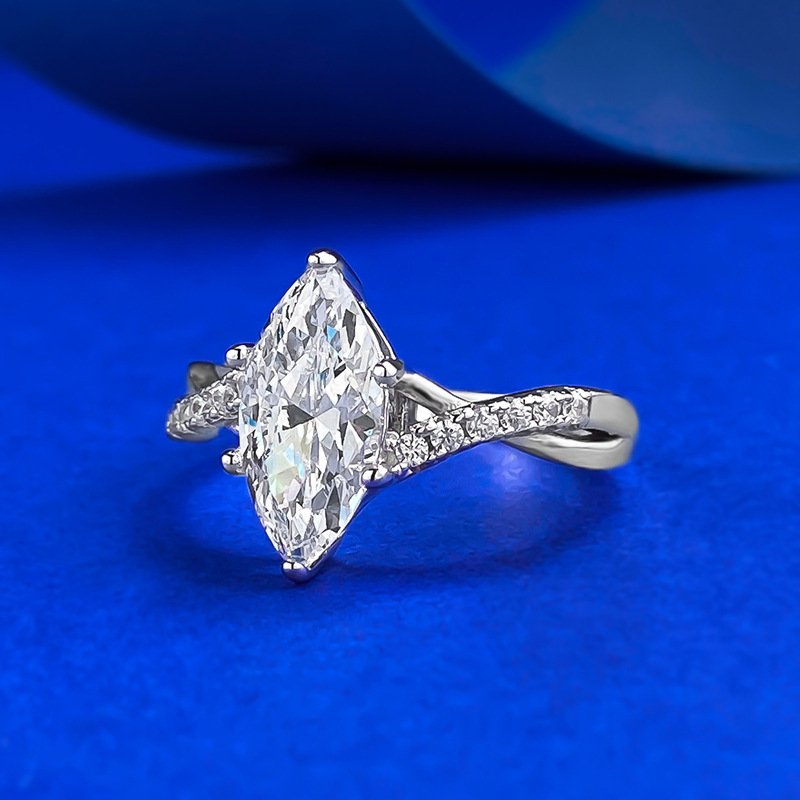
Ring Settings Comparison Online: Choose the Right Style for Your Purchase
A ring settings comparison online is the fastest way to sort style, comfort, security, and price Before You Buy. The setting changes how the center stone sits, how much sparkle you see, how often the ring snags, and how much care it may need later. If you're shopping for an engagement ring or a meaningful right-hand ring, the setting deserves as much attention as the stone.
A good ring settings comparison online also helps you read product pages with a sharper eye. Photos can make two rings look almost identical, but the specs tell a different story. Band width, metal type, prong count, profile height, and accent-stone count all shape the final look and feel. GIA also stresses that the setting should protect the stone and support daily wear, not just look pretty in a photo.
We've found that most shoppers feel more confident once they compare settings by real-life use, not just by shape name. Ask yourself a few simple questions: How often will you wear it? Do you want a low profile or a taller look? How much upkeep feels realistic? Why guess from a product image when the measurements already tell you most of what you need?
If you're still narrowing things down, you can explore our engagement rings or build your own ring after you finish this ring settings comparison online. The best choice usually gets clear once you see how each style handles sparkle, size, and everyday wear.
Ring Settings Comparison Online: What to Compare First
A smart ring settings comparison online starts with the details that affect daily life, not just the label on the listing. Some settings are built for show. Others are built for protection and easy wear. The best value is the one that fits the person, the stone, and the plan for long-term care.
Use the quick table below to compare the major setting types at a glance.
| Setting Type | Sparkle | Profile Height | Security | Maintenance | Best For |
|---|---|---|---|---|---|
| Solitaire setting | Medium | Low to medium | Good | Low | Classic style, simple look |
| Halo setting | Very high | Medium | Good | Medium to high | Bigger look, lots of sparkle |
| Pave setting | High | Low to medium | Fair to good | Medium to high | Bright bands, fine detail |
| Channel setting | Medium | Low | Very good | Low to medium | Active wear, clean edges |
| Bezel setting | Moderate | Low | Excellent | Low | Protection, modern shape |
| Three-stone setting | High | Medium | Good | Medium | Symbolic look, balanced top view |
| Tension setting | Moderate to high | Low to medium | Good with proper build | Low | Modern minimalism |
| Cathedral setting | Medium to high | Medium to high | Good | Medium | Lifted center stone, elegant height |
That table is a starting point, not the whole answer. In a real ring settings comparison online, the construction notes often matter more than the headline style name. Look closely at metal type, prong shape, head design, and whether the setting was made for a specific stone shape.
Why the Product Specs Matter More Than the Photo
A solitaire setting may look plain next to a halo setting, but the comfort and upkeep story can be very different. A thin pave band can look airy in photos and still feel sharper on the hand than you'd expect. A bezel setting may hide a little more of the stone, yet it can offer the most peace of mind for daily wear.
Two rings that look close in a thumbnail can wear very differently. That's why a ring settings comparison online works best when you compare measurements, not just style words. If a retailer doesn't list specs, ask for them Before You Buy.
Ring Settings Comparison Online: Side-by-Side Style Breakdown
A ring settings comparison online gets easier when you compare styles in small groups. The goal isn't to crown one setting as the winner. It's to match the right build to the right kind of wearer.
Solitaire Setting vs Halo Setting vs Pave Setting
A solitaire setting is the cleanest way to show off a center stone. It keeps the design simple, easy to style, and easy to clean. Many buyers like it because it feels timeless and doesn't fight with other jewelry.
A halo setting adds a border of smaller stones around the center. That frame can make the middle stone look larger and brighter. It also adds more sparkle from every angle, which is why a halo often stands out in a ring settings comparison online.
A pave setting runs tiny stones along the band for a fine, bright finish. It gives the ring a soft shimmer that photographs well and feels elegant on the hand. The tradeoff is maintenance, since small stones need more checking over time.
Channel Setting vs Bezel Setting vs Three-Stone Setting
A channel setting holds side stones between two strips of metal. That design protects the edges and keeps the band smooth. It is a strong pick for people who type a lot, travel often, or use their hands all day.
A bezel setting wraps metal around part or all of the stone. It creates a clean outline and one of the safest feels you can get in a ring. It also cuts down on snagging, which makes it a favorite in many ring settings comparison online searches.
A three-stone setting pairs the center stone with two side stones. The look has balance, width, and meaning. It can also make the ring look fuller across the finger without relying on a halo.
Tension Setting vs Cathedral Setting
A tension setting uses pressure from the band to hold the stone in place. The result feels modern and a little architectural. It can be striking, but the build has to be precise, and not every stone shape fits well.
A cathedral setting raises the center stone with arched shoulders. That lift gives the ring presence and a more formal profile. For many buyers, it lands in a nice middle ground in a Ring Settings Comparison Online: more height than a low solitaire, but less risk than a very open design.
If you want to match a setting with a diamond shape, shop our lab-grown diamonds and compare the stone and mounting together. A round stone, for example, may sit very differently from an oval or emerald cut.
Ring Settings Comparison Online: Which Style Fits Your Life?
The best ring settings comparison online is the one that matches how the ring will actually be worn. A style that looks perfect in a photo can feel wrong on a commute, at the gym, or during a long workday. Start with the routine, then choose the setting.
A simple way to narrow it down:
- Decide how often the ring will be worn.
- Think about the most common daily activities.
- Set a comfort level for height, shine, and snag risk.
- Choose whether sparkle, protection, or symbolism matters most.
- Compare the specs against those priorities.
That method works well for solitaire setting, halo setting, pave setting, channel setting, bezel setting, three-stone setting, tension setting, and cathedral setting. It also keeps you from buying a ring that asks for more upkeep than you want to manage.
Best Choices for Active Wear and Low Maintenance
For active wearers, bezel setting and channel setting styles are usually the safest bets. Both protect the stone well and sit low enough to reduce snagging. A sturdy solitaire setting can also work well if the prongs are solid and the head is secure.
Low-profile rings are often easier for typing, sports, and travel because they catch less. That small detail can make a big difference over time. A cathedral setting can still be comfortable for daily wear if the arches are moderate, but very tall rings tend to bother people who never take them off.
When you use a ring settings comparison online for active lifestyles, check for these points:
- Low to moderate profile height
- Sturdy prongs or a full bezel edge
- Smooth inner band shaping
- Fewer tiny accent stones to service later
- Compatibility with gloves, sleeves, and stackable bands
Best Choices for Maximum Sparkle and Visual Impact
If sparkle is the priority, halo setting and pave setting designs usually lead the pack. A halo setting boosts the center stone visually and picks up light from many angles. A pave setting adds brightness along the band, which makes the whole ring feel rich and detailed.
A three-stone setting can also deliver strong visual impact because it spreads brilliance across the top of the ring. It looks substantial without needing a huge center stone. That's a smart move if you want presence and meaning in the same piece.
Sparkle-first styles often ask for a little more care. Small stones should be checked now and then, and delicate prongs benefit from a professional look. If your ring settings comparison online points you toward maximum brilliance, build the maintenance into the budget from the start.
Ring Settings Comparison Online: Specs That Change Comfort and Fit
A ring settings comparison online should go beyond style names. The build details affect comfort, repair options, and whether the ring fits the stone you already own or plan to buy. Two listings can look close and still feel very different on the hand.
Metal, Band Width, and Prong Style
Pay attention to metal type first. Platinum, 14k gold, and 18k gold all wear differently and cost differently. Band width matters too. A 1.5 mm band feels slim and light, while 2.0 mm to 2.5 mm bands usually feel steadier on the finger.
Prong style changes both look and security. Claw prongs can feel sharp and modern, while rounded prongs feel softer. A bezel-like edge gives the most coverage and can help protect delicate stones better than open prongs.
Stone Shape, Gallery Height, and Future Resizing
Not every setting works with every stone shape. Round, oval, princess, emerald, and pear cuts each sit differently in the head. A bezel setting can make some shapes look compact and sleek, while a cathedral setting may give a larger stone more presence.
Future resizing matters too. Some settings are easier to alter because the head is standard and the band has room to work. Others are more custom and can limit flexibility later. If you think you may upgrade the center stone one day, ask whether the setting can handle that change and whether a wedding band will sit flush.
That question matters in a ring settings comparison online because it affects the full ownership plan, not just the first purchase. If you want help pairing a setting with a stone, browse our jewelry collection and compare the construction notes before you decide.
Ring Settings Comparison Online: Price, Value, and Ownership Costs
A ring settings comparison online should always include price, but the sticker price doesn't tell the full story. Simple settings often cost less because they use fewer materials and less labor. More detailed designs can cost more before the center stone is even added.
Typical setting-only price patterns often look like this:
- Solitaire setting: often the most budget-friendly, especially in 14k gold
- Bezel setting: often moderate, since extra metal work can add cost
- Channel setting: moderate, depending on the number and size of side stones
- Cathedral setting: moderate to higher, due to added structure
- Pave setting: higher, because of many small stones and careful labor
- Halo setting: higher, because of accent stones and detailed setting work
- Three-stone setting: moderate to higher, depending on side-stone quality
- Tension setting: often higher, because the engineering is specialized
Those ranges are not fixed. Brand name, stone size, and metal choice all change the final number. Still, the pattern holds: more detail usually means more labor, and more labor usually means more money.
Why Simple Settings Often Cost Less
A solitaire setting is usually easier to budget for because it uses fewer parts. There are fewer accent stones to source, set, and inspect. That can also lower future upkeep, which is one reason many buyers return to it after comparing styles online.
A halo setting and pave setting usually raise the price because both rely on extra stones and more precision. Tiny stones take time to place correctly, and the finished ring needs closer quality control. In a ring settings comparison online, that's often the reason two rings with the same center stone can differ so much in cost.
Where Long-Term Costs Can Change the Best Value
The cheapest ring at checkout is not always the best value over five or ten years. Pave setting styles may need more inspection, and halo setting designs can need extra care if one of the small stones loosens. Repair fees, shipping for service, and periodic cleaning all add up.
Security-focused settings can lower some of that risk. A bezel setting may reduce prong wear, and a channel setting can protect side stones better than an open design. That said, a more protective setting can still cost more if the metal is thick or the build is custom.
Insurance is part of the value picture too. A ring with clear specs, grading reports, and good photos is easier to document and replace if something happens. If you're comparing settings alongside a diamond purchase, the ring settings comparison online should sit next to the stone budget, not apart from it.
Ring Settings Comparison Online: Care, Sizing, and Protection
A ring settings comparison online should also help you think about ownership after delivery. The right size, a simple care routine, and a sensible protection plan make a real difference once the ring is on the hand. A beautiful ring can become annoying if it spins, pinches, or catches on everything.
Start with accurate sizing. Finger size can shift with temperature, time of day, and activity. Many jewelers suggest checking more than once before finalizing the order. If you want help Before You Buy, learn about ring sizing and check your fit first.
Also look at the retailer's policies:
- Resizing limits
- Return window
- Warranty coverage
- Routine inspection service
- Stone-loss coverage details
- Repair turnaround times
Those policies matter a lot with halo setting and pave setting styles, where tiny stones need more attention. They also matter with tension setting pieces, where the design leaves less room for casual alteration.
How Each Setting Affects Everyday Comfort
Comfort depends on height, band width, and edge detail. A low-profile bezel setting usually feels easy to live with because it sits close to the hand. A channel setting also tends to feel smooth, which helps for typing and daily tasks.
Higher settings can feel more noticeable during sleep, glove wear, or workouts. A cathedral setting creates presence, but if the arches are tall, the ring may catch more often. A solitaire setting can be comfortable or annoying depending on head height, so look beyond the style name and check the dimensions.
For people with active routines, the ring settings comparison online should lean toward designs that stay out of the way. In everyday wear, low rise often beats drama.
Care Routines That Protect Your Ring Over Time
Every ring needs care, but each setting type asks for something a little different. A solitaire setting usually needs simple cleaning and regular prong checks. Halo setting and pave setting pieces need closer attention because the smaller stones are more exposed to wear.
Use a soft brush, mild soap, and warm water for regular cleaning. Dry the ring carefully and avoid harsh chemicals. Schedule professional checks once or twice a year, or sooner if you notice movement, dullness, or a bent prong. That habit can help you catch small issues before they turn into bigger repairs.
Insurance is smart for higher-value rings, especially if the setting includes many stones or a custom build. A full appraisal, receipt, and quality photos make claims easier if you ever need them. That's one more reason a ring settings comparison online should include ownership planning, not just style preference.
Ring Settings Comparison Online: A Quick Buying Check
Before you place an order, run one last ring settings comparison online check. Confirm the metal, band width, prong style, gallery height, resize limits, and band compatibility. Those details shape the real wearing experience.
Our customers often start with one favorite and end up choosing another after they compare the specs side by side. A solitaire setting can win on simplicity. A halo setting can win on sparkle. A bezel setting can win on peace of mind. The right answer is the one that fits the wearer's life.
If you want a timeless look, start with a solitaire setting. If sparkle leads the list, compare halo setting and pave setting designs. If durability matters most, focus on bezel setting and channel setting options. If symbolism and balance matter, a three-stone setting may be the best fit. And if you want a more architectural look, compare tension setting and cathedral setting styles side by side.
Ready to narrow your choice? Start with our engagement ring collection, build the exact look in our ring builder, or contact our jewelry experts for help comparing styles. Inventory and custom order timelines can change quickly, so if you already know your favorite setting, it's smart to move while that option is still available. A focused ring settings comparison online makes the next step easier.
Ready to Find Your Perfect Diamond?
Explore our collection of certified lab-grown diamonds
Shop Diamonds