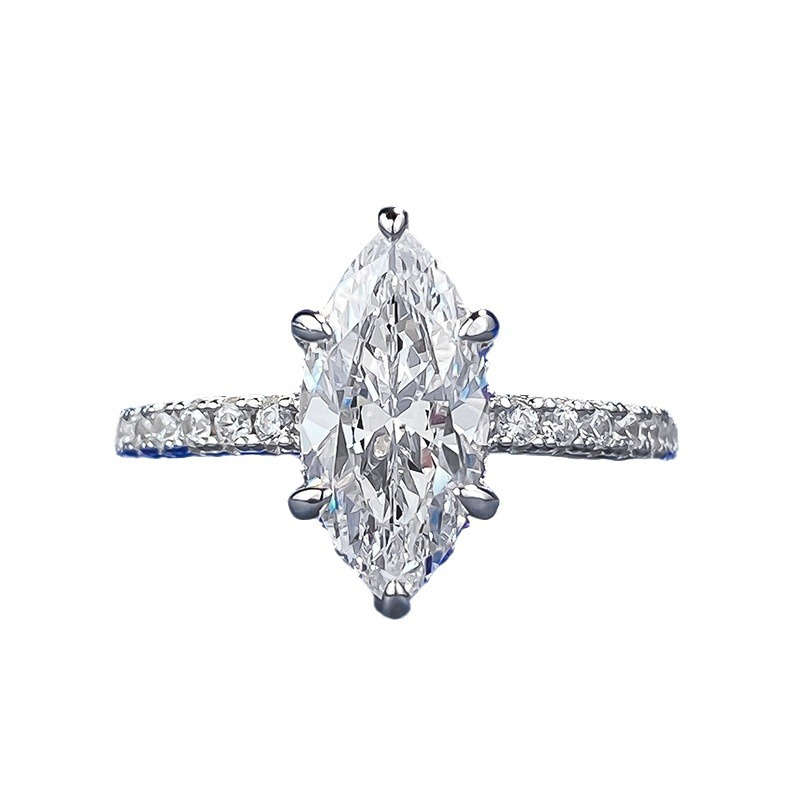
Princess Cut Engagement Ring Reviews: What to Check Before You Buy
Princess Cut Engagement Ring reviews can save you from buying a pretty photo instead of a ring you can wear every day. A princess cut looks crisp and modern, but the real test is how it sparkles, how it feels on the hand, and how well the corners are protected. One polished studio image rarely tells that full story.
I've helped hundreds of couples compare engagement rings, and the same lesson comes up again and again: the ring that looks best online is not always the ring that feels best in real life. Princess Cut Engagement Ring reviews are most useful when they mention daylight sparkle, office-light sparkle, comfort, and long-term wear. That mix tells you a lot more than a star rating alone.
Why Princess Cut Engagement Ring Reviews Matter
Princess Cut Engagement Ring reviews matter because product pages show the ring at its best. They do not show whether the setting snags on sweaters, whether the band spins, or whether the stone sits too high for daily wear. A good review fills in those blanks.
They also help you compare real-life brightness. One buyer may say a ring flashes hard in sunlight, while another notes that it looks calmer indoors. Those details matter because lighting changes how a princess cut looks from one moment to the next.
When you read several princess Cut Engagement Ring reviews together, patterns start to show. If three buyers mention secure corners and clean craftsmanship, that is useful. If several people warn about loose prongs or a weak return policy, that deserves attention.
Useful reviews usually mention:
- Sparkle in sunlight, office light, and evening light
- Corner protection and prong security
- Comfort during typing, lifting, or daily errands
- Face-up size and how large the stone looks
- Return windows, resizing, and service after the sale
What Makes a Princess Cut Diamond Different
A Princess Cut Diamond is square or slightly rectangular, with pointed corners and a bright, faceted top. The look feels sharp and modern, which is why so many shoppers compare Princess Cut Engagement Ring reviews before they decide. It gives you a clean shape without giving up much fire.
The cut itself matters a lot. GIA notes that fancy shapes like princess cuts are judged by proportions, symmetry, polish, and light performance rather than one simple overall cut grade. That means two diamonds with the same carat weight can still look very different.
A well-proportioned 1.00-carat princess cut often measures about 5.4 mm to 5.8 mm across. A deeper stone can hide weight and look smaller on the finger, even if the label says the same carat weight. Those few tenths of a millimeter change how the ring reads in real life.
Sparkle, Shape, and Face-Up Size
Princess cuts can throw bright, crisp flashes, but not every stone behaves the same way. Some look lively and sharp. Others look flat if the proportions are off.
Princess cut engagement ring reviews help separate those two experiences. Look for words like bright, lively, crisp, and balanced. Those clues usually point to a stone that performs well beyond the showroom.
Face-up size matters too. Two 1.00-carat stones can look different if one carries more weight below the surface. If a review includes side photos or video, use them to judge how the ring actually sits on the hand.
How Princess Cuts Compare With Other Shapes
Princess cuts are not the only square option. Comparing them with other shapes can make review language easier to read.
- Princess cut: sharp outline, bright flashes, modern feel
- Round brilliant: classic shape, broad sparkle, timeless look
- Cushion cut: softer corners, romantic shape, gentler glow
- Emerald cut: long lines, mirror-like flashes, cleaner clarity focus
Honestly, I think the princess cut is one of the best picks for someone who wants a bold shape without losing that lively sparkle. If you want a softer edge, a cushion may feel better. Princess cut engagement ring reviews work best alongside your style preference, not apart from it.
Diamond Specs Worth Comparing
Once you have a short list, compare the actual diamond details, not just the headline carat weight. For princess cuts, measurements and proportions often tell you more than the number on the certificate. A 0.90-carat stone with a strong spread can look very close in size to a 1.00-carat stone that carries extra depth.
Depth percentage, table percentage, and length-to-width ratio are worth checking. A square princess cut often looks best when the ratio stays close to 1.00:1.00, though some buyers prefer a slightly rectangular outline. If the stone looks noticeably narrow or overly deep, ask for images from the top and side Before You Buy.
Clarity deserves careful attention because princess cuts can show inclusions in the center, where the faceting pattern is strongest. Many buyers can comfortably choose VS2 or even SI1 if the inclusion is small and not visible without magnification. Color often looks best in the near-colorless range, especially if you want a bright white look in platinum or white gold.
Certification matters just as much. A diamond graded by GIA or IGI gives you a report you can compare across sellers. If a seller does not provide a reliable lab report, or if the report is missing the exact measurements and clarity map, treat that as a warning sign rather than a bargain.
Cut Quality and the Right Paperwork
Because princess cuts are fancy shapes, the certificate will not tell the whole sparkle story on its own. Still, the paperwork should confirm the basics: carat weight, measurements, color, clarity, polish, symmetry, fluorescence, and any comments about treatments or fractures. If the seller offers a diamond plot or a video, use it.
Fluorescence is usually a minor factor, but it can matter if you are comparing similar stones. Faint to medium fluorescence is often not a problem and can sometimes help a slightly warmer diamond look whiter. Strong fluorescence is worth reviewing more carefully, especially if the diamond looks hazy in the video or on a sunny day.
Metal Choices and Price Ranges
The metal you choose changes both the look and the price of the ring. Platinum is durable and naturally white, which makes it a strong pairing for a princess cut with a bright color grade. White gold offers a similar look at a lower price, though it usually needs rhodium plating over time to keep its finish bright.
Yellow gold can make a princess cut feel warmer and more classic. It also hides slight warmth in the diamond more easily, which can help you stretch your budget. Rose gold gives the ring a softer, romantic tone and can be a smart choice if you want something less expected than the usual white metal.
In terms of price, princess cut engagement rings vary widely based on the center stone, setting style, and metal. A simple lab-grown diamond ring may start in the low thousands, while a natural diamond ring with stronger specs can climb much higher. Side stones, halos, pavé bands, and platinum settings all add cost, so compare the full finished ring rather than only the center diamond.
If you are trying to balance budget and appearance, decide where the money matters most. Some buyers prioritize a better center stone and keep the setting simple. Others want a more detailed setting and choose a slightly smaller diamond. Both approaches can work well if the ring is built securely.
What Affects the Final Price
The four biggest price drivers are diamond quality, metal type, setting complexity, and brand markup. A tightly made halo or cathedral setting will cost more than a clean solitaire. Platinum usually costs more than gold, and hand-finished details can push the total higher.
Insurance is worth factoring in too. If you buy an expensive ring, ask your insurer how the replacement value will be documented and whether the policy covers loss, theft, and accidental damage. That practical cost is easy to overlook when you are focused on the purchase price alone.
How to Read Princess Cut Engagement Ring Reviews
Start with the details, not the star count. A five-star review can still hide weak prongs, awkward height, or slow service. Read for specifics about the stone, the setting, and the buying experience.
Verified-buyer reviews carry more weight because they usually include real ownership details. Reviews with photos or short videos are the easiest to trust. They show how the ring looks in normal life, not just in a polished product shot.
Pay extra attention to repeat themes. If several princess cut engagement ring reviews mention the same strength, that is a good sign. If several mention the same flaw, believe them.
What Review Details Matter Most
Corner protection should be near the top of your list. Princess cuts have pointed corners, and those points need safe coverage. If buyers mention exposed tips or snagging, treat that as a real warning.
Comfort matters too. A ring can look beautiful and still feel bulky if the setting rides too high. Reviews that mention typing, sleeping, or wearing the ring all day are especially useful.
Photos help you judge more than sparkle. They show prong placement, halo balance, and whether the ring looks delicate or heavy. When princess cut engagement ring reviews include daylight and indoor shots, you get a much clearer picture.
Red Flags That Deserve Caution
Skip over reviews that say almost nothing. A line like perfect ring does not tell you much. The same goes for exaggerated praise that never mentions comfort, fit, or craftsmanship.
Watch for repeated complaints about chipped corners, weak prongs, resizing trouble, or slow replies from the seller. Those issues rarely appear by chance. When the same problem shows up more than once, it usually points to a real weakness.
I have seen shoppers ignore that kind of pattern because they fell in love with the photo, and trust me, I've seen it happen. A few extra minutes spent reading carefully can save a lot of heartache later, especially for a ring tied to such a meaningful proposal moment.
Setting Styles, Sizing, and Fit
The setting is not just a design choice. It changes how secure the diamond is, how large it looks, and how comfortable it feels. For princess cuts, the best settings usually give the corners room to breathe while still holding them firmly.
Prong settings are the most common, and many buyers like them because they let in more light. Four-prong or V-prong corner protection can work well, especially if the prongs are substantial enough to cover the pointed edges. Bezel settings wrap metal around more of the diamond and offer excellent security, though they reduce some of the open, airy look.
Halo settings make the center appear larger and can add sparkle, but they also introduce more small stones that need maintenance. Pavé bands create a bright, finished look, yet they can feel less practical if you use your hands constantly. A plain band is often the easiest to live with and can make the center diamond stand out more clearly.
Sizing matters just as much. A ring that is even slightly loose can twist and expose the corners to knocks. If you are between sizes, ask how the ring is designed to resize. Some settings, especially those with pavé or delicate side detailing, are harder to alter cleanly.
Choosing the Right Size the First Time
Finger size can change with heat, travel, and time of day, so measure more than once if you can. Try on rings in a similar width and metal, because a wide band can feel tighter than a slim one. If the ring is a surprise, use an existing ring from the same finger as a reference, but confirm the shape and width before assuming the size will match.
If you expect to resize later, ask how many sizes the seller recommends changing without affecting structure. That question is especially important for princess cut engagement ring reviews because a loose fit can lead to extra wear on the prongs and corners.
A Simple Way to Compare Reviews Before You Buy
Use a short checklist so you do not get lost in the details. First, set your budget and metal choice. Then compare the diamond report, the measurements, and the setting style.
After that, read the reviews with a jeweler's eye. Look for sparkle in different light, corner security, comfort, and service after the sale. If you need help with fit, use our ring size guide Before You Order.
A helpful order looks like this:
- Pick your budget and preferred metal.
- Decide how much corner protection you want.
- Check the diamond report and measurements.
- Read verified princess cut engagement ring reviews with photos.
- Review the return window, warranty, and resizing rules.
Policy details matter because a ring is a long-term purchase. A strong return window gives you breathing room if the ring feels wrong in person. Warranty coverage and resizing support can save a lot of stress later.
Questions to Ask Before You Buy
Ask the seller how the corners are protected. Ask whether the ring can be resized without weakening the setting. Ask how often prongs should be checked, especially if you wear the ring daily.
Also ask what happens if a stone loosens. Clear answers show the seller knows the product. If the answers stay vague, keep shopping.
Shipping, Returns, and After-Sale Care
Shipping and returns are not small details. They are part of the purchase decision, especially if you are buying online and cannot examine the ring in person first. Look for insured shipping, tracking, signature confirmation, and clear delivery timelines. If the seller is vague about transit insurance, that is worth questioning before you place the order.
Returns should be written in plain language. Check whether the return window starts on the ship date or the delivery date, whether custom rings are final sale, and whether resizing or engraving changes the return eligibility. Some sellers also charge restocking fees or require the ring to come back unworn, so read that policy Before You Buy.
After the sale, ask about inspection intervals and maintenance. Prongs on any engagement ring should be checked periodically, especially on a princess cut where the corners need steady support. If the seller offers annual cleaning, prong tightening, or a warranty that covers manufacturing issues, that support adds real value.
How Care Affects Longevity
Daily care is simple but important. Remove the ring before heavy lifting, gym workouts, gardening, or cleaning with harsh chemicals. Store it in a fabric-lined box or pouch when you are not wearing it so the corners do not rub against harder jewelry.
Cleaning should be gentle. Warm water, mild soap, and a soft brush are usually enough for routine upkeep. Avoid abrasive cleaners, and have the ring inspected professionally if you notice the stone spinning, a prong catching, or any change in alignment. Those small checks can prevent expensive repairs later.
Common Mistakes Shoppers Make
One common mistake is choosing by carat weight alone. Two stones with the same number can look very different on the hand. A deeper stone may hide weight, while a well-spread one can look bigger than expected.
Another mistake is treating princess cut engagement ring reviews like a popularity contest. A ring can score well for shipping speed and still have weak prongs. Read for wear, not just praise.
Lifestyle matters too. If you use your hands a lot, corner protection becomes more important. If you want low-maintenance jewelry, a sturdy setting should rank higher than a trendier look.
Here is what nobody tells you: the ring that survives daily life is usually the one that feels almost boring in the best way. It sits comfortably, stays secure, and lets the moment matter more than the maintenance (yes, even on a budget).
Mistaking Size for Sparkle
A larger-looking ring is not always the brighter one. Some diamonds look big because of a halo or a wide spread, not because the center stone is cut well. A crisp, lively princess cut often outperforms a bigger but sleepy stone.
That is why the language in princess cut engagement ring reviews matters. Words like bright, lively, crisp, and balanced usually mean more than simple size claims. If a review says the ring looks bigger than expected, check whether the setting did the work or the diamond did.
Princess Cut Engagement Ring Reviews FAQ
Are princess cut engagement rings good for everyday wear?
Yes, as long as the corners are protected and the setting sits securely. Princess cut engagement ring reviews that mention comfort, snagging, and prong security are the most helpful here. If you wear jewelry every day, choose a lower-profile setting with solid corner coverage. Regular checkups also help keep the ring in good shape.
What should I look for in princess cut engagement ring reviews?
Look for comments about sparkle in different lighting, corner protection, and how the ring feels after long wear. Photos and videos are especially useful because they show the ring outside the studio. Repeated notes about sizing, prongs, or service can tell you more than a single glowing review.
Do princess cut diamonds look smaller than round diamonds?
They can, especially if the cut is deep or the spread is limited. A round brilliant and a princess cut use light differently, so the same carat weight may not look the same on the hand. Princess cut engagement ring reviews that include measurements or side photos help a lot here. A well-cut princess stone can still look bold and bright.
What is the best setting for a princess cut engagement ring?
A secure prong setting with corner protection is a strong choice for many buyers. Bezel and halo styles can also work well, depending on how much protection and presence you want. The best princess cut engagement ring reviews often mention whether the setting feels sturdy over time. If you live actively, a lower-profile design may be the easier pick.
How do I know if a princess cut engagement ring is high quality?
Look for strong light return, clean proportions, and a setting that protects the corners. A GIA or IGI report helps confirm the diamond's details, and consistent buyer praise can back that up. High-quality princess cut engagement ring reviews usually mention brilliance, comfort, and craftsmanship together. A fair return policy and warranty are good signs too.
Should I choose natural or lab-grown for a princess cut?
Both can be excellent choices. Lab-grown diamonds often let you buy a larger or higher-grade stone for the same budget, while natural diamonds may carry more traditional appeal and resale considerations. The right choice depends on whether you value size, origin, and budget flexibility more than long-term market preference. Read the same quality factors either way: measurements, cut behavior, setting security, and certification.
How much should I budget for a good princess cut ring?
There is no single right number, but most buyers should budget for the complete ring, not just the center stone. A simple lab-grown princess cut ring may be relatively affordable, while a natural diamond version with stronger color, clarity, and a more intricate setting can cost considerably more. Keep a little room in the budget for insurance, resizing, and future maintenance.
Final Takeaway
Princess cut engagement ring reviews are most useful when they help you see past the photo and into real life. Sparkle, corner security, comfort, certification, metal choice, and the seller's return policy all matter. If a ring checks those boxes, you're far more likely to love it long term.
Use reviews with the report, the setting details, and the return policy. That simple mix cuts down on guesswork. For more styles, browse our jewelry collection or explore engagement rings. If you want more context before you choose, read more on our blog or contact our jewelry experts.
Ready to Find Your Perfect Diamond?
Explore our collection of certified lab-grown diamonds
Shop Diamonds