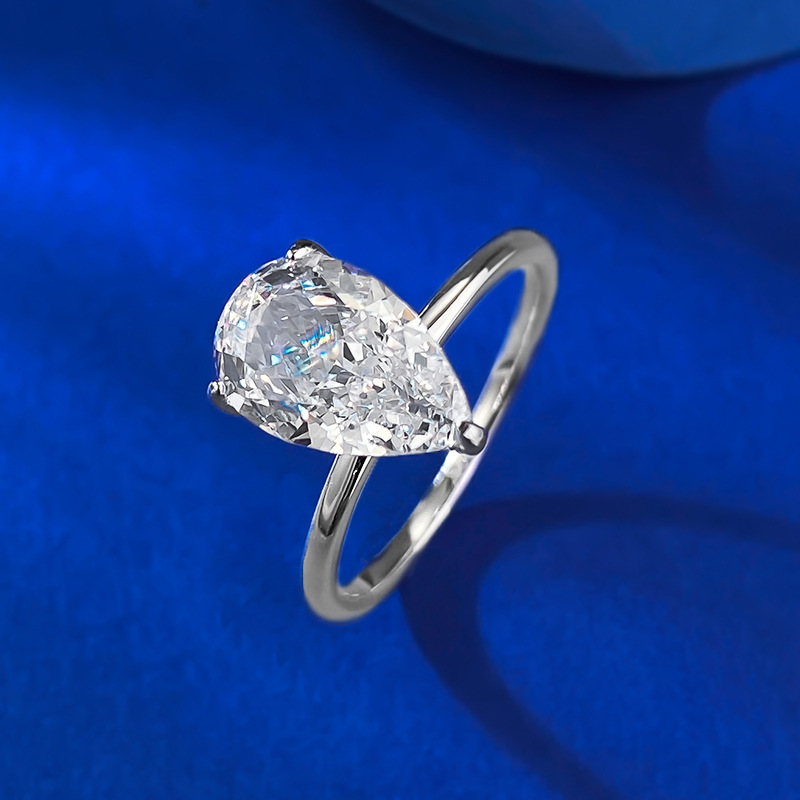
Wedding Bands for Stackable Bridal Sets: How to Choose a Cohesive Look
Choosing wedding bands for stackable bridal sets is about more than finding a pretty ring. The right wedding band shapes the entire look of your ring stack, affects daily comfort, and leaves room for future layers like an anniversary ring. For shoppers comparing metals, profiles, and stone settings, the best result is a bridal set that feels balanced from every angle.
A stackable bridal set usually combines an engagement ring, a wedding ring, and one or more coordinating bands. That gives you more styling freedom than a single-ring pairing, but it also means every detail matters. Metal color, width, curvature, and setting height all affect how well the rings sit together on the hand. If you want a set that looks polished and feels easy to wear, it helps to understand how each part of the stack works.
This guide breaks down how wedding bands for stackable bridal sets are chosen, why certain combinations work so well, and how to build a look that still makes sense years later.
Wedding Bands for Stackable Bridal Sets: How to Build a Cohesive Look
The appeal of stackable bridal sets keeps growing because they offer both style and flexibility. Many couples want a wedding band that complements the engagement ring without overpowering it, and stackable designs make that possible. A well-chosen band can create a seamless frame around the center stone, add sparkle, or bring contrast with a different metal finish.
The visual goal is simple: the wedding ring, engagement ring, and any extra bands should feel intentional together. The comfort goal matters just as much. A stack that catches on clothing, sits too high, or presses awkwardly against the finger can become frustrating fast. That’s why shoppers comparing wedding bands for stackable bridal sets should look closely at profile, width, setting style, and daily wear habits before making a final choice.
There’s also a long-term benefit. Stackable sets give wearers room to add meaningful pieces over time, whether that’s a second matching band or an anniversary ring. For many buyers, that flexibility is part of the charm.
Why Stackable Bridal Sets Work: Style, Meaning, and Everyday Wear
Stackable bridal sets combine symbolism with versatility. They honor the tradition of a marriage band while giving the wearer more ways to personalize the look. Some people prefer a classic pairing, while others want couple rings that can evolve over time. Either way, wedding bands for stackable bridal sets solve a common shopper problem: how to make a ring stack feel complete without locking it into only one style.
Jewelers often recommend stackable options because they let the wearer balance visual weight, comfort, and future planning. Industry resources from the GIA and other gemological authorities consistently emphasize that ring construction, stone security, and wearability matter as much as appearance. That advice fits stackable bridal styling especially well, because each new layer changes the feel of the full set.
Stackability also works emotionally. A simple wedding ring can mark the day of marriage. A later anniversary ring can mark a milestone. Matching bands can reflect unity without requiring identical styling. The result is a set that feels personal and grows with the relationship.
From Traditional Wedding Ring to Layered Bridal Stack
Traditionally, many couples chose a single wedding ring to wear with the engagement ring. The modern bridal stack adds more choice. Instead of one band doing all the work, the stack can include a sleek metal band, a diamond band, and later an anniversary ring.
That layered approach has practical advantages. A stackable format lets you add height, sparkle, or contrast without replacing the original wedding ring. It also makes it easier to adapt the set if tastes change. A minimal band can anchor the stack now, then a second band can be added later for symmetry or added presence.
Why Matching Bands and Coordinated Metals Matter
Matching bands create visual calm. When the width, curvature, and finish align, the set reads as one cohesive design rather than several separate rings. That polish is especially helpful if you want the bridal set to feel refined instead of busy.
Matching doesn’t have to mean identical. A white gold wedding ring paired with a platinum engagement ring can still look coordinated. A rose gold band can also work beautifully beside a mixed-metal setting if the contrast is intentional. The key is to repeat at least one design element, such as finish, shape, or stone style, so the stack still feels connected.
Key Elements to Consider Before Choosing a Band
Before you choose wedding bands for stackable bridal sets, focus on the parts that most affect the final fit. The band’s shape, width, metal, and setting all influence how the set wears day to day. A pretty ring that doesn’t sit well beside the engagement ring usually won’t feel right for long.
Here are the four biggest decision points to review:
- How the band shape interacts with the engagement ring.
- Whether the width feels proportional to your center stone.
- How the metal color works with the rest of the set.
- Whether the setting is low-profile enough for comfortable wear.
A jeweler can help you compare specific combinations, but you can narrow the field quickly by understanding the basics.
Band Profile, Width, and Ring Shape
The profile is one of the first things to evaluate. Straight bands offer a clean, classic line. Curved bands and contoured bands hug the engagement ring more closely, which helps when the center stone sits low or the setting has a prominent basket. Chevron shapes create a pointed visual line that can be striking in a stackable set.
Width matters too. A narrow band often makes the Engagement Ring Look larger by comparison, while a wider band can create a stronger, more grounded look. For petite hands, a delicate band may feel more comfortable. For larger center stones or bolder settings, a wider wedding band may balance the look better.
Ring shape also affects how the band fits flush. If your engagement ring has a raised center stone, you may not need a contoured band. If the stone sits lower, a curved or custom-fit design may be the better solution.
Metal Choices and Color Coordination
Metal color changes the entire mood of the set. Platinum and white gold create a cool, bright look that pairs well with diamonds. Yellow gold brings warmth and a more traditional feel. Rose gold adds softness and a modern romantic edge.
Mixed-metal styling has become more common, and it can look elegant if handled carefully. A matching band in a different metal can create dimension, while still keeping the stack balanced. Just make sure the design has a clear point of coordination, such as repeated stone sizes or similar finishes.
For many shoppers, matching the metals exactly feels easiest. For others, contrast adds personality. Neither option is wrong. What matters is whether the overall set still feels intentional.
Stone Setting Styles for a Stackable Look
The setting style affects both sparkle and practicality. A pavé band gives a fine-line shimmer that stacks beautifully beside a detailed engagement ring. A channel-set design protects the stones and offers a smoother edge. Bezel settings create a modern, secure look with less exposed metal movement. Prong settings can maximize light return, especially in an eternity band.
Low-profile settings are usually friendlier for everyday wear. They reduce snagging and keep the rings aligned more easily. That matters if you wear your rings while typing, commuting, or handling daily tasks.
For durability, ask about stone security, prong thickness, and maintenance needs. Thin pavé bands can be lovely, but they may need inspection more often than solid metal rings. If you want a stackable bridal set to last, build it with wear patterns in mind.
| Band Style | Best For | Visual Effect | Wear Consideration |
|---|---|---|---|
| Straight band | Classic sets | Clean and minimal | Easy to pair, may not sit flush with low settings |
| Curved band | Raised center stones | Soft, tailored look | Good alignment with many engagement rings |
| Pavé band | Extra sparkle | Bright, refined shimmer | Needs regular inspection |
| Channel-set band | Active daily wear | Sleek and secure | Smooth edges, durable feel |
| Eternity band | High-impact stacks | Full-circle brilliance | Beautiful, but may feel less flexible in stacking |
How to Choose the Right Wedding Band for Your Bridal Set
The smartest way to choose wedding bands for stackable bridal sets is to build the decision in stages. Start with the engagement ring, then select the wedding band that works with it, not against it. After that, think about whether you want room for future layers. This approach keeps the set wearable and helps you avoid expensive mismatches.
If you’re comparing options online, use clear photos and measurements. Look at band width in millimeters, stone size in carats, and setting height in millimeters if the product details are available. Those specs matter more than broad style labels. A 2 mm band and a 4 mm band may sound similar in a product title, but they wear very differently on the hand.
Step 1: Start With the Engagement Ring
Begin with the engagement ring’s shape, center stone, and setting height. A round solitaire behaves differently from an oval halo or emerald-cut center with side stones. The architecture of the ring determines how the wedding band will sit beside it.
If the engagement ring sits high, a straight wedding ring may fit nicely. If the ring has a low-profile setting, a contoured or curved band may be necessary. The goal is to make the two rings look like they belong together.
Step 2: Decide the Core Wedding Band Style
From there, decide whether you want a simple metal band, a diamond-accented band, or an eternity band. A plain band keeps the stack elegant and versatile. A diamond band adds sparkle without fully competing with the center stone. An eternity band creates a continuous line of brilliance and can work well in a bridal set that leans glamorous.
Choose a style that works both with the engagement ring and on its own. That flexibility makes the ring more useful over time, especially if you want to wear it separately for travel or daily simplicity.
Step 3: Plan for Future Additions
A smart stackable set leaves room for growth. If you think you may add an anniversary ring later, avoid choosing a wedding band that feels oversized in the stack. Multiple layers can look beautiful, but they need breathing room.
Some buyers prefer to build the full bridal set gradually. That’s a good strategy if you want to keep options open for future matching bands or a milestone upgrade. It also makes it easier to evolve the look without replacing the original rings.
Step 4: Test Comfort and Daily Function
Wear matters. Try the engagement ring and wedding band together for at least a few minutes, then move your hand naturally. Open and close your fist. Type if possible. Comfort across the knuckle and along the finger should matter as much as the visual match.
If the stack feels heavy, spins too much, or rubs against the neighboring fingers, adjust the width or profile. A beautiful set that feels awkward won’t be enjoyable for long.
Popular Stackable Bridal Set Combinations
Some pairings work especially well because they solve common style problems. If you want wedding bands for stackable bridal sets that feel easy to wear, common combinations can be a useful starting point. They also make it easier to compare your own preferences against proven styles.
Here are three widely chosen directions:
- Minimal and classic: solitaire plus slim band.
- Bright and coordinated: halo or pavé ring plus eternity band.
- Modern and dimensional: mixed-metal or dual-band stack.
These combinations are popular because they balance beauty with wearability.
Classic Solitaire With a Slim Wedding Band
A Solitaire Engagement Ring paired with a slim wedding band is one of the most timeless looks in bridal jewelry. The center stone stays the focus, and the band acts as a quiet frame.
This combination is versatile. It works with many outfits, adapts well to changing tastes, and leaves plenty of room for an anniversary ring later. If you want a low-maintenance stack, this is one of the safest choices.
Halo or Pavé Center With an Eternity Band
A diamond-forward engagement ring pairs beautifully with a sparkling wedding band, especially when both pieces share similar stone intensity. A halo setting or pavé engagement ring already has visual energy, so the wedding ring should enhance the look without making it feel overloaded.
An eternity band can be a strong match here, especially if the center ring has enough height to allow the two to sit smoothly. Since this pairing includes more diamonds, regular care matters. Check prongs, inspect for loose stones, and clean the set gently to keep the sparkle even.
Modern Mixed-Metal or Dual-Band Stack
Mixed-metal stacks feel fresh and custom. A yellow gold wedding band beside a White Gold Engagement ring, for example, can create depth and movement. Dual-band looks also appeal to shoppers who want a more styled bridal set rather than a single matched pair.
This approach works best when the design has a clear anchor. Maybe the metals contrast, but the widths are similar. Or perhaps one band is plain while the other has diamonds. Either way, intentionality keeps the look cohesive.
Custom layering also appeals to couples looking for couple rings that feel personal rather than preset. A coordinated set doesn’t have to be identical to be meaningful.
Styling and Practical Tips for a Balanced Stack
A balanced bridal stack depends on proportion, symmetry, and care. The most attractive wedding bands for stackable bridal sets usually follow the same principle: keep one thing dominant and let the other rings support it. If every ring is bold, the stack can start to feel crowded.
Use these styling rules as a quick guide:
- Let the engagement ring lead the design.
- Use the wedding band to add support, not competition.
- Keep the stack proportional to the hand.
- Leave enough space for future rings if needed.
These basics can save time and reduce regret later.
Keep Proportions in Mind
Width, sparkle, and negative space all affect the final look. A petite hand may feel overwhelmed by a thick stack or multiple wide bands. A delicate center stone can disappear if the surrounding rings are too strong.
Height matters too. Rings that sit at different levels can feel mismatched, even if the designs are attractive individually. Try to compare the stack from the side, not just from above.
Coordinate for Symmetry or Intentional Contrast
A symmetrical stack feels neat and polished. Two matching bands can frame the engagement ring and create a very balanced profile. This approach is especially appealing if you want a classic bridal look.
Intentional contrast can work just as well. A simple band beside a detailed band creates movement and gives the set more personality. The key is to keep one element visually quiet so the stack doesn’t become crowded.
Care, Cleaning, and Long-Term Maintenance
Stackable rings deserve regular inspection. Prongs can loosen, pavé settings can wear down, and polished metals can show scratches. A jeweler can check the ring security, polish the finish, and advise on resizing if finger size changes over time.
For everyday cleaning, use mild soap, warm water, and a soft brush. Dry carefully with a lint-free cloth. For high-value or diamond-heavy sets, consider professional cleaning periodically, especially if the rings include an eternity band or delicate setting details.
Common Mistakes to Avoid When Buying Stackable Wedding Bands
The most common mistake is choosing a band that looks good alone but awkward with the engagement ring. Another is ignoring width and height until after the purchase. A third is assuming every ring can be resized or adjusted easily, which isn’t always true.
Watch out for these issues:
- A band that sits too high or too low beside the center ring.
- Metals that clash without a deliberate design plan.
- Stone settings that snag or feel uncomfortable.
- Narrow bands that look too small beside a large center stone.
- Buying without checking how the rings feel together in daily motion.
A stackable bridal set should feel beautiful and practical. If either part is missing, keep looking.
Frequently Asked Questions About Stackable Bridal Sets
How do I choose a wedding band that fits a stackable bridal set?
Start by matching the band shape to your engagement ring, then narrow down width, metal color, and setting style. The best choice should sit comfortably, complement the center ring, and leave room for future additions if you plan to layer an anniversary ring later. It also helps to check the stack from multiple angles, including side view and profile height.
Can I wear an eternity band with an engagement ring?
Yes, an eternity band can pair beautifully with an engagement ring if the profiles align well and the stack feels comfortable. It is especially effective when the center ring is low-profile or has enough height to allow a smooth fit. Just remember that an eternity band often has more exposed stones, so maintenance matters.
What wedding band works best with a solitaire engagement ring?
A slim metal band, pavé band, or gently contoured wedding ring usually works well with a solitaire. The right choice depends on whether you want a clean classic look or a more diamond-forward bridal set. If you want the solitaire to stay the focal point, a narrow band is usually the most balanced option.
Should wedding bands match exactly in a bridal set?
Not necessarily. Matching bands create a cohesive and traditional look, but intentional contrast can feel more modern and personal as long as the proportions and metals still coordinate well. Many shoppers prefer a similar finish or width rather than an exact duplicate.
How many rings can I stack in a bridal set?
There is no fixed rule, but most stacks work best when the rings feel balanced and wearable for daily life. Many shoppers start with a wedding ring and engagement ring, then add an anniversary ring or second matching band over time. The best number is the one that still feels comfortable and visually coherent.
Conclusion: Choosing a Wedding Band That Grows With Your Story
The best wedding bands for stackable bridal sets do more than complete a look. They support the engagement ring, fit comfortably, and leave room for future meaning. If you focus on profile, metal, width, and setting style, you can build a stack that feels thoughtful now and still makes sense later.
A strong bridal set should match your routine as well as your taste. It should feel polished, durable, and easy to wear every day. If you’re still comparing styles, explore our engagement rings, browse our jewelry collection, or try our ring builder to see how different bands stack together. You can also learn about ring sizing before making your final choice.
Ready to Find Your Perfect Diamond?
Explore our collection of certified lab-grown diamonds
Shop Diamonds