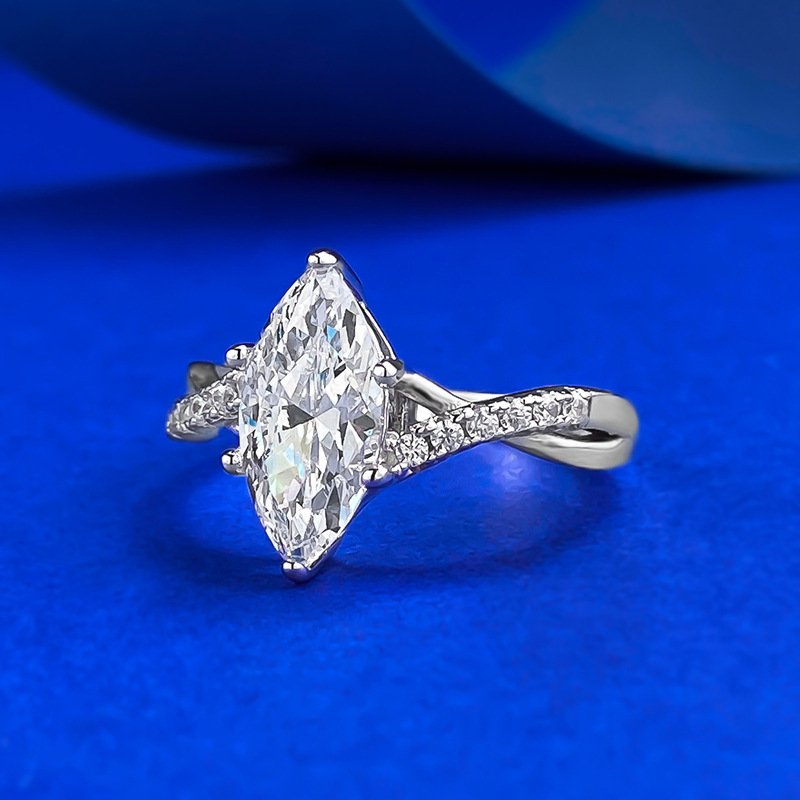
Round Solitaire Engagement Ring Budget: What to Expect
A round solitaire engagement ring budget gives you a clear place to start. The style is classic, easy to wear, and built around one main focus: the center diamond. That simple design helps keep spending predictable, which matters when you want beauty without paying for extra decoration.
The biggest budget drivers are carat weight, cut quality, color, clarity, metal, and setting style. Because a solitaire skips halos and side stones, more of your money can go toward the diamond itself. That often makes this ring style one of the smartest choices for shoppers who want strong value.
A round solitaire engagement ring budget also gives you more room to compare natural and lab-grown diamonds side by side. Many buyers care less about having the largest ring and more about getting the brightest one. Why pay for features you don’t need when the solitaire can already look elegant on its own?
Why Round Solitaire Rings Give You More Value
A round solitaire engagement ring budget usually stretches farther than people expect. There are fewer materials in the setting, less labor in the design, and no extra stones competing for part of the budget. That leaves more room for the center diamond, which is where most of the visual impact comes from.
The round brilliant cut adds even more value. It’s the most popular diamond shape, and GIA notes that cut quality has a major effect on sparkle. A well-cut round diamond can look brighter than a larger stone with weaker proportions. That’s a big reason shoppers often feel happier with a smaller, better-cut diamond.
Inventory also helps. Round diamonds are widely available, so you can compare more stones across size, color, and clarity. That makes it easier to find a round solitaire engagement ring budget that feels balanced instead of forced.
Why the solitaire setting keeps costs in check
A solitaire setting uses fewer parts than a halo or pavé design. That usually lowers the setting cost and keeps the ring clean and timeless. It also makes the diamond the star, which is exactly what many buyers want.
If your goal is to spend wisely, this style helps. A round solitaire engagement ring budget can put more weight on the stone itself instead of on extra sparkle from accent diamonds. For many shoppers, that tradeoff feels right.
Solitaire versus halo and pavé
Halo and pavé styles can look beautiful, but they add cost. More stones mean more labor, more setting detail, and sometimes more upkeep later on. A solitaire skips most of that.
Here’s the quick breakdown:
- Solitaire: clean look, easier to price, more money for the center stone
- Halo: larger visual spread, higher setting cost, more detail to maintain
- Pavé: lots of sparkle, more labor, more long-term care
If you want the strongest center diamond for the money, a round solitaire engagement ring budget is often the best place to start.
What Changes the Price Most
A round solitaire engagement ring budget comes down to a few key choices. The diamond usually takes the biggest share of the price, but the metal and setting details can move the total more than you’d think.
The diamond trade still leans heavily on the 4Cs: cut, color, clarity, and carat. GIA and IGI both provide grading reports that help you compare stones with more confidence. When you’re shopping online, those reports matter because two diamonds with the same carat weight can still look very different.
The 4Cs in plain language
Cut
Cut matters most for sparkle. A well-cut round diamond reflects light better and usually looks more lively from across the room. If you’re watching a round solitaire engagement ring budget, cut should usually be the first place you protect.
Carat
Carat tells you weight, not exact face-up size. Two stones with the same weight can look different depending on depth and proportions. A slightly smaller diamond with excellent cut may look better than a bigger one that doesn’t return light well.
Color
Color becomes easier to spot as stones get larger. Many buyers find near-colorless grades offer a strong balance of brightness and value. That keeps a round solitaire engagement ring budget from drifting too high.
Clarity
Clarity measures inclusions and surface marks. Many diamonds with minor inclusions still look clean to the eye, especially in a solitaire setting. That means you can often choose eye-clean clarity and keep the budget in check.
Metal choice and price
The metal you pick changes both the look and the cost. Some options cost more because they’re denser or take more labor to shape.
| Metal | Budget Impact | Appearance | Best For |
|---|---|---|---|
| Platinum | Highest | Bright white, durable feel | Buyers who want premium strength |
| White gold | Moderate | White look with rhodium finish | Balanced value and style |
| Yellow gold | Moderate | Warm, classic tone | Traditional tastes |
| Rose gold | Moderate | Soft blush color | Romantic or vintage style |
Platinum usually costs more. White gold often keeps a round solitaire engagement ring budget more manageable while still looking bright and modern. Yellow and rose gold can also be smart value picks if the wearer likes warmer tones.
Band thickness and hidden details
Small design choices can change the total price. A thicker band uses more metal, which can raise cost. A slender band may cost less, but it still needs enough strength for daily wear.
Hidden features matter too. A cathedral shoulder, gallery basket, or hidden halo can add cost even if the ring looks like a simple solitaire from the top. If you want a strict round solitaire engagement ring budget, ask about those details before you compare final prices.
How to Set a Real Budget
A round solitaire engagement ring budget works best when you start with a number you can actually live with. Then you can decide what matters most: size, sparkle, metal, or the diamond’s grading balance.
A simple way to shop is to think in three tiers:
- Entry level: clean style and smart tradeoffs
- Mid range: better balance of quality and size
- Premium: larger diamond, finer materials, more customization
Entry level
At the lower end, a round solitaire engagement ring budget usually means a smaller center stone, a simpler prong setting, and practical metal choices like white gold. That doesn't mean the ring will look cheap. It just means you’re focusing on the parts people notice most.
Cut quality matters a lot here. A smaller diamond with a strong cut and eye-clean clarity can still look beautiful. In our experience, shoppers often feel better about that choice than they do about a larger stone with duller sparkle.
Mid range
Mid-range buyers get more flexibility. A round solitaire engagement ring budget in this tier may support a larger diamond, a better metal, or a more refined setting without giving up the classic look.
This is also where natural and lab-grown diamonds are worth comparing closely. A lab-grown stone may let you move up in size or clarity without increasing the spend. That can be a big advantage if you want more visible presence.
Premium level
A premium round solitaire engagement ring budget opens the door to larger round diamonds, platinum, and top cut grades. Buyers at this level often want a polished look with fewer compromises.
Even here, bigger isn’t always better. A perfectly proportioned round diamond can outshine a larger stone that leaks light. That’s why cut still leads the list.
Where lab-grown diamonds fit
Lab-grown diamonds can stretch a round solitaire engagement ring budget quite a bit. They’re usually priced lower than natural diamonds with similar specs, which means you can often get more carat, better color, or higher clarity for the same spend.
That can be a great fit if you want a classic round solitaire look with more visual size. A well-cut lab-grown round diamond often delivers excellent sparkle in a simple setting.
What Different Price Points Usually Buy
A round solitaire engagement ring budget looks different at every price point. The center diamond, the metal, and whether you choose natural or lab-grown all change what’s realistic.
| Budget Tier | What It Can Usually Include | Common Tradeoffs |
|---|---|---|
| Lower budget | Smaller round diamond, white gold, simple solitaire setting | Less carat weight, more careful grading choices |
| Mid tier | Better balance of size, cut, and metal | May still require tradeoffs in color or clarity |
| Premium | Larger diamond, platinum, refined craftsmanship | Higher total cost, more design freedom |
Lower budget expectations
A lower round solitaire engagement ring budget can still buy a beautiful ring. The trick is to focus on cut and eye appeal instead of chasing the biggest certificate number. A well-cut smaller diamond often looks better in daily wear than a larger stone with weak light return.
Simple prongs and white gold can help keep costs down. If the diamond is eye-clean and bright, the ring will still feel timeless.
Mid tier expectations
Mid-tier shoppers usually have the most options. A round solitaire engagement ring budget in this range may allow a more noticeable diamond, a stronger color grade, or a higher-quality metal.
This is also a useful range for comparing natural and lab-grown stones. If size is your top goal, lab-grown often gives you more for the money. If you care more about tradition, natural diamonds may still be the better fit.
Premium expectations
Premium buyers get more freedom in every part of the purchase. A round solitaire engagement ring budget at this level may support a larger round brilliant, platinum, and top-tier cut grades. Some people also choose custom prongs or a sculpted shank.
The same rule still applies: cut first. A larger diamond only helps if it looks bright and balanced.
Other Things to Check Before You Buy
A round solitaire engagement ring budget should cover more than the sticker price. Comfort, care, certification, and return policies all affect how good the purchase feels later.
Ring size and comfort
Sizing matters more than many buyers expect. A ring that spins or pinches gets annoying fast, especially if it’s meant for everyday wear. Comfort-fit bands can make a noticeable difference.
Ask whether the ring can be resized later. Some settings allow easy changes, while others don't. That should be part of your round solitaire engagement ring budget planning from the start.
For more help, you can check our ring sizing guide Before You Order.
Care and maintenance
Solitaire rings are usually easier to clean than detailed styles because there are fewer tiny places for dirt to hide. Even so, prongs still need regular checks. A loose prong can put the center diamond at risk.
Plan for these long-term costs:
- Periodic professional cleaning and inspection
- Resizing if your finger size changes
- Prong tightening over time
- Insurance for loss, theft, or damage
Those costs are usually manageable, but they still belong in the full round solitaire engagement ring budget.
Certification and grading
Always compare certified stones. GIA and IGI reports give you a reliable way to judge cut, color, clarity, and carat. That matters when two diamonds look similar at first glance but differ in real value.
A certified diamond makes comparison shopping easier. It also helps you see whether a lower price is real value or just a sign of weaker quality.
Warranty, returns, and upgrades
Good protection adds real value. Before You Buy, ask about warranty coverage, return windows, and upgrade options. Those details can matter more than a small difference in setting price.
If you think you may upgrade later, buy from a jeweler with a clear trade-up policy. That flexibility can make a round solitaire engagement ring budget go further over time.
Smart Ways to Maximize Value
A round solitaire engagement ring budget gives you room to shop with intent. The best deal isn’t always the lowest price. It’s the ring that looks the best for the money.
Put cut first
Cut quality usually has the biggest impact on sparkle. For a round brilliant, a strong cut can make the diamond look brighter, cleaner, and more lively. If you need to compromise somewhere, this is the area to protect.
Make careful tradeoffs
You can often save money by choosing a slightly lower color or clarity grade that still looks great to the eye. In a solitaire setting, tiny clarity marks are often hard to see without magnification. That gives you more room to stay within budget.
Compare listings the right way
When you shop online, check the details, not just the price tag:
- Is the diamond certified by GIA or IGI?
- What are the actual measurements, not only the carat weight?
- Does the ring use platinum, white gold, yellow gold, or rose gold?
- Are there hidden design elements that raise the price?
- What does the warranty or return policy cover?
If you want help narrowing things down, contact our jewelry experts Before You Buy. We often help customers compare rings that look similar but price out very differently.
FAQ: Round Solitaire Engagement Ring Budget
How much should I budget for a round solitaire engagement ring?
A good budget depends on the diamond type, metal, setting, and the look you want. Many shoppers start with a range and then decide whether carat size or sparkle matters more. If you want the best value, focus on cut first and build the rest of the budget around it.
Is a round solitaire engagement ring cheaper than a halo ring?
Usually, yes. A solitaire uses fewer accent stones and less setting work, so the design is often more affordable. Still, the center diamond and metal choice can move the final price a lot, so it's smart to compare both styles before you decide.
What carat size can I get for my budget in a round solitaire ring?
That depends on whether you choose natural or lab-grown diamonds, plus the color and clarity grades. Two rings with the same spend can look very different on paper and on the hand. If you want more visible size, you may get better results by adjusting clarity or metal before lowering cut quality.
Are lab-grown diamonds better for a round solitaire engagement ring budget?
Lab-grown diamonds often give you more size or higher grades for the same money. They’re a strong choice if you want a bright round solitaire look without stretching your budget too far. For many buyers, they offer the most visible value per dollar.
What should I prioritize first when buying a round solitaire engagement ring on a budget?
Start with cut quality. It has the biggest effect on brilliance, and a great cut can make a modest stone look impressive. After that, balance carat, color, clarity, and metal based on how much room you have left in your budget.
Shop Round Solitaire Engagement Rings
A round solitaire engagement ring budget works best when you shop with clear priorities. Start with the diamond, choose a metal that fits the wearer’s style, and make sure the setting is comfortable enough for daily wear. If you want a timeless ring with strong value, this style is hard to beat.
Ready to compare options? Explore our engagement rings, then build your ring to shape your ideal round solitaire engagement ring budget. You can also shop our diamonds to compare stones side by side and find the mix of size and sparkle that fits your plan.
Ready to Find Your Perfect Diamond?
Explore our collection of certified lab-grown diamonds
Shop Diamonds