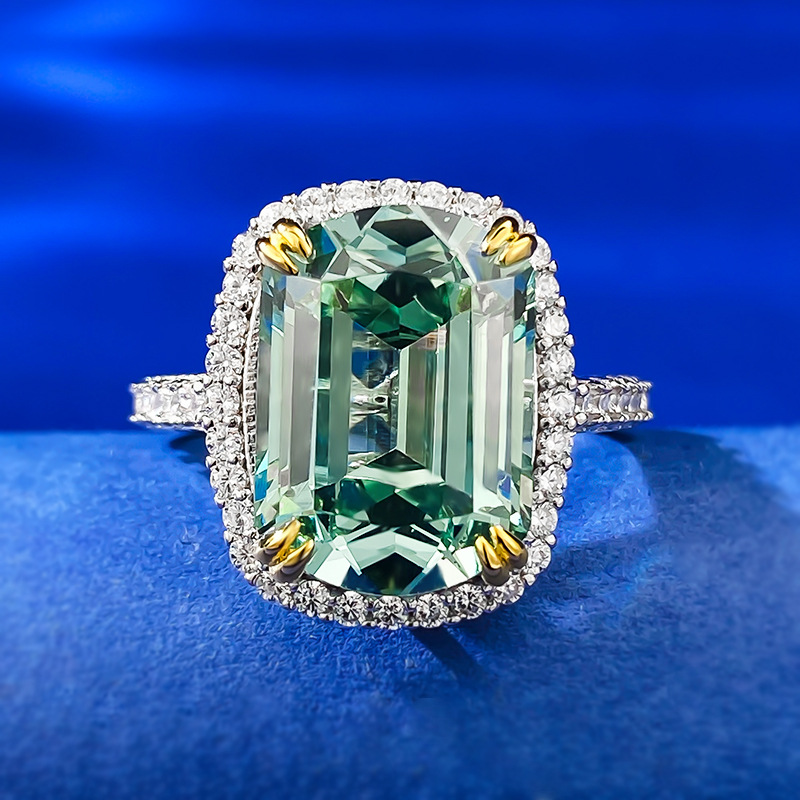
IGI Report for Cushion Diamond: Compare Before You Buy
An IGI report for cushion diamond shopping can save you from a costly guess. Cushion-cut diamonds vary more than many buyers expect. One stone may look soft and romantic, while another has a bright crushed-ice sparkle. The report helps you compare the facts before your eyes make the final call.
If you're buying a lab-grown cushion online, you need more than a pretty photo. You need the report number, measurements, color, clarity, polish, symmetry, and origin details. You also need video, magnified images, and a seller who can explain the tradeoffs in plain English.
At StoneBridge Jewelry, customers often feel more confident when they compare the report and the video side by side. A beautiful cushion diamond should look good on paper and in motion. Why pay for a higher grade if you can't see the benefit?
What an IGI Report for Cushion Diamond Buyers Shows
An IGI report for cushion diamond buyers gives independent grading from the International Gemological Institute. For lab-grown diamonds, IGI reports usually confirm the diamond's lab-grown origin, carat weight, color grade, clarity grade, measurements, polish, symmetry, fluorescence, and report number.
Those details matter because cushion cuts are fancy shapes. Unlike round brilliant diamonds, cushion diamonds do not receive one universal cut grade that tells the whole story. A report can flag useful facts, but it can't fully predict sparkle, spread, or facet style.
The Gemological Institute of America, better known as GIA, teaches the 4Cs: carat, color, clarity, and cut. Those basics still guide diamond buying. For cushion diamonds, shoppers also need length-to-width ratio, depth, table, and face-up appearance.
A square cushion often sits around a 1.00 to 1.05 length-to-width ratio. An elongated cushion often falls around 1.10 to 1.25. Neither option is automatically better. The right choice depends on finger coverage, setting style, and personal taste.
The report may also describe the cutting style as cushion brilliant or cushion modified brilliant. A cushion brilliant often shows chunkier flashes and a more defined facet pattern. A cushion modified brilliant may show a crushed-ice look with many small reflections. These descriptions are helpful, but they are not a guarantee of beauty. Two diamonds with the same cutting style can still perform differently.
For lab-grown diamonds, the report may include growth process information or post-growth treatment notes, depending on the report format. HPHT and CVD are both accepted methods for creating lab-grown diamonds. The important question for most buyers is not which process sounds better, but whether the finished diamond looks bright, has an attractive color grade, and comes with transparent documentation.
Why Cushion Diamonds Need Extra Review
Cushion diamonds have rounded corners and a square or rectangular outline. That soft shape is the reason many people love them. It also means two diamonds with the same carat weight can look quite different.
A 2.00 carat cushion may face up larger if the weight spreads across the top. Another 2.00 carat cushion may look smaller if more weight sits in the depth. Millimeter measurements often tell you more than carat weight alone.
An IGI report for cushion diamond comparison should start with the basics, then move to the visuals. Check the report. Watch the video. Ask whether the stone looks bright from edge to edge.
Pay special attention to the center of the diamond. Some cushions look lively around the edges but sleepy in the middle. Others have a dark cross or a watery center that becomes obvious only when the stone moves. These issues may not appear in a still image, so rotating video is essential.
Also think about how the diamond will Look on the Hand. A deep cushion may have an impressive carat weight on paper but less top-view size. If you are choosing between two stones, compare millimeters first, then carat weight. For many buyers, an attractive 1.80 carat cushion with strong spread can be a better purchase than a deeper 2.00 carat stone that looks smaller than expected.
How to Read an IGI Report for Cushion Diamond Shopping
Use an IGI report for cushion diamond research like a checklist. First, confirm the report number through IGI's online verification tool. If the report number does not match the listing, pause and ask the seller to explain.
Next, compare the measurements. Length, width, and depth show how the diamond carries its weight. A cushion with balanced measurements may give better face-up size than one with extra depth.
Then check color and clarity. D to F color grades look icy in platinum or white gold. G to H can still look very white in many lab-grown cushion diamonds. In yellow gold, slightly warmer grades may offer strong value.
For clarity, focus on eye-clean beauty. Many shoppers don't need VVS clarity if a VS1 or VS2 diamond looks clean without magnification. Larger cushions may show inclusions more easily, so ask for magnified imagery when you're unsure.
Polish and symmetry deserve a quick check, too. Excellent polish and excellent symmetry are common in many well-cut lab-grown cushions, but Very Good can still be acceptable if the diamond looks beautiful. If a stone has lower craftsmanship grades and an unusually low price, ask why. The discount may reflect a visible performance issue.
Fluorescence is usually less of a concern in many lab-grown diamond purchases, but it should still be reviewed. If fluorescence is noted, ask whether it affects the diamond's appearance in daylight or strong UV lighting. Most buyers want a diamond that looks consistent in normal daily conditions: office light, outdoor shade, restaurant lighting, and direct sun.
IGI Fields Worth Checking
The most useful IGI report fields for cushion diamonds include:
- Report number for online verification.
- Shape and cutting style for the basic diamond description.
- Measurements in millimeters for face-up size.
- Carat weight for pricing and comparison.
- Color and clarity grades for value decisions.
- Polish and symmetry for craftsmanship clues.
- Fluorescence notes for appearance review.
- Laser inscription details, if listed.
An IGI report for cushion diamond selection becomes much stronger when you match it to a video. The report tells you what the diamond is. The video shows how it behaves.
Proportion Ranges to Discuss With Your Jeweler
There is no single perfect cushion proportion set, but practical ranges can help you ask better questions. Many attractive cushion diamonds have tables roughly in the mid-50% to high-60% range and depths roughly in the low-60% to low-70% range. These are guidelines, not rules. A stone outside the range may still be beautiful, and a stone inside the range may still look dull.
If the depth is very high, check whether the diamond faces up smaller than others in the same carat weight. If the table is very large, look for a glassy appearance or reduced fire. If the table is very small, make sure the diamond still has enough brightness and does not look overly deep. Cushion cuts need visual judgment because their facet patterns vary so much.
For a square cushion, compare length and width carefully. A 7.30 x 7.15 mm stone may still look square to most people, while a 7.60 x 6.80 mm stone will look more rectangular. For an elongated cushion, ask whether the ratio flatters the wearer's finger. Ratios around 1.15 can feel softly elongated, while ratios closer to 1.25 create a more dramatic north-south shape.
IGI vs GIA vs Seller Documentation
An IGI report for cushion diamond buying is common with lab-grown inventory. IGI has broad use in the lab-grown diamond market, so shoppers often see more IGI-graded cushion diamonds than GIA-graded lab-grown cushions in online listings.
GIA has deep name recognition and strong authority in diamond education and grading. Many buyers prefer GIA for natural diamonds. GIA reports are also available for lab-grown stones, but the exact cushion size, ratio, or grade you want may be harder to find.
Seller documentation plays a different role. Product pages, videos, setting advice, return policies, and warranty details can help you shop. Seller claims should support a lab report, not replace one.
| Comparison Point | IGI Report | GIA Report | Seller Documentation |
|---|---|---|---|
| Best fit | Lab-grown cushion shoppers comparing value | Buyers who prioritize GIA recognition | Buyers needing videos and service details |
| Verification | IGI report lookup and possible inscription match | GIA report lookup and possible inscription match | Depends on seller transparency |
| Availability | Often broad for lab-grown cushions | Strong, but sometimes narrower for lab-grown cushions | Common, but quality varies |
| Cushion usefulness | Strong for specs, identity, and comparison | Strong for authority and trust | Strong for visuals and setting context |
| Main limit | Does not fully predict sparkle | May limit available options | Not independent grading |
For many lab-grown buyers, an IGI report for cushion diamond research offers the best balance of selection, documentation, and price comparison. GIA may be worth choosing if the stone is excellent and the price is close. Seller-only documentation should make you cautious on a major purchase.
Pros and Cons of IGI Reports
The biggest benefit of an IGI report for cushion diamond shopping is practical choice. You can compare more stones by carat weight, color, clarity, and ratio. That helps you Find the Look you want without narrowing the search too soon.
IGI reports also help remove vague language from the buying process. Terms like "premium" or "near flawless" don't mean much unless a grading report backs them up. A report gives you a shared standard for comparison.
The main drawback is that a report cannot describe personality. Cushion diamonds may show broad flashes, tight sparkle, or a crushed-ice look. Some people love that glittery texture. Others prefer larger, slower flashes.
Another limitation is that grading reports do not price the diamond for you. A D color VVS2 cushion is not automatically a better buy than an F color VS1 cushion if both look white and clean once set. A report gives the evidence; the value decision still depends on budget, appearance, and how much each upgrade costs.
Best Specs to Prioritize on an IGI Report for Cushion Diamond Value
The best specs are not always the highest specs. A smart IGI report for cushion diamond review looks for beauty per dollar. You want grades that support the look, not grades that inflate the price without adding visible value.
Start with the outline. Choose square if you like a classic pillow shape. Choose elongated if you want more finger coverage and a longer silhouette.
Then look at spread. A cushion around 7.5 x 7.5 mm will look different from one around 7.2 x 7.2 mm, even if both weigh about 2.00 carats. Small measurement changes can be easy to see once the stone is set.
Color depends on the setting. White gold and platinum show body color more clearly. Yellow gold and rose gold can soften a warmer diamond, which may help your budget.
Clarity depends on what your eye can see. If an inclusion is small, white, or near the edge, it may not matter in real life. If it's dark and centered, it may bother you every time you look at the ring.
For many lab-grown cushion shoppers, F to H color and VS1 to VS2 clarity can be a strong value zone, especially when the video looks bright and clean. Buyers who want an icy look in platinum may prefer D to F color. Buyers setting the diamond in yellow gold may be comfortable with G, H, or sometimes warmer grades if the stone still faces up white.
Carat weight should be treated as a range, not a fixed target. If your budget is built around a 2.00 carat diamond, also compare stones from about 1.80 to 1.99 carats and from 2.01 to 2.20 carats. The price jump at popular carat marks can be meaningful, and a slightly under-size cushion may offer better spread, better clarity, or a nicer facet pattern for the same money.
Practical Price Ranges to Expect
Lab-Grown Diamond Prices change often, so treat any price range as a snapshot rather than a promise. Still, it helps to know what a reasonable comparison might look like. A well-selected 1.50 carat lab-grown cushion may commonly fall in the hundreds to low thousands depending on color, clarity, brand, and setting. A 2.00 carat stone may often sit in the low to mid thousands. Larger 3.00 carat cushions can vary widely based on premium specs and face-up beauty.
The finished ring price also depends on the mounting. A simple 14k gold solitaire may add less than a detailed halo, three-stone, or platinum setting. Pavé bands, hidden halos, cathedral shoulders, and custom baskets increase labor and metal cost. When comparing offers, make sure one quote is not for the loose diamond only while another includes the completed ring.
A fair budget conversation should include the diamond, setting, taxes, shipping, insurance during transit, resizing policy, and any future service. The lowest loose-stone price may not be the best total value if the seller charges more for setting work, has limited returns, or cannot provide clear service after purchase.
Setting, Metal, and Wearability Choices
The setting changes how a cushion diamond looks and how it wears. A solitaire keeps the focus on the center stone and makes cleaning easier. A halo can make the ring look larger from the top, but it adds more small stones that need maintenance. A hidden halo gives sparkle from the side without changing the top outline as much. A three-stone ring adds presence and symbolism, but the side stones must be matched carefully so they do not overpower the cushion.
Metal choice affects both appearance and upkeep. Platinum is naturally white, dense, and durable, making it a strong choice for buyers who want a bright white setting and a secure feel. It can develop a soft patina over time and usually costs more than gold. White gold is bright and popular, but it is commonly rhodium plated and may need replating as wear appears. Yellow gold gives warmth and contrast. Rose gold offers a romantic tone but may not be ideal for everyone with metal sensitivities because it contains copper.
For daily wear, consider prong style and height. Four prongs can show more of the cushion's outline, while double claw prongs can emphasize the rounded corners and add security. A low-profile basket may snag less, but it must still allow Wedding Band Fit if the wearer wants a flush stack. A higher cathedral setting can make the diamond look prominent, though it may catch more on gloves, sweaters, and pockets.
Band width matters, too. A very thin band can make the center stone look larger, but it may bend more easily over years of wear. Many engagement rings balance delicacy and durability around 1.8 mm to 2.2 mm, depending on design, metal, and stone size. Larger cushions often benefit from a slightly sturdier shank and well-built gallery.
Sizing and Comfort Details
Ring size is not only a number. Finger shape, knuckle size, climate, pregnancy, activity level, and band width all affect comfort. Wider bands feel tighter than narrow bands, so a ring with a thick shank or matching wedding band may need a small size adjustment.
If the ring is a surprise, borrow a Ring That Fits the correct finger and ask the jeweler to measure it, or use a professional ring sizer if possible. Printable sizers and phone apps can be useful for estimates, but they are not as reliable as an in-person measurement. If you are between sizes, discuss whether the design can be resized easily before ordering.
Some settings are harder to resize than others. Full eternity bands, intricate pavé, tension-style settings, and rings with engraving around the entire shank may have limits. If future resizing is likely, a plain lower shank or partial pavé design can be the safer choice.
How StoneBridge Compares Cushion Diamonds
Our customers often ask us to compare two or three cushions that look similar on the product page. We start with the report, then review the video. After that, we consider the setting and budget.
An IGI report for cushion diamond evaluation helps us answer specific questions. Does one stone face up larger? Does another have better brightness across the center? Is the higher clarity grade worth the extra cost?
We also look for setting fit. Cushion diamonds look beautiful in solitaire, halo, hidden-halo, three-stone, and vintage-inspired rings. If you're still choosing a setting, browse our cushion-friendly engagement ring styles or start with the StoneBridge ring builder.
If you want to compare loose stones first, shop lab-grown diamonds by shape and size. You can also explore finished designs in our fine jewelry collection if you're buying a gift instead of an engagement ring.
When two cushions are close, we compare them under practical buying priorities. For example, if one diamond is D color VVS2 and another is F color VS1, the second may be the better value if both look white and clean in the selected setting. If one has a slightly lower color grade but a much better face-up size, it may be the stronger choice for a buyer who wants presence on the hand.
We also consider how the diamond will be secured. Cushions have rounded corners, so prong placement should protect the outline without covering too much of the stone. For elongated cushions, the setting should hold the longer shape evenly and avoid a tilted appearance. Good mounting work is part of the purchase, not an afterthought.
Shipping, Returns, and After-Sale Service
Before You Buy, review the seller's shipping and return policies as carefully as the diamond report. A valuable ring should ship insured, trackable, and securely packaged. Signature requirements are common and worthwhile. If you need the ring by a proposal date, confirm production time and shipping time before checkout, especially for custom settings or resized rings.
A clear return policy protects you if the cushion does not look the way you expected in person. Check the return window, whether custom pieces are returnable, who pays return shipping, and whether resizing affects eligibility. Also ask whether the diamond must be returned with the original IGI report and packaging.
After-sale service can matter for years. Engagement rings may need prong checks, cleaning, rhodium plating for white gold, resizing, or small stone tightening. A seller who explains maintenance upfront is often easier to work with later. Ask what is covered by warranty and what counts as normal wear.
Red Flags Before You Buy
Walk away or slow down if the seller cannot provide a lab report number. You should also pause if the report measurements do not match the listing. A trustworthy seller should answer those questions quickly.
Be careful with phrases like "certified quality" if the lab is not named. Ask whether the diamond has an IGI, GIA, or equivalent grading report. If a laser inscription is listed, ask the seller to confirm that it matches the report.
Before checkout, ask for four things:
- The lab report number.
- A current video or magnified image.
- Exact measurements and length-to-width ratio.
- Return, warranty, and resizing details.
An IGI report for cushion diamond purchase should make the buying process clearer, not more confusing. If the paperwork raises more questions than answers, choose another stone.
Common Cushion Diamond Buying Mistakes
One common mistake is buying by carat weight alone. A heavier cushion is not always a larger-looking cushion. Compare millimeter measurements and video before paying more for a number on the report.
Another mistake is overpaying for clarity that cannot be seen. VVS and IF grades can be beautiful, but they are often not necessary for an eye-clean engagement ring. If the budget is fixed, many buyers get more visible benefit from better cut appearance, better spread, or a stronger setting than from moving from VS1 to VVS1.
Shoppers also sometimes ignore the wedding band. A low basket, large hidden halo, or wide gallery can prevent a straight band from sitting flush. That is not always a problem, but it should be intentional. If a flush stack matters, choose the engagement ring and wedding band together.
Finally, do not assume every cushion has the same sparkle style. If you love broad flashes, a crushed-ice cushion may feel too busy. If you love glitter, a chunkier cushion may feel too quiet. Ask the seller to describe the facet pattern before you commit.
Who Should Choose an IGI Report for Cushion Diamond Buying
An IGI report for cushion diamond buying is a strong fit for shoppers who want lab-grown value, broad selection, and clear verification. It works well if you're comparing several diamonds in the same size range.
Choose IGI-reported cushions if you want to compare a 1.50 carat, 2.00 carat, and 2.50 carat diamond by real measurements and price. This approach helps you see whether the size jump is worth it. It also helps you avoid paying for grades you don't need.
GIA may be the better choice if the lab name matters most to you. It may also be a smart fit for natural cushion diamonds, where GIA documentation is especially common. The better report is the one that supports a beautiful, fairly priced diamond.
Seller-only documents should not be your main quality proof for an engagement ring center stone. Videos and service details are useful. Independent grading gives the stronger foundation.
IGI-reported cushions are especially helpful for online buyers who want to narrow a large inventory quickly. You can filter by carat weight, color, clarity, ratio, and budget, then use video to decide which stones deserve closer review. This keeps the process organized and reduces the risk of choosing the first diamond that photographs well.
They are also useful for buyers working with a specific design. If you want a delicate solitaire, you may prioritize a stone with graceful proportions and excellent face-up size. If you want a halo, you may focus on outline symmetry and how the cushion shape sits inside the frame. If you want a three-stone ring, you may choose a center stone with enough presence to balance the side stones.
Care Tips for Cushion Diamond Rings
A cushion diamond can be durable enough for everyday wear, but the ring still needs care. Clean it regularly with warm water, mild dish soap, and a soft brush. Pay attention to the underside of the stone, where lotion, sunscreen, soap, and skin oils collect. A dirty diamond can look dull even when the report specs are excellent.
Avoid wearing the ring during heavy lifting, gardening, chlorine exposure, or activities that may bend the setting. Diamonds are hard, but gold and platinum can still scratch, dent, or shift. Prongs can loosen over time, especially on rings worn every day.
Have the ring inspected periodically by a jeweler. A quick prong check can prevent a lost center stone or missing pavé diamond. White gold rings may need rhodium replating when the warmer base metal starts to show. Platinum may need polishing if you prefer a bright finish instead of a natural patina.
Insurance is also worth considering for an engagement ring. Keep the IGI report, sales receipt, appraisal if provided, and clear photos of the finished ring. These documents can help with coverage, replacement, or repair if the ring is lost or damaged.
Final Buying Advice for Cushion-Cut Lab-Grown Diamonds
For most lab-grown cushion buyers, an IGI report for cushion diamond comparison is the most practical place to start. It gives you independent grading, a way to verify the report, and enough detail to compare similar stones.
Still, don't buy the report. Buy the diamond. The best choice has reliable paperwork, attractive proportions, strong video performance, and a setting that suits the wearer.
Use the IGI report to narrow your shortlist. Use video to judge sparkle and contrast. Use expert help when two stones are close.
Before placing the order, confirm the exact diamond, the report number, the setting metal, the ring size, the production timeline, and the return policy in writing. If the ring is for a proposal, leave enough time for inspection after delivery. You should be able to open the box, compare the ring to the paperwork, and feel confident before the important moment arrives.
StoneBridge Jewelry can review your cushion diamond options with you Before You Buy. Start with lab-grown diamond options, compare settings in our engagement ring collection, or contact our team for help reading an IGI report for cushion diamond value.
Ready to Find Your Perfect Diamond?
Explore our collection of certified lab-grown diamonds
Shop Diamonds