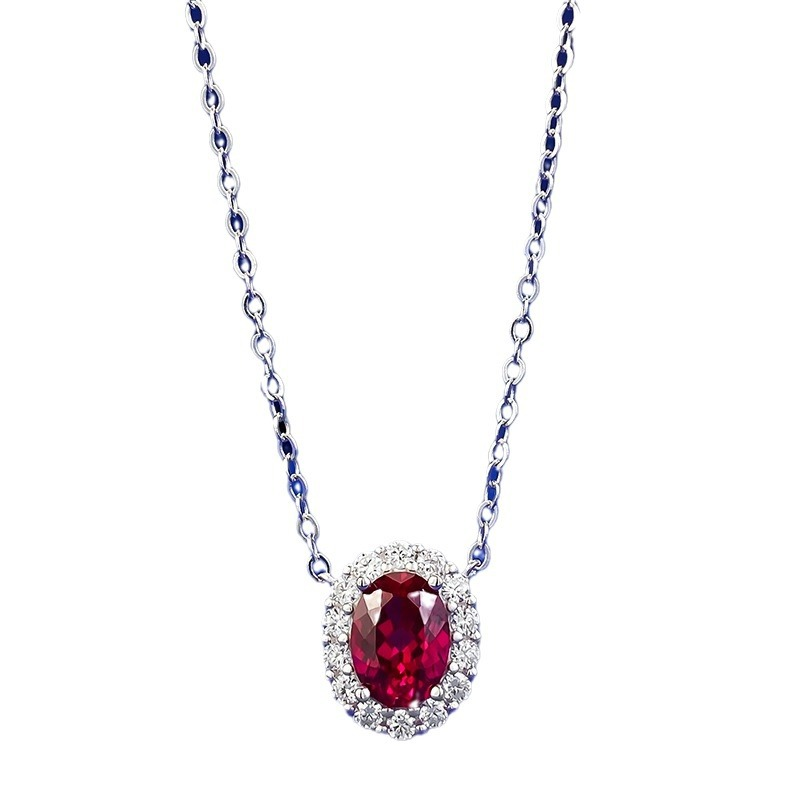
Ultrasonic Jewelry Cleaning at Home: Budget vs Premium
Ultrasonic jewelry cleaning at home can make rings, chains, and studs look sharper in minutes. The right machine depends on the jewelry you own, how often you clean it, and how much risk you’re willing to accept.
A good cleaner uses high-frequency sound waves to create tiny cavitation bubbles in water or a cleaning solution. Those bubbles lift dirt from prongs, links, and hard-to-reach spots that a cloth misses. If you’ve ever tried to scrub grime out of a pavé setting, you already know why that matters.
Not every piece belongs in the tank. Diamonds, solid gold, and platinum often handle ultrasonic jewelry cleaning at home well when the setting is secure. Pearls, opals, emeralds, and glued repairs can react badly.
This comparison focuses on the real buy decision: should you save money with a budget model, or pay more for a premium cleaner that runs more evenly and lasts longer?
What Matters Most Before You Buy
Ultrasonic jewelry cleaning at home is for routine care, not repair. It can remove lotion, skin oil, soap film, and daily grime. It cannot fix worn prongs, loose stones, deep scratches, or old repairs that have already failed.
The first question is not price. It’s fit. A cleaner that works well for a single diamond ring may be a poor match for bracelets, watches, or mixed gemstone pieces.
Compare these features first:
- Tank size: Small tanks work for rings and studs. Larger tanks fit chains, bracelets, and multiple pieces.
- Frequency: Many home units sit around 35 kHz to 45 kHz. Lower numbers are usually more aggressive, while higher ones can be gentler.
- Timer controls: Short, clear cycles help reduce overexposure.
- Build quality: Stainless steel tanks and sturdy baskets usually last longer.
- Stability: A unit that rattles or walks on the counter is a bad sign.
GIA care guidance is clear on one point: stone type, setting condition, and repair history matter more than the label on the box. Ultrasonic jewelry cleaning at home should start with the jewelry, then the machine.
How Jewelry Specs Affect Cleaning Risk
The safest ultrasonic jewelry cleaning at home routine starts with the piece itself. A diamond may be hard enough for ultrasonic cleaning, but the setting, mounting metal, and stone quality still determine whether the process is appropriate.
For diamond jewelry, look at cut, clarity, and setting style. Round brilliants and ovals are common in engagement rings and usually have sturdy prong or halo mountings. Princess cuts, emerald cuts, and radiant cuts can also be cleaned, but their corners and step facets make secure settings more important. If the stone is poorly matched to the mounting or if the prongs are thin, the machine is not the issue. The ring is.
Lab-grown diamonds follow the same cleaning logic as mined diamonds. If you are comparing a stone for purchase, certifications matter too. GIA and IGI reports are the most recognizable in the market, and shoppers often use them to confirm the diamond’s carat, color, clarity, and cut grade. For routine care, a well-documented stone is easier to maintain because you have a baseline if anything changes over time.
Metal choice matters as well. Platinum is dense and durable, which makes it a strong option for engagement rings and everyday wear. 14k gold is harder than 18k gold in many alloys, which can help it resist wear better in some settings. 18k gold has a richer color and higher gold content, but it can be a little softer. White gold often needs rhodium replating over time, especially on rings worn daily. That does not make it a bad choice, but it does mean the finish may need periodic maintenance after cleaning.
Size and fit matter in a practical way. A loose ring can spin, bang, and trap grime differently than one that fits correctly. If a ring has started to twist on the finger or feels more mobile than before, it may need sizing rather than more cleaning. If the fit has changed, use our ring size guide to confirm the right size before you assume the piece just needs a deeper clean.
Budget Ultrasonic Jewelry Cleaning at Home
Budget models are the entry point for ultrasonic jewelry cleaning at home. They’re usually compact, simple to run, and priced low enough that first-time buyers can try one without much commitment.
For light use, that can be enough. If you clean a few rings, earrings, or small chains once or twice a month, a basic machine often handles surface dirt well. Many customers only need a small unit because their jewelry routine is simple.
Budget units usually make sense when:
- You clean a small number of sturdy pieces
- You want low upfront cost
- You don’t need advanced settings
- You can keep cycles short
The tradeoff shows up fast if you clean often. Smaller tanks limit what fits inside. Cheaper housings can vibrate more. Some low-cost models also lose consistency over time, so the first few cycles may look better than the twentieth.
Price-wise, budget home ultrasonic cleaners often sit in the low double-digit range, though some can climb into the low hundreds if they add larger capacity or heat. At this level, you are usually paying for basic function rather than refined control. That is fine if your collection is simple and you’re willing to inspect each piece before use.
Where Budget Models Work Best
Budget models are best for ultrasonic jewelry cleaning at home when the pieces are durable and easy to inspect. Think solid gold bands, platinum rings, diamond studs, plain hoops, and simple chains.
They’re a poor match for vintage jewelry, treated stones, glued settings, and anything with worn prongs. If a ring already has movement in the stone, the cleaner won’t help. It can make the problem worse.
A budget cleaner is a fair buy if you clean only occasionally and you’re careful about what goes in. It’s a weak buy if you expect it to handle mixed collections every week.
What to Check Before Buying Cheap
Look for a stainless-steel tank, a real timer, and a removable basket. Those basics matter more than flashy wattage claims.
Red flags are easy to spot:
- No clear frequency listed
- Thin plastic housing that shakes a lot
- Short or vague warranty coverage
- No stone guidance at all
- No mention of cycle length
A cheap machine can still do the job, but it should be honest about what it can and can’t clean. If the product page avoids details, assume you’ll need to do the hard part yourself.
Premium Ultrasonic Jewelry Cleaning at Home
Premium models are built for people who want ultrasonic jewelry cleaning at home to feel easier, steadier, and less limited. They cost more, but they usually give you better control and more consistent output.
That matters if you clean often or own a mixed collection. A larger tank lets you clean more than one piece at a time. Better transducers often deliver more even cavitation, so dirt comes loose more consistently around settings and chain links.
Premium cleaners usually offer:
- Stronger, more even cleaning
- Better timer controls
- Quieter operation
- More stable baskets and lids
- Heavier-duty tanks and housings
That extra quality is easy to feel in daily use. The machine sits still. The cycle ends when you expect it to. The basket doesn’t flex, and the tank doesn’t sound like it’s straining.
In the market, premium home units can range from the mid-hundreds to well above that, especially if they add heat control, larger baskets, or commercial-style internals. Whether that price is justified depends on how much jewelry you own and how often you use the machine.
Performance and Control
A premium unit earns its price through function, not looks. A good timer, a solid stainless tank, and stable output matter more than a polished finish.
Some premium models also add heat or more refined frequency options. Warm water can help lift oily residue faster. Short cycles can be safer for sensitive pieces. The point is control, not complexity.
Shorter is often better for ultrasonic jewelry cleaning at home. A few controlled minutes can do more good than repeated long runs. That’s especially true for pavé settings, filigree, and older rings where you want cleaning without stressing weak spots.
Durability and Day-to-Day Use
If you clean weekly, the case for premium gets stronger. A machine that feels solid after 50 cycles is usually a smarter purchase than one that feels tired after 10.
Many buyers outgrow small units once their collection grows. One ring becomes three. Bracelets enter the mix. Soon, the little cleaner starts feeling cramped.
Premium pays off through time saved, less frustration, and better long-term durability. If your jewelry box keeps getting better, your cleaner should keep up.
Settings, Stones, and Settings That Change the Decision
Not all jewelry is equally suited to ultrasonic jewelry cleaning at home, even if the metal and stone are technically durable. The setting can be the weak point.
Prong settings expose more of the diamond to the cleaning action, which is useful for removing debris, but they also depend heavily on the integrity of the prongs. A six-prong solitaire can be very secure when properly maintained. A thin four-prong head with worn tips deserves a closer look. Halo settings can clean beautifully because they trap a lot of dirt, but the small accent stones and many contact points mean you should inspect the piece after each cycle.
Bezel settings are usually more stable because they wrap the stone, but trapped residue can remain under the lip of the metal. Pavé and micro-pavé pieces look impressive after cleaning, yet they are among the easiest to damage if the stones were already loose. Channel-set jewelry can be safe if the stones are secure, though long exposure or a weakened channel wall can create problems.
If you are buying a new ring and plan to clean it at home, ask about the setting style Before You Buy. A well-made setting with secure prongs, proper symmetry, and good finishing is easier to maintain over time. That is especially true for engagement rings and anniversary bands that will be worn daily.
What Is Safe to Clean?
Ultrasonic jewelry cleaning at home is usually safe for solid gold, platinum, and many diamonds when the setting is secure. Lab-grown diamonds follow the same rule. The stone may be tough, but the mounting still decides the risk.
Safer candidates include:
- Solid gold and platinum rings
- Diamond studs and solitaires with secure prongs
- Plain chains and bracelets
- Many hard, non-porous stones in stable settings
Pieces that should usually stay out of the cleaner include:
- Pearls
- Opals
- Emeralds
- Turquoise
- Coral
- Amber
- Fracture-filled stones
- Glued settings
- Vintage jewelry with unknown repairs
GIA guidance and many bench jewelers say the same thing: a secure setting matters as much as the stone itself. A diamond with loose prongs is still a bad candidate for ultrasonic jewelry cleaning at home.
How to Use It Without Damaging Jewelry
Even the best machine can create problems if the process is careless. For ultrasonic jewelry cleaning at home, start with a quick inspection. Look for missing stones, bent prongs, loose links, and cracked clasps before the piece touches water.
Use clean water and a jewelry-safe solution if the manufacturer recommends one. Strong detergents, bleach, and household chemicals are unnecessary and can damage metal finishes or stone treatments. Place the jewelry in the basket, not directly on the tank bottom, so the vibration distributes more evenly.
Keep cycles short. For many items, a few minutes is enough. If the piece comes out still dirty, repeat a short cycle rather than running it once for a long time. Between cycles, brush away loosened grime with a soft brush if appropriate, then rinse well and dry with a lint-free cloth.
After cleaning, examine clasps, prongs, and solder points under good light. This step is important for chains and bracelets because cleaning can reveal wear you did not notice when the metal was dull. If a clasp no longer closes securely or a ring feels thinner than expected at the shank, stop using the cleaner and have a jeweler inspect it.
Budget vs Premium: Side-by-Side
The best way to compare ultrasonic jewelry cleaning at home options is to focus on how you’ll actually use the machine.
| Factor | Budget Model | Premium Model | Best Pick |
|---|---|---|---|
| Price | Lower upfront cost | Higher upfront cost | Budget for light use |
| Tank size | Small | Larger | Premium for mixed collections |
| Cleaning consistency | Good for basic grime | Better cavitation and coverage | Premium |
| Controls | Simple timer | More precise timer options | Premium |
| Noise | Often louder | Usually quieter | Premium |
| Warranty | Shorter or limited | Often longer | Premium |
| Durability | Light-duty | Heavier-duty | Premium |
| Best use case | Occasional simple pieces | Frequent use, larger collections | Depends on routine |
The verdict is straightforward. If you clean a few simple pieces now and then, budget is fine. If you want steadier results, more capacity, and less chance of replacing the machine soon, premium is the better value.
Shopping Details That Matter
If you are buying a new piece of jewelry with future cleaning in mind, the shopping details matter as much as the cleaner itself. For diamonds, ask for the report number and make sure the grading lab is reputable. GIA is the most widely recognized standard, while IGI is also common, especially for lab-grown diamonds. A clean, well-documented stone is easier to maintain and resell, and it gives you a better paper trail if the stone ever loosens or needs service.
Pay attention to diamond proportions if you are choosing a ring meant for regular wear. A round brilliant with strong cut quality will return light well and tends to hide minor surface dirt better than a poorly cut stone. That does not make it more resistant to cleaning, but it does influence how frequently you may feel the need to use a machine. Clarity matters too. Stones with obvious inclusions, feathers, or surface-reaching fractures deserve more caution because ultrasonic cleaning is not worth the risk if the piece is already compromised.
For metal selection, 14k gold often offers a practical balance of durability and price. 18k gold has a richer color but can be a little more maintenance-sensitive. Platinum generally costs more but is highly durable and well suited to high-value rings. White gold remains popular for its look and often comes with a lower initial price than platinum, but buyers should expect occasional rhodium service if they want the bright white finish to stay consistent.
Also ask about shipping and returns when Buying Jewelry Online. A useful return window gives you time to inspect the piece under normal lighting and compare it with your existing collection. Look for insured shipping, signature requirements, and clear return terms on custom orders. If a ring needs sizing, check whether the seller covers one resize or charges extra. Those details can change the real cost of the purchase more than a small difference in sticker price.
Which One Fits Your Collection?
Choose budget if your ultrasonic jewelry cleaning at home routine is small and predictable. That fits one or two rings, a pair of studs, or the occasional chain.
Choose premium if you clean often or own a broader mix of jewelry. Families sharing one machine, collectors with multiple rings, and people cleaning bracelets or larger pieces usually benefit from the upgrade.
If you own engagement rings, inspect them before every cycle. A quick look under bright light can catch a loose prong before it becomes a bigger problem. If the ring has changed shape or fit, use our ring size guide to check whether sizing may be affecting how the piece sits.
Think about the jewelry you buy, too. If you’re comparing new pieces, shop our engagement rings, browse our jewelry collection, or explore lab-grown diamonds with care in mind from the start.
Expert Take
The best overall choice for ultrasonic jewelry cleaning at home is a premium cleaner with a stainless-steel tank, a stable basket, and a dependable timer. That setup gives you better consistency and a wider safety margin for routine use.
The best value choice is a compact budget cleaner with honest specs, a real timer, and clear guidance on safe stones. If your collection is simple, there’s no need to overbuy.
Here’s the practical rule: pay less if your jewelry is easy to clean and your routine is light. Pay more if you want better results, better build quality, and fewer compromises.
Should you clean every piece yourself? Not always. If a ring is antique, heavily treated, or visibly loose, a jeweler should inspect it first. That’s the safer call, and it usually saves money in the long run.
Common Mistakes to Avoid
One of the most common mistakes with ultrasonic jewelry cleaning at home is assuming that a harder stone is always safe. A diamond may survive cleaning easily, but the mounting or a hidden repair may not. Another mistake is using the machine as a substitute for maintenance. If a ring needs retipping, tightening, or re-polishing, cleaning will not solve the underlying issue.
People also overfill the tank or crowd too many pieces together. That reduces cleaning effectiveness and can cause items to knock against each other. It is better to clean fewer pieces at once and inspect them properly. A second mistake is leaving jewelry in the machine for long periods after the cycle ends. Once the dirt is loosened, remove the piece, rinse it, and dry it.
Do not assume all solutions are interchangeable. Some detergents are too strong for certain metals or finishes. Follow the manufacturer’s instructions, then test cautiously. Finally, avoid cleaning loose earrings, open bracelets, or pieces with visible damage until they have been checked by a jeweler.
FAQ: Ultrasonic Jewelry Cleaning at Home
Is ultrasonic jewelry cleaning at home safe for diamonds and gold?
Usually yes, but only if the setting is secure and the stone has no known issues. Solid gold and most diamonds tolerate ultrasonic jewelry cleaning at home well when the piece is in good condition. A loose prong, a chipped stone, or a repair history changes the risk. If the ring is valuable, have a jeweler look at it first.
What jewelry should not go in an ultrasonic cleaner at home?
Pearls, opals, emeralds, turquoise, coral, and amber should stay out of the tank. Fracture-filled, glued, or heavily treated stones also need caution. Vintage pieces can be risky too, especially if the repair history is unknown. When in doubt, skip ultrasonic jewelry cleaning at home and ask a jeweler.
How long should I run an ultrasonic cleaner for jewelry?
Most home cycles are short, often just a few minutes. Longer doesn’t mean better, because overexposure can add risk without improving the result. Start with the shortest recommended cycle and inspect the piece after each run. That approach keeps ultrasonic jewelry cleaning at home controlled and safer.
Are expensive ultrasonic jewelry cleaners worth it for home use?
They can be worth it if you clean often, own a mixed collection, or want better consistency. Premium units usually give you stronger build quality, quieter operation, and more precise cycle control. Those advantages matter most for frequent ultrasonic jewelry cleaning at home. If you only clean a few simple pieces, a budget model may be enough.
What is the best ultrasonic jewelry cleaner for home use?
The best ultrasonic jewelry cleaner depends on your jewelry, your budget, and how often you clean. A premium model is usually the better overall choice for regular use. A compact budget cleaner is the better value for simple, occasional jobs. The right pick is the one that matches your collection and your routine.
Shop Smart
The best buy for ultrasonic jewelry cleaning at home is the one that matches your jewelry, your habits, and your comfort level with risk. If you want the strongest all-around option, choose a premium home unit with a stainless-steel tank, solid controls, and enough room for the pieces you actually wear.
If your needs are simpler, a budget cleaner can still be a smart starting point. Keep your cycles short, stick to safe materials, and inspect each piece before it goes in.
For a cleaner routine and a better match between your jewelry and your care tools, browse our jewelry collection, shop our diamonds, or explore engagement rings Before You Buy your next piece.
Ready to Find Your Perfect Diamond?
Explore our collection of certified lab-grown diamonds
Shop Diamonds