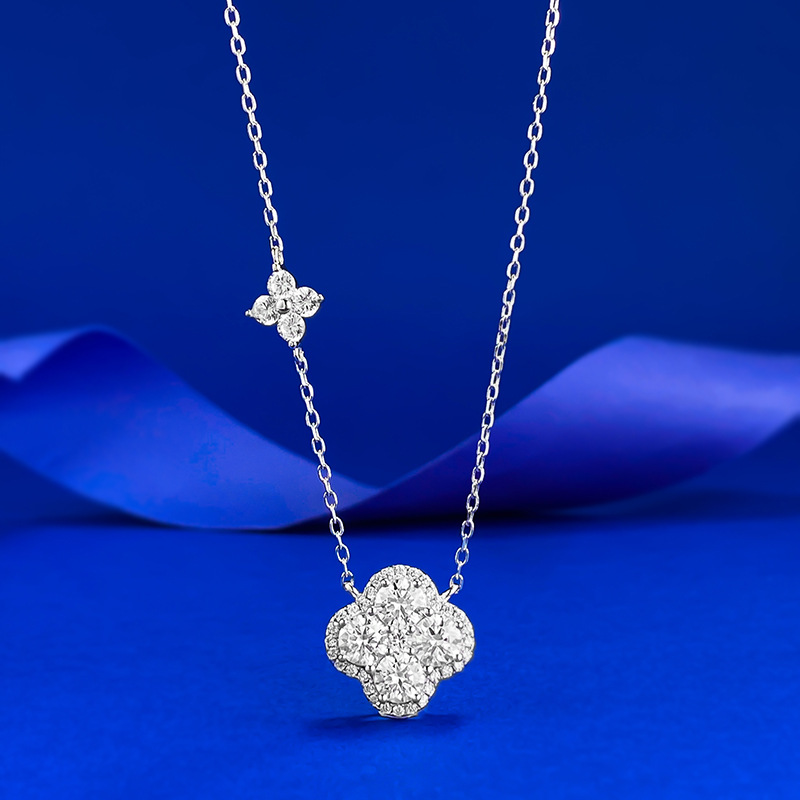
Online Jewelry Shopping Certificate Checklist: Verify Before You Buy
Buying fine jewelry online should feel exciting, not uncertain. A clear Online Jewelry Shopping certificate checklist helps you connect the ring, necklace, bracelet, or pair of earrings on-screen with the documents that support its quality and value.
For lab-grown diamonds, engagement rings, wedding Bands, and Fine Jewelry, paperwork matters. It can confirm the diamond grade, gemstone details, metal purity, warranty terms, and seller policies Before You Pay.
StoneBridge Jewelry focuses on premium lab-grown diamonds, clear product details, secure checkout, and curated fine jewelry collections. Shoppers feel more confident when they compare beauty and documentation side by side. Why guess from photos alone when a report can confirm the details?
Use this Online Jewelry Shopping certificate checklist as your pre-checkout routine while you shop lab-grown diamonds, explore engagement rings, or browse fine jewelry.
Why a Jewelry Certificate Checklist Matters Online
Online shopping removes the chance to inspect a piece in person before delivery. Documentation becomes part of the buying process. A strong Online Jewelry Shopping certificate checklist helps you check the details that affect price, appearance, durability, and insurance.
A certificate, grading report, appraisal, warranty, and receipt do different jobs. A diamond grading report records quality traits. An appraisal estimates value, often for insurance. A warranty explains service coverage. A receipt proves the purchase date and amount paid.
GIA describes the 4Cs, cut, color, clarity, and carat weight, as the global language for diamond quality. IGI and GCAL also issue grading reports used by many lab-grown diamond retailers. These reports can include measurements to hundredths of a millimeter, which is helpful because two 2.00 carat diamonds can face up very differently.
A certificate should match the product page, photos, SKU, and invoice. If one detail feels off, pause and ask questions before checkout.
Certificate Types to Check First
Start with the diamond grading report for any major lab-grown diamond purchase. Look for the report number, issuing lab, shape, carat weight, cut, color, clarity, polish, symmetry, fluorescence, measurements, and proportions.
Next, review the appraisal if the item includes one. An appraisal may list replacement value, photos, metal details, gemstone descriptions, and identifying information. Jewelers Mutual commonly recommends reviewing jewelry appraisals every 2 to 3 years because replacement costs can change.
Metal documentation matters too. Fine jewelry should state the metal type and purity, such as 14K gold, 18K gold, PT950, or platinum. Hallmarks are useful, but they should agree with the product listing and receipt.
For designer-style or custom jewelry, also check whether the documents describe the finished piece or only the center stone. A diamond report may verify the main lab-grown diamond, but it will not always list the ring's gold weight, accent diamond quality, setting style, or finished ring size. Those details should appear in the product specifications, invoice, appraisal, or custom order record.
Online Jewelry Shopping Certificate Checklist Before Checkout
Use this Online Jewelry Shopping Certificate Checklist Before buying a loose diamond, engagement ring, wedding band, necklace, bracelet, or earrings. It takes only a few minutes, and it can save you from a costly mismatch.
- Confirm the certificate or report number.
- Identify the grading lab, such as GIA, IGI, GCAL, or another reputable authority.
- Match the shape, carat weight, color, clarity, and cut to the product page.
- Check the measurements, table percentage, depth percentage, polish, and symmetry.
- Look for a laser inscription if the report lists one.
- Confirm metal type and purity, such as 14k gold, 18k gold, or platinum.
- Compare product photos with the setting style, stone layout, and SKU.
- Read the return policy before you pay.
- Review warranty terms, care coverage, and service limits.
- Check insured shipping, signature delivery, and contact options.
This online jewelry shopping certificate checklist is especially useful when two pieces look almost identical. Two oval lab-grown diamond rings may share the same carat weight, but one may have better symmetry, stronger spread, or a more secure setting.
If a product page says the center stone is 2.00 carats, F color, VS1 clarity, and excellent cut, the grading report should support those claims. If the report number is missing or the seller avoids documentation questions, slow down.
Diamond Report Details to Verify
Use the grading lab's report lookup tool when available. Enter the certificate number and compare the online record with the seller's listing. The report number should match exactly.
Study the 4Cs. Cut has a major effect on brilliance. Color and clarity influence price and appearance. Carat weight tells you weight, while measurements show how large the diamond may look.
For example, a well-proportioned 1.50 carat round diamond often measures around 7.3 mm across. An oval or pear shape of similar weight may look larger because of its spread. Measurements belong on every online jewelry shopping certificate checklist for that reason.
For round diamonds, pay close attention to cut grade because it is one of the strongest predictors of sparkle. Many buyers prefer Excellent or Ideal cut grades for engagement rings, especially in stones over 1.00 carat. For fancy shapes, such as oval, cushion, radiant, emerald, pear, marquise, and princess cuts, reports may not assign the same simple cut grade. In those cases, measurements, depth, table, symmetry, videos, and photos become more important.
Fluorescence is another line worth checking. In lab-grown diamonds, fluorescence is often none or faint, but the exact notation still matters when comparing stones. Also review clarity comments. A VS2 diamond can be an excellent value if inclusions are small and off to the side, while a higher-graded stone may still have a visible feature if the inclusion sits under the table. For step cuts like emerald and Asscher, many shoppers choose VS1 or better because the open facets reveal clarity characteristics more easily.
Fine Jewelry Details to Match
For finished jewelry, compare the certificate with the full product description. A listing for 14k yellow gold should not become 18k white gold on the receipt. A small error may be innocent, but it still needs an answer.
For gemstone jewelry, check stone type, treatment disclosures, dimensions, and setting style. Heat treatment and irradiation are accepted for some gemstones, but sellers should disclose them when relevant.
For earrings, necklaces, and bracelets, verify total carat weight, metal type, clasp or backing style, length, and item measurements. Good documentation should support both the stones and the finished design.
Total carat weight can be easy to misread online. A pair of 1.00 carat total weight Diamond Stud Earrings usually means both earrings together equal 1.00 carat, not 1.00 carat per ear. A tennis bracelet listed at 5.00 carats total weight may contain dozens of smaller diamonds. The certificate or appraisal should make clear whether a carat figure describes one center stone, a pair, or the full piece.
Specs Your Certificate Checklist Should Match
A certificate supports the product page. It does not replace it. Your online jewelry shopping certificate checklist should connect the report to design, fit, and craftsmanship details that affect daily wear.
For lab-grown diamonds, check shape, cut grade, color grade, clarity grade, carat weight, measurements, table percentage, depth percentage, polish, symmetry, and fluorescence. For engagement rings, review setting style, prong design, band width, ring profile, center stone compatibility, accent stones, and ring size.
For wedding bands, confirm metal, width, finish, comfort-fit design, stone details, and sizing options. If you're unsure about fit, use our ring size guide before ordering.
| Product Type | Document to Review | Details to Match |
|---|---|---|
| Loose lab-grown diamond | Diamond grading report | 4Cs, measurements, proportions, inscription |
| Engagement ring | Report and product specs | Center stone, setting style, metal, ring size |
| Wedding band | Product specs and receipt | Metal purity, width, finish, stone details |
| Gemstone jewelry | Gemstone document or appraisal | Stone type, treatment, dimensions, setting |
| High-value fine jewelry | Appraisal and receipt | Value, materials, photos, SKU |
At this stage, the checklist becomes practical. You're checking that the piece is accurately described, fairly priced, and suitable for your plans.
Lab-Grown Diamond Specs That Affect Value
Small technical differences can change the look and price of a lab-grown diamond. A one-grade shift in color or clarity can matter more in larger stones. Cut quality can make an even bigger visual difference.
A 2.00 carat diamond with balanced proportions may look brighter than a deeper 2.00 carat diamond that hides weight below the girdle. Elongated shapes, such as oval, pear, emerald, and radiant cuts, may also look larger than round stones of the same carat weight.
Use the report to compare similar stones. Photos help, but the certificate gives you a cleaner way to judge quality and value.
As a practical buying range, many shoppers looking for a bright lab-grown Diamond Engagement Ring focus on near-colorless grades such as D through H and clarity grades from VS2 through VVS2, depending on shape and budget. For round brilliant diamonds, an H VS2 with excellent cut may look crisp and lively in a well-made setting. For an emerald cut, a buyer may prefer G color and VS1 clarity because the broad facets can show tint and inclusions more readily.
Depth and table are also useful comparison points. A diamond that is too deep can weigh more than it appears, while a very shallow stone may lose light through the pavilion. Exact preferred ranges vary by shape, so do not use one table percentage for every diamond. Instead, compare the proportions to the stone's photos, video, and report. A certificate gives the measurements; your eyes confirm whether the diamond has the brightness, pattern, and outline you want.
Engagement Ring and Jewelry Specs to Review
Engagement rings need more than a beautiful center stone. Check prong style, band width, ring profile, accent stones, and setting height. A solitaire, hidden halo, three-stone ring, and pave band each wears differently.
Metal choice also affects long-term use. Platinum is dense and durable. 14k gold gives a good balance of strength and value. 18k gold has a richer gold content and a softer feel.
Some designs have resizing limits. Eternity bands, engraved rings, and delicate pave settings may need special handling, so confirm sizing and service terms Before You Buy.
Setting height is worth thinking about before checkout. A high-profile ring can make a center diamond look prominent and may allow a straight wedding band to sit flush, but it can also catch more easily on pockets, gloves, and sweaters. A low-profile setting may feel more comfortable for active hands, though it may require a curved or contoured wedding band. Prong count matters too: four prongs show more of the diamond, while six prongs can offer more contact points around a round center stone.
For metal, match your choice to lifestyle and color preference. 14k yellow gold is durable and classic. 14k white gold is popular for diamond settings, but it may need rhodium replating over time to keep its bright white finish. 18k yellow gold has a deeper color and higher gold content, but it is usually softer than 14k. Platinum is naturally white and substantial, often priced higher because of density and metal weight. These differences should be reflected in the product details and invoice.
Benefits of Using an Online Jewelry Shopping Certificate Checklist
The main benefit is clarity. An online jewelry shopping certificate checklist helps you avoid vague listings, inflated quality claims, and missing paperwork. It also gives you a fair way to compare pieces that look similar in photos.
Ask sharper questions before checkout:
- Does the certificate match the listing?
- Is the issuing lab reputable?
- Do the proportions support strong brilliance?
- Is the metal right for daily wear?
- Are return and warranty terms clear?
- Does the price match the documented quality?
Consider two 1.75 carat lab-grown diamond solitaire rings in 14k white gold. Ring A has an IGI report showing F color, VS1 clarity, excellent cut, excellent polish, and excellent symmetry. Ring B costs less but gives only approximate grades and no report number. The lower price may tempt you, but Ring A gives you verified details, easier insurance records, and a stronger comparison point.
Customers often tell us the certificate helps them feel calmer during a major purchase. It turns a beautiful option into a better understood option.
Buyer Protection and Peace of Mind
Clear documentation can help with returns, warranty claims, insurance quotes, and future service. Keep the certificate, receipt, appraisal, and warranty details together after delivery.
Digital copies are helpful, but some insurers or service appointments may still ask for full records. Take photos of the jewelry when it arrives and store them with the documents.
StoneBridge Jewelry product pages are built to help shoppers compare style, specs, and value. You can also try the ring builder to pair a diamond with a setting and review design choices before ordering.
Common Certificate Mistakes to Avoid
One common mistake is treating an appraisal as the same thing as a grading report. An appraisal may be useful for insurance, but it is not always a lab-issued diamond grade. If you are buying a significant lab-grown diamond, ask for the independent diamond report and review the appraisal separately.
Another mistake is focusing only on carat weight. A 2.00 carat diamond with weak proportions, a thick girdle, or a dull make may not look as impressive as a 1.80 carat diamond with better spread and brightness. Buyers also sometimes overlook ring size and resizing rules. Ordering the wrong size can delay a proposal or add service costs, especially with eternity bands or rings with stones around the shank.
Do not skip the return policy because the certificate looks good. A reputable report is important, but you still need time to inspect the piece in person. Check whether resized, engraved, custom, final sale, or special order pieces can be returned. Also confirm who pays return shipping and whether the item must be sent back with tags, certificates, boxes, and all original documents.
Pricing and Value: What Certificates Can Tell You
A certificate does not make jewelry valuable by itself. It explains what you're paying for. For lab-grown diamonds, a report can confirm quality traits that affect price, such as cut, color, clarity, carat weight, and measurements.
Price usually reflects several factors:
- Diamond or gemstone grade
- Carat weight and visible size
- Cut quality and proportions
- Metal type and metal weight
- Setting complexity
- Accent stones
- Warranty, service, and seller support
Lab-grown diamonds often let shoppers choose a larger carat weight or higher grade within a set budget compared with many mined diamond options. Bigger is not always better. A smaller diamond with excellent cut can look brighter than a larger stone with weak proportions.
Use your online jewelry shopping certificate checklist to compare total value, not just the lowest price. Ask what is documented, what is visible, what is covered, and what will wear well over time.
For price context, a simple 14k gold lab-grown diamond solitaire ring is usually less expensive than a halo, three-stone, or pave design with many accent diamonds. Platinum settings often cost more than comparable gold settings because platinum is denser and typically uses more metal by weight. A plain wedding band may be priced mainly by metal, width, and finish, while a diamond band adds cost based on total carat weight, stone quality, setting labor, and whether the stones go halfway, three-quarters, or fully around the ring.
When comparing online prices, make sure the quotes include the same things. One ring may include the center stone, setting, appraisal, insured shipping, and resizing support. Another may list the setting only, with the diamond added separately. Taxes, expedited production, engraving, and international duties can also change the final total. A careful certificate check should sit beside a careful checkout review.
What Makes a Certified Purchase Stronger
A stronger certified purchase balances documented quality, beauty, craftsmanship, ethical sourcing, warranty support, and daily wearability. The report should support the stone. The product specs should support the design. The seller should support you after the sale.
Two rings may share the same style, but one may have better cut quality, heavier metal, cleaner craftsmanship, or clearer warranty terms. Those details affect ownership long after checkout.
Before you decide, compare certificates, settings, and policies across the pieces you love most. The best choice should make sense on paper and on your hand.
Final Checks Before You Buy Certified Jewelry Online
A certificate is a key buying tool, but fit, shipping, returns, warranty, care, and insurance matter too. Add these final steps to your online jewelry shopping Certificate Checklist Before checkout.
Start with sizing. A documented diamond won't help if the ring doesn't fit. Then confirm insured shipping, signature requirements, return windows, inspection rules, and service timelines.
After delivery, store the certificate with the receipt. If you get an appraisal, keep it in the same file. Many insurers ask for the grading report, appraisal, receipt, photos, and item description before issuing coverage.
Care also matters. Lab-grown diamonds are durable, but settings still need cleaning and inspection. Gold, platinum, and colored gemstones may need different care routines.
Sizing, Shipping, and Delivery Details
Ring size can change with temperature, time of day, knuckle size, and band width. Wider bands often feel tighter than narrow bands, so a comfort-fit 6 mm wedding band may require a different size than a delicate engagement ring. If you are between sizes, ask how the specific style fits and whether future resizing is available.
For surprise proposals, borrow a ring that fits the correct finger only if you can do so carefully and confirm whether it is worn on the same hand. Left and right hands can differ. If exact sizing is uncertain, choose a setting with reasonable resizing flexibility and avoid full eternity designs until the size is confirmed.
Shipping deserves the same attention as the certificate. Fine jewelry should ship insured, securely packaged, and with tracking. Signature delivery helps reduce the risk of a package being left unattended. If you are shipping to an office, apartment building, hotel, or proposal destination, confirm the address rules before checkout. For high-value purchases, ask whether the package label is discreet and whether delivery can be held or scheduled.
Care, Warranty, Returns, and Insurance
Clean lab-grown diamond jewelry with warm water, mild soap, and a soft brush. Store pieces separately to reduce scratches. Remove fine jewelry before harsh cleaning, heavy lifting, workouts, or swimming.
Read the warranty carefully. Some warranties cover manufacturing defects but not accidental damage, loss, or normal wear. Return policies may also require the item to be unworn, unaltered, and sent back within a specific window.
For higher-value pieces, use the grading report and appraisal together. The report supports quality details. The appraisal supports replacement value.
Schedule occasional setting checks, especially for prong-set engagement rings, pave bands, tennis bracelets, and frequently worn earrings. A prong can loosen before a stone falls out, and early service is usually simpler than replacing a lost diamond. Ultrasonic cleaners can be useful for some diamond jewelry, but they are not right for every piece, especially if the setting has delicate pave, treated gemstones, pearls, opals, emeralds, or older repairs. When in doubt, use gentle hand cleaning and ask the jeweler for care guidance specific to the piece.
For insurance, confirm whether your policy covers loss, theft, mysterious disappearance, damage, and travel. Some homeowners or renters policies require a scheduled jewelry rider for higher-value pieces. Your certificate, appraisal, receipt, and photos make that process easier and help avoid vague descriptions such as "diamond ring" when you need a precise replacement.
Shop Certified Lab-Grown Diamonds at StoneBridge Jewelry
The right jewelry should feel personal, beautiful, and well supported by documentation. Use this online jewelry shopping certificate checklist Before You Buy so you can compare pieces with confidence.
Browse StoneBridge Jewelry's premium collections and review the details that matter:
- Compare loose lab-grown diamonds
- Shop engagement ring styles
- Choose wedding bands
- Discover fine jewelry
Before checkout, verify the report number, compare the 4Cs, confirm metal purity, review sizing, and read the policies. Those few extra minutes can protect your budget, simplify insurance, and help you choose jewelry you'll be proud to wear.
Ready to Find Your Perfect Diamond?
Explore our collection of certified lab-grown diamonds
Shop Diamonds