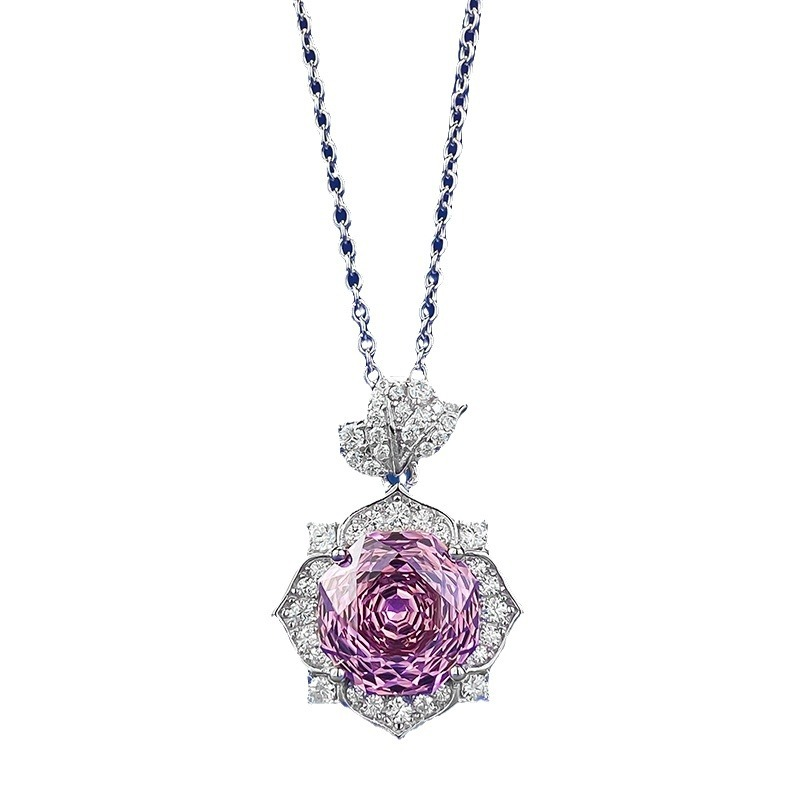
Buying Jewelry Online Safely: Verify, Compare, and Buy with Confidence
Buying jewelry online safely starts before you click on a product photo. Check the seller first, then the piece, then the policy. A polished image can hide weak details, vague terms, or checkout pages that do not protect you.
If you are shopping for an engagement ring, a gift, or a piece you plan to wear every day, buying jewelry online safely can save money and reduce stress. Strong retailers make it easy to compare metals, stones, sizing, and returns. Risky sellers rely on attractive photos and leave out the facts that matter.
The best approach is simple: verify the business, review the specifications, then compare the terms. That order helps you avoid overpaying for a piece that looks better than it is.
Why Buying Jewelry Online Safely Matters
Buying jewelry online safely matters because jewelry is emotional and technical at the same time. It needs to look right, fit right, and match the metal and stone quality you paid for. A ring that seems perfect in the cart can become a headache if the listing is vague.
The risk is real. FTC complaint data continues to flag online shopping and non-delivery issues among common fraud categories. That does not mean online jewelry stores are unsafe by default. It means you need a checklist, not a guess.
Price also needs context. A 14k gold piece is 58.3% pure gold, while 18k gold is 75% pure gold. That difference affects value, color, and wear over time. A 1.00-carat natural diamond ring can reach the mid-thousands and climb well above $10,000, while a lab-grown version of the same size often costs less. Platinum usually costs more than gold because of its density and market pricing, while sterling silver is more affordable but softer and more prone to tarnish.
Shoppers who compare the listing, the grading report, and the return policy before checkout make fewer mistakes. That habit is one of the most reliable ways to keep buying jewelry online safely.
Buying Jewelry Online Safely Starts With the Seller
Buying jewelry online safely begins with trust signals you can verify in minutes. If a retailer hides who they are, how they ship, or how they handle returns, keep looking.
Look for these basics:
- A real business name, phone number, email address, and physical address
- HTTPS checkout and payment methods with buyer protection
- Clear return, exchange, resizing, warranty, and shipping policies
- Independent reviews that discuss service, delivery, and problem resolution
- Product pages that list metal type, stone type, measurements, and report details
A store that supports buying jewelry online safely will answer direct questions without making you chase information. Ask about delivery timing, stone reports, resizing, and what happens if the item arrives damaged. If support goes silent before the sale, it usually gets worse after the sale.
Red Flags That Deserve a Stop
A few warning signs should send you elsewhere fast:
- The price is far below what the stated metal or stone quality should cost
- The listing uses words like premium or luxury without grades or measurements
- There is no return policy, or the window is unusually short
- Photos look generic, reused, or out of sync with the description
- Ring sizing help is missing
- Warranty language is buried or packed with exclusions
If a ring is listed as 14k gold with a 1.00-carat center stone and the price looks like costume jewelry, the math probably does not work. Buying jewelry online safely means trusting the numbers more than the marketing.
If you want to compare two stones side by side, compare lab-grown diamonds before you decide. Clear comparisons are easier when the store gives you the full picture.
Buying Jewelry Online Safely Means Reading the Specs
Buying jewelry online safely depends on details, not just style. Two pieces can look similar in photos and still differ a lot in value and quality.
Check these details Before You Order:
- Metal type and karat, such as 10k, 14k, 18k, platinum, or sterling silver
- Stone type, such as diamond, sapphire, emerald, ruby, or moissanite
- Stone origin, whether natural or lab-grown
- Carat weight, both total weight and center-stone weight
- Diamond cut, color, and clarity
- Setting style, such as prong, bezel, halo, pave, channel, tension, or solitaire
- Dimensions, including band width, chain length, pendant size, and clasp style
GIA explains the 4Cs of diamond quality as cut, color, clarity, and carat. That is different from an appraisal, which estimates replacement value. If you are buying diamond jewelry online safely, a grading report from GIA, IGI, or another recognized lab gives you a cleaner basis for comparison. For colored gemstones, ask whether the stone is natural, treated, or synthetic, since heat treatment, oiling, and diffusion can affect both value and durability.
How to Read a Listing Without Guessing
A good product page should answer the obvious questions before you email customer service. Read the listing in this order:
- Main specs
- Measurements and size references
- What is included in the box
- Policy details
- Care instructions
Watch for missing information. If a ring listing skips band width, if a necklace omits chain length, or if a bracelet hides the clasp style, you do not have enough to compare it fairly. Buying jewelry online safely gets much easier when the store tells you whether photos are enlarged, shown on a model, or shot at actual size.
If you want help with fit, check our ring size guide Before You Order. That small step can save you from a return or a resize later.
Know the Paper Trail
Buying jewelry online safely also depends on the documents behind the piece. Good paperwork reduces uncertainty and helps you compare similar items without relying on the sales pitch.
For diamond jewelry, look for a grading report rather than a generic appraisal alone. GIA and IGI reports are the most common reference points shoppers recognize, and they typically list the stone’s measurements, carat weight, cut proportions, color grade, clarity grade, and any fluorescence. If a seller offers only an in-house certificate, treat it as supporting information, not an independent comparison tool.
For precious metals, ask whether the item is stamped. Common stamps include 14k, 18k, PT, PLAT, or 925 for sterling silver. A stamp is not a guarantee by itself, but it is another sign the seller is describing the piece in a standard way. Some items, especially very small pieces, may be too small to stamp cleanly, so the product page should still state the exact metal content.
Appraisals are useful for insurance but are not the same as fair-market pricing. A retailer can provide an appraisal that looks high while the actual resale value is lower. When buying jewelry online safely, compare the current sale price, the specs, and the lab report first. Treat the appraisal as a separate document for coverage purposes.
If the retailer offers a warranty, read what it covers. Many warranties cover manufacturing defects but not loss, normal wear, accidental damage, or stone loss caused by neglect. That distinction matters on prong-set pieces and bracelets, where routine inspection can prevent a small issue from becoming a costly repair.
Compare Price and Policy Together
Buying jewelry online safely is not about finding the cheapest listing. Real value comes from the full package: product quality, documentation, shipping, service, and policy terms.
Use a like-for-like comparison. Match the same metal, stone type, stone size, setting style, and report level. A 14k solitaire with a 1.00-carat lab-grown center stone is not the same purchase as a 14k solitaire with a 1.00-carat natural center stone if the listing leaves out origin, cut, or certification.
Here is a simple way to compare common purchases:
| Jewelry Type | What to Compare | What Moves Price Most | Policy to Check |
|---|---|---|---|
| Plain 14k gold band | Weight, width, finish, comfort fit | Gold weight and craftsmanship | Resizing and return window |
| Diamond studs | Total carat weight, cut, color, clarity | Stone quality and setting security | Backs, certification, and returns |
| 1.00-carat diamond ring | Natural or lab-grown, cut, clarity, setting | Origin and grading level | Sizing, warranty, and insured shipping |
| Tennis bracelet | Stone total weight, clasp, metal type | Stone count and setting strength | Repair coverage and clasp support |
| Pendant necklace | Chain length, pendant size, stone size | Design detail and metal weight | Length exchange and packaging |
Policy matters as much as the price tag. A lower price is not a bargain if the seller offers no real return window, no resizing support, and no repair coverage. When you compare these terms together, buying jewelry online safely becomes much more predictable.
If you are still narrowing down style, browse our jewelry collection, explore engagement rings, or use our ring builder to compare options Before You Buy.
Choose the Right Metal and Setting
Buying jewelry online safely means matching the design to how you plan to wear it. The right metal and setting can make a piece last longer and feel more comfortable day to day.
For everyday rings, 14k gold is a practical balance of durability and color. It is harder than 18k gold because it contains less pure gold, which makes it less likely to scratch or bend. If you want a richer yellow tone and do not mind a softer metal, 18k gold is a strong choice. White gold usually needs rhodium replating over time, so ask the seller whether maintenance is included or recommended. Platinum is dense, naturally white, and very durable, but it is often heavier and more expensive.
For earrings and pendants, metal weight matters less than comfort and skin sensitivity. If you have sensitive ears, ask whether the posts are solid gold, platinum, or silver with gold plating. Plated jewelry can be fine for occasional wear, but it wears differently from solid metal and should be priced accordingly.
The setting affects both the look and the risk profile. Prong settings show more of the stone and usually cost less, but the prongs need periodic inspection because they can snag or wear down. Bezel settings hold the stone with a metal rim, which offers better protection and a cleaner profile for active wearers. Halo and pavé settings add sparkle but introduce more small stones, which means more places for wear or loosening. Channel settings are popular for bands because they protect the stone edges better than open prongs. Tension settings are visually striking, but they are less forgiving and should come from a retailer that clearly states maintenance and repair options.
For rings you plan to wear daily, comfort fit and band width matter more than many buyers expect. A 2 mm band and a 6 mm band feel very different even at the same ring size. A thicker band often needs to be sized slightly differently than a thin one. If the listing does not mention width, you are comparing incomplete products.
Get Sizing, Shipping, and Care Right
Buying jewelry online safely also means getting the fit and delivery right. A piece that does not fit is still the wrong purchase.
For rings, confirm the size in more than one way. Measure at a few different times of day if you can, since fingers can swell. Wide bands and heavy bands often fit differently than slim solitaire styles. If you are between sizes, ask whether the design can be resized later. Some eternity bands, tension settings, and patterned shanks are difficult or impossible to resize cleanly, so you should know that Before You Buy.
For bracelets and necklaces, measure against pieces you already own. A 17-inch necklace sits very differently from a 20-inch chain, and bracelet length often matters more than buyers expect. Clasp style also affects Comfort and Security, so do not skip it. Lobster clasps are common for strength, while box clasps and safety latches can offer extra security on heavier pieces.
Delivery deserves the same attention. For higher-value orders, look for:
- Insured shipping
- Signature confirmation
- Tracking that updates reliably
- Discreet packaging
- A realistic delivery window
Those details lower the chance of loss, theft, or a missed handoff. If the retailer does not explain them clearly, ask Before You Pay.
Care starts on day one. Store each piece separately so chains do not tangle and gemstones do not scratch one another. Clean by metal and stone type, not by habit. Pearls, emeralds, and treated stones need gentler care than a plain gold band. Ultrasonic cleaners are not appropriate for every stone, especially if the stone has fractures, treatments, or glued components.
Buying jewelry online safely does not end at checkout. It continues after delivery with smart storage, routine cleaning, and a record of the order, receipt, grading report, and warranty. Keep that file together. If something goes wrong, you will be glad you did.
Avoid Common Mistakes
Most bad jewelry purchases are not caused by one large failure. They usually come from a handful of small mistakes that could have been avoided with a slower read.
One common mistake is buying by carat weight alone. A 1.00-carat diamond with poor cut can look smaller and less lively than a well-cut stone that weighs less. Cut affects brightness, sparkle, and face-up size, so it should be one of the first things you compare. Another mistake is assuming all certifications are equal. A recognized lab report gives you a more reliable basis than a vague seller certificate.
Another issue is ignoring the setting. A fragile pavé ring may look elegant in photos, but if it is meant for daily wear and the buyer does not want maintenance visits, a bezel or sturdier prong design may be a better fit. Similarly, a delicate chain can be beautiful, but it may not suit someone who wears jewelry to work, to the gym, or while traveling.
Shoppers also underestimate resizing and alterations. Not every ring can be resized multiple times without consequences. If the piece has stones around the full band, engraving, or a complex pattern, resizing may be limited. Ask Before You Buy instead of hoping the jeweler can fix it later.
Finally, many buyers skip the return policy because they are focused on the design. That is a mistake on high-value purchases. Know whether returns are allowed, who pays return shipping, whether restocking fees apply, and whether the item has to come back unworn in its original packaging. If the seller marks custom work as final sale, you need to be comfortable with that before checkout.
Run a Tight Checkout
Buying jewelry online safely comes down to a careful checkout process. The last few minutes matter most because small mistakes can get expensive fast.
Before you submit payment, confirm these points:
- Exact item name, metal, stone type, and size
- Shipping address and recipient name
- Return window and any final-sale exclusions
- Warranty, resizing, and repair terms
- Shipping insurance and signature confirmation
- Taxes, engraving fees, and rush charges
- Saved screenshots or PDFs of the product page and order summary
Use a credit card or another protected payment method. Public Wi-Fi is a poor choice for a high-value order, so use a secure network instead. If the retailer offers phone, chat, or email support, test it Before You Buy. A real answer now usually means better help later.
Shoppers who save the listing, the policy pages, and the order summary resolve disputes faster. That simple habit is one of the most practical parts of buying jewelry online safely.
Pressure tactics deserve caution too. A limited-time offer can be real, but urgent countdowns and constant upsells often hide weak terms. Take a minute, compare one or two alternatives, and buy the piece you actually want.
FAQ
How do I know if an online jewelry store is reputable?
A reputable store makes it easy to verify who they are, how to contact them, and what happens after the sale. Look for a real business name, physical address, secure checkout, and clear return terms. Reviews from independent sources matter more than polished testimonials on the store site. That mix gives you a much stronger base for buying jewelry online safely.
Is it safe to buy an engagement ring online?
Yes, if the store gives you full specs, a grading report, insured shipping, and a fair return or exchange policy. Ring sizing matters too, so confirm the size before you order or choose a retailer that offers resizing support. Buying jewelry online safely for an engagement ring is mostly about documentation and policy quality. If those two areas are weak, keep shopping.
What should I look for when buying diamond jewelry online?
Check the diamond's origin, carat weight, cut, color, clarity, and lab report. GIA or IGI documentation gives you a stronger comparison point than a vague sales description. Photos or videos should show scale, not just sparkle. When you're buying jewelry online safely, the listing should also tell you what comes with the piece, such as an appraisal, warranty, or care card.
Can I return jewelry bought online if it does not fit?
Often yes, but the policy depends on the retailer and the product type. Custom, engraved, or altered pieces are often final sale, while stock items may be returnable or exchangeable. Read the policy before payment so there are no surprises if the fit is off. That one step keeps buying jewelry online safely from turning into a return headache.
Ready to Find Your Perfect Diamond?
Explore our collection of certified lab-grown diamonds
Shop Diamonds