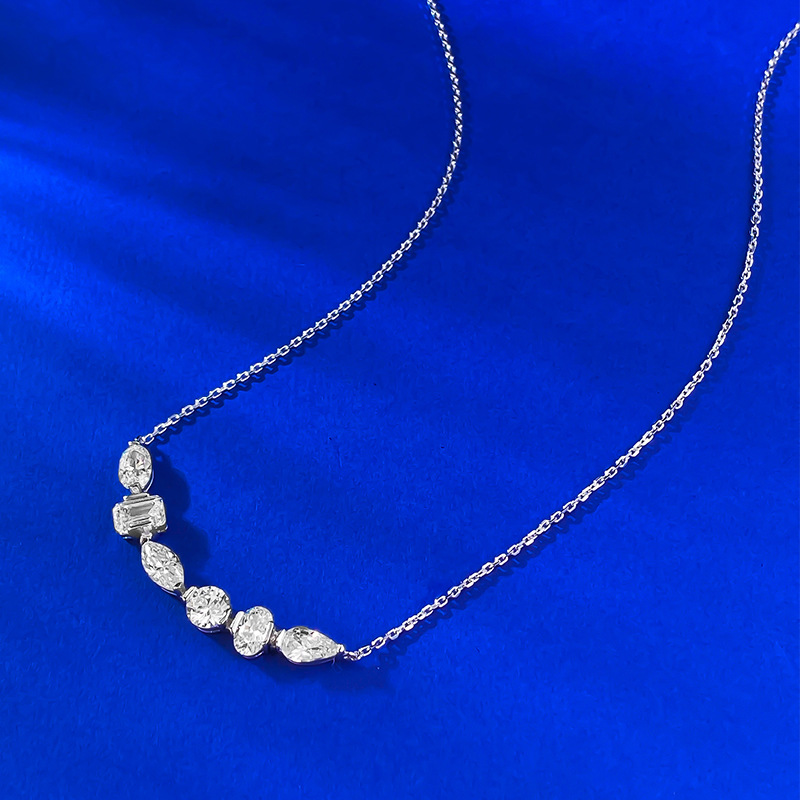
Travel Jewelry Hotel Safe Checkout Checklist
Fine jewelry is easy to lose during hotel checkout because it often lives apart from the rest of your luggage. Your suitcase may be zipped. Your passport may be in your bag. Your rings, earrings, or necklace may still be in the safe, on a bathroom shelf, or tucked into a pouch in the nightstand.
That is why a travel Jewelry Hotel Safe checkout checklist matters. It turns a stressful morning into a simple routine you can repeat, even when a rideshare is waiting downstairs and someone is asking where the room key went.
I have helped many StoneBridge customers choose travel-friendly diamond pieces for honeymoons, destination weddings, anniversary trips, and once-in-a-lifetime proposals. The same concern comes up again and again: how do you enjoy wearing beautiful jewelry without worrying about leaving it behind?
This comparison looks at two common ways to protect jewelry while traveling: using a hotel safe and using a dedicated travel jewelry case. The strongest choice for most travelers is a hybrid system: organize every piece in a case, place the case in the safe when needed, then check it against a written list before you leave.
Travel Jewelry Hotel Safe Checkout Checklist: What You Need to Compare
A hotel safe helps keep jewelry out of sight while you are away from the room. A travel jewelry case gives each item its own place, so chains do not knot and earring backs do not disappear. A travel jewelry Hotel Safe Checkout checklist connects both tools with a habit you can trust.
Jewelry creates a special packing problem. It is small, valuable, and easy to separate from your normal travel items. A 1.00 carat diamond ring, a tennis bracelet, or a pair of lab-grown diamond studs can fit in a tiny pouch, yet each piece may carry major financial or emotional value.
For jewelry care, storage matters too. The Gemological Institute of America notes that diamond ranks 10 on the Mohs hardness scale. That durability is helpful for daily wear, but it also means diamonds can scratch softer gems and metals if pieces rub together in one bag.
A useful comparison should cover six points:
- Security when jewelry is not being worn
- Ease of packing and unpacking
- Risk of leaving jewelry behind
- Protection from scratches and tangles
- Insurance and photo documentation
- Fit for your trip type and jewelry value
The hotel safe method leans toward security. The jewelry case method leans toward organization. A travel Jewelry Hotel Safe checkout checklist makes either method safer because it forces one last Check Before You return the key cards.
Why Jewelry Gets Left Behind at Checkout
Hotel checkout is rarely calm. Flights, children, conference calls, group travel, housekeeping knocks, and late alarms can all speed up your morning. You pack the items you can see first: clothes, chargers, shoes, toiletries, and documents.
Jewelry is different. It may be hidden in the safe, sitting near the sink, wrapped in tissue, or placed inside a robe pocket. A white gold ring on a pale counter or a small earring back on a towel can vanish in plain sight.
I have heard more than one version of this story from customers: the ring was placed somewhere "safe for just a minute," then checkout turned chaotic (trust me, I have seen it happen). The problem is not carelessness. The problem is that travel interrupts normal habits.
A travel jewelry hotel safe checkout checklist helps because it does not depend on memory. It gives you a set order: body, bathroom, bedside table, safe, case, carry-on, then final sweep.
Ask yourself one question before every trip: if checkout were rushed, where would I forget this piece? The answer usually tells you where your routine needs help.
Professional jewelers often recommend keeping diamond jewelry dry, separated, and protected from friction. Travel insurers also tend to expect reasonable care, current photos, and prompt reporting if a valuable item goes missing. Those steps are easier when your jewelry has one assigned place.
Option A: Hotel Safe Method for Travel Jewelry
The hotel safe method is simple. You remove jewelry before swimming, sleeping, working out, or going to the spa. Then you place it in the room safe and open the safe before leaving.
This approach works well for travelers carrying a few high-value pieces, such as an engagement ring, diamond studs, a watch, or a sentimental necklace. The safe keeps jewelry away from housekeeping traffic, room service visits, shared bathrooms, and exposed surfaces.
Still, the same feature that helps can cause trouble. The safe hides jewelry. If you do not use a travel jewelry hotel safe checkout checklist, hidden can become forgotten.
Hotel Safe Checklist Steps
Start before the trip. Photograph each piece, note the metal and stone details, and check whether your insurance covers travel. If you own higher-value jewelry, keep appraisals and grading reports stored separately from the jewelry itself.
Use this hotel safe routine:
- Pack jewelry in a small case or soft divided pouch.
- Photograph the packed case before leaving home.
- Place the full case inside the hotel safe, not loose pieces.
- Set a phone reminder labeled: open hotel safe before checkout.
- Check the safe with your hand and phone light.
- Compare the case with your photo inventory.
- Put the case in your carry-on, not checked luggage.
A travel jewelry hotel safe checkout checklist is especially helpful on multi-city trips. If you switch hotels every 2 or 3 nights, your brain has to track too many room layouts. A written routine removes the guesswork.
Pros of the Hotel Safe Method
A hotel safe lowers casual exposure when jewelry is not on your body. That matters before beach days, pool time, spa appointments, gym visits, and outdoor activities.
It also keeps jewelry away from common danger zones. Bathrooms add moisture. Nightstands invite clutter. Suitcase pockets can hide small pouches under clothes.
The safe method suits formal trips where you wear jewelry only for certain events. Think destination weddings, business dinners, cruises, galas, or anniversary travel.
Cons of the Hotel Safe Method
Hotel safes vary. Some have poor lighting, shallow space, sticky keypads, or batteries that fail at the worst time. If the safe locks you out, you may need hotel staff before you can leave.
A safe also does not protect jewelry from damage. Loose chains can tangle. Diamond earrings can scratch gold pendants. Earring backs can roll into corners.
Honestly, I think the biggest mistake travelers make is treating the safe as the whole plan. It should be the outer layer, not the only layer. The travel jewelry hotel safe checkout checklist should always include a case check and a hand sweep inside the safe.
Option B: Travel Jewelry Case Method
A dedicated travel jewelry case gives every piece a home. Rings go into ring rolls. Necklaces clip into tabs. Studs sit in paired holes or small compartments. Bracelets lie flat under padded dividers.
This method makes jewelry easier to see. If one ring slot is empty or one earring back is missing, you notice fast. A travel jewelry hotel safe checkout checklist works better when the case layout is consistent from trip to trip.
For StoneBridge Jewelry customers who travel with lab-grown diamond rings, pendants, bracelets, and earrings, this matters. Lab-grown diamonds have the same chemical composition and hardness as mined diamonds. GIA and IGI grading reports may assess the 4Cs: cut, color, clarity, and carat weight.
The sparkle can travel. The storage still needs care.
Travel Jewelry Case Features to Look For
Choose a case that lets you confirm each item in 30 seconds or less. If you need to dig through layers, the case is not doing enough work.
Look for these features:
- Ring rolls for engagement rings, bands, and stackable rings
- Necklace tabs or elastic loops to reduce tangles
- Earring panels that keep pairs and backs together
- Padded sections for bracelets and watches
- Soft lining for gold, platinum, pearls, and softer gems
- Secure zipper or snap closure
- Compact size that fits inside a carry-on
Keep the case in the same carry-on pocket every time. That one habit can prevent a lot of searching, especially during early flights or late-night hotel changes.
Pros of the Travel Jewelry Case Method
A jewelry case protects against the most common travel damage. Necklaces tangle less, earrings stay paired, and rings avoid loose contact with harder stones.
It also makes checkout faster. You open the case, touch each compartment, compare it with your photos, and zip it closed.
This method works best for a small travel jewelry wardrobe. One ring, one pendant, one bracelet, and one pair of earrings can cover many outfits without turning checkout into a treasure hunt.
Cons of the Travel Jewelry Case Method
A case is not a safe. If you leave it on a dresser, it gathers everything valuable into one easy-to-spot package.
A large case can also tempt you to overpack. Six necklaces and eight rings may look organized, but each extra piece adds risk.
For fine jewelry, use the case for order and the safe for controlled access. The travel jewelry hotel safe checkout checklist should bring both parts together.
Hotel Safe vs Jewelry Case: Quick Comparison
The right choice depends on your trip, your jewelry value, and how often you plan to wear each piece. Use the table to choose a routine before you pack.
| Decision Factor | Hotel Safe Method | Travel Jewelry Case Method | Better Choice |
|---|---|---|---|
| Theft deterrence | Strong when jewelry is not worn | Weak if left visible | Hotel safe |
| Checkout memory | Riskier because jewelry is hidden | Easier because contents are visible | Jewelry case |
| Scratch prevention | Works only if pieces are separated | Strong with padded dividers | Jewelry case |
| Packing speed | Slower if the safe is forgotten | Fast visual check | Jewelry case |
| Airport transit | Not useful after checkout | Best in carry-on | Jewelry case |
| Sentimental jewelry | Safer than exposed surfaces | Easier to inventory | Hybrid method |
| Multi-city travel | Helpful but easy to forget | Organized but less secure alone | Hybrid method |
For most fine jewelry, the hybrid method wins. Put the organized case inside the safe. Set an alarm. Use your travel jewelry hotel safe checkout Checklist Before You leave the room.
Who Should Use Each Travel Jewelry Strategy
Choose the hotel safe method if you bring one or two valuable pieces that you will not wear every day. This fits destination weddings, formal dinners, business travel, and resort stays.
Choose the travel jewelry case method if you rotate pieces often. If you change earrings from day to night or wear different necklaces with different outfits, organization matters more.
Choose the hybrid method for honeymoons, cruises, multi-city trips, and family travel. These trips mix dressy events, busy mornings, shared rooms, and tight checkout windows.
In my time working with StoneBridge customers, I have noticed that people often feel safest traveling with fewer, better pieces. A pair of lab-grown diamond studs or one pendant can do more work than a crowded jewelry roll (yes, even on a budget).
If you want versatile pieces before a trip, you can browse our fine jewelry collection. If you are comparing diamond options, our lab-grown diamonds page can help you review carat weight, shape, and quality factors.
Engagement Rings, Wedding Bands, and Hotel Safes
Engagement rings and wedding bands need their own plan. People remove them for swimming, sunscreen, workouts, sleep, spa treatments, and hand lotion. Those are exactly the moments when rings get misplaced.
Do not place a ring loose on a sink ledge, towel, tray, or nightstand. Use a ring slot, ring roll, or small zip pouch inside your jewelry case. Then place the case inside the hotel safe when you are not wearing the ring.
Your travel jewelry hotel safe checkout checklist should include a physical touch check of the ring slot. Do not rely on a quick look. Small rings hide in shadows.
Here is what nobody tells you about proposal trips: the ring is not the only thing you are carrying. You are carrying nerves, excitement, travel plans, dinner reservations, and a very big secret. Give yourself a simple storage routine so the moment stays joyful instead of stressful.
If you are choosing a ring before a major trip, compare settings with lower profiles and secure prongs. You can review styles in our engagement rings collection or use the ring builder to compare diamond size, shape, and setting height.
Necklaces, Bracelets, and Earrings on the Road
Necklaces need tabs, loops, or small sleeves. A chain tossed into a pouch can kink, knot, or wrap around another piece.
Bracelets need padded storage, especially tennis bracelets with flexible links and many prongs. Do not press them under shoes, cosmetics, or hard chargers.
Earrings need paired storage. A missing earring back can make a favorite pair useless for the rest of the trip.
Pack pieces that earn their space. Diamond studs, a simple pendant, a slim bracelet, and one polished ring often cover casual days and evening plans.
For wedding weekends, I usually suggest choosing jewelry that supports the outfit without needing constant attention. You want to be present for the vows, the photos, the speeches, and the people you love, not checking every hour to make sure a clasp survived the dance floor.
The Best Hybrid Checkout Routine
The best travel jewelry hotel safe checkout checklist uses sight, touch, and place. You look at the case, touch each compartment, and return the case to its assigned carry-on pocket.
Use this 10-step routine before you leave:
- Check what you are wearing: rings, earrings, necklace, bracelet, and watch.
- Check the bathroom counter, sink ledge, towel shelf, shower shelf, and toiletry bag.
- Check the nightstand, under pillows, floor, drawers, robe pockets, and shelves.
- Open the hotel safe before packing your final carry-on items.
- Remove the jewelry case and place it on a clear surface.
- Touch every ring slot, necklace tab, earring panel, and bracelet section.
- Compare the case with your photo inventory.
- Sweep the safe interior with your hand and phone light.
- Zip the case and place it in your assigned carry-on pocket.
- Return key cards only after jewelry is confirmed in your carry-on.
After the trip, inspect your jewelry again. Check prongs, clasps, earring posts, bracelet safety catches, and necklace chains. Clean pieces gently if they touched sunscreen, lotion, sweat, salt air, or chlorine.
The travel jewelry hotel safe checkout checklist is not about worrying more. It is about making one calm habit for the most rushed part of your stay.
Shop Travel-Ready Jewelry from StoneBridge Jewelry
The smartest travel plan is not packing more jewelry. It is packing pieces that work hard and checking them carefully.
Lab-grown diamond jewelry is a strong travel choice because it offers polish without needing a large rotation. A classic pair of studs, a 1.00 carat pendant, or a slim diamond bracelet can move from daytime plans to dinner with little effort.
Travel-friendly StoneBridge picks include:
- Lab-grown diamond stud earrings for compact sparkle and easy outfit pairing
- Lab-grown diamond necklaces for a simple day-to-night piece
- Lab-grown diamond bracelets for weddings, cruises, and formal travel plans
- Lab-grown diamond rings for polished daily wear or a travel-friendly band
Before your next hotel stay, keep the plan simple. Pack fewer pieces. Store each one separately. Use the safe when jewelry is not worn. Follow your travel jewelry hotel safe checkout Checklist Before You walk out the door.
Ready to Find Your Perfect Diamond?
Explore our collection of certified lab-grown diamonds
Shop Diamonds