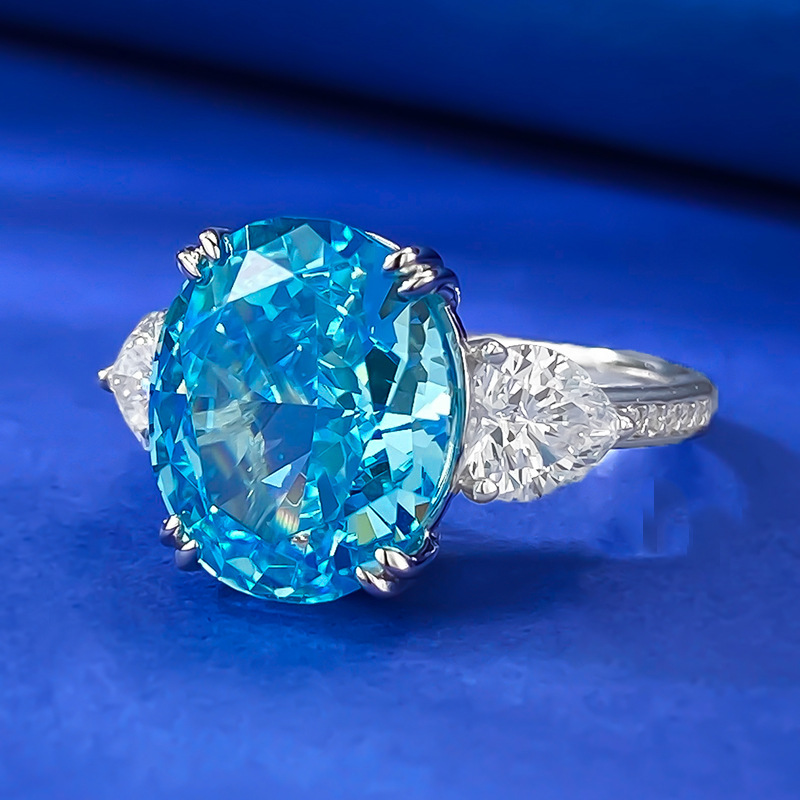
Fine Jewelry Travel Hotel Safe Checkout Log: Safer Than a Travel Case?
A fine jewelry travel Hotel Safe Checkout log does one job a jewelry travel case can't do: it proves where your pieces were, when they moved, and whether you checked them before leaving. A travel case protects rings, necklaces, earrings, and bracelets from scratches, pressure, and tangles. Both matter, but they don't solve the same problem.
If you're packing diamond studs, an engagement ring, a tennis bracelet, or an heirloom pendant, the better question isn't, "Which one should I buy?" It's, "What system keeps my jewelry protected and accounted for?"
For honeymoons, destination weddings, cruises, business trips, and family travel, the safest answer is usually both. Use the case to protect the jewelry. Use the fine jewelry travel hotel safe checkout log to document each piece from check-in to checkout.
Quick Answer: Use the Log for Accountability and the Case for Protection
A fine jewelry travel hotel safe checkout log is a written or digital record of the jewelry you place in a hotel safe. It should show what went in, what came out, who checked it, and whether every item was verified before checkout.
A jewelry travel case is a physical organizer. It keeps chains from knotting, ring settings from pressing against other pieces, and earring backs from disappearing into a bag lining.
Here is the simplest way to think about it: the log protects the record, and the case protects the piece. If you lose jewelry on a trip, a neat case alone won't help much. If your pieces are scratched or tangled, a detailed log won't repair them.
That is why a fine jewelry travel hotel safe checkout log works best as part of a travel routine. Photograph the jewelry before you leave. Pack each item in a discreet travel case. Store unworn pieces in the hotel safe. Update the log each time jewelry moves.
What Is a Fine Jewelry Travel Hotel Safe Checkout Log?
A fine jewelry travel hotel safe checkout log is a simple inventory for fine jewelry during a hotel stay. It can live in a secure phone note, spreadsheet, printed checklist, or travel folder.
A useful entry includes the item name, metal type, gemstone details, identifying numbers, value, condition notes, and a timestamp. For example: "Platinum engagement ring, 2.00 ct oval lab-grown diamond, IGI Report Number saved, placed in safe at 9:40 p.m., returned to ring roll at 8:15 a.m."
The goal isn't paperwork for its own sake. The goal is to prevent the small mistakes that happen during real travel: a ring left near a sink, studs wrapped in tissue, or a bracelet tucked in a robe pocket before breakfast.
We've found that customers often remember to pack carefully before a trip, but they forget how much jewelry moves once they arrive. Dinner, beach time, spa visits, photos, and early flights all create moments where pieces can be removed and misplaced.
What to Record in the Hotel Safe Log
A strong fine jewelry travel hotel safe checkout log should be detailed enough to identify each piece, but short enough that you'll actually use it. If it takes more than a minute to update, most people stop doing it by day two.
Include these fields:
- Item name: engagement ring, wedding band, diamond studs, tennis bracelet, pendant, brooch.
- Metal type: 14k yellow gold, 18k white gold, platinum, rose gold, or sterling silver.
- Gemstone details: diamond shape, carat weight, color, clarity, and lab-grown or natural origin if known.
- Identification: GIA or IGI report number, appraisal ID, receipt number, engraving, or personal inventory number.
- Estimated replacement value: use a current receipt or appraisal, not a guess.
- Condition notes: loose prong, worn clasp, missing earring back, surface scratches, or pearl sensitivity.
- Photos: top view, side view, clasp view, hallmarks, report numbers, and a group photo of your travel capsule.
Track movement with plain labels: "packed," "placed in safe," "removed," "worn," "returned," and "verified before checkout." The final line matters most. Before leaving the room, open the safe, turn on your phone light, and check every corner.
What Is a Jewelry Travel Case?
A jewelry travel case is a compact organizer with ring rolls, necklace hooks, earring panels, padded sections, and a secure closure. It keeps fine jewelry separated during transit and easy to see during the trip.
A good case reduces friction, pressure, and loose parts. It can stop a chain from knotting into a tight ball, keep earring backs paired with studs, and prevent a ring setting from rubbing against a bracelet clasp.
GIA notes that diamond ranks 10 on the Mohs hardness scale. That hardness makes diamond highly resistant to scratching, but it also means diamond can scratch softer jewelry materials, including gold, platinum, pearls, opals, and many colored gemstones.
A case helps with that risk. Still, it doesn't create an audit trail. If the case is left in a drawer or stolen from a bag, you still need photos, insurance records, and a fine jewelry travel hotel safe checkout log to show what you brought.
What to Look for in a Fine Jewelry Travel Case
Choose a travel case that matches the jewelry you actually wear. A large organizer may look useful at home, but if it's bulky, you'll be tempted to leave it in luggage or skip it altogether.
Look for these features:
- Soft lining that won't abrade polished metal, pearls, or delicate finishes.
- Separate zones for rings, earrings, bracelets, pendants, and fine chains.
- Ring rolls that hold engagement rings and bands upright.
- Necklace tabs or hooks with pockets to reduce tangling.
- Earring panels that keep posts and backs together.
- A zipper closure instead of a loose snap or open pouch.
- A compact shape that fits inside a personal item, not checked luggage.
- A discreet exterior without logos that signal valuables.
Physical separation is more than neat packing. A 2.00 carat diamond ring bouncing against a pearl pendant can leave permanent marks. A Tennis Bracelet Clasp rubbing against a pavé band can nick metal or catch tiny prongs.
Side-by-Side Comparison: Hotel Safe Log vs. Jewelry Travel Case
The fine jewelry travel hotel safe checkout log and the jewelry travel case protect against different travel risks. One helps you avoid loss. The other helps you avoid damage.
| Criteria | Fine Jewelry Travel Hotel Safe Checkout Log | Jewelry Travel Case | Better Choice |
|---|---|---|---|
| Accountability | Records each item and movement | No built-in record | Hotel safe log |
| Damage prevention | No padding or separation | Cushions and separates pieces | Travel case |
| Checkout safety | Creates a final verification step | Helps you see what is packed | Hotel safe log |
| Insurance support | Adds timestamps, photos, and item notes | Helps only if paired with records | Hotel safe log |
| Daily styling | Requires checking a list | Keeps pieces visible and ready | Travel case |
| Theft reduction | Encourages safe storage | Limited without a safe | Hotel safe log |
| Cost | Free or nearly free | Varies by material and size | Hotel safe log |
| Best use | Valuable, insured, sentimental, or multiple pieces | Daily organization and surface protection | Use both |
For a quick score:
| Travel Need | Best Tool | Score |
|---|---|---|
| Prevent leaving jewelry behind | Fine jewelry travel hotel safe checkout log | 5/5 |
| Prevent chain knots and scratches | Jewelry travel case | 5/5 |
| Support a claim with trip-specific detail | Fine jewelry travel hotel safe checkout log | 4.5/5 |
| Make outfit changes easier | Jewelry travel case | 4.5/5 |
| Protect valuable jewelry overall | Both together | 5/5 |
The log wins for accountability. The case wins for daily handling and physical protection. For valuable fine jewelry, the combined system wins.
Pros and Cons of a Fine Jewelry Travel Hotel Safe Checkout Log
A fine jewelry travel hotel safe checkout log is the better tool if you're carrying high-value, insured, or sentimental jewelry. It costs nothing to create, takes little time, and helps prevent rushed checkout mistakes.
Pros:
- Records every movement, not just the original packing list.
- Supports insurance files with timestamps, descriptions, and photos.
- Reduces the chance of leaving jewelry in a safe, drawer, bathroom, or robe pocket.
- Helps couples or families coordinate shared storage.
- Creates a repeatable routine for frequent travelers.
- Makes small valuables easier to verify before leaving the hotel.
Cons:
- Requires discipline each time a piece moves.
- Does not cushion jewelry or prevent scratches.
- Can expose sensitive details if stored carelessly.
- Depends on correct hotel safe use.
- May feel unnecessary for costume jewelry or one low-value piece.
Privacy matters. Don't name the file "expensive diamond jewelry in hotel safe." Use a neutral label like "travel inventory" or "packing record." Protect the note with your phone lock, strong passwords, and secure cloud settings.
Pros and Cons of a Jewelry Travel Case
A jewelry travel case solves visible problems quickly. It keeps your capsule neat, protected, and easy to use.
Pros:
- Prevents tangles, scratches, and loose earring backs.
- Keeps rings, chains, studs, and bracelets separated.
- Makes packing and unpacking faster.
- Helps you see which pieces you brought.
- Protects delicate chains, pavé settings, clasps, and posts.
- Pairs well with a hotel safe routine.
Cons:
- Does not prove what was packed or removed.
- Can be misplaced if carried casually.
- Concentrates several valuable pieces in one place.
- Offers limited theft protection without a safe.
- May not fit watches, cuffs, or larger statement jewelry.
The safest use of a case is simple: pack jewelry in the case, carry it in your personal item, and place the case in the hotel safe when the pieces aren't being worn. Then update the fine jewelry travel hotel safe checkout log.
Which Option Should You Choose for Your Trip?
Choose a fine jewelry travel hotel safe checkout log if you're bringing more than one valuable item, traveling with insured jewelry, or carrying pieces with sentimental value. It is especially useful for engagement rings, wedding bands, diamond studs, tennis bracelets, anniversary jewelry, and heirlooms.
Choose a travel case if your main concern is physical care. It is the better tool for preventing scratched metal, kinked chains, bent earring posts, and missing backs.
Use both for honeymoons, destination weddings, cruises, business trips, formal events, and luxury vacations. These trips often include outfit changes, pool time, spa appointments, photos, late dinners, and early checkouts. More movement means more chances for mistakes.
If you're deciding what jewelry deserves suitcase space, keep the capsule small. A pair of lab-grown diamond studs, a solitaire pendant, a wedding band or low-profile ring, and a tennis bracelet can cover many outfits without turning your hotel safe into a jewelry drawer. You can browse timeless fine jewelry for pieces that are easy to style, photograph, and document.
Best Choice for Engagement Rings and Wedding Jewelry
Engagement rings and wedding bands need a consistent travel routine. Photograph them, insure them, log them, and store them the same way each time they're not worn.
A fine jewelry travel hotel safe checkout log helps because rings are small, valuable, and often removed near water. Pools, beaches, sinks, gyms, and spa treatments all raise the risk of loss or damage.
Lab-grown diamond engagement rings need the same care as mined diamond rings. Both can have the same hardness and optical properties, and both rely on secure prongs, clean settings, and careful storage. If you're comparing travel-friendly ring styles, explore engagement rings or design a ring with our ring builder.
Before leaving, inspect prongs and settings. A loose stone is easier to fix at home than during a trip. If the itinerary includes hiking, snorkeling, or heavy luggage handling, consider wearing a lower-profile band and leaving fragile heirlooms at home.
Best Choice for Frequent Travelers
Frequent travelers should save a reusable fine jewelry travel hotel safe checkout log template. Keep the structure the same for each trip, then update the dates, destination, and selected pieces.
A practical capsule might include diamond studs, one pendant, one bracelet, and one ring. Four items are faster to verify than twelve, and fewer pieces lower the chance of losing track.
Use the same checkout routine every time:
- Open the hotel safe and remove the jewelry case.
- Compare each item against the fine jewelry travel hotel safe checkout log.
- Check the safe interior, door ledge, shelf, and corners with a phone light.
- Check the bathroom, sink area, nightstand, drawers, robe pockets, luggage, and jacket pockets.
- Confirm every item is packed in the case.
- Review the log again before leaving the hotel property.
It may sound careful, but it takes less than five minutes. Searching for a missing diamond stud in a checkout rush takes much longer.
Insurance, Appraisals, and Authority Guidance
Jewelry insurance requirements vary by policy, so review your coverage before travel. Many insurers ask for receipts, appraisals, photos, grading reports, and clear descriptions for higher-value pieces.
GIA and IGI grading reports can identify diamond details such as carat weight, color grade, clarity grade, measurements, and report number. Those numbers help distinguish one diamond from another, especially for engagement rings and stud earrings.
A fine jewelry travel hotel safe checkout log doesn't replace an appraisal or policy. It adds trip-specific evidence. It can show that a bracelet was placed in the safe at 10:12 p.m., removed for dinner the next evening, returned after wear, and verified before checkout.
Specific records beat vague memory. "White gold bracelet" is weak. "14k white gold lab-grown Diamond Tennis Bracelet, 7 inches, box clasp, appraised at $3,200, photographed before travel" is much stronger.
Expert Recommendation from StoneBridge Jewelry
Our recommendation is clear: don't choose between a fine jewelry travel hotel safe checkout log and a travel case. Use both.
Start before departure. Photograph each piece in good light. Capture hallmarks, clasps, engravings, diamond shapes, report numbers, and any existing wear. Save receipts, appraisals, GIA or IGI reports, and insurance details in a secure place separate from the jewelry.
Pack jewelry in a discreet case that keeps diamonds away from softer gems and metals. Never place fine jewelry in checked luggage. Carry it in your personal item, then move unworn pieces into the hotel safe after arrival.
During the trip, update the fine jewelry travel hotel safe checkout log each time a piece moves. If you remove a tennis bracelet before the pool, log it when it returns to the safe. If your wedding band stays on all day, mark it as worn daily rather than stored.
Before checkout, verify every item. Check the safe twice. Check the travel case. Scan the bathroom, nightstand, drawers, laundry bags, jacket pockets, and luggage. Then mark the final confirmation in the log.
Recommended Travel Jewelry Capsule
A strong capsule gives you style without too much inventory. Choose pieces with secure clasps, sturdy settings, and simple silhouettes.
Consider packing:
- Lab-grown diamond studs for daily wear, dinners, and work events.
- A solitaire pendant that works with casual and formal necklines.
- A low-profile diamond band or wedding band for active days.
- A lab-grown diamond tennis bracelet for evening wear.
- One statement ring only if the itinerary truly calls for it.
This capsule is easy to photograph, describe, insure, and log. It also keeps your options polished without packing your whole jewelry box.
If a clasp feels loose, a chain catches on fabric, or a ring prong looks raised, schedule a jeweler inspection before travel. Small repairs are much easier before a flight than after a loss.
Shop Travel-Ready Fine Jewelry at StoneBridge Jewelry
The best travel system pairs a fine jewelry travel hotel safe checkout log with jewelry that earns its place in your capsule. Choose pieces that are versatile, well-made, easy to document, and secure enough for repeated wear.
Build your travel capsule here:
- Shop lab-grown diamond earrings
- Shop lab-grown diamond bracelets
- Shop lab-grown diamond necklaces
- Shop lab-grown diamond engagement rings
You can also shop lab-grown diamonds and choose stones with details that are easy to record, including carat weight, shape, color grade, clarity grade, and certification.
Before your next trip, create the fine jewelry travel hotel safe checkout log, photograph every piece, pack a discreet travel case, and bring only the jewelry you plan to wear. That small habit protects your style, your records, and your peace of mind.
FAQ
How do I make a fine jewelry travel hotel safe checkout log?
Start with a secure note, spreadsheet, or printed checklist. Add each piece, metal type, gemstone details, estimated value, appraisal or receipt information, and clear photos. Record every time an item goes into or comes out of the hotel safe. Add a final checkout line after you inspect the safe, case, bathroom, nightstand, and luggage.
Is a fine jewelry travel hotel safe checkout log better than a jewelry travel case?
A fine jewelry travel hotel safe checkout log is better for accountability, loss prevention, and insurance support. A jewelry travel case is better for preventing scratches, tangles, pressure damage, and missing earring backs. For valuable rings, diamonds, bracelets, and heirlooms, the safest choice is using both. The log tracks the jewelry, and the case protects it.
Should I put my engagement ring in a hotel safe while traveling?
If you're not wearing your engagement ring, a hotel safe is usually safer than a drawer, bathroom counter, robe pocket, or suitcase. Add the ring to your fine jewelry travel hotel safe checkout log with photos, appraisal details, and any GIA or IGI report number. Avoid wearing it during swimming, spa treatments, workouts, or rough outdoor activities. Check prongs before you leave and again when you get home.
What jewelry should I bring on vacation?
Bring a small travel jewelry capsule instead of your full collection. Diamond studs, a pendant, a wedding band or low-profile ring, and one bracelet usually cover most dinners, events, and everyday outfits. Choose pieces with secure clasps, sturdy settings, and clean profiles that won't snag. Fewer pieces are easier to pack, insure, photograph, and record in a hotel safe checkout log.
Does jewelry insurance require a hotel safe log?
Policy rules vary, so check your jewelry insurance before you travel. Many claims are easier to support when you have appraisals, receipts, grading reports, photos, and itemized descriptions. A fine jewelry travel hotel safe checkout log adds useful trip details, such as timestamps and checkout verification. It should support your insurance file, not replace your official documents.
Ready to Find Your Perfect Diamond?
Explore our collection of certified lab-grown diamonds
Shop Diamonds