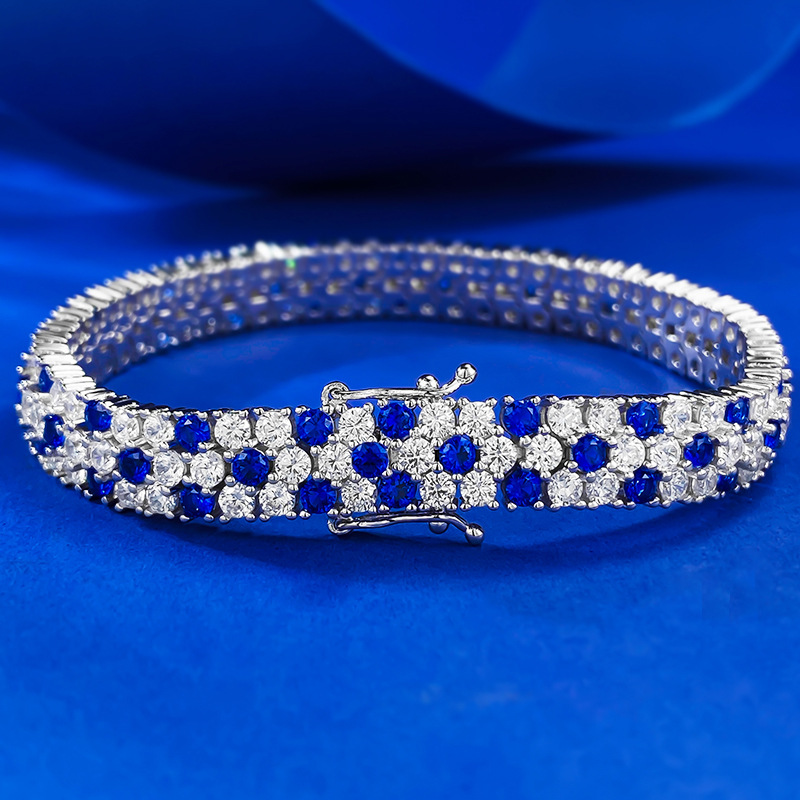
Fine Jewelry Hotel Safe Photo Log Guide for Safer Travel
A fine Jewelry Hotel Safe photo log guide gives you a simple way to prove what you packed, what condition it was in, and when it went in or out of a hotel safe. That matters when you're traveling with an engagement ring, lab-grown diamond studs, a tennis bracelet, a pendant, or an heirloom piece.
Hotel safes are useful, but they don't create records for you. Your phone can. A structured inventory can do even more.
Use this guide to compare two practical habits: quick phone photos and a more detailed jewelry inventory. It isn't legal or insurance advice. Your policy, destination, hotel rules, and claim process all matter, so confirm requirements with your insurer before you travel.
What a Fine Jewelry Hotel Safe Photo Log Guide Actually Does
A fine Jewelry Hotel Safe photo log guide creates a visual record around your jewelry storage routine. It can show that your diamond earrings were in your travel case before dinner, that your Tennis Bracelet Clasp looked secure before you left the room, or that your engagement ring came out of the safe before checkout.
I've helped plenty of couples choose engagement rings and wedding jewelry they planned to take on honeymoons, destination weddings, and anniversary trips. The excitement is real, and so is the little knot in your stomach when you realize how much meaning is packed into one tiny ring box.
Most travelers use one of two methods:
- A basic phone photo log with quick images of each item, the travel case, and the closed safe.
- A structured jewelry inventory with photos, item details, receipts, appraisals, grading reports, insurance notes, and condition updates.
Both are better than relying on memory. The phone method works well for one or two insured pieces on a short trip. The structured method is stronger for high-value jewelry, bridal sets, lab-grown diamond jewelry, international travel, or any piece that would be hard to replace.
Use this practical test: would you be able to describe the item clearly under stress? If not, a fine jewelry hotel safe photo log guide is worth the few minutes it takes (trust me, stress makes details disappear fast).
Why Hotel Safe Photos Matter for Fine Jewelry
Fine jewelry is small, valuable, and easy to misplace during travel. A ring can sit on a bathroom counter. Earrings can stay in a spa locker. A bracelet can hide under the lining of a suitcase. A hotel safe lowers some risk, but it doesn't document possession, condition, or value.
A fine jewelry hotel safe photo log guide helps fill that gap. Photos can include date and time metadata, often stored as EXIF data on smartphones. Many phones also record location if that setting is turned on, though you may want to keep location sharing off for privacy.
A photo log can support your records in common travel situations:
- You switch rooms and need to confirm every item came out of the first safe.
- Housekeeping enters while your jewelry is stored.
- You leave early and want a final check before checkout.
- A clasp, prong, chain, or earring back looks different after travel.
- Your insurer asks for recent photos, receipts, report numbers, or appraisals.
Insurance companies often ask for proof of ownership, value, and condition for jewelry claims. Many jewelers and insurers suggest updating appraisals every 2 to 3 years, especially for higher-value pieces, because metal prices and replacement costs change.
Gemological records matter too. GIA diamond reports list details such as carat weight, measurements, color, clarity, and cut information. GIA uses a D-to-Z color scale and 11 clarity grades, from Flawless to Included. IGI reports for lab-grown diamonds may include growth method, measurements, grades, and report numbers.
A fine jewelry hotel safe photo log guide doesn't replace those records. It connects your travel photos to them.
Option 1: Basic Phone Photo Log for Hotel Safe Jewelry
The basic phone method is the fastest fine jewelry hotel safe photo log guide. You take quick images before jewelry goes into the safe and again when it comes out. Once you know the sequence, it usually takes 1 to 3 minutes per safe use.
Use this method if you're traveling with a small jewelry wardrobe. Maybe you're wearing your engagement ring daily but storing diamond studs before the pool. Maybe you're bringing one pendant and one pair of earrings for a weekend trip.
Follow the same order each time:
- Photograph each item on a clean, light surface before it goes into the travel case.
- Take close-ups of prongs, clasps, hallmarks, engravings, posts, backs, and stone layouts.
- Photograph the jewelry inside the travel case.
- Photograph the case inside the hotel safe without showing the safe code.
- Photograph the closed safe after locking it.
- Repeat the process when you remove jewelry for wear.
Keep sensitive details out of the frame. Don't include passports, room numbers, credit cards, boarding passes, or safe combinations. If you want a date reference, use a harmless item such as a dated itinerary with private details covered.
Customers often photograph only the prettiest angle. That's fine for memories, but it's not enough for documentation. For a ring, capture the prongs, side profile, gallery, shank, and engraving. For a tennis bracelet, capture the clasp, safety latch, and several links. For diamond studs, capture the posts, backs, and basket settings.
Honestly, I think the "unflattering" photos are the most useful ones. The side profile, clasp close-up, and earring-back shot may never make it into a vacation album, but they are exactly what you want if you need to show what a piece looked like before dinner, before the beach, or before checkout.
Phone Photo Log: Pros, Limits, and Best Uses
A phone-only fine jewelry hotel safe photo log guide is easy to repeat. That makes it useful during busy trips, especially when you're leaving the room several times a day.
| Factor | Basic Phone Photo Log |
|---|---|
| Cost | Free |
| Setup time | 1 to 3 minutes |
| Organization | Camera roll, secure album, or trip folder |
| Insurance value | Helpful support, not full proof |
| Best fit | Short trips with one or two insured pieces |
Pros:
- It's free and available on most smartphones.
- It's fast enough to use every day.
- Photos usually include date and time metadata.
- It helps you check the safe before leaving the room.
- It creates a better record than memory alone.
Limits:
- Photos can get buried in your camera roll.
- Shared cloud albums may create privacy concerns.
- Images may not include values, report numbers, or purchase details.
- Poor lighting can hide loose prongs or worn clasps.
- A photo by itself may not satisfy an insurance claim.
Use this method for short domestic trips, reputable hotels, one engagement ring, one pair of diamond studs, or jewelry already backed by a current appraisal and insurance schedule. It also works as a quick backup if you didn't build a full inventory before leaving home.
Option 2: Structured Jewelry Inventory for Travel
A structured inventory is the stronger fine jewelry hotel safe photo log guide for valuable pieces. It starts before the trip and follows your jewelry through packing, hotel storage, daily wear, checkout, and post-trip inspection.
This method works well for destination weddings, honeymoons, cruises, international travel, anniversary trips, and business events. It also suits travelers carrying several pieces, such as lab-grown diamond studs, a tennis bracelet, a pendant necklace, wedding bands, and an engagement ring.
In my years working with fine jewelry clients, I've noticed that the people who feel most relaxed while traveling are usually the ones who did a little boring prep before they left. Not glamorous, no. Helpful? Absolutely.
Include these fields in your inventory:
- Item name, such as oval solitaire engagement ring or lab-grown diamond tennis bracelet.
- Metal type, such as 14k white gold, 18k yellow gold, platinum, or rose gold.
- Stone type, such as lab-grown diamond, natural diamond, sapphire, emerald, or moissanite.
- Carat weight, including center stone weight or total carat weight.
- GIA, IGI, or other grading report number, when available.
- Purchase date and retailer.
- Purchase price and current insured value.
- Appraisal date and appraiser name.
- Condition notes, including prong wear, clasp tension, scratches, resizing, or repairs.
- Travel storage plan, such as hotel safe, carry-on, or home safe.
A structured fine jewelry hotel safe photo log guide should include clear images. Take one full photo of each item, then close-ups of identifying details. Save receipts, appraisals, and grading reports in a separate secure folder.
Security matters here. Use a password-protected folder, encrypted notes app, secure cloud vault, or offline encrypted storage. Don't save hotel safe codes with jewelry photos. Don't name files with hotel room numbers. Don't keep the only copy on the same phone you might lose.
Structured Inventory: Pros, Limits, and Best Uses
A structured fine jewelry hotel safe photo log guide takes more work, but it gives you cleaner records. Plan on 30 to 90 minutes before travel, depending on how many pieces you bring and whether your appraisals are already organized.
Pros:
- It pairs photos with values, receipts, reports, and condition notes.
- It makes conversations with insurers, jewelers, or hotel staff easier.
- It works well for multiple high-value pieces.
- It gives you a before-and-after condition record.
- It helps you spot outdated appraisals or missing documents before you leave.
Limits:
- It takes time to set up.
- It needs secure digital storage.
- It may feel excessive for one low-risk trip.
- It needs updates after resizing, repair, resetting, or a new appraisal.
- It creates privacy risk if saved carelessly.
Choose this method for bridal jewelry, diamond collections, lab-grown diamond pieces with grading reports, international trips, cruises, and jewelry worth a significant amount. If losing it would create financial stress, emotional stress, or both, document it before you pack.
Phone Photos vs. Structured Inventory: Quick Comparison
The right fine jewelry hotel safe photo log guide depends on your jewelry, trip length, and paperwork. Phone photos are fast. A structured inventory gives stronger context.
| Criteria | Basic Phone Photo Log | Structured Jewelry Inventory |
|---|---|---|
| Setup time | 1 to 3 minutes per safe use | 30 to 90 minutes before travel |
| Cost | Free | Usually free, unless appraisals need updates |
| Organization | Camera roll or secure album | Folder, spreadsheet, or inventory file |
| Insurance support | Shows possession and condition | Links photos to value, receipts, reports, and notes |
| Privacy | Risky if synced to shared accounts | Safer if encrypted and access-controlled |
| Daily use | Very easy | Easy after setup |
| Best traveler | One or two insured pieces | Multiple valuable pieces or bridal sets |
| Condition tracking | Limited unless photos are detailed | Strong, because notes and images stay together |
The best setup often combines both. Build the structured inventory before you leave, then use phone photos as the daily hotel-safe record. That way, you keep the routine simple without losing the deeper paperwork.
This approach can also guide what you bring. Durable, versatile pieces are easier to wear and document. If you're planning a travel jewelry wardrobe, browse our fine jewelry collection with item descriptions, metal details, and diamond information in mind.
Who Should Use Each Photo Log Method
A fine jewelry hotel safe photo log guide should match your real risk, not someone else's packing list. Start with three questions: how many pieces are you bringing, how valuable are they, and how hard would they be to replace?
Choose the basic phone log if you're carrying one or two insured everyday pieces. It suits a business trip where you wear your engagement ring daily but store diamond studs during workouts. It also works for a weekend resort stay with one pendant and one pair of earrings.
Choose the structured inventory if you're traveling with engagement rings, tennis bracelets, diamond necklaces, several lab-grown diamond pieces, or jewelry with strong emotional value. It also helps collectors and shoppers who rotate pieces during a trip.
Trip type matters too:
- Business trips: Use a phone log for one ring or a structured file for formal-event jewelry.
- Honeymoons: Use a structured inventory for engagement rings, wedding bands, and evening pieces.
- Resort vacations: Use daily phone photos because pools, spas, and beaches mean frequent safe use.
- Cruises: Use a structured system because ports, formal nights, and cabin access can add complexity.
- International travel: Use a structured inventory and review coverage before departure.
- Destination weddings: Use a structured file for bridal sets, gifts, heirlooms, and event jewelry.
Here's what nobody tells you: the jewelry you bring for a wedding trip often carries more emotion than dollar value. A grandmother's pendant, the earrings from your partner, the band you just exchanged, or the bracelet gifted by family can feel impossible to replace. Give those pieces the extra documentation, even if they aren't the most expensive items in your case.
If you're unsure whether a piece should travel, ask your insurer about coverage away from home. Ask a jeweler to inspect prongs, clasps, links, posts, and settings. You can also contact StoneBridge Jewelry experts for help choosing travel-friendly fine jewelry.
Expert Recommendation: Use Both Systems Together
The strongest fine jewelry hotel safe photo log guide uses a structured inventory plus quick phone photos during the trip. The inventory gives you value, identity, and condition records. The phone photos show your hotel-safe routine in real time.
Use this workflow:
- Build a pre-trip inventory with photos, metal type, stone type, carat weight, purchase details, grading report numbers, appraisals, and insurance information.
- Inspect every piece before packing, including prongs, clasps, bracelet links, earring backs, chains, and ring settings.
- Photograph jewelry at hotel arrival before placing it in the safe.
- Take daily check-out and check-in photos when jewelry leaves or returns to the safe.
- Take a final room-departure photo with every item outside the safe before checkout.
- Inspect pieces after the trip and compare them with your pre-trip notes.
Professional inspection before major travel is smart, especially for rings and bracelets. Prongs can loosen. Bracelet links can stretch. Earring backs can lose tension. Chain clasps can wear in a way that's hard to notice until something fails.
If you're choosing new pieces before a trip, shop with documentation in mind. You can shop lab-grown diamonds, explore engagement rings, or compare settings with our ring builder. Clear item details, report numbers, carat weight, color, clarity, cut quality, and setting information all make a fine jewelry hotel safe photo log guide stronger.
Travel-Ready Jewelry Worth Documenting
StoneBridge Jewelry designs and curates fine jewelry for people who want beauty they can actually wear. A fine jewelry hotel safe photo log guide protects your records. Smart jewelry choices make the routine easier.
Good travel pieces tend to be secure, versatile, and easy to photograph. Lab-grown diamond studs are compact and pair with almost anything. Tennis bracelets bring polish to evening outfits, but you should document the clasp and safety latch. Solitaire engagement rings have clear identifying details when the setting, stone, and engraving are well recorded.
Diamond pendant necklaces also travel well when the clasp and chain are in good shape. Stackable rings can give you styling options without packing too many statement pieces. Before any trip, skip jewelry that feels loose, damaged, uninsured, or too emotionally important to risk.
If you're planning a proposal trip, be especially careful. The ring may be small enough to hide in a jacket pocket, but it carries a huge amount of anticipation and tenderness. A few private photos before you leave can give you one less thing to worry about while you're planning the moment (yes, even if the plan changes three times because of weather).
Build the Photo Log Before You Need It
A fine jewelry hotel safe photo log guide is one of the easiest travel habits to start. It helps you document what you packed, where you stored it, and what condition it appeared to be in before and after hotel safe use.
The phone-only method is quick, free, and better than no record. The structured inventory is the better choice for premium fine jewelry because it connects photos with item details, appraisals, receipts, insurance records, grading reports, and condition notes.
Build the file before travel. Review your coverage. Update appraisals when needed. Ask a jeweler to inspect delicate parts before major trips. Then use daily phone photos at the hotel so the habit stays simple.
Ready to choose jewelry that's beautiful, wearable, and easier to document? Compare travel-ready lab-grown diamond studs, tennis bracelets, engagement rings, and diamond pendant necklaces from StoneBridge Jewelry before your next trip.
FAQ
How do I make a hotel safe photo log for fine jewelry?
Start at home with clear photos of each piece, including stones, settings, clasps, engravings, hallmarks, and certificates. At the hotel, photograph the jewelry before it goes into the safe and again when you remove it. Keep the safe code, room number, passport, and credit cards out of every frame. For stronger records, pair the images with item descriptions, values, grading report numbers, appraisals, and insurance details.
Is a photo log enough for a jewelry insurance claim?
A photo log can support a claim, but it usually isn't enough by itself. Insurers often want proof of ownership, value, and condition, which may include receipts, appraisals, insurance schedules, and grading reports. Ask your insurer what they require for jewelry worn away from home before you travel. Keep secure backups separate from the jewelry and separate from the phone you carry daily.
Should I photograph jewelry inside the hotel safe?
Yes, but keep the photo clean and private. Photograph the jewelry in its travel case or pouch inside the safe without showing the combination, keypad pattern, room number, passport, or other sensitive details. A quick image before locking and another after removing items can create a useful time-stamped record. Make sure the photo clearly shows the jewelry, not just a closed pouch.
What fine jewelry should I leave at home when traveling?
Leave irreplaceable heirlooms, uninsured high-value pieces, damaged jewelry, and items you don't plan to wear often in a secure location at home. Travel is better suited to insured, versatile pieces such as diamond studs, a secure pendant necklace, a well-fitted ring, or a bracelet with a reliable clasp. If a piece has loose stones, weak prongs, or a worn clasp, don't pack it until a jeweler checks it. A fine jewelry hotel safe photo log guide helps with records, but it can't remove every risk.
What is the best way to organize jewelry photos while traveling?
Create a secure trip folder or encrypted album before you leave. Name or caption each image with the item, date, and simple location, such as hotel safe or pre-trip inspection. Keep receipts, appraisals, grading reports, and insurance details in a separate protected backup. Separate documentation photos from beauty photos so you can Find the Right record quickly if something goes wrong.
Ready to Find Your Perfect Diamond?
Explore our collection of certified lab-grown diamonds
Shop Diamonds