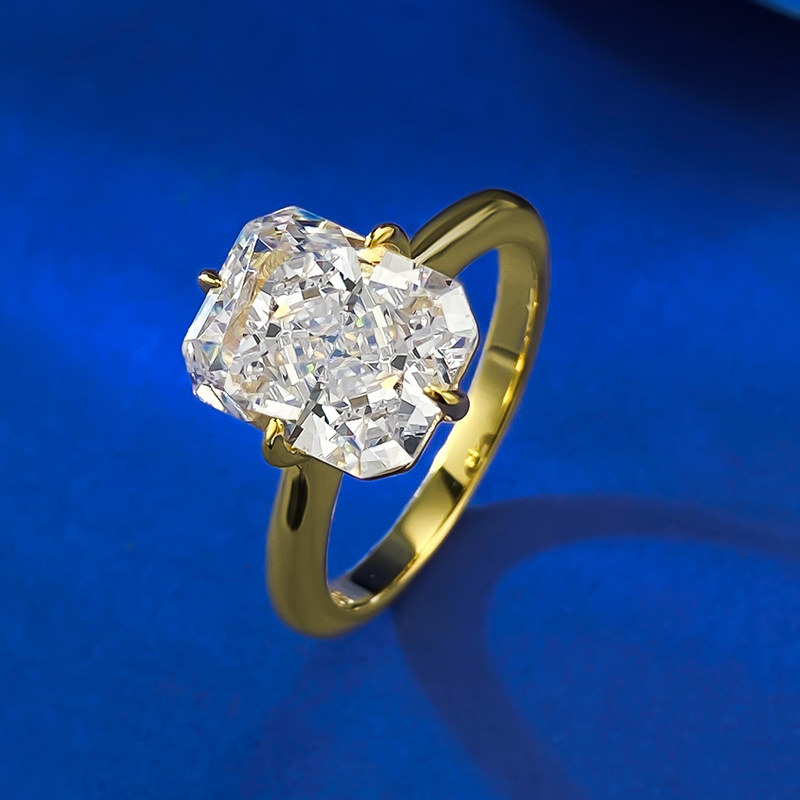
Sterling Silver vs White Gold Price Factors Buyers Should Know
Sterling Silver vs White Gold price factors matter because the metal you choose changes more than the sticker price. It affects how a piece wears, how often it needs care, how it looks after months of use, and what you’ll likely spend over time. That matters whether you’re buying an everyday chain, a bridal band, or a meaningful gift.
The price gap comes from composition, labor, finishing, and craftsmanship. Sterling silver is usually the more affordable option, while white gold brings higher metal value, stronger durability, and a different long-term ownership cost. If you’re comparing rings, earrings, bracelets, or pendants, understanding Sterling Silver vs White Gold price factors helps you Choose with Confidence instead of guessing from appearance alone.
Sterling Silver vs White Gold: The Basics
Sterling silver is a precious-metal alloy made from 92.5% pure silver and 7.5% other metals, usually copper. That 925 stamp you often see on jewelry refers to the standard sterling silver mix. Pure silver is too soft for most jewelry, so alloying gives it more strength and everyday wearability.
White gold is real gold blended with white-colored alloy metals such as nickel, palladium, silver, or zinc. It’s usually sold in karat levels like 10K, 14K, or 18K. A 14K white gold ring contains 58.5% gold, while 18K white gold contains 75% gold. The rest comes from strengthening alloys that affect color, hardness, and price.
That composition difference is one of the biggest reasons Sterling Silver vs White Gold price factors separate so clearly. Gold has a much higher raw material value than silver, so white gold starts at a higher base price before design or labor are added.
What purity means for price
Purity affects price in direct, measurable ways:
- Higher precious-metal content usually means higher material cost.
- More gold content raises the base price of white gold jewelry.
- Sterling silver stays lower in cost because silver is far less expensive than gold per ounce.
- Alloy choice affects durability, color, and how much polishing or plating the finished piece needs.
Market pricing changes all the time, but the pattern stays the same. Gold trades at a much higher value than silver on major exchanges, which is why White Gold Jewelry usually costs more from the start. The U.S. Geological Survey has also reported that gold’s market value runs well above silver’s, and GIA notes that metal choice affects both appearance and wear behavior.
What buyers usually get at different price points
At lower price points, sterling silver pieces often focus on style, lightness, and accessible design. You may see simpler settings, smaller gemstone accents, or mass-produced styles with a clean polish. If the craftsmanship is strong, silver can still look very refined.
White gold at a lower price point usually appears in 10K or 14K form, often with smaller stones or simpler settings. As the budget rises, white gold pieces tend to show better finishing, stronger prong work, more detailed settings, and sometimes larger diamonds or custom touches.
In plain terms, Sterling Silver vs White Gold price factors tell you more than what the piece is made of. They hint at the build quality you should expect too.
What Drives Sterling Silver vs White Gold Price Factors
Several forces Shape the Final retail price. Raw metal cost is only part of the story. Labor, setting style, finishing, and brand position all matter too.
1) Raw metal market prices
This is the most obvious factor. White gold starts with gold, one of the most valuable jewelry metals. Sterling silver starts with silver, which is much less expensive. Because of that, the metal itself takes up a larger share of the total cost in white gold jewelry.
Gold prices can move sharply based on demand, inflation fears, currency shifts, and global uncertainty. Silver also moves with market conditions, but the effect on jewelry pricing is usually less dramatic because silver begins at a lower baseline value. That’s why sterling silver vs White Gold Price factors often widen when gold prices climb.
2) Labor and manufacturing
A plain sterling silver band can be quick to make. A white gold ring with a halo, pavé diamonds, or custom engraving takes more time, more skilled labor, and tighter quality control.
Labor cost rises when a piece needs:
- Precision stone setting
- Hand polishing
- Complex soldering
- Size adjustments
- Custom design work
White gold often needs more careful handling during fabrication because the alloy is harder and the final finish usually includes rhodium plating. That extra step adds cost. Sterling silver pieces can be made efficiently, but a well-finished silver design still costs more than a basic machine-made one.
3) Design complexity
The more detail a piece has, the more it costs. A simple white gold hoop and a diamond-accented white gold engagement ring are priced very differently. The same goes for sterling silver.
Design details that raise price include:
- Milgrain edges
- Hidden halos
- Micro-pavé settings
- Fancy gallery work
- Custom engraving
- Mixed-metal construction
These details affect both metals, but they show up more strongly in white gold because the piece is often positioned as fine jewelry. That raises expectations for craftsmanship and finish.
4) Finishing and plating
Both sterling silver and white gold can be plated or coated for appearance. White gold is commonly plated with rhodium to create a bright white finish. Rhodium plating improves color, but it also adds an extra step in production and future maintenance cost.
Sterling silver may be rhodium-plated too, especially in higher-end fashion and fine jewelry. That can improve brightness and slow tarnish, but it also adds to the retail price. When you compare sterling silver vs white gold price factors, plating matters because it changes both the look in the store and the upkeep later.
5) Purity standards and alloy blend
The karat level in white gold affects price right away. 18K white gold contains more pure gold than 14K, so it costs more and often feels richer in value. But 14K white gold is usually harder and more practical for daily wear.
Alloy blend matters too. Some white gold alloys use palladium, which can raise cost because it’s a precious metal and can create a whiter base color. Nickel alloys may cost less, but they can be a concern for people with sensitive skin.
Sterling silver has less variation in purity, but it can still differ based on whether it’s polished, plated, antiqued, or made with more labor.
Sterling Silver Pricing Factors
Sterling silver is usually the lower-cost option, but that doesn’t mean every silver piece is cheap. The price range can vary a lot depending on design and finish.
Why sterling silver stays affordable
The main reason is simple: material cost. Silver is much less expensive than gold, so the raw metal price stays manageable. That makes sterling silver a strong choice for buyers who want real precious metal without paying gold-level prices.
Sterling silver is also widely used in production, which can keep manufacturing more efficient. Simple chains, cuffs, and bands can reach accessible price points.
What raises the price of sterling silver jewelry
Even within sterling silver, several factors can move the price up:
- Heavier metal weight
- Hand finishing
- Fine gemstone settings
- Brand reputation
- Rhodium plating
- Intricate chain construction
- Artisan or custom work
A sterling silver bracelet with one small stone may cost far less than a sterling silver ring with pavé accents, engraving, and a protective finish. So while sterling silver vs white gold price factors usually favor silver, the gap narrows as design complexity increases.
Hidden ownership costs buyers should expect
Sterling silver is attractive for budget-conscious shoppers, but ownership costs matter. Silver can tarnish, especially with air, moisture, lotions, perfumes, and sulfur in the environment. That means you may spend more time polishing it to keep it bright.
Common hidden costs include:
- Anti-tarnish storage
- Periodic polishing cloths
- Rhodium replating on plated pieces
- Repairs for bent components or worn clasps
- More frequent cleaning
If you wear a sterling silver piece often, those small tasks become part of the real cost. That doesn’t make it a bad choice. It just changes how you should look at sterling silver vs white gold price factors.
White Gold Pricing Factors
White gold usually costs more because the precious-metal content is higher, and the finished piece often needs more production steps.
Why white gold starts at a higher price
White gold contains gold, and gold has a much higher intrinsic value than silver. The more gold in the alloy, the more expensive the base metal becomes. That’s why 18K white gold usually costs more than 14K white gold, and both often cost more than sterling silver.
White gold also sits in the fine-jewelry category more often. Buyers expect stronger construction, better settings, and a higher level of polish. That positioning affects price too.
Karat level and alloy blend
Karat level is one of the clearest white gold price signals. Here’s a simple comparison:
| Metal | Typical Composition | Common Use | Price Impact |
|---|---|---|---|
| Sterling silver | 92.5% silver | Fashion and fine silver jewelry | Lowest baseline |
| 10K white gold | 41.7% gold | Durable daily wear | Lower white gold tier |
| 14K white gold | 58.5% gold | Popular engagement and fine jewelry | Mid-range white gold |
| 18K white gold | 75% gold | Luxury and premium settings | Highest common tier |
Higher karat means more gold content and a higher cost. It also means a softer metal. Many buyers pick 14K white gold because it balances price, strength, and appearance well.
Rhodium plating and long-term maintenance
White gold is often plated with rhodium to create a bright white surface. That gives the metal the cool, reflective finish many shoppers expect, but the plating can wear over time. When it fades, the underlying alloy may show a warmer tint.
That means white gold may need replating every so often, depending on wear. The cost is usually modest compared with the original purchase price, but it still counts in the real ownership cost. Buyers comparing sterling silver vs white gold price factors should include future service needs.
Labor intensity and setting security
White gold is often used for diamond rings, anniversary bands, and higher-value pieces. Those designs need precise setting work. Prongs must hold stones securely. Bezels must be shaped accurately. Invisible or pavé settings demand skill and close inspection.
GIA guidance on jewelry craftsmanship notes that setting quality affects both durability and stone security. That means a white gold piece with diamonds may cost more not just because of the metal, but because the jeweler spent more time making sure the stones stay safe and the piece holds its shape.
Design style, diamonds, and custom work
White gold is common in engagement rings because it pairs cleanly with diamonds. That pairing can raise the final price fast. Diamond size, cut quality, color grade, and clarity all affect ring cost, and the metal choice adds another layer.
For example, a 0.50 carat diamond in a simple white gold solitaire setting will cost less than a 1.00 carat center stone in a halo with pavé shoulders and a custom basket. The metal itself may only be one part of the total, but it still matters.
Custom work raises cost too. If you’re building a ring from scratch through our ring builder, expect to pay more for custom dimensions, special stone placement, and one-off details. That’s normal in fine jewelry.
Which Metal Offers Better Long-Term Value?
The best value depends on how you define value. If you want the lowest upfront cost, sterling silver usually wins. If you want better durability and a longer service life, white gold often makes more sense.
Upfront cost versus lifecycle cost
Sterling silver is easier on the budget at checkout. That makes it appealing for:
- Trend-driven fashion pieces
- Gift purchases
- First fine-jewelry buys
- Travel jewelry
- Pieces worn occasionally
White gold often wins over time because it resists dents, holds settings better, and tends to feel more substantial. It may also need less frequent replacement if you wear it every day.
Here’s a simple way to compare sterling silver vs white gold price factors over the life of a piece:
| Factor | Sterling Silver | White Gold |
|---|---|---|
| Upfront price | Lower | Higher |
| Durability | Moderate | High |
| Tarnish resistance | Lower | Higher |
| Maintenance | More frequent polishing | Occasional replating |
| Everyday wear | Good with care | Better for frequent wear |
| Resale perception | Lower | Stronger |
| Bridal/fine-jewelry status | Lower | Higher |
Which buyers usually prefer sterling silver
Sterling silver works well for shoppers who want style at a lower cost. It’s also a strong choice for people who like having several pieces to rotate through their wardrobe instead of investing heavily in one item.
Sterling silver can be ideal if you value:
- Budget-friendly purchases
- Fashion variety
- Lightweight comfort
- Lower-risk gifting
- Temporary or occasional wear
If you’re buying silver, ask about plating, tarnish resistance, and cleaning Tips Before You check out.
Which buyers usually prefer white gold
White gold appeals to buyers who want stronger long-term value, especially for rings that will be worn often. It’s a common choice for bridal jewelry, fine diamond pieces, and heirloom-style designs.
White gold may be the better fit if you value:
- Better durability
- Higher perceived value
- More secure stone settings
- A fine-jewelry look and feel
- Less frequent replacement
For bridal shoppers, exploring engagement rings can help you compare settings and metal options side by side.
Gifting, bridal jewelry, and collector appeal
For gifts, sterling silver offers a polished look at a manageable price, which can be perfect for birthdays, anniversaries, and milestone moments. White gold usually feels more formal and investment-minded, which makes it a strong option for engagement rings and special occasion jewelry.
Our customers often say they choose sterling silver for style pieces and White Gold for Everyday heirlooms. That split makes sense. A well-made silver piece can deliver excellent value without the premium of gold.
What to Consider Before You Choose
Metal choice should reflect how you live, not just how the jewelry looks in a display case.
Lifestyle and wear frequency
If you plan to wear the piece daily, white gold usually handles that schedule better. It’s more resistant to dents and better suited to rings, bracelets, and necklaces that see frequent contact.
If the jewelry is for occasional wear, sterling silver may be enough. It can look elegant and polished, especially for dress pieces and fashion-forward styles.
Skin sensitivity and care preferences
Some white gold alloys contain nickel, which can irritate sensitive skin. Ask about the alloy before buying if this is a concern. Sterling silver is generally well tolerated, though some wearers react to the other metals in the alloy or to tarnish buildup.
Care matters too. If you don’t want to polish or store jewelry carefully, white gold may feel easier to manage. If you don’t mind routine upkeep, sterling silver can be a smart buy.
Sizing, cleaning, and inspection
Rings should be sized correctly from the start. Poor sizing can stress prongs, change comfort, and shorten the life of the piece. If you’re unsure, learn about ring sizing before ordering.
A few practical care steps help both metals:
- Remove jewelry before swimming, cleaning, or heavy exercise.
- Store pieces separately to prevent scratches.
- Use a soft cloth for cleaning.
- Inspect prongs and clasps regularly.
- Ask for professional cleaning on diamond and gemstone pieces.
If you need help with stone-set styles, sizing, or custom recommendations, contact our jewelry experts for personal guidance.
Final Takeaway: Choosing the Right Metal for Your Budget and Style
Sterling silver vs white gold price factors come down to metal value, durability, craftsmanship, and long-term care. Sterling silver gives you an attractive precious-metal look at a lower entry price. White Gold Costs more, but it usually delivers stronger durability, better setting security, and a more lasting fine-jewelry feel.
If you want affordable style, sterling silver is a smart buy. If you want a ring or heirloom piece that can stand up to frequent wear, white gold is often worth the higher cost. Compare the tradeoffs, check the setting quality, and choose the metal that fits your budget and daily routine.
Ready to shop? Browse our jewelry collection and compare styles, metal options, and settings that match your taste and budget.
Frequently Asked Questions
Why does white gold usually cost more than sterling silver?
White gold usually costs more because it contains more valuable metal, especially at 14K and 18K levels. It also takes more finishing work, including rhodium plating in many cases. Those extra steps raise the final retail price. If you’re comparing sterling silver vs white gold price factors, the raw metal value is the biggest driver.
Is sterling silver or white gold better for daily wear?
White gold is usually the better pick for daily wear because it handles dents and scratches better than sterling silver. Sterling silver can still work for everyday use if you’re fine with regular polishing and careful storage. For rings and bracelets worn all the time, white gold tends to hold up better. That’s why many buyers choose it for pieces they don’t want to baby.
Does sterling silver look like white gold at first glance?
Yes, both metals can look bright and white, especially when freshly polished. The difference shows up over time because sterling silver can tarnish and white gold usually keeps a more stable look with rhodium plating. Some white gold alloys also have a slightly warmer base tone. If appearance matters most, ask to compare both in person under natural light.
What drives the price of white gold rings the most?
Gold content is the biggest factor, followed by karat level, setting work, and overall design complexity. Diamonds or other gemstones can raise the price even more, especially if the setting needs a lot of hand labor. Rhodium plating and custom sizing can add smaller costs too. If you’re shopping for a ring, ask for a full price breakdown so you know where the money goes.
Is sterling silver a good value for fine jewelry?
Yes, sterling silver can be a very good value if you want real precious metal without the higher cost of gold. It works well for fashion pieces, gifts, and occasional wear. The tradeoff is that it usually needs more care and may not last as long under heavy daily use. For many buyers, that’s a fair trade for the lower starting price.
Ready to Find Your Perfect Diamond?
Explore our collection of certified lab-grown diamonds
Shop Diamonds