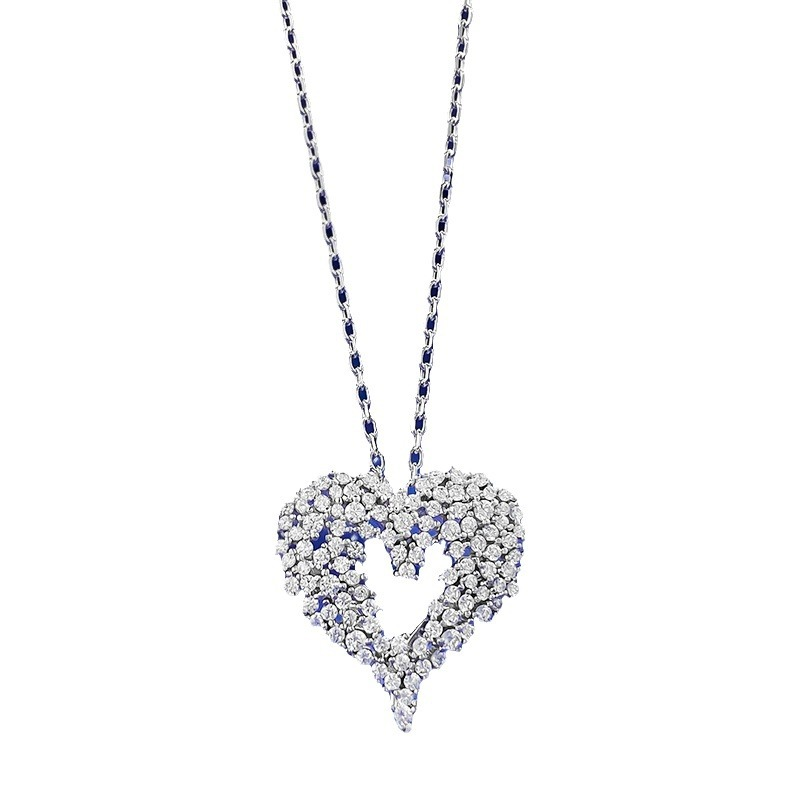
Sterling Silver vs White Gold Inspection Checklist for Buyers
A Sterling Silver vs White Gold inspection checklist helps you spot the differences that matter before you spend money. The two metals can look close in photos, but they wear very differently once they’re on the body. Which one makes more sense for your ring, earrings, necklace, or bracelet?
Start with the basics: metal stamps, finish quality, setting strength, and care needs. Sterling silver usually costs less up front, while white gold sits in the fine-jewelry tier and often lasts longer with daily wear. If you know what to check, you can Buy with Confidence instead of guessing from a polished product photo.
That matters even more if you’re comparing pieces with diamonds or colored stones. A beautiful setting can hide weak prongs, a thin shank, or poor finishing until it is too late. The best buyers look beyond the shine and inspect how the jewelry is built, how it will age, and what it will cost to keep it looking good.
Sterling silver vs white gold inspection checklist: what to check first
A good Sterling Silver vs White Gold inspection checklist keeps you focused on details you can verify. Look at the stamp, the surface, the stone setting, and the seller’s care notes. If you’re shopping online, zoom in on close-up photos and read the metal description line by line.
The practical difference is simple. Sterling silver gives you a bright look at a lower price, while white gold brings a heavier feel and a more premium finish. Our customers often compare the two for gifts, bridal jewelry, and everyday pieces because the visual gap is smaller than the price gap.
Use this quick checklist Before You Buy:
- Check the metal stamp or hallmark.
- Review finish quality and color evenness.
- Inspect prongs, clasps, and stone seats.
- Look for scratches, tarnish, or worn plating.
- Compare care needs and repair costs.
- Match the metal to how often you’ll wear it.
- Confirm the seller’s return window and warranty terms.
- Ask whether the piece can be resized or replated later.
According to GIA, metal marks and workmanship are key parts of jewelry identification. That’s why the stamp matters so much. It tells you what you’re really buying.
If you’re comparing two nearly identical designs, hold the seller to the same standard on both pieces. Ask whether the photos show the actual inventory item or a stock image, whether the stones are mounted before shipping, and whether the metal is solid, plated, or vermeil. Those details can change both the lifespan and the value.
Sterling silver inspection checklist: markings, wear, and value
Sterling silver is 92.5% pure silver mixed with another metal for strength. That 925 standard is the mark most buyers should look for. Some pieces are also stamped “sterling” or “SS,” depending on the design.
Not all silver-colored jewelry is sterling silver. Some pieces are silver-plated base metal, which can look bright at first but wears through quickly. If the description uses vague terms like “silver tone,” “white metal,” or “silver finish” without a 925 mark, treat it as fashion jewelry unless proven otherwise.
What to inspect on sterling silver
Use this Sterling Silver vs White Gold inspection checklist for silver pieces:
- Look for a 925, sterling, or SS mark.
- Check for an even shine across the piece.
- Inspect hidden areas for tarnish buildup.
- Examine prongs for symmetry and tightness.
- Check chain links and clasp joints for wear.
- Look for dents, thinning, or deep scratches.
- Review engraving for any blur from heavy polishing.
- Look underneath stones to see whether the gallery is finished neatly.
Sterling silver has a bright, clean look, but it can tarnish faster than white gold. Air, moisture, lotions, and cleaning products all speed that up. A 2024 industry report from Statista placed silver jewelry demand in a strong value segment, which helps explain why so many buyers still choose it for style and price.
For silver rings, check the underside of the band, where rubbing from desks, steering wheels, and handwashing often shows first. For chains, inspect the clasp and jump rings because those are the first points to fail on lower-quality designs. If a silver earring post bends easily in the product photo or has a rough finish, that is a sign the maker may have cut corners in the areas you cannot see from the front.
Where sterling silver works best
Sterling silver is a smart pick for fashion jewelry, gifts, and pieces you won’t wear every day. It’s easy to polish, and it gives you a similar color family to white gold from a normal viewing distance. If you want a polished look without paying fine-jewelry pricing, it does a lot of heavy lifting.
It is especially useful for pendant necklaces, hoop earrings, cocktail rings, and charm bracelets. Those pieces benefit from a bright finish and do not always need the same structural strength as a diamond engagement ring. If the design is lightweight and not overly delicate, silver can look elegant without stretching your budget.
Sterling silver red flags
A few signs should make you pause:
- Dark tarnish in grooves or around stones
- Weak-looking prongs
- Rough solder lines
- Thin links near the clasp
- Heavy scratches on high-contact areas
- Flaking or bubbling if the piece appears plated rather than solid
If you see those issues, ask whether the piece was returned, over-polished, or stored poorly. A clean silver piece can still be a great buy, but the build has to be solid.
Also ask how it was finished. Oxidized silver, brushed silver, and high-polish silver age differently. A mirror-like finish shows scratches fast, while textured finishes can hide wear longer. If you prefer low-maintenance jewelry, that detail matters just as much as the stamp.
White gold inspection checklist: karat, plating, and structure
White gold is an alloy of gold mixed with white metals such as palladium, nickel, or silver. You’ll usually see it marked as 10K, 14K, or 18K. Many white gold pieces are finished with rhodium plating for a whiter, brighter surface.
The karat matters because it changes color, strength, and price. Ten-karat white gold is typically the hardest and most budget-friendly, but it contains less gold. Fourteen-karat is the most common middle ground for engagement rings and everyday jewelry. Eighteen-karat has more gold content and a richer feel, though it is slightly softer and usually more expensive.
What to inspect on white gold
Use this sterling silver vs white gold inspection checklist for white gold pieces:
- Confirm the karat stamp.
- Ask whether the piece is rhodium plated.
- Check for even color on all visible surfaces.
- Inspect prongs, galleries, and basket work.
- Look at the ring shank or bracelet body for thickness.
- Review warranty and replating terms.
- Make sure stones sit straight and secure.
- Confirm whether the design is solid white gold, not plated silver.
White gold usually gives you a more upscale feel. It also tends to stand up better to daily wear than sterling silver, especially in rings and bracelets. That said, rhodium plating can wear off over time, and the base metal may show a warmer tone underneath.
When you inspect white gold in person, look at the transition between the top of the ring and the underside of the shank. A well-made piece will have clean soldering, smooth symmetry, and a consistent polish. Poorly finished white gold can look dull in shaded areas or show thin spots near the shoulders where the ring is more likely to bend.
Where white gold is worth the extra cost
White gold is a strong choice for engagement rings, wedding bands, and gifts meant to last. It’s also a better fit if the piece will get worn often. If you’re buying a diamond setting, the metal should support the stone, not just look good in the box.
A 14K white gold ring, for example, usually balances strength and price well. An 18K piece brings more gold content and a richer feel, though it may be a bit softer. That’s one reason many jewelers recommend 14K for daily wear and 18K for special pieces.
For a diamond ring, white gold can also make the center stone look brighter by reducing color reflection. That is useful if you are buying a near-colorless or colorless diamond and want the setting to disappear visually. For stones with visible warmth, however, the effect can work against you by making a lower color grade appear slightly more noticeable.
White gold red flags
Watch for these warning signs:
- Yellowish wear spots from thin plating
- Prongs that look sharp or uneven
- Thin shanks on rings
- Dull areas with poor polish
- Weak clasps on earrings or necklaces
- Visible casting pits or rough seams inside the band
If the seller can’t explain plating or repair policies, keep asking. A good white gold piece should come with clear details, not vague language.
You should also ask about nickel content if you have sensitive skin. Some white gold alloys include nickel, which can irritate wearers with metal allergies. Palladium-based white gold is usually a better choice for sensitive skin, though it often costs more.
Sterling silver vs white gold inspection checklist: side-by-side comparison
This is the part that makes the choice easier. Compare the two metals on the same terms, not just by price.
| Inspection Category | Sterling Silver | White Gold |
|---|---|---|
| Common mark | 925, sterling, SS | 10K, 14K, 18K |
| Surface look | Bright and cool | Bright, often rhodium plated |
| Durability | Softer, scratches sooner | Stronger for daily wear |
| Tarnish | Tarnishes more easily | Doesn’t tarnish like silver; plating wears |
| Maintenance | Regular polishing | Cleaning, prong checks, possible replating |
| Price | Lower upfront cost | Higher upfront cost |
| Best use | Trend pieces, gifts, occasional wear | Bridal, daily wear, long-term ownership |
What the comparison means in real life
If the piece will come out only for dinners or events, sterling silver may be all you need. If you plan to wear it every day, white gold usually makes more sense. Why pay for a metal that needs more care than your lifestyle allows?
For rings, the choice matters even more. Daily friction can wear down silver faster, while white gold usually holds its shape better. For necklaces and earrings, sterling silver can be a smart value buy if the clasp and finish are strong.
Price is also a practical consideration. Sterling silver rings can start under $100 for simple designs and move into the low hundreds when set with genuine gemstones. White gold rings often begin around a few hundred dollars for plain bands and can rise quickly when diamonds, custom work, or heavier weights are involved. If a white gold piece is unusually cheap, inspect the karat stamp and setting carefully because the bargain may come from thinner metal or lower-quality stones.
Diamond and gemstone checks to add before you buy
If the jewelry includes a diamond or colored stone, the metal inspection is only half the job. The setting must protect the stone, and the stone must match the quality you expect. A sterling silver vs white gold inspection checklist should always include a gemstone review because the metal and stone influence each other.
Diamond specs buyers should verify
For diamond jewelry, ask for the four Cs: carat, cut, color, and clarity. Cut affects sparkle the most, so do not choose a larger stone if the cut quality is weak. A well-cut diamond in a modest size often looks better than a larger, duller stone.
- Cut: Look for Excellent or Very Good for round diamonds when possible.
- Color: G-H is a popular value range for white gold settings because it appears bright without the premium of D-F grades.
- Clarity: VS2 to SI1 often offers a strong balance of appearance and value if inclusions are not eye-visible.
- Carat: Choose the size that suits the setting; a larger stone on a thin shank can look unbalanced.
If the diamond is certified, the report should come from a recognized lab such as GIA or AGS. GIA is the benchmark many buyers trust because its grading is widely respected and consistent. For lab-grown diamonds, IGI is also commonly used in the market. The certificate should match the stone exactly and list its measurements, proportions, and identifying features.
Setting tradeoffs to inspect
The setting style matters because silver and white gold react differently to stress. Prong settings let more light reach the stone and can make diamonds look larger, but they also require regular inspection. Bezel settings wrap metal around the stone and offer strong protection, though they can hide some of the diamond’s edge and reduce sparkle slightly. Pavé settings look elegant but use many tiny stones and small prongs, so they need extra care in daily wear.
If you are buying an engagement ring or anniversary ring, inspect the gallery height and the thickness of the shank. Very high settings catch on clothing, while very low settings can trap dirt under the stone. A balanced setting gives you a good mix of comfort, appearance, and maintenance.
Colored stone checks
For sapphires, emeralds, rubies, or moissanite, ask whether the stone is natural, treated, or lab-created. Treatments are common and not automatically a problem, but you should know what you are buying. Emeralds, for example, are often more delicate than sapphires and may need a protective setting. Moissanite is highly durable and often pairs well with white gold because the metal complements its bright return of light.
If a seller does not provide stone details, that is a warning sign. The setting may be fine, but the overall value may not be.
How to choose between sterling silver and white gold
The right metal depends on use, budget, and maintenance tolerance.
Choose sterling silver if you want value
Sterling silver is a good fit if you want:
- A lower price point
- A crisp white-metal look
- A gift that still feels special
- A piece for occasional wear
- Easy polishing at home
It works well for pendants, charm bracelets, hoop earrings, and style-first pieces. If you like to switch jewelry often, silver gives you room to buy more without overspending.
It also makes sense if you want to test a style before investing in a more expensive version. For example, a silver version of a cocktail ring can help you decide whether you like the shape, stone size, or finger coverage before moving to a white gold custom piece.
Choose white gold if you want long wear
White gold makes more sense if you want:
- Better durability
- A more refined fine-jewelry look
- A strong choice for bridal jewelry
- Less visible wear on settings
- A piece for daily use
White gold is especially helpful for engagement rings and pavé settings. Those designs need metal that can handle friction and still hold stones securely.
If you are choosing between 10K, 14K, and 18K white gold, think about how hard you are on your jewelry. Ten-karat may be the most durable for active wearers, while 14K is the sweet spot for most buyers. Eighteen-karat is often chosen for its richer gold content and luxurious feel, especially in custom pieces or heirloom designs.
Match the metal to the moment
Here’s a simple way to decide:
- Daily ring: lean white gold.
- Budget gift: sterling silver often fits better.
- Bridal piece: white gold is usually the safer pick.
- Trend jewelry: sterling silver gives better value.
- Sensitive skin: check alloy details before buying.
- Heirloom or upgrade piece: choose a stronger metal and ask about repair options.
If you’re comparing metals for a custom piece, our ring builder makes it easy to see how each option changes the final look and price.
Price ranges, shipping, and returns: what smart buyers ask
Metal choice affects more than appearance. It also affects total ownership cost, shipping security, and what happens if the piece does not fit or meet expectations. Before You Buy, check the full policy, not just the product page.
Typical price range expectations
Simple sterling silver bands and basic earrings may cost less than $100, while more detailed silver designs with gemstones can rise into the low to mid hundreds. White gold starts higher because the metal itself is more valuable and the manufacturing cost is usually greater. Plain white gold bands can start in the low hundreds, but diamond rings, thicker shanks, or custom work can bring the price much higher.
When comparing value, look at total weight, stone quality, and craftsmanship. A lightweight white gold setting with a small diamond may still be a better buy than a heavy silver setting with a poorly cut stone. The metal is only one part of the price.
Shipping and packaging details to confirm
For higher-value jewelry, ask whether the item ships insured and requires a signature on delivery. That is especially important for white gold and diamond pieces. Secure packaging should include a presentation box and protective outer packaging, but the seller should not advertise the item in a way that increases theft risk.
If the item is made to order, confirm the production time before checkout. Some white gold pieces, especially custom rings, may take several weeks. Sterling silver items often ship faster, but custom engraving or stone setting can still add time. If you need the piece for a proposal, anniversary, or holiday, build in a buffer.
Return, resize, and warranty questions
Ask whether rings can be resized and at what cost. Sterling silver can sometimes be resized, but very thin bands may not hold up as well after adjustment. White gold is usually easier for jewelers to work with in the long run, though intricate pavé or eternity designs can still be difficult to modify.
Also ask about restocking fees, return shipping, and how long you have to inspect the piece. For engagement rings, a short return window can be risky if you are waiting on another opinion or final sizing. A reputable seller should clearly explain whether worn, engraved, or custom items are final sale.
Common mistakes buyers make with silver and white gold
Many shoppers compare only the front-facing look and miss the details that determine longevity. Avoid these common mistakes when using a sterling silver vs white gold inspection checklist:
- Assuming color equals quality: A bright finish can hide thin metal or weak prongs.
- Ignoring stamps: If there is no visible mark or description, ask for proof of metal content.
- Choosing by price alone: Cheap white gold may be too thin, and expensive silver may still tarnish quickly.
- Skipping stone certification: A diamond ring should come with a recognized grading report when the price justifies it.
- Overlooking setting height: Tall settings snag on clothes and hands.
- Forgetting about maintenance: Silver needs more polishing; white gold may need replating.
- Not checking sizing: Ring fit changes with band width, comfort fit, and finger shape.
One of the biggest mistakes is buying a ring based on the top view only. A piece can look excellent from above and still have a thin under-gallery, uneven prongs, or a clasp that bends too easily. Always ask for side and underside photos if you are buying online.
How to inspect size, fit, and comfort before purchase
Fit matters just as much as finish. A ring that spins or pinches will not be worn often, no matter how good the metal is. White gold rings are often heavier and can feel more substantial, while sterling silver may feel lighter and less durable if the design is large or thin.
For rings, ask about band width and profile. A 2 mm band feels very different from a 4 mm band, especially on smaller hands. Comfort-fit bands, which are rounded on the inside, can make a white gold ring easier to wear daily. For earrings, check post length and backing style. For necklaces, make sure the chain length and clasp type match how you plan to wear the piece.
If you have larger knuckles or swelling that changes during the day, resizing considerations become important. Some styles are easy to adjust once, while others should be bought in the correct size from the start.
Care, cleaning, and long-term maintenance
Sterling silver and white gold both benefit from good storage and gentle cleaning, but they do not age the same way. Silver should be stored in a dry pouch or anti-tarnish cloth when not worn. White gold can be stored more casually, but it still needs protection from scratches and impact.
Use a soft cloth to remove fingerprints and daily grime from both metals. Avoid harsh cleaners, abrasives, and ultrasonic cleaning if the piece contains fragile stones or glued settings unless the seller or jeweler says it is safe. Silver polish cloths are helpful, but over-polishing can remove detail from engraved or textured designs. White gold should be checked periodically for loose prongs, especially if it holds diamonds or pavé stones.
If you expect to wear the piece often, budget for maintenance. Sterling silver may need polishing more frequently, while white gold may need professional cleaning and occasional rhodium replating. The cost is not usually dramatic, but it should be part of the purchase decision.
Expert view: which metal passes the checklist?
On a full sterling silver vs white gold inspection checklist, white gold usually comes out ahead for buyers who want durability and a more premium feel. It handles daily wear better, and it gives fine-jewelry pieces a stronger long-term identity. That matters most on rings, bracelets, and anything with delicate prongs.
Sterling silver still wins on value. It offers a bright, attractive look for far less money, and that makes it a solid choice for fashion jewelry or gifts. If the craftsmanship is clean, you can get a lot of style for the price.
We’ve found that shoppers are happiest when the metal matches the job. Silver is great for occasional wear. White gold is better when the piece will live on your hand, wrist, or neck most days.
If you are undecided, compare two versions of the same design side by side. Hold them to the same lighting, ask the same questions, and factor in the long-term ownership cost, not just the checkout price. The better buy is usually the one that fits your routine without demanding more care than you want to give.
FAQ: sterling silver vs white gold inspection checklist
How can I tell sterling silver from white gold?
Check the stamp first. Sterling silver is usually marked 925, sterling, or SS. White gold is commonly marked 10K, 14K, or 18K. Surface color can look similar, so the mark and seller details matter most.
Does sterling silver tarnish faster than white gold?
Yes. Sterling silver tarnishes more easily because it reacts with air and moisture. White gold does not tarnish the same way, though its rhodium plating can wear away over time.
Is white gold better for engagement rings?
White gold is usually the stronger choice for engagement rings because it holds up better to daily wear. It also offers a more traditional fine-jewelry feel. Sterling silver can work for a temporary setting or a lower-cost style ring, but it is not the usual long-term choice.
Which metal is easier to maintain?
Sterling silver is easier to polish at home, but it needs more frequent upkeep. White gold needs less polishing, yet it may require replating and periodic setting checks. The easier option depends on whether you prefer quick shine-ups or less frequent care.
Can white gold look yellow over time?
Yes. White gold is often rhodium plated, and that layer can wear down. When that happens, the warmer color of the base alloy may show through. Replating restores the brighter white look.
What diamond certification should I look for?
For natural diamonds, GIA is the most widely recognized standard and AGS is also highly respected. For lab-grown diamonds, IGI is common. Always make sure the report number matches the stone and the listed measurements.
Can I resize sterling silver and white gold rings?
Often yes, but the style matters. Simple bands are easiest to resize. Very thin silver bands, eternity bands, and pavé settings can be harder and may not hold up as well after adjustment. Ask the seller or jeweler before purchase if resizing is important to you.
Should I choose 10K, 14K, or 18K white gold?
Choose 10K for maximum hardness and a lower price, 14K for the best balance of durability and value, and 18K if you want a richer gold content and a more luxurious feel. For most daily-wear pieces, 14K is the most practical choice.
Shop by metal and style
If your sterling silver vs white gold inspection checklist points you toward value, browse polished silver styles that balance price and design. If it points to durability, look at white gold pieces made for daily wear and milestone moments.
Explore:
- Silver and gold jewelry favorites
- Diamond engagement rings in white gold
- Diamond options for white gold settings
- Custom metal comparisons with our ring builder
A careful sterling silver vs white gold inspection checklist helps you spot stamps, finish quality, gemstone details, and wear risk Before You Buy. If you want help choosing the right metal, contact our jewelry experts for personal guidance.
Ready to Find Your Perfect Diamond?
Explore our collection of certified lab-grown diamonds
Shop Diamonds