Ring Setting Prong Repair Cost: Repair, Retip, or Upgrade?
A worn prong looks small, but it can put your diamond at real risk. Knowing the Ring Setting Prong Repair cost before a stone loosens helps you Choose the Right fix: tightening, retipping, rebuilding, resetting, or replacing the setting.
Prongs hold the widest edge of a diamond or gemstone, known as the girdle. If they thin out, bend, crack, or pull away, the stone can shift. Once a stone starts to move, the safest choice is simple: stop wearing the ring until a jeweler checks it.
At StoneBridge Jewelry, we help shoppers compare repair value with secure modern settings, lab-grown diamond engagement rings, and wedding bands designed for daily wear. Many customers wait until a prong snags on clothing, but by then the repair may already be more involved.
Why Prong Repair Matters Before a Stone Falls Out
Prongs take daily abuse from desks, sweaters, towels, bedding, gym equipment, handbags, and door handles. Over time, that friction removes metal from the tips. A prong that once covered the stone securely can become flat, thin, or sharp.
Ring setting prong repair cost is best viewed as prevention, not just a cosmetic expense. A simple tightening may cost far less than replacing a missing diamond or matching a lost side stone.
A 1.00 carat diamond, whether mined or lab-grown, can have meaningful replacement value based on cut, color, clarity, carat weight, grading report, and setting style. GIA teaches that secure settings and routine care help protect diamond jewelry from damage and loss. That advice matters most for engagement rings worn every day.
What Prongs Do in a Ring Setting
Prongs are small metal arms that press over the edge of a diamond or gemstone. Good prongs hold the stone straight, apply even pressure, and protect vulnerable corners.
Common prong styles include:
- 4-prong settings, which show more of the diamond and create an open look
- 6-prong settings, which add contact points and are popular for round solitaires
- Claw prongs, which taper to a fine point for a refined look
- Round prongs, which have a softer and more traditional shape
- Shared prongs, which hold neighboring stones in eternity bands and diamond bands
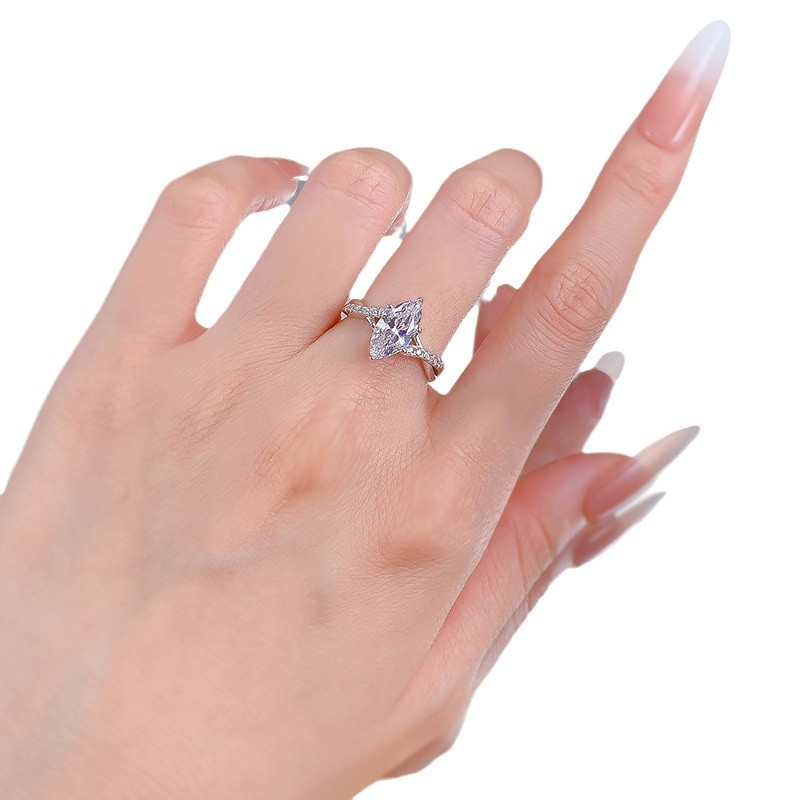
- V-prongs, which protect pointed tips on pear, marquise, and princess cuts
High-set solitaire rings, halo rings, pavé bands, and shared-prong wedding bands need regular checks because they have exposed stones or many small contact points. One weak prong can affect more than one stone.
Ring Setting Prong Repair Cost: Typical Price Ranges
Ring setting prong repair cost varies by metal, stone size, setting style, number of damaged prongs, and repair method. A jeweler should inspect the ring under magnification before giving a final estimate.
Typical price ranges often look like this:
| Repair type | Typical estimated range | Best for | Cost notes |
|---|---|---|---|
| Stone tightening | $25-$75 per stone | Slight movement with intact prongs | Lowest cost if no metal is missing |
| Single-prong retipping | $50-$150 per prong | One worn, flat, or thin prong | May need polishing or plating |
| Multiple-prong retipping | $150-$400+ | Several worn prongs | Common on older engagement rings |
| Full prong rebuild | $200-$600+ | Weak, cracked, or missing prongs | Requires more labor and metal |
| Head replacement | $250-$1,000+ | Damaged basket or center setting | Often includes resetting the stone |
| Complete setting replacement | Varies | Major structural wear or style upgrade | Compare against repeated repair costs |
These ranges reflect common retail jewelry repair pricing used by many bench jewelers and repair shops. The final ring setting prong repair cost may rise for platinum, large center stones, intricate halo designs, or stones that require extra handling.
A five-minute tightening is not the same job as removing a diamond, replacing the head, soldering, polishing, plating, and resetting the stone. That gap in labor is the main reason quotes can vary so much.
Cost Differences by Metal Type
Metal changes the repair plan. Gold is common and usually easier to service than platinum. Platinum is durable, but it often takes more time, specialized tools, or laser welding.
- 14k gold: Practical, durable, and common for engagement ring repairs.
- 18k gold: Rich in gold content and slightly softer than 14k, so delicate work may need extra care.
- Platinum: Dense and strong, but labor can cost more because of heat and equipment needs.
- Rose gold: Warm and strong, though color matching takes skill.
- White gold: Often needs rhodium plating after repair to restore a bright white finish.
If a quote seems unusually low, ask what it includes. Does the price cover inspection, tightening, polishing, rhodium plating, and a final stone security check? The cheapest ring setting prong repair cost is not always the safest one.
Typical Timelines and What a Repair Quote Should Include
Most simple prong tightening or single-prong retipping jobs can be completed in a few business days if the jeweler has bench capacity. More involved repairs, such as a head replacement, platinum laser work, channel rebuilding, or matching missing accent stones, may take one to three weeks. Custom setting replacement can take longer because the new mounting must be cast or ordered, finished, inspected, and sized before the diamond is set.
Ask for a written estimate that lists the metal, repair method, number of prongs, whether the center stone will be removed, and whether the ring will be polished or rhodium plated. For white gold, rhodium plating is often a separate line item in the $40-$125 range, depending on the shop and the amount of finishing required. If small diamonds are missing, the estimate should specify their approximate size, quality, and replacement cost.
Before leaving a valuable ring, make sure the intake receipt describes the center stone and setting. For example, a useful receipt might note a round 1.50 carat lab-grown diamond, F color, VS1 clarity, IGI Report Number, platinum six-prong setting, ring size 6.5, and visible prong wear at 2 and 8 o'clock. Clear documentation protects both the customer and the jeweler.
Signs Your Ring Prongs Need Repair
Small warning signs can point to a bigger setting problem. If you notice any of these issues, take the ring off and schedule an inspection:
- The ring snags on sweaters, towels, hair, or gloves.
- One prong looks shorter, flatter, or thinner than the others.
- The center stone clicks, spins, rocks, or rattles.
- A prong is bent, cracked, missing, or lifted away from the stone.
- Side stones in a halo or band feel loose.
- The prong tips look sharp or uneven.
A loose stone is urgent. Do not test it again with your fingernail, and do not clean the ring before a jeweler sees it. Ultrasonic cleaning can make a loose stone worse.
Bench jewelers often recommend inspections every 6 to 12 months for rings worn daily. Rings with pavé, halo, shared-prong, or high-profile settings may need closer attention, especially after travel, resizing, impact, or years of wear.
What Affects Ring Setting Prong Repair Cost?
Several details Shape Ring Setting prong repair cost. Two rings can look similar from the top and need very different work underneath.
A jeweler will usually check:
- Stone size and value. Larger stones require slower, more careful work.
- Stone shape. Pear, marquise, princess, and emerald-cut stones need precise prong placement.
- Setting style. Halo, pavé, vintage, and shared-prong designs take longer than simple solitaires.
- Metal condition. Thin, cracked, porous, or previously repaired metal may not hold a quick retip.
- Ring history. Resizing, soldering, impacts, and past repairs can affect strength.
- Finish needs. Polishing and rhodium plating can add to the final price.
The goal is not just making the prongs look neat. The goal is stone security. A clean-looking repair that does not hold the diamond properly is not a good repair.
Stone Shape, Size, and Setting Style
Round diamonds are often easier to secure evenly because their outline is consistent. Pointed or cornered stones need more precision. A pear, marquise, princess, or emerald-cut diamond can chip if a corner is left exposed.
V-prongs protect pointed tips. Halo settings add complexity because the jeweler must check both the center stone and the surrounding accent stones. Pavé and shared-prong bands also take time because one worn prong can loosen two stones.
Lab-grown diamond rings are repaired the same way mined diamond rings are repaired. The jeweler looks at the mounting, metal, stone shape, and security. The diamond's origin does not change the repair process.
Diamond Specs That Matter When Replacing a Stone or Upgrading
If a stone has already been lost, the replacement should be chosen with more care than simply matching carat weight. A 0.25 carat round accent diamond can look too dark, too warm, or too large if the cut quality, color, clarity, and measurements do not match the remaining stones. For side stones, jewelers usually match millimeter size first, then color and clarity. A 2.5 mm round diamond, for example, may weigh around 0.06 carat, but the exact weight varies by cut proportions.
For a center diamond upgrade, review the grading report and not just the sales description. Common lab-Grown Diamond Reports come from IGI or GIA and may list carat weight, measurements, color grade, clarity grade, cut grade for round diamonds, polish, symmetry, fluorescence, and a report number. For many engagement ring shoppers, popular lab-grown diamond ranges include D-F or G-H color, VS1-VS2 clarity, and Excellent or Ideal cut quality for round brilliants. Fancy shapes do not always receive a cut grade, so measurements, depth, table, length-to-width ratio, and video inspection become more important.
Prong repair can also reveal whether the original setting is properly built for the diamond's size. A 2.00 carat elongated oval, radiant, or emerald cut often needs a head or basket designed for its exact measurements, not just its carat weight. A stone that is forced into a near-fit mounting may sit crooked, place pressure on the wrong points, or wear prongs unevenly.
Repair, Retip, Rebuild, or Replace the Setting?
Jewelry repair terms can sound similar, but they mean different things. Knowing the difference helps you compare estimates and avoid paying for the wrong fix.
- Prong tightening: Adjusting existing prongs so the stone no longer moves.
- Prong retipping: Adding metal to worn tips, then shaping and smoothing them.
- Prong rebuilding: Restoring a larger part of weak or missing prongs.
- Head replacement: Replacing the basket or crown that holds the center stone.
- Shank repair: Restoring the band if the bottom has become thin.
- Resetting: Removing a stone and placing it securely into the same or a new mounting.
- Complete mounting replacement: Moving the stone into a new ring setting.
Repair makes sense when the ring structure is still strong. Replacement may be smarter if the shank is thin, the gallery is worn, side stones keep loosening, or the same prongs fail again.
If your estimate is high, compare the ring setting prong repair cost with a secure new design. You can explore engagement rings or try the StoneBridge ring builder to see modern settings by diamond shape, metal, and style.
Repair vs. Replacement: How to Decide
The lowest price is not always the best value. A $75 tightening may be perfect for a healthy setting. The same quick fix may be risky if the prongs are thin and the basket is weak.
Use this simple decision check:
- Ask the jeweler to show you the worn areas under magnification.
- Confirm whether the ring needs tightening, retipping, rebuilding, head replacement, or a new mounting.
- Ask whether cleaning, polishing, rhodium plating, and side-stone checks are included.
- Compare the repair quote with the value of the stone being protected.
- Choose the option that gives the stone the safest hold.
A common example: four prongs need retipping, the shank is thin, and white gold plating is due. If that estimate approaches the cost of a new mounting, replacement may give you better long-term durability. Another case is much simpler: one prong catches on fabric, but the rest of the ring is strong. One retip may be enough.
When an Upgrade Is the Better Buy
A new setting is worth considering when the repair estimate is more than half the price of a comparable new mounting, when the ring has already needed several repairs, or when the design no longer fits the way you wear jewelry. A high cathedral solitaire may be beautiful, but someone who works with gloves, children, medical equipment, gym gear, or tools may be happier with a lower-profile basket or a bezel-inspired design.
Setting tradeoffs matter. A 4-prong solitaire shows more diamond and can make a round stone look slightly more open, but a 6-prong setting adds two more contact points. A bezel setting offers strong edge protection and a smooth surface, though it covers more of the diamond's outline. A hidden halo adds sparkle from the side, but it also adds small diamonds and more prongs to maintain. Pavé bands look delicate and bright, but shared micro-prongs are not as low-maintenance as a plain metal shank.
Metal choice also affects long-term value. 14k white gold is popular because it balances durability and cost, but it needs periodic rhodium plating to keep its bright white surface. 14k yellow gold and rose gold do not need rhodium plating and can be practical for daily wear. Platinum costs more upfront and can cost more to work on, but it is dense, naturally white, and often preferred for secure bridal settings. If your ring size changes frequently or you expect future resizing, ask whether the setting style can be sized safely; full eternity bands and intricate pavé rings have less sizing flexibility.
Insurance, Appraisals, and Documentation
Jewelry insurance may cover stone loss or damage, depending on the policy, deductible, cause of loss, and documentation. Some policies include mysterious disappearance, while others do not. Review your policy before a problem happens.
IGI and GIA reports can help identify a diamond's details for documentation and replacement planning. After a head replacement, redesign, or center stone upgrade, an updated appraisal can record the current metal, measurements, setting style, diamond details, and retail replacement value.
Keep receipts for prong repair, setting replacement, rhodium plating, and appraisals. These records can help with future service, warranty questions, and insurance claims.
What to Do If Your Stone Is Loose
If your stone moves, stop wearing the ring right away. Place it in a ring box, soft pouch, or sealed jewelry bag. Keep it separate from other jewelry until a professional can inspect it.
Do not use glue, pliers, tweezers, or at-home repair kits. These can scratch metal, chip a gemstone, or make the professional repair harder. Also avoid ultrasonic cleaners, brushes, and running water until the stone is secure.
Call a jeweler and ask for an inspection. A good estimate should explain the issue, the recommended repair, the expected ring setting prong repair cost, and how long the work will take.
How to Reduce Future Prong Repair Costs
Good habits can lower future repair costs and help your ring last longer. They also make daily wear less stressful.
- Remove rings during workouts, gardening, cleaning, swimming, heavy lifting, and hands-on work.
- Take off delicate prong settings before sleep if they catch on sheets.
- Store rings separately so prongs do not rub against other jewelry.
- Use a soft pouch or lined box while traveling.
- Schedule professional cleaning and inspection every 6 to 12 months.
- Watch for snagging, clicking, spinning, or visible prong changes.
Fit matters too. A ring that spins can hit hard surfaces more often, which speeds up prong wear. If sizing is part of the problem, learn about ring sizing before deciding on repair or replacement.
For shoppers comparing maintenance with a style update, secure settings can make daily wear easier. Browse fine jewelry and anniversary styles, or view lab-grown diamonds if you are thinking about a larger center stone.
Common Mistakes That Increase Repair Costs
One of the most expensive mistakes is continuing to wear the ring after the stone starts clicking. The sound may seem minor, but movement wears the seat of the setting and can bend prongs farther out of place. Another common mistake is assuming that all prongs are fine because only one is snagging. If one tip is worn, the others may be close behind, especially on an older ring worn every day.
Avoid choosing a setting only for appearance without thinking about lifestyle. Very thin bands, tall peg heads, exposed corners, and heavy pavé coverage can be beautiful, but they require more maintenance than a sturdy solitaire, bezel, or wider shank. Also be careful with aggressive at-home cleaning. Steamers and ultrasonic cleaners are useful in professional settings, but they can shake loose stones out of already weakened prongs.
Finally, do not skip ring sizing. If a ring is too large, it rotates and exposes the center setting to more knocks. If it is too tight, removing it can put stress on delicate shoulders and side stones. Seasonal finger changes are normal, but a ring that spins daily should be evaluated for resizing, sizing beads, or a different band profile.
Buying a New Setting Online: Practical Details to Check
If repair turns into replacement, look closely at the product details before ordering a new setting online. The listing should specify metal type, center stone shape compatibility, setting height, band width, side-stone details, and whether the setting is made for a specific diamond measurement range. Carat weight alone is not enough. A 1.50 carat round diamond and a 1.50 carat oval diamond require very different heads.
For bridal settings, many shoppers compare 14k gold, 18k gold, and platinum. 14k gold is often the most practical everyday choice because it is durable and typically more affordable. 18k gold has a richer color but can show wear sooner in delicate prongs. Platinum is naturally white and strong, but the higher metal cost and bench labor should be part of the budget. If you choose white gold, plan for rhodium maintenance over time.
Check shipping and return policies before sending in a diamond or ordering a finished ring. Valuable jewelry should ship insured, trackable, and securely packaged, with signature required on delivery. If the ring is being custom made, resized, engraved, or set with your own stone, return terms may differ from ready-to-ship jewelry. Review the inspection window, resizing policy, warranty coverage, and what happens if the ring arrives and the fit is not right.
For engagement rings and upgrades, confirm whether the diamond includes a grading report from IGI, GIA, or another recognized laboratory. The report number, laser inscription when present, and appraisal can be useful for insurance. For lab-grown diamonds, strong value often comes from balancing specs instead of chasing the highest grade in every category. A well-cut G-H color, VS2 lab-grown diamond can look excellent in many settings and may allow more budget for a stronger platinum or gold mounting.
Shop StoneBridge Jewelry for Secure Ring Settings
Ring setting prong repair cost helps you decide whether to repair, reset, or upgrade before a diamond or gemstone is at risk. If the mounting is sound, tightening or retipping may restore security. If the ring is worn, thin, outdated, or repeatedly failing, a new setting may protect the stone better.
StoneBridge Jewelry offers premium lab-grown diamond engagement rings, secure bridal settings, wedding bands, and fine jewelry made for lasting beauty. Our customers often choose a setting upgrade when repairs become frequent or when a lower-profile, stronger design better fits daily life.
Ready to compare your options?
- Explore secure engagement rings for modern bridal designs.
- Build your ring by choosing the diamond shape, metal, and setting.
- Browse fine jewelry for gifts, upgrades, and everyday sparkle.
- Shop lab-grown diamonds if you are considering a new center stone.
A small prong repair can prevent a major loss. A thoughtful upgrade can make a beloved ring safer, stronger, and easier to wear.
Ready to Find Your Perfect Diamond?
Explore our collection of certified lab-grown diamonds
Shop Diamonds