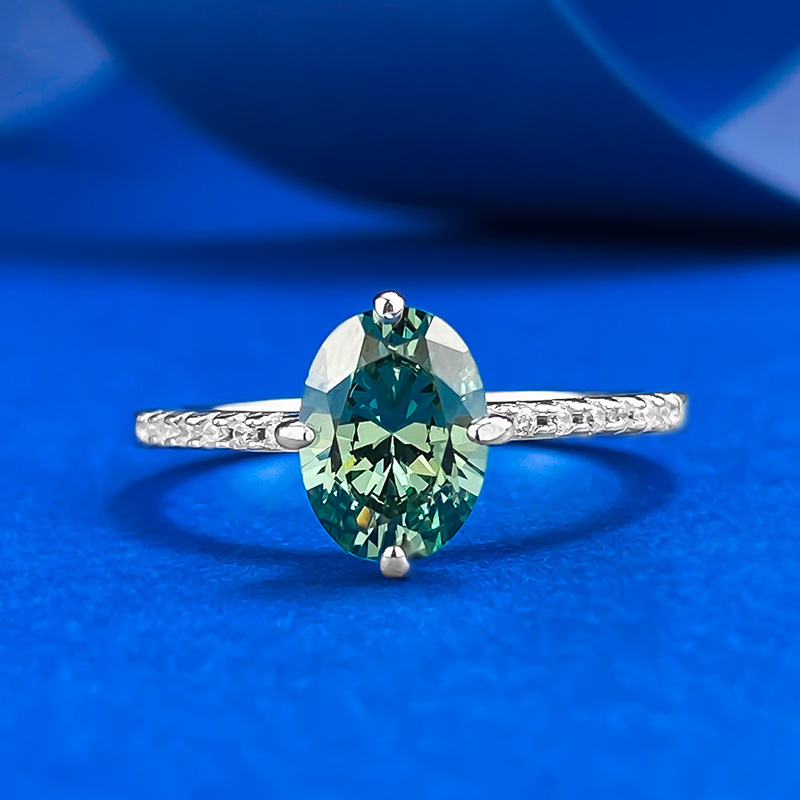
Ring Setting Prong Repair Cost: Prices, Risks, and Smart Repair Tips
Ring Setting Prong Repair cost can feel hard to pin down because no two rings wear the same way. A lifted prong may only need tightening. A cracked platinum head, worn vintage mounting, or loose center diamond can require more time, skill, and metal.
If your ring catches on sweaters, the stone wiggles, or one prong looks shorter than the others, stop wearing it until a jeweler checks it. Price matters, but timing matters more. A small repair can prevent the much larger cost of replacing a lost diamond.
Before you hand over your ring, use this guide to compare quotes, understand common repairs, and choose a jeweler who protects both the setting and the stone.
What Ring Setting Prong Repair Cost Usually Covers
Ring setting prong repair cost usually covers the labor and material needed to restore the small metal claws that hold a gemstone in place. Those tiny prongs do a big job. They keep the diamond or gemstone seated against the mounting while still letting light reach the stone.
A jeweler may tighten, reshape, retip, rebuild, replace one prong, or replace the full head of the ring. The right repair depends on the metal, the setting style, and how much wear the prongs already have.
A careful jeweler should inspect the ring under magnification before giving a quote. That inspection should include the prongs, head, gallery, shank, center stone, and nearby accent stones.
Why Prongs Wear Down
Prongs wear from daily contact. Countertops, car doors, gym equipment, handbags, gloves, clothing, and other jewelry can slowly thin the metal. Gold and platinum are durable, but they still lose shape after years of regular wear.
The Gemological Institute of America, better known as GIA, notes that prong settings are popular because they show more of the diamond. The tradeoff is exposure. Prongs can snag, bend, or wear down, so routine inspections matter.
A GIA or IGI diamond report documents the stone's carat weight, measurements, color, clarity, and other details. It does not confirm that your mounting is secure. A ring with excellent diamond paperwork may still need a separate jeweler inspection.
Common Prong Repair Services
A proper prong repair often starts with a stone security check. The jeweler looks for movement, uneven prong height, thin metal, cracks, and snagging points. For diamonds and colored gemstones, the jeweler may also check for chips or vulnerable edges before applying pressure or heat.
Common services include:
- Tightening a slightly lifted prong
- Straightening or reshaping a bent prong
- Retipping worn prong ends with new metal
- Rebuilding a broken or badly thinned prong
- Replacing one damaged prong
- Replacing the full head of the ring
- Cleaning, polishing, and checking stone security after repair
If several prongs are worn flat, a full head replacement may be safer than patching one prong at a time.
Average Ring Setting Prong Repair Cost by Service Type
The average ring setting prong repair cost depends on the repair type, metal, stone size, setting design, and jeweler. A simple solitaire repair usually costs less than work on a halo, pavé, antique, or platinum ring.
Use these numbers as planning ranges, not guaranteed prices:
| Repair Type | Typical Cost Range | Best For | Notes |
|---|---|---|---|
| Prong tightening | $25-$75 | Slightly lifted prong | Often paired with cleaning and inspection |
| Single prong retipping | $50-$150 | Worn but stable prong | Cost changes by metal and finish |
| Multiple prong retipping | $150-$400+ | Several worn tips | Common on older engagement rings |
| Prong rebuilding | $100-$250 per prong | Broken or very thin prong | Requires more bench work and metal |
| Full head replacement | $250-$900+ | Unsafe or badly worn head | May require resetting the center stone |
| Vintage, halo, or pavé repair | $300-$1,200+ | Delicate or multi-stone settings | Higher risk and more finishing time |
A four-prong solitaire with a 0.50 carat diamond is often simpler to repair than a halo ring with dozens of tiny accent stones. Larger diamonds can also raise the ring setting prong repair cost because they place more stress on the prongs.
A 2.00 carat center stone, for example, needs careful handling and firm prong contact. Higher-value diamonds may also require extra intake photos, measurements, and insurance documentation.
What a Written Estimate Should Include
Ask for a written estimate before approving work. A clear quote should name the repair type, the number of prongs involved, the metal used, the finishing steps, and the expected pickup date.
For white gold, ask whether rhodium plating is included. For platinum, ask whether the shop handles platinum repairs in-house. For rings with side stones, confirm that the jeweler will inspect and tighten them if needed.
A fair estimate should answer these questions:
- Is the jeweler tightening, retipping, rebuilding, or replacing prongs?
- Does the price cover one prong or every worn prong?
- Are polishing, cleaning, and rhodium plating included?
- Will nearby stones be checked?
- Is there a workmanship warranty?
- What happens if hidden damage appears after cleaning?
The best ring setting prong repair cost is not always the lowest quote. It is the quote that fixes the weak point and leaves the stone secure.
What Changes the Final Ring Prong Repair Price?
Metal is one of the biggest price factors. Platinum often costs more to repair than gold because it needs different tools, higher working temperatures, and more finishing time. White gold may need rhodium plating after repair to restore its bright white finish.
Yellow gold and rose gold can vary by karat and alloy color. Mixed-metal rings take extra care because the jeweler must protect one metal while repairing another. A platinum head on a yellow gold shank, for instance, may need different finishing steps than an all-gold ring.
Stone shape matters too. Pear, marquise, heart, and Princess Cut Diamonds have points or corners that need close protection. A princess cut may need secure corner coverage, while a pear shape often needs a strong point prong.
Design also changes the ring setting prong repair cost. Solitaires are usually more straightforward. Halo rings, three-stone rings, pavé bands, filigree settings, and engraved antique pieces need more inspection and finishing.
Damage Severity and Setting Style
A bent prong is not the same as a cracked prong. A lightly lifted prong may be tightened quickly. A broken prong may need rebuilding. If the whole head is thin, replacing it may be the safer choice.
Customers often notice the first warning sign as a snag on clothing. That small snag can point to a lifted prong, uneven wear, or a stone that has started to shift.
If the diamond moves, stop wearing the ring until a jeweler checks it. Once a center stone starts rocking, the other prongs carry extra pressure. That can turn one repair into several.
Local, Chain, and Mail-In Repair Pricing
Local jewelers, chain stores, and mail-in repair services may price repairs differently. Some shops do bench work on-site. Others send rings to a trade shop.
On-site repair can make communication easier, especially if your ring is antique, platinum, or high value. Mail-in service may be convenient if you do not have a trusted local jeweler nearby.
Compare more than price. Ask who performs the work, where the ring is stored, how the stone is documented, and whether the repair includes a warranty. A low ring setting prong repair cost can become expensive if the repair fails or leaves nearby prongs untouched.
For diamonds with GIA or IGI reports, ask the jeweler to verify identifying details at intake. A report may list measurements such as 6.50 x 6.47 x 3.95 mm for a round brilliant diamond. Matching those numbers before and after service adds peace of mind.
Why Early Prong Repair Saves Money
Early prong repair helps prevent stone loss. The center diamond is often the most valuable part of the ring, and replacing it can cost far more than retipping a worn prong.
Diamonds rank 10 on the Mohs hardness scale, but they are not unbreakable. A sharp hit at the girdle or corner can chip a diamond, especially on fancy shapes. Colored gemstones such as emerald, opal, tanzanite, morganite, and pearl can be even more sensitive to pressure, heat, and cleaning methods.
Prompt repair also keeps the ring wearable. Many people stop wearing a ring once it snags or feels loose. A timely repair can restore confidence without forcing a full reset.
Neglect usually raises the ring setting prong repair cost. One worn prong can become three. A slightly loose stone can become a missing stone. A thin head can become a full mounting replacement.
When Repair Beats Replacement
Repair often makes sense when the ring's structure is still sound. Retipping two worn prongs may cost a few hundred dollars. A new head, reset, polish, and rhodium plate can cost much more.
Replacement may be smarter if the head is cracked, paper-thin, or already repaired many times. A skilled jeweler should explain both choices and show you the weak areas under magnification if possible.
If repair turns into a redesign conversation, compare new mountings before you commit. You can try our ring builder to see different setting styles or browse engagement rings if your current mounting no longer protects the stone well.
How to Choose the Right Jeweler for Prong Repair
Good prong work takes more than adding metal. The jeweler must protect the stone, match the metal, shape the prongs evenly, smooth the finish, and confirm that the gemstone is secure from several angles.
Start with the estimate. It should list the scope of work, metal type, number of prongs, finishing steps, turnaround time, and exclusions. If the quote only says “fix prong,” ask for more detail.
Ask about bench experience. Platinum rings, antique settings, halo rings, and pavé bands need steady hands and the right tools. For vintage jewelry, ask whether the jeweler can preserve milgrain, engraving, and period details.
Questions to Ask Before You Approve the Repair
Bring a short list of questions. It helps you compare ring setting prong repair cost across different jewelers without guessing what each quote includes.
Ask:
- Which prongs need tightening, retipping, rebuilding, or replacement?
- Is the center stone secure enough to repair in place?
- Will you inspect the full setting for hidden damage?
- Are polishing, cleaning, or rhodium plating included?
- Will side stones be checked and tightened?
- How will you document the diamond before repair?
- What is the expected pickup date?
- Is there a workmanship warranty?
- Can you provide notes for insurance or appraisal records?
Clear answers matter. They tell you whether the jeweler is thinking about the whole ring, not just the obvious prong.
What Quality Work Should Look Like
Quality prong repair should look balanced, smooth, and secure. The prongs should sit evenly against the stone without gaps, sharp edges, or snagging points.
The repaired area should blend with the original setting. It should not look bulky, rough, or uneven. The stone should not rattle, turn, or shift when the jeweler checks it.
For white gold, rhodium plating may be needed after repair. Without it, the repaired area may look warmer or duller than the rest of the ring.
Care Tips Before and After Prong Repair
Before repair, think about how the ring fits. A loose ring can spin, which exposes the setting to more knocks. If the fit feels off, review our ring size guide and ask whether sizing should be done during the same service visit.
Daily habits matter. Remove your ring before workouts, gardening, heavy cleaning, lifting, or hands-on work. Chlorine, abrasive cleaners, and repeated impact can weaken metal and harm certain gemstones.
Store the ring in a fabric-lined box, pouch, or ring dish when you are not wearing it. Keep it away from other jewelry that could scratch metal or damage prongs.
After repair, check the ring at home between professional visits. Look for snagging, tilted stones, uneven prongs, or new movement. Clean diamonds with warm water, mild dish soap, and a soft brush unless your jeweler gives different instructions.
Some gemstones need special care. Emeralds, opals, pearls, and treated stones should not be cleaned the same way as diamonds. If you are unsure, ask before soaking or brushing the ring.
How Often Should a Ring Be Inspected?
For rings worn every day, schedule a professional inspection about every six months. That timing is a common bench-jeweler recommendation because it catches wear before the stone becomes loose.
Special-occasion rings may only need annual checks, unless they are antique or gemstone-heavy. People who work with gloves, tools, children, sports equipment, or styling products may need inspections more often.
The ring setting prong repair cost is easier to control when maintenance is routine. Small fixes usually cost less than emergency stone replacement.
If your ring needs a new stone or an upgraded center, you can shop lab-grown diamonds and compare cut, carat, color, and clarity. You can also explore fine jewelry options in our jewelry collection if you are planning a matching piece.
Frequently Asked Questions About Ring Setting Prong Repair Cost
How much does ring setting prong repair cost on a diamond ring?
Ring setting prong repair cost on a diamond ring can range from $25-$75 for simple tightening to $250-$900+ for a full head replacement. Retipping one prong often falls around $50-$150, while multiple prongs may cost $150-$400 or more. The final quote depends on the metal, stone size, setting style, and damage level. Ask for a written inspection-based estimate before approving work.
Is it cheaper to retip prongs or replace the whole setting?
Retipping is usually cheaper when the head and gallery are still strong. If the prongs are thin, cracked, uneven, or repeatedly repaired, replacing the head may give better long-term protection. A jeweler should compare both options and explain the safety difference. Do not choose retipping just because it costs less if the setting is no longer sturdy.
How long does prong repair take?
Simple tightening may be finished quickly, depending on the jeweler's schedule. Retipping, rebuilding, or replacing a head can take several days or longer, especially if parts must be ordered. Platinum, pavé, halo, and antique settings may need extra time. Ask for a pickup date and whether rush service changes the price.
Can a loose prong make my diamond fall out?
Yes. A loose prong can let the diamond rock, rotate, catch on fabric, or slip out of the setting. Even slight movement deserves attention because the remaining prongs may start taking extra pressure. Stop wearing the ring until a jeweler inspects it. A small repair is much easier than replacing a missing center stone.
Does insurance cover ring prong repair costs?
Coverage depends on your policy, deductible, and the cause of damage. Many jewelry policies cover loss, theft, or accidental damage, but they may exclude normal wear and maintenance. Keep photos, appraisals, diamond reports, and repair receipts together. Call your insurer before repair if the damage may be part of a claim.
Ready to Repair or Upgrade Your Ring?
A worn prong is not just a cosmetic issue. It is a warning that your diamond or gemstone may not be fully secure.
Use these ring setting prong repair cost ranges to compare quotes, but choose a jeweler based on skill, documentation, warranty, timing, and stone protection. If your ring catches on clothing, feels uneven, or shows a lifted claw, schedule an inspection before the damage spreads.
If the ring needs more than a small repair, StoneBridge Jewelry can help you compare practical next steps. Explore new settings, browse engagement rings, or speak with our jewelry experts before you approve repair or replacement.
Ready to Find Your Perfect Diamond?
Explore our collection of certified lab-grown diamonds
Shop Diamonds