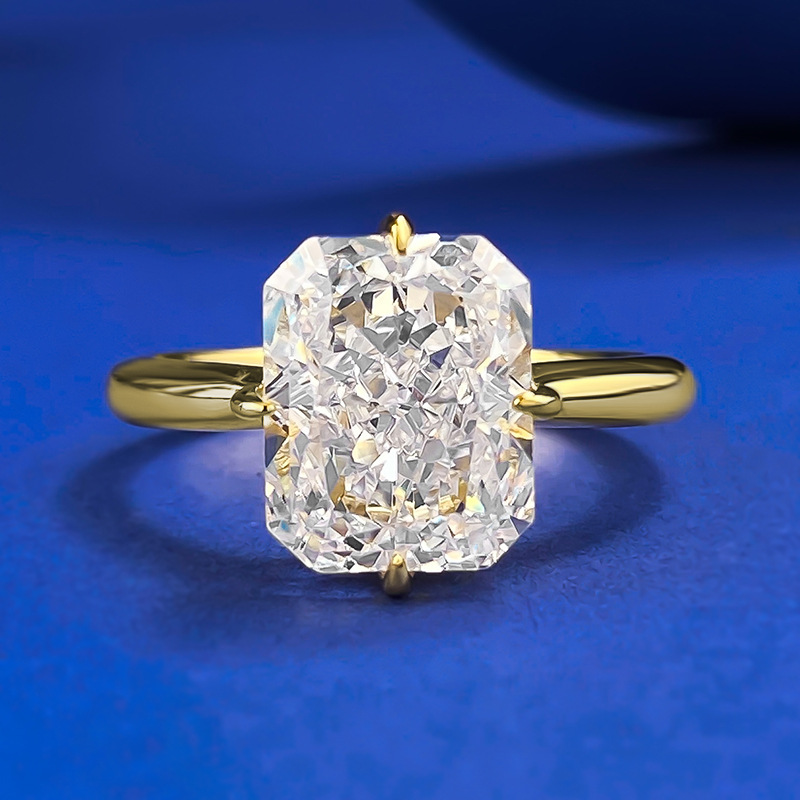
Ring Setting Price for Solitaire Diamond: How to Compare Options
The Ring Setting Price for Solitaire diamond rings can vary more than many shoppers expect. A simple prong mount, a heavier platinum build, and a hand-finished custom setting may all look similar at first glance. Yet the price can shift a lot once you compare metal weight, labor, and how well the setting protects the stone.
If you’re shopping for a solitaire, start with the basics: what metal is used, how the diamond is held, and how the ring will wear over time. A good setting should do three things well. It should keep the diamond secure, feel comfortable every day, and look polished from every angle.
At StoneBridge Jewelry, we’ve found that buyers are happiest when the price makes sense for the build. A fair ring setting price for solitaire diamond styles reflects real materials, careful finishing, and long-term wear, not just a pretty photo.
What Drives the Ring Setting Price for a Solitaire Diamond
Several details shape the ring setting price for solitaire diamond rings. The biggest ones are metal choice, setting style, and the amount of labor needed to finish the piece. Two settings can look close in a product shot and still cost very differently.
Metal choice has the biggest impact
Metal is often the first thing that changes the price. Platinum usually sits at the top because it’s dense, naturally white, and very durable. 18K gold often costs less than platinum, but still gives you a rich look. 14K gold is usually the most budget-friendly of the three and is a practical option for daily wear.
A simple way to compare them:
- Platinum: higher material cost, strong durability, naturally white color
- 18K gold: premium look, warm tone options, good value
- 14K gold: lower price point, solid hardness, wide style range
The ring setting price for solitaire diamond rings also rises as metal weight increases. A thicker shank, a stronger basket, or larger prongs uses more metal, and that shows up in the final price.
Setting style changes both cost and feel
A classic prong setting is often the most affordable because it uses less metal. Cathedral settings raise the center stone and need more fabrication. Bezel settings wrap metal around the diamond for extra protection, but they take more labor. Tension-style looks can be striking, yet they demand precise engineering and exact stone matching.
Hand-finishing matters too. A well-finished setting takes time to polish, align, and inspect. That extra work often explains why the ring setting price for solitaire diamond options can be higher even when the design looks simple.
Head construction affects the final number
A solitaire can still be complex. Larger stones need stronger heads and careful prong placement. Low-profile baskets, hidden details, and custom gallery work all add time. If a setting is built for a specific diamond size or shape, the jeweler may need tighter tolerances and more checks.
That’s one reason the ring setting price for solitaire diamond rings can climb without a dramatic change in appearance. The structure underneath the stone matters just as much as the style you see from above.
Brand standards and service add value
The seller can affect the price, too. Established jewelers often include stronger quality checks, better stone security, and more support after the sale. Some settings also come with documentation or matching services that help when you’re pairing the mounting with a loose diamond.
GIA and IGI standards matter here because accurate measurements help with fit and stone compatibility. A lower price doesn’t always mean better value. In many cases, a slightly higher ring setting price for solitaire diamond styles buys you better craftsmanship and fewer repair headaches later.
Key Details to Compare Before You Buy
A few small details can make a big difference in how the ring looks and wears. Before you compare prices, check the parts that affect daily comfort, security, and future repairs.
Prong count and head style
Prongs change both the look and the level of protection. Four-prong settings show more of the diamond and feel clean and open. Six-prong settings give extra security and can soften the outline of a round stone. Tulip heads, basket heads, and cathedral heads each bring a different profile and can shift the ring setting price for solitaire diamond designs based on the work involved.
If you want the most sparkle with less metal showing, choose an open head. If security matters more, look for a structure that holds the diamond more closely.
Band width, thickness, and comfort
The shank should feel good from morning to night. A thin band can look delicate, but it may wear faster if you use your hands a lot. A thicker band feels sturdier and may support the diamond better. Comfort-fit interiors, which are rounded on the inside, can make a big difference for daily wear.
Check these Before You Buy:
- Band width in millimeters
- Band thickness at the base
- Whether the ring has a comfort-fit interior
- Whether the setting sits high or low on the finger
These details affect the ring setting price for solitaire diamond styles because more metal and more finishing usually mean a higher cost.
Diamond shape and future stacking
A solitaire setting has to match the stone shape you plan to use. Round, oval, princess, cushion, emerald, and pear cuts all interact differently with prongs and head design. A setting made for one shape may not hold another shape safely.
Stacking matters as well. If you want a wedding band to sit flush, the head height, shoulder shape, and band curve all matter. Buyers who want a bridal set later should ask for measurements before deciding on the ring setting price for solitaire diamond options.
Small custom details add cost
A few upgrades can change the total price fast:
- Milgrain edges
- Hidden halos
- Engraving
- Polished or matte finish
- Gallery accents
- Two-tone metal combinations
These touches make the ring feel more personal, but they also add labor. If you want a clean look and a lower entry point, a plain mounting is usually the easiest route.
| Feature | Budget-Friendly Option | Higher-End Option | Price Impact |
|---|---|---|---|
| Metal | 14K gold | Platinum or 18K gold | Moderate to high |
| Head style | Basic 4-prong | Custom basket or cathedral | Moderate |
| Finish | Standard polish | Hand-finished details | Moderate |
| Comfort | Standard interior | Comfort-fit interior | Low to moderate |
| Custom details | Plain shank | Engraving or accent work | Moderate |
Why Ring Setting Price for Solitaire Diamond Matters for Value
A setting isn’t just a frame. It’s the part of the ring that gets cleaned, resized, and worn every day. That’s why the ring setting price for solitaire diamond rings should be judged against long-term value, not only the first number you see.
A well-built setting helps protect the diamond from loosening and reduces the chance of snagging or bent prongs. The right head height, prong thickness, and basket shape can make a ring hold up far better over time. According to GIA guidance on ring wear and diamond security, setting design has a direct effect on both safety and appearance.
We’ve also seen that buyers who choose sturdier builds tend to spend less on repairs later. Platinum usually resists metal loss better than softer alloys, and thicker gold settings can hold up very well too. That matters if you plan to wear the ring every day.
Lower-priced settings can look good at first, but some use thinner prongs or lighter construction. If you need frequent resizing or repairs, the total cost can rise quickly. So the ring setting price for solitaire diamond pieces should always be compared with the setting’s expected lifespan.
Typical Price Tiers and What They Offer
The ring setting price for solitaire diamond rings usually fits into three broad tiers. Exact numbers vary by maker, metal, and custom work, but these ranges help you compare options more clearly.
Entry-level settings
Entry-level settings usually keep the design simple. They often use 14K gold or lighter-weight builds with fewer custom details. These work well for buyers who want a classic look and need to stay within a tighter budget.
Best for:
- First-time buyers
- Simple solitaire styles
- Smaller center stones
- Shoppers focused on price
In this tier, the ring setting price for solitaire diamond styles is driven mostly by metal and basic labor.
Mid-range settings
Mid-range settings often give you the best mix of price and craftsmanship. They may include thicker shanks, better prong work, comfort-fit interiors, and stronger basket designs. Many buyers find this range to be the sweet spot.
Best for:
- Daily wear
- Medium to larger center stones
- Buyers who want a cleaner finish
- Couples comparing value across styles
For many shoppers, this is the most practical ring setting price for solitaire diamond purchase point.
Premium settings
Premium settings use heavier platinum or 18K gold, more advanced detailing, and careful hand-finishing. They may include custom heads, hidden accents, or more complex architecture.
Best for:
- Larger or higher-value diamonds
- Buyers who want a luxury feel
- Heirloom goals
- Designs with custom work
The ring setting price for solitaire diamond rings in this tier makes sense when the setting itself is a big part of the ring’s identity.
What the price usually includes
Always confirm what the listed price covers. Some retailers sell only the mounting. Others include stone setting, finishing, or standard shipping. Common extras may include:
- Resizing
- Engraving
- Rush production
- Special finishes
- Setting labor for a loose diamond
Ask before checkout so you know exactly what you’re paying for. A clear ring setting price for solitaire diamond purchase should spell out the full cost.
How to judge value
Use these checks when comparing settings:
- Metal quality and weight
- Prong security and head construction
- Finish quality and symmetry
- Warranty or service coverage
- Resizing flexibility
- Fit with your diamond and wedding band
A higher ring setting price for solitaire diamond rings can be worth it when the build is stronger, the wear is better, and the ring needs less upkeep.
Buyer Tips Before You Order
The right setting should fit your life, not just your diamond. A smart purchase starts with the practical details.
Get the size right
Finger size can change with temperature, time of day, and swelling. A ring that feels fine in the morning may feel tighter later. If you’re unsure, use a trusted ring sizing guide before ordering. You can also review our ring sizing guide and compare it with our ring builder if you want a better fit.
Keep the setting in good shape
Even a strong setting needs care. A quick inspection now and then can catch loose prongs before they cause trouble. Clean the ring with mild soap, warm water, and a soft brush. Avoid harsh chemicals and rough handling if the ring has delicate details.
A few simple habits help:
- Check prongs regularly
- Remove the ring for heavy lifting
- Clean under the head and around the basket
- Schedule professional inspections when needed
These steps protect the value behind the ring setting price for solitaire diamond rings.
Match the setting to your routine
If you’re active, low-profile and secure designs make the most sense. A bezel setting gives strong protection, while a sturdy prong setting with a lower head can also work well. Tall cathedral mounts look elegant, but they can catch on clothing or gear more easily.
If you use your hands a lot, prioritize:
- Lower profile
- Strong prong structure
- Smooth edges
- Durable metal choice
The best ring setting price for solitaire diamond buyers often goes to the design that fits real life.
Plan for timing and custom work
If you want engraving, a special finish, or a custom head, allow extra time. Made-to-order settings can take longer, especially when the piece is built around a specific stone. If your diamond is already selected, make sure the jeweler confirms the dimensions before mounting.
Expert Advice on Choosing a Solitaire Setting
StoneBridge Jewelry specialists usually tell buyers to balance three things: style, durability, and budget. If one of those gets ignored, the ring tends to feel less satisfying later.
Here’s the short version:
- Choose the most secure setting you can wear every day
- Match the metal to your maintenance habits
- Confirm the diamond’s shape and measurements before ordering
- Leave room in the budget for resizing or future service if needed
Our customers often ask about upgrades, band pairing, and whether a setting can be reset later. Those are smart questions. A good jeweler should help you choose a design that leaves room for future changes without putting the stone at risk.
Need a simple rule of thumb? Pick the setting that protects the diamond first, then refine the look. That keeps the ring setting price for solitaire diamond rings tied to value instead of guesswork.
Frequently Asked Questions
How much does the ring setting price for solitaire diamond rings usually cost?
The ring setting price for solitaire diamond rings depends on metal, craftsmanship, and design complexity, so there isn’t one fixed number. A basic 14K gold setting will usually cost less than a platinum or heavily detailed design. It helps to compare what’s included, not just the sticker price.
What is included in a solitaire diamond ring setting price?
Most pricing covers the mounting itself, but resizing, engraving, and special finishes may cost extra. Some sellers also charge separately to set the loose diamond into the ring. Before You Buy, ask whether labor, shipping, and finishing are included in the ring setting price for solitaire diamond styles.
Is platinum or gold better for a solitaire setting?
Platinum is a strong pick if you want durability and a premium feel. Gold can give you more style choices and a lower entry price. The best choice comes down to your budget, how often you’ll wear the ring, and how much upkeep you want.
Can I change my solitaire setting later if I upgrade my diamond?
In many cases, yes, but it depends on the original design and the diamond’s measurements. Some heads are easier to modify than others, and some settings are built for a very specific shape. If you may upgrade later, ask a jeweler to confirm that the setting can be reset.
What is the best solitaire ring setting for daily wear?
A low-profile setting with secure prongs or a protective bezel-style design is often best for daily wear. Comfort, durability, and stone protection should come first. If you use your hands often, choose a setting that keeps the diamond safe without sitting too high.
Shop Solitaire Settings at StoneBridge Jewelry
If you’re comparing the ring setting price for solitaire diamond rings, start with build quality and fit. StoneBridge Jewelry offers thoughtfully made settings designed for secure wear, clean style, and lasting value. Browse our engagement rings, explore our jewelry collection, or shop diamonds to match the right stone to the right setting.
Ready to choose? Explore solitaire settings now and find the ring setting price for solitaire diamond styles that fit your diamond, your budget, and the way you live.
Ready to Find Your Perfect Diamond?
Explore our collection of certified lab-grown diamonds
Shop Diamonds