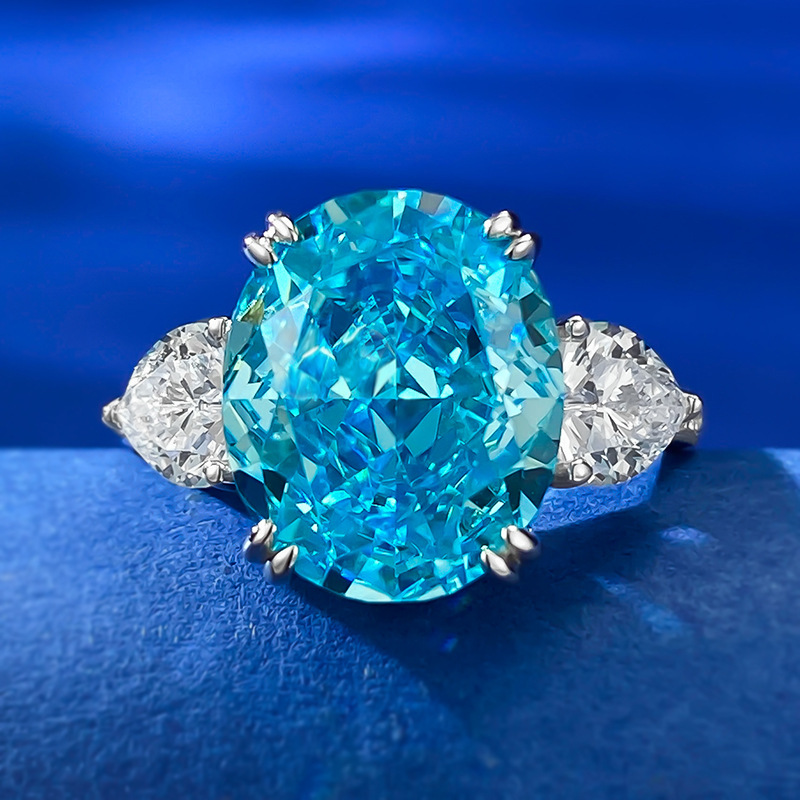
Ring Setting Price for Solitaire Diamond: Compare Styles, Materials, and Value
If you’re shopping for a Ring Setting Price for Solitaire diamond mounting, you’re paying for the ring’s structure, durability, and finish, not the center stone itself. The ring setting price for solitaire diamond designs can vary widely because metal choice, craftsmanship, prong security, and the overall setting style all affect the final cost. When you compare a simple gold solitaire with a platinum setting or a more refined cathedral head, the price difference starts to make sense.
A solitaire setting is the stage for the diamond. It holds the stone, frames the look, and shapes how the ring wears every day. That makes the ring setting price for solitaire diamond rings both a style decision and a long-term value decision. If you want a classic engagement ring, a reset for an existing diamond, or a mounting you can later pair with a loose stone, the details matter.
Ring Setting Price for Solitaire Diamond: What You’re Paying For
A Solitaire Ring Setting usually includes the metal mounting that holds a single center diamond. In most cases, it does not include the center diamond, even if the setting is shown with a stone in product photos. Buyers should expect the listed ring setting price for solitaire diamond pieces to cover the band, head, prongs, basket, and finishing work unless the product page says otherwise.
The setting price changes because of three main factors:
- Metal choice: Platinum generally costs more than 14K gold because of metal value and fabrication requirements.
- Craftsmanship: Hand-finishing, precise prong work, and secure mounting increase labor cost.
- Design complexity: Simple four-prong styles are usually less expensive than cathedral settings, hidden halos, or tension-inspired looks.
A budget-friendly solitaire setting often uses streamlined construction and standard sizing. Mid-range options usually offer better finishing, sturdier settings, and more refined proportions. Premium settings may feature heavier metal, superior symmetry, more detailed heads, and improved long-term wear. For ring setting price for solitaire diamond buyers, that spread is normal. The right choice depends on whether your priority is entry-level affordability, balanced value, or heirloom-level build quality.
Solitaire Ring Setting Types and Build Quality
The style of the setting has a major effect on both appearance and price. A Solitaire Ring Setting should do more than hold the diamond; it should protect the stone, stay comfortable, and suit the wearer’s lifestyle. Widely used gemological and jewelry trade standards treat secure mounting and proper proportion as central to ring durability.
Prong settings
Prong settings are the most common solitaire choice. They use small metal claws to hold the center stone in place, often in four-prong or six-prong layouts.
- Four-prong settings tend to look more open and modern.
- Six-prong settings can offer extra stone security and a rounder visual frame.
Prong quality matters a lot. Strong prongs should be even, smooth, and properly finished so they don’t snag clothing. If you’re comparing ring setting price for solitaire diamond styles, a carefully built prong setting is often the best mix of price and classic appeal.
Bezel settings
A bezel setting wraps metal around part or all of the diamond’s edge. This style usually offers strong protection and a sleek look.
Bezel settings often cost more in labor than a very simple prong setting because the metal must be shaped with precision. They’re a smart option for active wearers or anyone who wants a low-profile ring with a modern profile. The tradeoff is a slightly different visual effect; the diamond can appear a bit smaller than in an open prong style.
Cathedral settings
Cathedral settings raise the center stone with arches of metal that sweep up from the band. They feel elegant and can make the diamond look more prominent.
This design can increase ring setting price for solitaire diamond shoppers because it uses more metal and more fabrication time. It also demands good proportion. A well-made cathedral can look graceful and secure. A poorly made one can feel bulky or sit too high.
Tension-inspired looks
Tension-inspired solitaire settings create the impression that the diamond is suspended in place. True tension settings are engineered with exact tolerances, while tension-inspired styles use structural cues that mimic that look.
These settings can be visually striking, but they’re usually more complex to produce. Expect the ring setting price for solitaire diamond designs in this category to reflect careful engineering and specialized construction.
Build quality factors that change wearability
Three structural details influence how the ring feels over time:
- Setting height: Higher settings can show more of the diamond, but they may snag more easily.
- Basket design: A strong basket supports the stone and helps distribute stress.
- Head style: The head must fit the diamond’s shape and measurements accurately.
A good solitaire setting should feel balanced on the hand. It should sit securely, not wobble, and not feel top-heavy. Everyday comfort matters because a ring worn daily needs to survive repeated bumps, washing, typing, and routine movement.
Materials, Features, and Specifications That Affect Price
The ring setting price for solitaire diamond pieces depends heavily on the metal and structural specifications. This is where the price differences between settings become easiest to explain.
| Material / Feature | Typical Price Impact | Buyer Takeaway |
|---|---|---|
| Platinum | Higher | Durable, dense, premium feel |
| 18K gold | Moderate to higher | Rich color, softer than 14K |
| 14K gold | Lower to moderate | Strong value and everyday wear |
| Wider band | Higher | Uses more metal, feels substantial |
| Thicker shank | Higher | Better durability and less flex |
| More prongs or custom head | Higher | Extra labor and security |
| Hidden details | Higher | More finishing time and design work |
Metal choices
Platinum is usually the most expensive of the common solitaire setting metals. It’s dense, durable, and naturally white, which makes it a favorite for shoppers who want long-term strength. Many jewelers recommend platinum for its resilience and secure feel.
14K gold is often a smart value option. It balances price, strength, and color variety. White gold, yellow gold, and rose gold all sit in this tier, though white gold may require periodic rhodium plating for a bright white finish.
18K gold costs more than 14K because it contains more pure gold. It offers a richer color and a more luxurious feel, though it’s slightly softer than 14K. For shoppers comparing ring setting price for solitaire diamond styles, 14K gold often delivers the best middle ground.
Band width and shank thickness
A wider band or thicker shank uses more metal, so it usually costs more. It can also improve the ring’s durability and reduce flex over time. Thin shanks can look delicate and elegant, but they may wear down faster if the ring is worn daily. If your diamond is larger, a sturdier shank often makes more sense.
Prong count and hidden details
Prong count changes both security and manufacturing cost. Four-prong settings are simpler. Six-prong settings add metal and labor but may feel safer for some buyers. Hidden details like gallery rails, decorative undercarriage work, or engraved shoulders can increase price too.
These small design choices matter because they change the amount of metal used and the time needed for setting construction. A lower ring setting price for solitaire diamond may be attractive, but if the design trims away too much metal or skips support features, long-term durability can suffer.
Diamond shape and carat compatibility
Not every solitaire setting works with every diamond. Round brilliant stones are the easiest to fit, but princess, oval, emerald, cushion, pear, and marquise shapes each require specific heads and proportioning.
Compatibility also changes by carat size. A setting designed for a 0.75 ct center stone may not work safely with a 2.00 ct stone. Jewelers typically measure the stone’s diameter, depth, and girdle before confirming fit. If you’re buying a setting first and a diamond later, ask for exact head measurements and stone size compatibility before checkout.
How to Evaluate Value Beyond the Sticker Price
A low price can be tempting, but the cheapest ring setting price for solitaire diamond options are not always the best buy. Value depends on more than the number on the product page.
Use this pricing methodology
A practical way to judge value is to think in three parts:
- Metal value: What the setting material costs to source.
- Labor value: What it takes to cast, finish, size, and set the mounting.
- Design complexity: How much skill is needed for the style, head, and details.
That framework mirrors how many jewelers and manufacturers price settings. A plain 14K solitaire ring with standard prongs costs less because it uses less metal and less labor. A platinum cathedral solitaire with reinforced prongs costs more because it uses more material and a more demanding build process.
Where lower price makes sense
A lower ring setting price for solitaire diamond buyers can be a smart choice if:
- The setting is simple and well-made.
- The metal is appropriate for the wearer’s lifestyle.
- The head size and stone compatibility are clearly listed.
- The retailer offers resizing or mounting support.
This can be a practical path for a smaller center stone, a temporary setting, or a budget-conscious engagement ring purchase.
Where a low price is a warning sign
A suspiciously low price may signal:
- Thin metal that can wear down faster
- Weak prongs or poor finishing
- Limited warranty coverage
- No clear sizing or mounting guidance
- Generic heads that may not match your stone securely
For a daily-wear ring, security matters more than a tiny upfront savings. Industry experts generally recommend paying attention to prong symmetry, seat depth, and the quality of the gallery structure because these details affect how well the diamond stays protected.
Balancing appearance, security, and resale-conscious quality
Buyers who care about long-term value often choose settings that are elegant but not overly fragile. That usually means clean lines, sturdy prongs, and proportioned metal weight. A ring that wears well over time is easier to maintain and more likely to hold appeal if you ever upgrade or reset the stone.
If you plan to keep the ring for years, focus on craftsmanship first. A strong setting gives the diamond a better frame and reduces the chance of repairs later.
Buying Considerations Before You Choose a Setting
Before you purchase, confirm that the setting works for the ring size, the stone, and the wearer’s lifestyle. The right ring setting price for solitaire diamond shoppers should come with the right fit as well.
Ring sizing and daily wear
Sizing affects comfort and durability. If the ring needs to be resized after purchase, ask whether the style can be safely altered. Some designs, especially those with intricate shoulders or full decorative details, are harder to resize cleanly.
For buyers who wear their ring every day, comfort fit and low snag risk matter. If your hands are active, consider a lower profile setting or a more protective head design.
Stone security and maintenance
Professional jewelry maintenance standards typically recommend regular inspection of prongs and stone security, especially for engagement rings worn daily. A good routine includes:
- Checking prongs for wear or loosening
- Cleaning under the stone and around the basket
- Reviewing the ring after any hard impact
- Scheduling periodic jeweler inspections
A well-built ring setting price for solitaire diamond rings should reflect this level of long-term serviceability. If the setting is hard to inspect or difficult to service, maintenance can become more expensive later.
What to confirm before checkout
Use this checklist before buying:
- Return policy: Make sure you know the return window and conditions.
- Resizing policy: Confirm whether sizing is included or offered later.
- Mounting compatibility: Verify the setting fits your exact diamond measurements.
- Warranty coverage: Ask what repairs or tightening services are included.
- Finish details: Confirm metal color, prong style, and setting height.
If you’re buying a setting before the diamond, a reputable jeweler should help you confirm measurements or pair the mounting with the right stone.
Pricing Range Breakdown and What to Expect
The ring setting price for solitaire diamond shoppers often falls into three practical bands. These are category-level expectations, not fixed promises, because metal market prices, manufacturing methods, and retailer policies can all affect the final number.
Budget range
Budget solitaire settings are usually simple, clean, and made in 14K gold or a similarly accessible metal. They often use straightforward prong designs and standard profiles. This range works well for shoppers who want a classic look without paying for more elaborate construction.
Expect lower pricing when the setting is:
- Minimal in design
- Made from 14K gold
- Built with a basic prong head
- Offered with limited customization
Mid-range
Mid-range solitaire settings usually offer a stronger balance of durability, finish, and style. Many shoppers find the best value here. The ring setting price for solitaire diamond buyers in this range often reflects better metal weight, more refined proportions, and improved comfort.
This category may include:
- Heavier shanks
- Better-pronged heads
- Cathedral shoulders
- More polished finishing
- Better support for medium-size center stones
Premium range
Premium settings typically use platinum or higher-karat gold, more precise craftsmanship, and more complex structures. The increase in price is often tied to better longevity, a more luxurious finish, and greater detail in the head and gallery.
A premium solitaire setting may be the right choice if:
- You want maximum durability
- You’re mounting a larger center stone
- You prefer a more elevated design
- You want long-term ownership with fewer compromises
Setting-only price vs total ring cost
Many buyers compare the setting price and the finished ring price as if they were the same thing. They’re not.
The setting-only price includes the mounting. The total ring cost includes the center diamond too, and sometimes additional services like:
- Stone setting labor
- Sizing
- Rhodium plating
- Appraisal paperwork
- Shipping or insurance
If you’re shopping a solitaire design, use the setting-only price as the first benchmark, then add the diamond cost to understand the real total.
Market context for buyers
Recent category-level pricing trends across fine jewelry show continued sensitivity to metal costs, labor-intensive fabrication, and the rise of more transparent online comparison shopping. Manufacturer guidance also tends to separate mounting cost from center-stone cost more clearly than many shoppers expect. That’s why the ring setting price for solitaire diamond products can vary so much from one listing to the next even when the styles look similar.
For a fair comparison, examine the metal type, exact dimensions, and service policy, not just the headline price.
Shop With Confidence: Choosing the Right Solitaire Setting
The best ring setting price for solitaire diamond shoppers is the one that matches budget, stone, and lifestyle without cutting corners on security. If you want a timeless look at a comfortable price, a well-made 14K gold prong setting is often the most practical starting point. If you want maximum durability and a premium feel, platinum is worth a closer look. If you want extra visual presence, cathedral and bezel variations can offer more structure and personality.
Use this simple decision path:
- Choose 14K gold if you want strong value and flexible style.
- Choose 18K gold if you want richer color and a higher-end finish.
- Choose platinum if durability and long-term wear are your top priorities.
- Choose a lower-profile setting if you want less snagging and easier daily wear.
- Choose a more sculptural setting if you want a stronger design statement.
StoneBridge Jewelry focuses on transparent specs, secure construction, and shopper-friendly guidance so you can compare with confidence. Browse our engagement ring settings, use our ring builder to match your stone, or contact our jewelry experts for help with fit, mounting compatibility, and sizing. If you’re ready to compare options now, shop before your preferred metal or style sells through.
The right ring setting price for solitaire diamond buyers should lead to a ring that feels secure, looks refined, and wears beautifully for years.
Ready to Find Your Perfect Diamond?
Explore our collection of certified lab-grown diamonds
Shop Diamonds