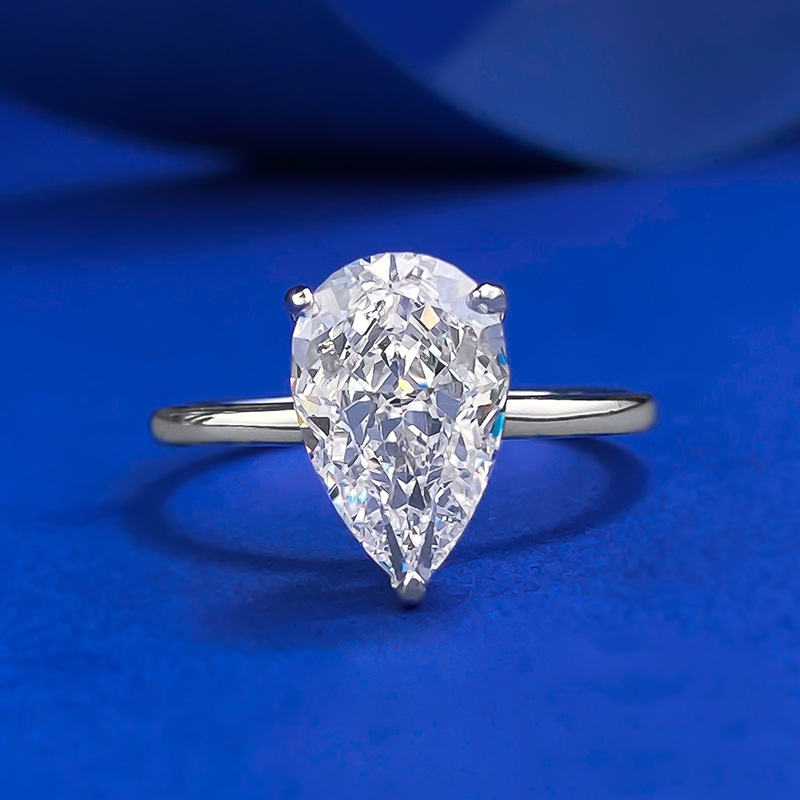
Return Policy Checklist Price Checklist for Jewelry Buyers
Buying fine jewelry should feel exciting, not confusing. A Return Policy Checklist price checklist helps you slow down and compare pieces with a clear head Before You Order. That matters for diamond rings, lab-grown diamond jewelry, and custom designs, where small details can change fit, value, and long-term satisfaction.
A good checklist keeps your focus on the facts that matter most: the return window, exchange terms, certification, craftsmanship, metal type, setting details, and total cost. Instead of chasing the lowest sticker price, you can compare offers side by side and make a better choice. If you shop at StoneBridge Jewelry, this approach can help you buy with more confidence and fewer surprises.
Use the Return Policy Checklist price checklist below as a practical tool before checkout. It helps you review policy terms, understand price differences, and spot the details that separate a fair offer from a risky one.
Why a Return Policy Checklist Price Checklist Matters
Jewelry is a high-consideration purchase. A ring can look perfect in photos and still feel different once it arrives. The setting may sit higher than expected. The band may run tight. The stone may look smaller than you imagined.
A return policy gives you a safety net if the piece doesn’t work out. Some retailers offer a full refund within a set time. Others allow exchanges only. Some limit returns on custom items or resized rings. If you miss the fine print, you can lose flexibility fast.
Price matters just as much. A low price can look appealing, but it may leave out the details that create real value. One ring may cost less because it uses a thinner shank or a simpler setting. Another may cost more because it includes GIA or IGI certification, stronger craftsmanship, or free resizing. A Return Policy Checklist price checklist helps you compare the full offer, not just the headline number.
Here are a few mistakes we see shoppers make all the time:
- Focusing only on carat weight and ignoring cut, color, and clarity.
- Skipping return policy terms and assuming every retailer offers the same flexibility.
- Forgetting to check shipping, resizing, or appraisal fees.
- Comparing one ring’s price to another without checking metal type, setting complexity, or certification.
- Buying for an event deadline without confirming processing and delivery timing.
GIA guidance is clear: diamond value depends on the 4Cs together, not just one factor. The same idea holds for jewelry shopping in general. The best purchase isn’t always the cheapest one. It’s the one that balances quality, service, and policy protection.
A Return Policy Checklist price checklist can also cut down on decision fatigue. Instead of second-guessing yourself after checkout, you can review the important details first. That’s especially helpful for engagement rings, anniversary gifts, and lab-grown diamond pieces, where emotion and budget need to stay in balance.
What to Look for in a Jewelry Return Policy
A jewelry return policy should be clear, specific, and easy to find. If it feels vague, that’s a warning sign. Start with the basics, then check the details that affect your purchase.
Key policy terms to review
Look for these items before ordering:
- Return window: How many days do you have after delivery?
- Condition requirements: Must the item be unworn, unused, and undamaged?
- Original packaging: Do you need the box, tags, appraisal, or certificate?
- Restocking fees: Will any amount be deducted from your refund?
- Refund method: Will you get money back to your original payment method, store credit, or an exchange?
- Exchange options: Can you swap size, style, or stone shape?
- Final sale exclusions: Are custom, engraved, resized, or special-order pieces excluded?
- Return shipping: Who pays, and is insured shipping required?
- Processing time: How long does it take after the item arrives back?
These details aren’t small. They directly affect your risk and your flexibility. A return policy checklist price checklist should treat them as part of the item’s value.
Standard return windows, exchanges, and store credit
Not all return policies work the same way. A standard return window usually gives you the broadest protection. You send the item back within the stated time, meet the condition rules, and get a refund.
An exchange-only policy is more limited, but it can still work if you trust the size guide and product specs. If a ring runs slightly large or small, an exchange may solve the issue without fully undoing the purchase.
Store credit is the least flexible option for many shoppers. It can work if you plan to buy again from the same retailer, but it doesn’t protect you the same way a refund does. If a seller offers store credit only, your return policy checklist price checklist should reflect that reduced flexibility.
Policy details that matter most for online diamond and fine jewelry purchases
Online Jewelry Shopping depends on trust. You can’t inspect every detail in person before buying, so the policy becomes part of the product.
For diamond rings and fine jewelry, these points matter most:
- Certification verification: Is the diamond graded by GIA or IGI?
- Inspection period: Can you review the item at home before deciding?
- Sizing and resizing rules: Does resizing affect return eligibility?
- Custom work restrictions: Are made-to-order pieces final sale?
- Insurance and shipping protection: Is the package insured in transit?
For lab-grown diamonds, the same review still applies. Certification, setting quality, and return terms should all be visible before checkout. A lab-grown diamond can be a strong value, but only if the piece comes with clear documents and a policy you can live with.
Return policy comparison table
| Policy Feature | Buyer-Friendly Sign | Risk Signal |
|---|---|---|
| Return window | Clear number of days, easy to find | Vague wording or hidden deadline |
| Refund method | Refund to original payment method | Store credit only |
| Condition rules | Reasonable, easy-to-meet requirements | Excessive restrictions |
| Packaging requirements | Basic original packaging accepted | Too many hard-to-keep items required |
| Custom item handling | Clear exceptions explained | Broad final sale language |
| Return shipping | Insured return process outlined | Buyer bears all costs without clarity |
| Processing time | Short, stated timeline | No posted refund timeline |
A practical return policy checklist price checklist uses this same comparison mindset. If a retailer is unclear about any of these points, ask Before You Buy. Transparency is part of the value.
How to Build a Smart Price Checklist for Fine Jewelry
A strong price checklist goes far beyond the sticker number. Fine jewelry pricing reflects a mix of materials, craftsmanship, design, and service. If you compare only the lowest listed price, you can miss the real difference in value.
A return policy checklist price checklist works best when it helps you compare like with like. A 14K white gold solitaire with a 1.00 carat lab-grown diamond should not be compared casually to a 10K yellow gold halo ring with a different stone shape and no grading report. The pieces may look similar at first glance, but they’re not the same product.
Compare price against the core value factors
Use these factors to judge whether the price makes sense:
-
Diamond quality
- Cut grade, color grade, clarity grade, and carat weight all matter.
- For natural diamonds, GIA grading reports are widely recognized.
- For lab-grown stones, IGI and GIA documentation can help verify the specs.
-
Metal type
- 10K, 14K, and 18K gold each have different durability and gold content.
- Platinum often carries a premium because of density and rarity.
- White gold may need periodic rhodium plating, which affects long-term care.
-
Setting complexity
- A simple solitaire usually costs less than a pavé, halo, or three-stone design.
- More prongs, accent stones, and custom gallery work can increase labor costs.
- Hand-finished settings often require more craftsmanship.
-
Certification and documentation
- A grading report adds confidence and helps with resale or insurance planning.
- Appraisal documents can support coverage decisions.
- Clear product specs reduce uncertainty.
-
Included services
- Free resizing
- Complimentary polishing
- Lifetime cleaning
- Warranty coverage
- Insured shipping
A polished return policy checklist price checklist also counts service value. A slightly higher price may make sense if it includes services you’d otherwise pay for later.
Learn to compare similar pieces accurately
Retailers often use similar language, but the details vary. To compare accurately, line up these points side by side:
- Stone shape: round brilliant, oval, princess, emerald, pear
- Stone size: exact millimeter dimensions, not just carat weight
- Diamond type: natural or lab-grown
- Metal purity: 10K, 14K, 18K, or platinum
- Center stone quality: cut, color, clarity, and symmetry
- Setting style: solitaire, halo, three-stone, pavé, bezel
- Certification: GIA, IGI, or another recognized lab report
- Warranty and service terms
This is where many shoppers go wrong. A lower price may simply reflect a lighter setting, smaller side stones, or fewer included services. A good return policy checklist price checklist helps you avoid comparing apples to oranges.
Understand how carat weight affects price
Carat weight is one of the biggest drivers of diamond price, but it doesn’t act alone. Two 1.00 carat diamonds can vary sharply in price based on cut and clarity. A well-cut stone can look brighter and larger than a poorly cut stone of the same weight.
Pricing also tends to rise at popular thresholds, like 0.50, 1.00, and 1.50 carats. Buyers often pay more for these “magic sizes” because demand is higher. If your budget is tight, a slightly smaller carat weight with excellent cut quality may offer better value than chasing a milestone number.
A return policy checklist price checklist should help you decide whether the higher price reflects real benefit or just market demand.
Use a simple price checklist before checkout
Before you purchase, ask:
- Does the price include certification?
- Is the setting solid gold or plated metal?
- Is resizing included?
- Are there hidden shipping or return costs?
- Does the warranty cover manufacturing defects?
- Are the measurements and specs listed clearly?
- Is the stone graded by a respected lab?
If you can’t answer those questions confidently, pause. A purchase should feel informed, not rushed.
For shoppers comparing ring styles, explore our engagement rings or try our ring builder to review settings, metals, and stone options side by side.
Buyer Benefits of Using These Checklists
A return policy checklist price checklist gives buyers a calmer shopping experience. Jewelry can stir up a lot of emotion, especially if you’re buying a proposal ring, a gift, or an upgrade. A checklist adds structure to that excitement.
The biggest benefit is clarity. You know what you’re getting, what happens if it doesn’t work, and what the price really includes. That can be a real relief for online shoppers who don’t want surprises after delivery.
How the checklist reduces purchase anxiety
Use the checklist to confirm:
- The item fits your budget
- The return window gives you enough time to inspect it
- The product specs match the listing
- The retailer provides credible documentation
- The finish, setting, and metal match your expectations
That kind of preparation makes decision-making easier. Because the return policy checklist price checklist covers both value and flexibility, it helps you shop with less hesitation.
How it helps you avoid hidden costs
Hidden costs are common in jewelry purchases. They may include:
- Return shipping fees
- Restocking charges
- Resizing fees
- Special packaging requirements
- Appraisal or insurance costs
- Care kit add-ons
These costs can change the real value of the item. A piece that seems cheaper up front may cost more after fees are added. A smart buyer checks the complete picture before buying.
How it supports better first-time decisions
The best return is the one you never need to make. If you review the size, style, budget, and policy terms before purchase, you’re more likely to Choose the Right item the first time.
A return policy checklist price checklist is especially useful for:
- Engagement rings: Style, size, and timing matter.
- Earrings: Comfort, back type, and metal choice matter.
- Necklaces: Length and pendant scale matter.
- Bracelets: Fit and clasp style matter.
This isn’t busywork. It can save time, money, and stress.
If you want a broader look at styles and product options, browse our jewelry collection and compare pieces with your checklist in hand.
Customer Considerations Before You Place Your Order
Pair your return policy checklist price checklist with a few personal buying checks. Even the best policy won’t help if the item itself isn’t the right size, style, or timeline for your needs.
Sizing and fit
Fit is one of the most common reasons for returns and exchanges. Rings should be sized with care, especially if you’re buying online. If a ring needs resizing, confirm whether that affects the return window.
For necklaces, check chain length carefully. Common lengths include 16 inches, 18 inches, and 20 inches. A pendant can sit very differently depending on where the chain lands on the neckline.
Bracelets need extra attention too. A snug bracelet may feel secure but uncomfortable. A loose one may spin or slide off. Earrings also deserve a fit check, especially if you’re comparing studs, drops, or hoops with different post styles.
If sizing is part of your decision, learn about ring sizing before you check out.
Care, maintenance, and storage
Long-term ownership matters. A well-made ring or necklace should be easy to care for and store safely. Ask whether the retailer offers guidance on cleaning, polishing, and inspection intervals.
Consider these points:
- Will the metal need regular maintenance?
- Are accent stones set securely enough for daily wear?
- Is the item suitable for active routines?
- Does the piece come with a storage box or pouch?
- Can the retailer help with future cleaning or inspection?
Lab-grown diamonds still need proper care. They may cost less than natural diamonds in many cases, but the jewelry setting and maintenance needs are still real. A return policy checklist price checklist should account for that.
Insurance and documentation
For higher-value pieces, insurance can be a smart move. An appraisal, grading report, or invoice may be required for coverage. Keep all documents in a safe place once your order arrives.
Store the receipt, certification, and care instructions together. If you ever need service, returns, or insurance support, having everything organized saves time.
Timelines matter
Timing can make or break a purchase. Ask about:
- Processing time
- Customization time
- Shipping speed
- Estimated delivery date
- Return deadline after delivery
If you’re buying for a proposal, anniversary, or holiday event, these dates matter just as much as price and policy. A beautiful ring that arrives late is still a problem.
Expert Tips for Comparing Policies and Prices Like a Pro
A return policy checklist price checklist works best when you compare retailers with the same framework every time. Consistency helps you spot the real differences.
Use a side-by-side comparison method
Build a simple comparison sheet with these columns:
- Retailer name
- Stone type
- Certification
- Metal type
- Setting style
- Total price
- Return window
- Refund type
- Warranty coverage
- Resizing policy
- Shipping details
This side-by-side method makes hidden differences easy to see. It also keeps you from overvaluing one feature and ignoring another.
Trust signals to look for
Strong retailers are usually transparent. Look for:
- Clear product specs
- Recognized grading reports
- Realistic product photos and measurements
- Easy-to-find policy pages
- Visible customer support options
- Honest details about exclusions and limits
According to industry standards used by GIA and IGI, precise documentation matters. That doesn’t mean every piece needs a long report, but it does mean buyers should expect clarity.
Where to verify information
Before buying, review:
- Product pages
- Return and shipping policy pages
- FAQ pages
- Customer reviews
- Ring sizing resources
- Contact pages for direct questions
If something is unclear, ask. A trustworthy retailer should be able to explain the policy, the price, and the product details in plain language. If you need support, contact our jewelry experts for help choosing the right piece.
Shop StoneBridge Jewelry with Confidence
A smart jewelry purchase starts with the right questions. A return policy checklist price checklist gives you a clear way to compare value, protect your budget, and choose a piece you’ll feel good about wearing.
At StoneBridge Jewelry, we believe confidence comes from transparency. That means clear product details, straightforward support, and fine jewelry designed to help you choose with certainty. Whether you’re comparing a diamond ring, a pair of earrings, or a special gift, using a return policy checklist price checklist can make the process easier and more rewarding.
Browse our collections, review the product details, and compare options with your checklist in hand. If you’re ready to shop, browse our jewelry collection, explore our engagement rings, or shop our lab-grown diamonds to find the piece that Fits Your Style, budget, and expectations.
Use the return policy checklist price checklist Before You Buy, and shop StoneBridge Jewelry with confidence today.
FAQ
What should I check in a jewelry return policy before I buy online?
A good jewelry return policy should spell out the return window, the item condition, and whether original packaging or certificates are required. You should also check who pays for return shipping and whether refunds go back to your card or come as store credit. Those details can change the real value of the purchase. A return policy checklist price checklist helps you compare the policy and the price together.
How do I compare fine jewelry prices without missing hidden costs?
Start with the full specs, not just the sticker price. Review the metal type, stone quality, certification, resizing rules, and warranty coverage, then look for extra charges like shipping or restocking fees. We’ve found that many shoppers spot a better deal only after they total the extras. A return policy checklist price checklist makes those differences easier to see.
Is a more expensive ring always better quality?
No, not always. A higher price can reflect better materials or craftsmanship, but it can also come from setting style, brand markups, or added services you may not need. Ask for the grading report, confirm the metal, and compare the setting details before you decide. A return policy checklist price checklist helps you judge value instead of reacting to price alone.
What should I ask before buying a lab-grown diamond ring online?
Ask about the diamond’s certification, the exact stone specs, the metal type, the resize policy, and the return terms. It also helps to confirm the shipping timeline and whether the ring comes with an appraisal or grading report. If a seller uses IGI or GIA documentation, that’s a helpful trust signal. A return policy checklist price checklist is especially useful for lab-grown diamond shopping.
How can I avoid returning jewelry after it arrives?
Check sizing, stone shape, metal choice, and delivery timing before you place the order. Reading the return policy closely matters too, especially if the item is custom, engraved, or resized. Our customers often tell us that a ring size guide and a clear product page saved them from making a rushed choice. A return policy checklist price checklist is one of the easiest ways to reduce buyer regret.
Ready to Find Your Perfect Diamond?
Explore our collection of certified lab-grown diamonds
Shop Diamonds