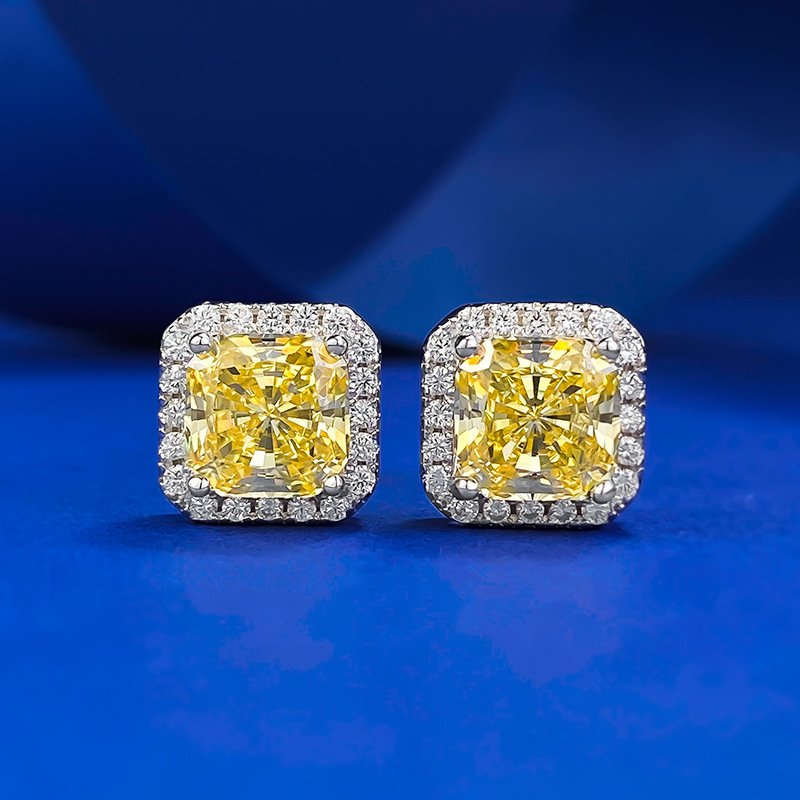
Return Policy Checklist Buying Guide for Jewelry Shoppers
A return policy can make or break a jewelry purchase. If the piece arrives and the fit is off, the color feels different, or the gift just isn’t right, you’ll want a clear path forward. A Return Policy Checklist buying guide belongs in your shopping process before checkout, not after delivery.
Buying fine jewelry online is a big decision. You may be choosing a lab-grown diamond, an engagement ring, or a gift that needs to feel right the first time. A strong return policy gives you room to inspect the piece, compare it with the listing, and decide with less pressure.
The return policy is part of the product. A lower price can be misleading if the retailer charges restocking fees, limits refunds, or makes returns hard to complete. The FTC has long warned shoppers to read return terms before buying, and that advice matters even more for jewelry, where packaging, certificates, and condition rules often affect eligibility.
It also matters because jewelry buying involves details that are difficult to judge from a screen alone. Diamond brilliance, metal color, band thickness, and stone proportion can look different under home lighting than in studio photography. A careful Return Policy Checklist buying guide helps you evaluate those variables without rushing into a final decision.
Why a Return Policy Checklist Matters for Jewelry
Jewelry sits at the intersection of emotion and money. A ring might mark an engagement, a necklace might celebrate a milestone, and a diamond can cost thousands of dollars. If something feels off once it arrives, the return process becomes a real part of the purchase.
Shoppers often feel more confident when the return terms are easy to find and easy to read. A 2024 report from the National Retail Federation found that returns are still a major factor in online buying decisions, and a Baymard Institute study has repeatedly shown that unclear policies add friction at checkout. People do pay attention.
A good Return Policy Checklist buying guide helps you look past the headline price and compare the details that matter:
- Fit for rings, bracelets, and chains
- How the item looks in person
- Whether the diamond matches the listing
- Gift purchases where size or style is uncertain
- Repair or exchange options if the piece isn’t right
For jewelry, timing matters too. Some retailers start the return clock at shipment, while others start it at delivery. That difference can cost you days, especially if you’re traveling or buying a gift.
There is also a quality-control angle. If a retailer offers a generous, transparent return policy, it often reflects confidence in product consistency and customer service. That does not guarantee perfection, but it can signal that the store is prepared to support issues like misaligned prongs, cloudy stones, or incorrect chain lengths if they show up during inspection.
Return Policy Checklist Buying Guide: What to Review Before You Buy
Use this Return Policy Checklist buying guide to compare retailers side by side. Two stores may both say “returns accepted,” but the actual terms can be very different.
1. Return window and start date
Check how many days you have to return the item. In jewelry, 14 to 30 days is common, though custom pieces may have shorter rules. The start date matters just as much as the length.
Ask three questions:
- Does the clock start at shipment or delivery?
- Do weekends or holidays change the deadline?
- Is the return request due before the item ships back?
A return window that starts on delivery usually gives you more real time. That matters if you need to inspect the piece with a jeweler or wait until after a trip.
For expensive purchases, also ask whether the return deadline is based on the first attempted delivery or the date you sign for the package. That distinction matters if the shipping carrier leaves the parcel with a neighbor or holds it at a facility. A few days can make the difference between a clean return and a missed deadline.
2. Condition rules and original packaging
Most jewelry returns require the item to be unworn, undamaged, and sent back in original condition. That often includes the box, pouch, tags, and paperwork.
For diamonds, the grading report can be part of the return requirement. GIA and IGI reports are common in the industry, and many retailers ask you to send them back with the piece. If the report is missing, the refund may be delayed or denied.
Be careful with wear, resizing, or engraving. Even one small change can affect return eligibility.
It helps to inspect the setting under magnification before you decide anything. Look for loose prongs, asymmetry, chipped melee stones, or a center stone that sits unevenly. If you spot a defect, document it before you wear the piece. The retailer may still honor the return, but clear photos and an early complaint make the process easier.
3. Refund method versus store credit
A flexible Return Policy Checklist Buying guide should tell you exactly how you get your money back.
Look for these terms:
- Full refund to the original payment method
- Store credit only
- Exchange only
- Partial refund after deductions
A refund to your card is the most buyer-friendly option. Store credit can still help, but it locks your money into the same retailer. Exchange-only policies are fine for some shoppers, yet they leave you fewer choices if you simply want out.
If you are comparing engagement rings, full-refund language matters because style preferences can change after you see the ring on your hand. A halo setting may look larger than expected, or a knife-edge shank may feel too delicate. A credit-only policy can be frustrating if you need to switch vendors rather than switch styles.
4. Exceptions and final sale items
Some jewelry is excluded from standard returns. That often includes custom designs, engraved pieces, resized rings, and final sale items.
Earrings may also have special rules for hygiene reasons. If you’re buying personalized jewelry, read the exception list closely. A policy that hides final sale language in a dense paragraph is a sign to slow down and ask questions.
For bridal jewelry, the exceptions are often broader than shoppers expect. Eternity bands, made-to-order center stones, and upgraded diamond selections may be treated as non-returnable if they were sourced specifically for your order. If the listing does not say “returnable” in plain language, assume you need to confirm it.
5. Return shipping, insurance, and tracking
Return shipping can change the true cost of a purchase. Check who pays for it and whether the retailer offers a prepaid label.
For higher-value jewelry, look for tracking, insurance, and signature confirmation. Those details help protect your package if it gets delayed or lost. A secure return process should be clear from the start.
You should also ask how long the refund takes after the retailer receives the item. Many stores need several business days to inspect the piece before approving the refund.
For items above a few hundred dollars, it is worth confirming whether the retailer requires a specific carrier or a special insured service. Some policies ask you to use the same shipping method they used to send the item to you. Others require that you keep the receipt from the shipping counter. If the retailer does not cover the return shipping label, compare the cost of insured shipping Before You Buy. That expense can be significant for a diamond ring or a heavy gold bracelet.
6. Fees that reduce the refund
Some returns come with deductions. Restocking fees, shipping charges, and insurance costs can all reduce the amount you get back.
A ring priced at $2,000 with free returns may be a better deal than a $1,900 ring with a 15% restocking fee. The sticker price doesn’t tell the whole story.
Watch for percentage-based deductions and fixed processing fees. A flat $25 fee can be manageable on a smaller purchase, but a 10% or 15% restocking charge quickly becomes expensive on an engagement ring. Some retailers also deduct the original shipping cost, which is easy to overlook when you are focused on the item price.
7. Warranty, repairs, and return overlap
A warranty is not the same as a return policy. A return lets you send the piece back after purchase. A warranty usually covers defects or workmanship problems after the return window closes.
If a ring has a setting issue, the retailer may repair it under warranty even if the return period has ended. That’s useful to know Before You Buy.
Ask whether the warranty covers routine maintenance such as prong tightening, clasp replacement, stone replacement due to setting failure, or rhodium plating for white gold. A strong warranty can offset a stricter return window, but it should not replace the ability to return a piece that simply does not meet expectations.
Diamond details that should influence your return decision
Jewelry shoppers often focus on carat weight first, but diamond quality can affect whether you keep a piece after delivery. A stone that looks great on paper may appear too dark, too small, or too tinted once it is mounted.
When you are using a Return Policy Checklist buying guide, make sure the retailer gives enough detail to compare the diamond against the listing. That includes the 4Cs: carat, cut, color, and clarity.
- Carat: A 1.00 carat round diamond typically looks smaller than a 1.00 carat oval or marquise because shape changes the visual spread.
- Cut: For round diamonds, cut has the biggest impact on sparkle. Look for excellent or ideal cut grades when available.
- Color: Near-colorless grades such as G-H are popular for white metal settings because they usually face up white while offering better value than D-F.
- Clarity: VS1-VS2 is often a strong balance for shoppers who want eye-clean appearance without paying for higher grades.
For lab-grown diamonds, ask whether the certification comes from GIA, IGI, or another respected lab, and review whether the report number matches the stone. Lab-grown diamonds are typically priced lower than mined diamonds, which can put a larger stone into budget, but the return policy still matters if the shape, color, or spread is not what you expected.
If you are buying a diamond with fluorescent effects, fancy color, or an unusual cut, the return policy becomes even more important because these features can look different in person than they do in listing photos. The same applies to oval, pear, emerald, and cushion shapes, where bow-tie contrast or windowing can influence whether the stone feels right once you see it on the hand.
Metal choices, settings, and how they affect returns
The metal you choose changes both appearance and comfort. It can also affect whether you end up returning the piece.
Platinum is durable, naturally white, and a strong option for everyday wear, but it costs more than gold and can feel heavier on the hand. 14k white gold is a popular balance of strength and price, while 18k white gold has a richer gold content and a slightly softer feel. Yellow gold can flatter warmer skin tones and may hide slight color in a diamond, while rose gold offers a soft blush tone that pairs well with fashion-forward or vintage designs.
Setting style matters too:
- Prong settings show more of the stone and maximize sparkle, but they may snag clothing and need periodic inspection.
- Bezel settings protect the stone better and can feel more secure, though they cover more of the diamond and reduce light return.
- Halo settings create a larger look for the center stone, but the extra detail can make the ring feel more ornate in person than expected.
- Three-stone settings add presence and symbolism, but the side stones can change how the ring fits between the fingers.
If you think you may return a piece, avoid unnecessary customizations such as engraving, special finish work, or unusually specific prong changes until you are certain you will keep it. A simple setting is easier to evaluate against photos, and it is usually easier to exchange if needed.
How return terms affect price and total value
A low price can look great until the return policy cuts into it. That’s why a return policy checklist buying guide should be part of your price comparison.
Think about the full picture:
- Listed price
- Shipping and insurance
- Restocking fees
- Return shipping cost
- Refund method
- Chance you’ll need a resize or exchange
A cheaper item with heavy fees may cost more in the end. On the other hand, a slightly higher price with free returns can save you money and stress.
Here’s a real example. A shopper compares two lab-grown diamond rings. One costs $1,850 with free returns. The other costs $1,790, but it has a 10% restocking fee plus return shipping. The first ring may be the better deal once you do the math.
The same logic applies to gemstone jewelry. An emerald, sapphire, or morganite ring may be priced attractively, but colored stones often show more variation from one piece to another. If the retailer charges significant fees for returns, you may not feel comfortable ordering more than one option to compare at home. Flexible return terms can be worth paying for if you are selecting among stones with visible differences in saturation, clarity, or hue.
Why transparency builds trust
Clear return terms do more than protect buyers. They also tell you how a retailer handles risk and service.
Shoppers often feel better about buying from a store that explains the policy in plain language. That’s especially true for engagement rings, where the purchase is both emotional and expensive. If a retailer makes the rules easy to find, that’s a good sign.
Transparency also matters for lab-grown diamonds. A shopper may compare a 1.00 carat round stone to a 1.50 carat oval, then decide after seeing it in person. A fair return policy gives room for that kind of decision.
If you want to compare styles Before You Buy, browse our jewelry collection, explore our engagement rings, or shop our lab-grown diamonds.
It also helps to look for detailed product pages. A retailer that publishes measurements, metal purity, stone certificates, and setting descriptions is usually easier to shop from than one that relies on generic photos. If the retailer shows the band width in millimeters, the head height, and the stone dimensions, you can judge comfort and proportion more accurately before placing the order. That reduces the chance that you will need to return something simply because it feels too bulky or too delicate in person.
Sizing, resizing, and fit before checkout
Ring size problems are one of the biggest reasons people return jewelry. A piece can look perfect online and still feel wrong on the hand.
Before You Order, confirm whether resizing changes return rights. Some retailers allow it. Others treat any alteration as final.
A few smart habits help:
- Measure the finger at the right time of day
- Use a reliable ring size guide
- Ask whether the piece can be resized later
- Confirm whether engraving changes eligibility
If you’re shopping for a gift, sizing gets even trickier. In that case, it’s worth reviewing the policy before you place the order.
Fit matters beyond rings, too. Tennis bracelets should drape with a bit of movement, not slide off the wrist. Chains need the right length for necklines and layering. Drop earrings should balance the face without pulling on the lobe. If the item includes multiple clasp positions, check the shortest and longest lengths so you know whether it will work with your wardrobe. A return policy is more useful when you also know the exact measurements you are trying to match.
When in doubt, use a piece you already own as a reference. Compare bracelet circumference, chain length, or ring diameter to something familiar. That reduces surprises and helps you decide whether the item is truly wrong or just different from what you imagined.
What to do after delivery
Open the package carefully and inspect the item right away. Check for scratches, missing stones, loose prongs, wrong sizing, or any mismatch with the order.
Keep these items together:
- Receipt or invoice
- Diamond grading report
- Warranty card
- Original box and outer packaging
- Tracking confirmation
If something is wrong, contact the retailer quickly. Take clear photos and save your messages. Fast documentation can make the return or exchange much easier.
When you inspect the item, check the most common problem areas. On rings, look at the underside of the setting, the symmetry of the shoulders, and whether the center stone sits level. On necklaces, verify that the clasp closes securely and the chain length matches the listing. On earrings, confirm that the backs fit tightly and that both earrings match in proportion and color. If you are unsure whether a defect is cosmetic or structural, do not wait until the return window is nearly over to ask for help.
It is also a good time to compare the piece under different lighting conditions. Jewelry can look warmer indoors and brighter near a window. A diamond that appears slightly tinted or a gemstone that seems darker than the listing may still be acceptable, but you should decide that within the return window. Some shoppers also schedule a quick inspection with a local jeweler to check prongs and setting security before committing.
Care and maintenance that protect your return rights
Once you decide to keep a piece, proper care helps preserve its condition and warranty coverage. It also prevents accidental damage during the return window while you are still evaluating it.
Remove rings before heavy lifting, gardening, swimming, and cleaning with harsh chemicals. Chlorine can affect some metals over time, and lotions or household products can create buildup that dulls the finish. Store each piece separately so chains do not tangle and harder stones do not scratch softer ones.
For diamond jewelry, gentle cleaning with mild soap and warm water usually works well for home care, but use caution with porous stones like opal, pearl, emerald, and turquoise. Those materials may need special handling and are more vulnerable to heat or abrasion. If the retailer recommends a specific cleaning method, follow it closely; using the wrong product may complicate warranty claims.
If a ring needs resizing, ask whether the work should be done by the seller or an authorized jeweler. Unauthorized alterations can void return rights and sometimes affect warranty coverage. The same caution applies to engraving, soldering, or prong re-tipping. These are useful services, but they should wait until you are sure the piece is staying with you.
Return policy checklist buying guide: final questions to ask yourself
Before you click buy, pause and ask a few direct questions:
- Is this piece for me or for a gift?
- Do I know the correct size, length, or style?
- Is this a standard item or a custom order?
- Does resizing or engraving change the return rights?
- Are the certificate and packaging included?
- Am I comfortable with the shipping and refund process?
If the answer to any of those is unclear, ask the retailer before ordering. A few minutes of checking can save you a lot of trouble later.
Need help choosing a build-to-order piece? Use our ring builder to confirm the design before checkout. If you still have sizing questions, read our ring size guide.
One more practical question is whether you are buying from stock or from a made-to-order inventory. Stock items usually ship faster and are easier to return because they have not been altered specifically for you. Made-to-order pieces may offer more customization but sometimes come with stricter return terms. If the retailer needs time to produce the piece, make sure the return clock does not begin before you can reasonably inspect it.
Common mistakes jewelry shoppers make with return policies
Many return problems come from simple assumptions. A shopper sees “30-day returns” and assumes every item is included. In reality, the policy may exclude sale items, custom work, or anything resized by request. Another common mistake is overlooking the difference between refund and exchange. An exchange-only policy can be fine if you are certain you want the same category of item, but it is not the same as having your money back.
Another error is failing to save the original packaging. Even if the jewelry itself is in perfect condition, missing paperwork or a lost grading report can slow the refund. This matters with diamonds, where the certification number often helps the retailer confirm the exact item being returned.
Shoppers also sometimes underestimate how long it takes to inspect a piece properly. A ring may arrive on a Friday, but you may not be able to visit a jeweler until midweek. If the policy starts on shipment instead of delivery, you may have far less time than you think. Build in a cushion before the deadline, especially if you are waiting on a second opinion.
Finally, do not assume that a high-end retailer always has the most flexible policy. Some luxury brands enforce stricter rules than smaller online jewelers, especially for engraved pieces or designer collections. Read the policy itself, not just the brand reputation.
Frequently asked questions about jewelry return policies
What should I check in a jewelry return policy before buying online?
A strong return policy checklist buying guide should cover the return window, condition rules, refund method, exclusions, and return shipping costs. You should also check whether custom, engraved, or resized jewelry is final sale. For diamond jewelry, make sure the policy explains what happens to the grading report and packaging. If any part is vague, ask Before You Buy.
Is a 30-day return policy good for fine jewelry?
Yes, 30 days is a solid return window for many jewelry purchases. It gives you enough time to inspect the piece, compare it with the product photos, and check the fit. The more important detail is when the clock starts. A 30-day window that begins at delivery is more useful than one that starts at shipment.
Can I return an engagement ring after resizing it?
Sometimes, but not always. Some retailers allow resizing without affecting the return, while others treat it as a final alteration. That’s why you should ask before buying if the ring is likely to need sizing help. A quick check now can save you from losing return rights later.
Are custom or engraved jewelry pieces usually returnable?
Most custom and engraved jewelry pieces are not returnable under standard policies. Retailers usually exclude them because they were made for one buyer. That often applies to special-order rings, personalized gifts, and made-to-order designs. Always read the exception list before placing the order.
What if I send jewelry back without the original box or certificate?
That can slow down the return or even make it ineligible. Many retailers want the original box, tags, invoice, and grading report before they approve a refund. For diamonds, certificates from GIA or IGI can be especially important. Keep every part of the packaging until you’re sure you’re keeping the piece.
Should I choose a retailer with free returns even if the price is higher?
Often, yes, if you are shopping for a high-value piece or an item you have not seen in person. Free or prepaid returns can reduce your risk, especially when you are comparing diamond shapes, metal colors, or ring styles. A slightly higher purchase price can be worth it if the return process is simple and you are not losing money to shipping or restocking fees.
Shop smarter with StoneBridge Jewelry
A smart purchase starts with a clear return policy checklist buying guide. Review the window, condition rules, refund method, exclusions, and shipping terms before you order. Then compare the full value, not just the price tag.
That approach helps you shop with more confidence for lab-grown diamonds, engagement rings, and gifts. If you’re ready to compare styles, shop our lab-grown diamonds, browse our jewelry collection, or explore our engagement rings. If you’d like help before you order, contact our jewelry experts.
Ready to Find Your Perfect Diamond?
Explore our collection of certified lab-grown diamonds
Shop Diamonds