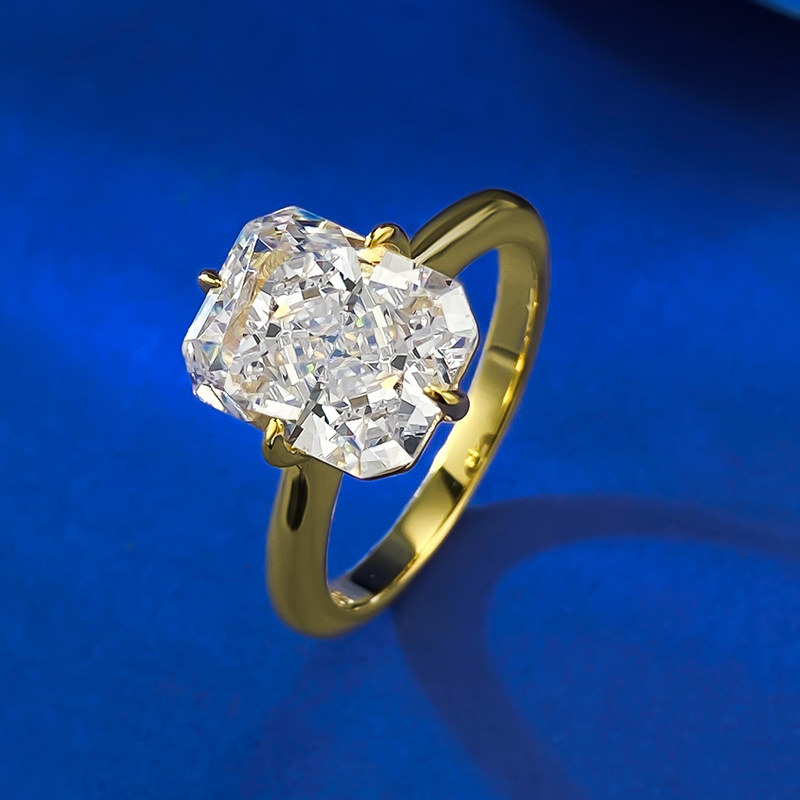
Radiant Cut Three Stone Ring Metal Comparison
A Radiant Cut Three Stone Ring metal comparison is about more than choosing a color. The metal affects how the diamonds look, how the prongs wear, how the ring feels, and how often the setting may need care from a jeweler.
Platinum, White Gold, Yellow Gold, and rose gold can all look beautiful with a radiant cut center stone. Each metal ages, shines, and frames the diamond in a different way. For a Three Stone Engagement Ring, the right metal helps the full design feel balanced.
GIA explains that diamond color, clarity, cut quality, measurements, polish, and symmetry all shape a diamond's appearance. Metal choice adds another layer. It can make a radiant cut look icy, warm, bold, soft, larger, or more defined.
This Radiant Cut Three Stone Ring metal comparison gives you a practical way to decide. Start with lifestyle, then diamond color, then budget. Style matters too. You should love looking at the ring every day, especially if it is marking a proposal, an anniversary, or the start of a marriage.
Radiant Cut Three Stone Ring Metal Comparison: What Matters Most
A radiant cut has straight sides, cropped corners, and brilliant faceting. It blends the outline of an emerald cut with the sparkle pattern many shoppers love in round diamonds. That strong shape makes metal choice easy to notice.
A three stone setting adds width across the finger. It also adds more prongs, more stone seats, and more metal contact points than a solitaire. The setting has to do real work, not just look pretty.
For this radiant Cut Three Stone Ring Metal comparison, StoneBridge Jewelry looks at six buying factors:
- Diamond color appearance and contrast.
- Prong strength and setting security.
- Scratch visibility during daily wear.
- Skin sensitivity and alloy content.
- Care needs, including polishing and replating.
- Price and long-term ownership cost.
Two numbers are useful while comparing gold options. A 14k Gold Ring contains 58.3% pure gold, while an 18k gold ring contains 75% pure gold. That difference affects color, hardness, and price.
Platinum is different. Fine jewelry platinum alloys often contain about 90% to 95% platinum. That higher purity helps explain its weight, price, and appeal for sensitive skin.
Why the Metal Changes the Diamond's Look
Cool metals, such as platinum and white gold, keep the focus on brightness. They work especially well with colorless and near-colorless diamonds in the D to H range. The ring reads clean, crisp, and diamond-forward.
Warm metals, such as yellow gold and rose gold, create contrast. They can make the radiant outline easier to see and add warmth near the prongs and basket.
That warmth is not always a drawback. Some shoppers want an icy look. Others prefer a softer glow. I've helped hundreds of couples choose between cool and warm metals, and the right answer is usually the one that makes their face change when they try it on (yes, it really is that obvious sometimes).
How StoneBridge Jewelry Compares Ring Metals
A useful radiant cut Three Stone Ring metal comparison should match the ring to real life. Do You Wear Jewelry every day? Do you want low upkeep? Are you trying to leave more of the budget for the center diamond?
Industry jewelers commonly recommend professional ring inspections once or twice a year for rings worn daily. That check helps catch worn prongs, loose side stones, and thinning metal before they become expensive repairs.
For active wear, prong security matters. For office wear, comfort and polish matter. For occasional wear, visual impact may matter more than maintenance. Here's what nobody tells you: the most beautiful ring is not always the one that makes the most sense for your hands, your routine, or your patience for upkeep.
Platinum for a Radiant Cut Three Stone Ring
Platinum is the strongest all-around choice in this radiant cut Three Stone Ring metal comparison. It has a natural white color, a dense feel, and excellent long-term stability. It does not need rhodium plating to stay white.
That makes platinum especially useful for a Three Stone Ring. The center basket and side-stone prongs need dependable support. Platinum holds up well in those high-contact areas.
Platinum does not stay mirror-bright forever. It develops a soft patina with wear. Some buyers love that lived-in look. Others choose occasional polishing to bring back a brighter finish.
Platinum Pros and Cons
Platinum is best for buyers who want durability and low color maintenance. It pairs beautifully with Radiant Cut Diamonds because it lets the stone's brightness take the lead.
Pros of platinum:
- Naturally white, with no rhodium plating needed.
- Strong prong performance for center and side stones.
- Often a good choice for sensitive skin.
- Dense, premium feel on the hand.
- Excellent long-term color stability.
Cons of platinum:
- Higher upfront cost than gold in many settings.
- Heavier feel, which not every shopper prefers.
- Patina develops with wear.
- Resizing and repairs can cost more than gold work.
Choose platinum if you want the most durable everyday option. In a radiant cut Three Stone Ring metal comparison, it usually wins for long-term wear.
White Gold for a Radiant Cut Three Stone Ring
White gold gives a bright, classic look at a lower starting price than platinum. It is one of the most popular Choices for Engagement rings because it feels familiar, polished, and easy to pair with wedding bands.
Most White Gold Engagement Rings are finished with rhodium plating. Rhodium gives the ring that bright white surface. Over time, the plating wears down, especially on the underside of the shank and near high-friction areas.
Many daily-worn white gold rings need replating every 12 to 24 months. Timing depends on skin chemistry, hand use, and ring design. If that care routine feels manageable, white gold can be a smart value choice.
White Gold Pros and Cons
White gold works well for shoppers who want a crisp diamond look but prefer to put more of the budget toward the center stone. It also suits buyers who like a lighter feel than platinum.
Pros of white gold:
- Bright, reflective look after rhodium plating.
- Usually costs less upfront than platinum.
- Classic style that pairs with many bands.
- Strong match for colorless and near-colorless diamonds.
- Available in 14k and 18k options.
Cons of white gold:
- Rhodium plating wears with daily use.
- The base alloy may look warmer between replating visits.
- Nickel-containing alloys may bother sensitive skin.
- It needs more finish care than platinum.
White gold is the best value pick in this radiant cut Three Stone Ring metal comparison. It gives the white-metal look without the higher platinum price, and that can be a very good trade if you would rather put more of the budget into the diamond itself.
Yellow Gold in a Radiant Cut Three Stone Ring Metal Comparison
Yellow gold brings warmth, tradition, and contrast. It makes the setting feel more visible, which can help the radiant cut center stone stand out. The look is classic, while the angular radiant shape keeps it from feeling old-fashioned.
Yellow gold can also help if you are choosing a near-colorless diamond. A G, H, I, or J color diamond may still look bright in the setting, while the gold adds warmth by design. That can leave more budget for carat weight, cut quality, or side-stone matching.
One caution: yellow gold can reflect warmth into the diamond near the prongs. If you want a very icy white look, consider platinum or white gold prongs with a yellow gold shank. Two-tone settings can solve that issue nicely.
Yellow Gold Pros and Cons
Yellow gold is a strong pick for shoppers who already wear warm jewelry. It also works well with vintage-inspired baskets, claw prongs, bezel accents, and mixed-metal wardrobes.
Pros of yellow gold:
- Timeless color with classic appeal.
- No rhodium plating needed.
- Warm contrast can define the radiant cut shape.
- Pairs well with traditional bridal styles.
- Available in 14k and 18k for different color depth.
Cons of yellow gold:
- Scratches can show on polished surfaces.
- Higher-karat gold can feel softer than 14k gold.
- Warm reflection may affect diamond color perception.
- It is less neutral than white metal.
Yellow gold is the best warm classic in this radiant cut Three Stone Ring metal comparison. It feels confident, rich, and easy to recognize. Honestly, I think yellow gold is underrated for radiant cuts because the contrast gives the shape real presence without trying too hard.
Rose Gold for a Radiant Cut Three Stone Ring
Rose gold gives a radiant cut Three Stone Ring a softer mood. Its pink tone comes from copper in the alloy. The exact shade can vary, so matching a wedding band later takes a little care.
This metal can make a bold radiant cut feel more romantic. It also flatters many skin tones because it sits visually between yellow and white metal. If you want something distinctive but not flashy, rose gold deserves a close look.
Rose gold is not the best Choice for Every sensitive-skin wearer. Copper content may bother some people. If you have known metal sensitivities, ask about alloy details Before You Order.
Rose Gold Pros and Cons
Rose gold works best for buyers who want a clear style point of view. It is warm, personal, and less expected than platinum or white gold.
Pros of rose gold:
- Romantic color with modern-vintage appeal.
- Flattering warmth on many skin tones.
- No rhodium plating needed.
- Strong personality in a three stone design.
- Pairs well with mixed-metal jewelry.
Cons of rose gold:
- Color preference can change over time.
- Copper may irritate some wearers.
- Alloy shades vary between makers.
- It may soften an icy diamond look.
Rose gold wins for personality in this radiant cut Three Stone Ring metal comparison. Choose it because you love the color, not because it is trending. For proposals, it can feel especially sweet and personal, like the ring already has a little love story built into it.
Radiant Cut Three Stone Ring Metal Comparison Table
Use this radiant cut Three Stone Ring Metal comparison table as a quick shopping guide. Scores use a 1 to 5 scale, with 5 as the strongest result.
| Metal | Durability | Upkeep | Diamond Look | Price Position | Best For | Score |
|---|---|---|---|---|---|---|
| Platinum | 5 | 4 | Cool, clean, premium | Highest | Daily wear and sensitive skin | 4.7 |
| White Gold | 4 | 3 | Bright and classic | Moderate | Value in a white metal | 4.3 |
| Yellow Gold | 3.5 | 4 | Warm, rich, defined | Moderate | Classic warmth and contrast | 4.1 |
| Rose Gold | 3.5 | 4 | Soft, romantic, distinct | Moderate | Personal style and warmth | 4.0 |
There is not one perfect metal for every ring. Platinum has the best technical profile. White gold gives you the white look for less. Yellow gold adds heritage warmth. Rose gold adds romance and individuality.
Here is the easiest decision path:
- Choose platinum if durability and low color upkeep matter most.
- Choose white gold if you want a bright look at a lower upfront price.
- Choose yellow gold if you want classic warmth and strong contrast.
- Choose rose gold if you want a softer, more personal design.
Before deciding, view the metal and diamond in daylight, office light, and softer evening light. Store lighting can make every diamond look brighter than it will look at home (trust me, I've seen it happen).
Matching Metal to Lifestyle, Diamond Color, and Budget
The best radiant cut Three Stone Ring metal comparison starts with daily habits. If you wear your ring through work, travel, errands, and regular handwashing, platinum is hard to beat. It handles daily wear well and keeps its white color without plating.
If budget is tighter, white gold is a practical runner-up. You can keep the setting bright with rhodium care and use the savings for a larger radiant cut, better color, or better matched side stones.
Yellow gold suits shoppers who love classic jewelry and warm styling. It also works well if you are choosing a slightly warmer Diamond Color Grade by design. Rose gold suits buyers who want a ring that feels romantic and less common.
In my 10 years at StoneBridge, the couples who feel happiest with their final choice usually stop chasing the "best" metal and start asking Which Metal Fits their actual life. That shift makes the decision calmer, and frankly, a lot more fun.
If you are still comparing center stones, review certified options in the StoneBridge lab-grown diamond collection. If you want to compare finished settings, browse StoneBridge engagement rings before you settle on a metal.
StoneBridge Recommendation
For most shoppers, StoneBridge Jewelry recommends platinum as the top choice in a radiant cut Three Stone Ring metal comparison. It offers the strongest mix of durability, natural white color, secure prong performance, and long-term wear.
White gold is the best alternative if price matters more than maintenance. It gives a similar cool-tone look and leaves more room in the budget for diamond size or quality.
Yellow gold is the best warm metal for long-term versatility. Rose gold is the best choice for a romantic, distinctive style. Both can look excellent with the right diamond color and setting design.
Want to build the ring around your exact diamond and metal choice? Use the StoneBridge ring builder, explore fine jewelry designs, or contact our team for help comparing options.
FAQ: Radiant Cut Three Stone Ring Metal Comparison
What is the best metal for a radiant cut three stone ring?
Platinum is usually the best metal for a radiant cut Three Stone Ring if you want daily durability, secure prongs, and a naturally white color. It performs especially well in three stone settings because there are more prongs and stone seats to protect. White gold is the best value choice if you like a bright white look. Yellow gold and rose gold are better if warmth and personality matter more.
Is platinum or white gold better for a radiant cut engagement ring?
Platinum is better for long-term color stability because it is naturally white and does not need rhodium plating. White gold costs less upfront and looks very bright after plating. If you do not want regular replating, choose platinum. If you would rather spend more on the center diamond, white gold can be the smarter buy.
Does yellow gold make a radiant cut diamond look bigger?
Yellow gold does not change the diamond's actual measurements. It can make the radiant cut outline look more defined because the warm metal contrasts with the diamond. That contrast may make the ring feel more prominent on the hand. For the strongest effect, choose a bright diamond with good face-up spread.
Is rose gold good for a radiant cut three stone ring?
Yes, rose gold can be a beautiful choice for a radiant Cut Three Stone Ring. It softens the angular shape and gives the setting a romantic look. It works best for shoppers who already like warm jewelry tones. If you want the iciest diamond appearance, platinum or white gold may suit you better.
How often does white gold need rhodium replating?
Many white Gold Engagement Rings need rhodium replating every 12 to 24 months with daily wear. The timing depends on hand use, skin chemistry, and how much friction the ring gets. A jeweler can inspect the finish during a routine check. Replating keeps the ring looking bright and white.
Shop Radiant Cut Three Stone Rings by Metal
Use this radiant cut Three Stone Ring Metal comparison as your shortcut, then choose the metal that fits your life and your eye.
- Best for durability: Platinum Radiant Cut Three Stone Ring
- Best for value: White Gold Radiant Cut Three Stone Ring
- Best for classic warmth: Yellow Gold Radiant Cut Three Stone Ring
- Best for romantic style: Rose Gold Radiant Cut Three Stone Ring
The right metal should protect the diamonds, suit your maintenance comfort, and look natural with the jewelry you already wear. That is the real win.
Ready to Find Your Perfect Diamond?
Explore our collection of certified lab-grown diamonds
Shop Diamonds