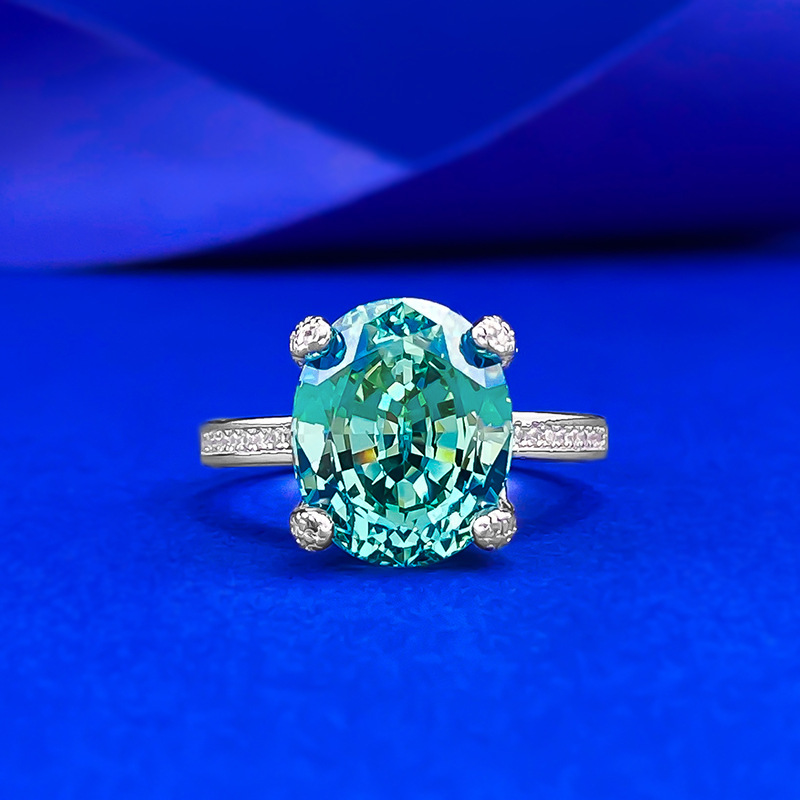
Princess Diamond Ring Setting Cost: What Changes the Price?
Princess Diamond Ring Setting cost can vary widely from one design to another. The price reflects the metal, labor, accent stones, prong work, finishing, and the structure that holds a square diamond safely in place.
A setting-only price covers the mounting without the center diamond. A complete ring price includes both the setting and the princess-cut center stone. That difference matters, because two rings can look similar online but lead to very different totals at checkout.
A princess-cut diamond has sharp corners. Those corners create the clean square shape people love, but they also need protection from chips and daily bumps.
At StoneBridge Jewelry, we often see customers start by comparing carat size, then realize the setting has just as much influence on Comfort, Durability, and Style. The smartest choice is rarely the cheapest setting. The better choice is the setting that protects the diamond, fits the wearer’s routine, and still looks beautiful years later.
What Princess Diamond Ring Setting Cost Includes
Princess Diamond Ring Setting cost usually comes from six areas: metal, craftsmanship, style, accent diamonds, customization, and after-sale support. The center diamond may be priced separately, so check the product details before comparing rings.
A simple 14k gold solitaire costs less because it uses fewer materials and less setting work. A platinum halo or three-stone ring costs more because it includes extra diamonds, more metal, and more labor at the bench.
The main price drivers are:
- Precious metal: 14k gold, 18k gold, and platinum vary by purity, weight, density, and market price.
- Prong and basket work: Princess cuts need protected corners, often with V-prongs or strong corner prongs.
- Accent diamonds: Pavé bands, halos, and side stones add both diamond weight and labor.
- Design complexity: Cathedral shoulders, hidden halos, and custom galleries take more time to build.
- Finishing: Polishing, inspection, resizing policies, and warranty support affect long-term value.
GIA explains that cut quality affects brightness, fire, and scintillation. For princess cuts, the setting should support that sparkle without leaving the corners exposed. A weak basket or thin prong can turn a pretty ring into a repair issue.
Setting-Only vs. Complete Ring Pricing
Setting-only pricing works well if you already own a diamond or want to choose a specific center stone through a builder. It gives you more control over carat weight, color, clarity, and certification.
Complete ring pricing is simpler. You see the center diamond, the setting, and the final cost together. That helps if you want fewer decisions and a clearer budget.
Lab-grown diamonds can stretch the budget further. Many shoppers use the savings to choose a larger princess-cut diamond, upgrade to platinum, or add a pavé band without raising the total spend as much as a mined diamond ring might.
Metal Choices and Princess Diamond Ring Setting Cost
Metal has a direct effect on Princess Diamond Ring setting cost. The most common choices are 14k white gold, 14k yellow gold, 14k rose gold, 18k gold, and platinum.
14k gold is popular because it is strong, attractive, and usually more affordable than 18k gold or platinum. It also comes in several colors, which makes it easy to match the wearer’s style.
Platinum costs more in many settings. It is naturally white, dense, and often heavier in the same ring design. Platinum is also roughly 60% denser than 14k gold, so a platinum ring usually needs more material by weight.
Metal prices change daily. Gold and platinum spot prices can move with global markets, so retail setting prices may shift over time. If you see a setting you love at the right price, availability and pricing may not stay the same forever.
14k Gold, 18k Gold, and Platinum
14k gold gives many buyers the best mix of strength and value. It is a practical choice for everyday engagement rings, especially with princess-cut diamonds that need secure prongs.
18k gold has a richer gold content and a slightly softer feel. Some buyers prefer it for its color, especially in yellow gold. It can cost more than 14k because of the higher gold purity.
Platinum has a premium feel and a natural white color that does not need rhodium plating. It can be a smart upgrade for buyers who want weight, durability, and a classic white-metal look.
Princess Diamond Ring Setting Cost by Style
Princess diamond ring setting cost changes most visibly by style. A solitaire keeps the budget focused on the center diamond. A halo, pavé band, or three-stone design adds sparkle and raises the setting price.
Use this quick comparison as a starting point:
| Setting Style | Cost Level | Best For | Main Price Driver |
|---|---|---|---|
| Solitaire | Lower to mid | Classic, clean style | Less metalwork and no accent stones |
| Cathedral solitaire | Mid | Elegant lift | Extra structure around the head |
| Hidden halo | Mid to premium | Subtle side sparkle | Small diamonds under the center stone |
| Pavé band | Mid to premium | More brilliance | Accent stones along the shank |
| Classic halo | Mid to premium | Larger face-up look | Diamond frame around the center |
| Three-stone | Premium | Symbolic designs | Matching side stones and alignment |
| Custom setting | Premium | Personal details | CAD design, sourcing, and extra labor |
The best style depends on the wearer. Someone with an active routine may prefer a lower-profile solitaire. Someone who loves shine may want a halo or pavé band.
Solitaire Princess Diamond Settings
Solitaire settings are often the most budget-friendly choice. They use fewer materials and skip accent diamonds, so more of the budget can go toward the center stone.
Not every solitaire is inexpensive. A platinum cathedral solitaire with a sculpted basket will cost more than a slim 14k gold four-prong setting. Band width, prong shape, and profile height all affect price.
For princess cuts, look closely at the corners. V-prongs or sturdy corner prongs help protect the pointed edges. A clean solitaire can look sharp, modern, and timeless when the proportions are right.
Halo, Hidden Halo, and Pavé Settings
Halo and pavé designs raise princess diamond ring setting cost because they include small accent diamonds and more setting work. A classic halo can make the center diamond look larger from the top view. A hidden halo adds sparkle from the side without changing the square outline as much.
Pavé bands place small diamonds along the shank. They add shine across the finger, but they also need careful construction. Tiny beads and shared prongs can wear over time if the ring is worn hard every day.
Our customers often choose hidden halos when they want detail without a busy top view. It is a good middle ground for someone who likes sparkle but still wants the princess-cut center diamond to stay in focus.
Three-Stone and Custom Settings
Three-stone princess settings cost more because they require side stones that look balanced beside the center diamond. Shape, size, color, and brightness all need to work together.
Custom settings add design time. CAD modeling, wax or resin previews, stone sourcing, engraving, and special finishing can all increase the price. The tradeoff is a ring that feels personal rather than standard.
If the lowest price is the main goal, a standard solitaire is usually the better fit. If meaning and originality matter more, custom work can be worth the premium.
Budget Ranges for Princess Diamond Ring Settings
Princess diamond ring setting cost is better viewed in ranges than exact numbers. Pricing depends on metal markets, accent diamond weight, labor, customization, and whether the center stone is included.
The Knot has reported average U.S. engagement ring spending around the mid-$5,000 range in recent surveys, though real budgets vary widely by couple. IGI and GIA grading reports also affect the center diamond’s value, especially for carat weight, color, clarity, and cut-related measurements.
A practical way to plan is:
- Entry-level: 14k gold solitaires and simple settings for value-focused buyers.
- Mid-range: Pavé bands, hidden halos, cathedral profiles, and 18k gold upgrades.
- Premium: Platinum, three-stone rings, intricate halos, and custom designs.
A low price can be appealing, but structure matters. Weak prongs, thin bands, or poor finishing can lead to repairs later. A well-built setting may cost more upfront and save stress over time.
Entry-Level Settings
Entry-level settings often include 14k gold solitaires, slim bands, and simple prong designs. They suit minimalists, practical wearers, and buyers who want more budget for the center diamond.
This range can work especially well with lab-grown diamonds. For example, a shopper may choose a simple setting to move from a 1.50 ct to a 2.00 ct princess-cut center stone.
Simple does not have to mean plain. Clean lines, polished metal, and secure corners can make a princess diamond ring look intentional and refined.
Mid-Range Settings
Mid-range settings often give the best balance of style, strength, and price. Popular upgrades include pavé bands, hidden halos, cathedral shoulders, and 18k gold.
Ask how the ring protects the princess-cut corners. Also check whether the accent diamonds look bright and evenly matched. Small details make a big difference in person.
This range works well if you want the ring to feel special from several angles while still staying practical for daily wear.
Premium Settings
Premium settings may include platinum, larger side stones, intricate halos, mixed metals, or custom details. These choices can turn a princess diamond ring into an heirloom-style piece.
At this level, comfort matters as much as beauty. The ring should feel smooth between the fingers and secure on the hand. Clear care guidance and support are part of the value too.
How to Choose the Right Setting for Daily Wear
The best setting is not always the most expensive one. It is the one that fits the person’s hands, habits, and taste.
Do they work with their hands? A low-profile solitaire or sturdy cathedral setting may be easier to wear. Do they love a bold look? A halo or three-stone setting may feel more exciting.
StoneBridge Jewelry’s lab-grown diamond selection helps shoppers balance center stone size and setting quality. You can shop lab-grown diamonds, browse engagement rings, or build your own ring to compare styles side by side.
Before checkout, view the ring from the top, side, and gallery angles. Confirm the ring size, metal, prong style, and total price.
Durability and Comfort
Durability starts with the head of the ring. Each princess-cut corner should be protected, and the basket should hold the stone evenly.
Low-profile settings snag less. Higher settings can make room for a straight wedding band, but they may catch more easily. Very thin bands look delicate, yet they can wear faster over many years.
Professional jewelers often suggest inspections once or twice a year for rings worn daily. That is especially helpful for pavé, halo, or high-set styles.
Wedding Band Pairing
Think about the wedding band before buying the engagement ring. Some low baskets will not allow a straight band to sit flush. Some halos need a curved or contoured band.
A solitaire often pairs easily with many bands. A three-stone or halo ring may need more planning. If stacking is part of the plan, leave enough space for future anniversary bands.
Customization, Sizing, and Care
Customization can change princess diamond ring setting cost quickly. Metal color, prong style, engraving, band width, accent diamonds, and profile height all affect materials and labor.
Sizing also deserves attention. Wider bands can feel tighter than slim bands in the same size. Pavé, eternity, and engraved designs may be harder to resize because cutting the shank can disturb stones or patterns.
If you are unsure, review our ring size guide before ordering. You can also contact our jewelry experts for help with fit, setting style, or customization questions.
Care is simple but important. Clean the ring with warm water, mild dish soap, and a soft brush. Avoid bleach, chlorine, and harsh cleaners. If a prong looks bent or lifted, stop wearing the ring until a jeweler checks it.
Is a Lab-Grown Princess Diamond Ring Setting Worth It?
A lab-grown princess diamond ring setting can be a smart value. Lab-grown diamonds have the same chemical composition as mined diamonds, and reputable stones can be graded by IGI or GIA.
Because lab-grown diamonds often cost less than mined diamonds of similar size and grade, buyers get more room in the budget. Some choose a larger center stone. Others upgrade the setting to platinum, pavé, or custom details.
Review the diamond’s carat weight, color, clarity, measurements, polish, symmetry, and grading report. For princess cuts, many buyers like a length-to-width ratio near 1.00 to 1.05 for a square look.
The setting should match the diamond’s value. A large princess-cut diamond needs strong corner protection. A smaller center stone can gain presence from a halo or pavé band.
Shop Princess Diamond Ring Settings at StoneBridge Jewelry
Princess diamond ring setting cost depends on metal, style, accent diamonds, craftsmanship, customization, and whether the center diamond is included. Compare the full ring, not just the mounting price.
StoneBridge Jewelry offers lab-grown princess diamond rings for shoppers who want secure construction, polished design, and clear value. Compare solitaire, halo, pavé, three-stone, and custom-inspired styles Before You Buy.
Ready to choose a setting? Shop now to compare princess diamond ring setting cost across styles, explore engagement rings, or use our ring builder to create a Ring That Fits your budget and your life.
FAQ
How much does a princess diamond ring setting cost without the center diamond?
A setting-only price depends on metal, setting style, accent diamonds, and labor. A simple 14k gold solitaire usually costs less than a platinum halo, pavé, or three-stone setting. Always confirm whether the quote covers only the mounting or the complete ring. That one detail can change the comparison fast.
What setting is safest for a princess-cut diamond?
A safe princess-cut diamond setting protects all four corners. V-prongs, strong corner prongs, and a balanced basket are smart features to look for. A low or medium profile can also reduce snagging during daily wear. If the wearer is active, choose strength and comfort over fragile details.
Does a halo increase princess diamond ring setting cost?
Yes, a halo usually raises princess diamond ring setting cost because it adds accent diamonds and more labor. The benefit is a larger face-up look and extra sparkle around the center stone. A hidden halo can be a subtler choice if you want detail from the side. Ask how the small stones are set and how often they should be inspected.
Is platinum worth it for a princess diamond ring setting?
Platinum can be worth the upgrade if you want a naturally white metal with a heavier feel. It often costs more because it is dense and can require more labor to finish. Gold is still a strong choice, especially for buyers who want yellow, rose, or more budget-friendly white metal. The best option depends on style, budget, and maintenance preferences.
Can I customize a princess diamond ring setting before buying?
Many princess Diamond Ring Settings can be customized with metal choice, prong style, band width, engraving, or accent diamonds. Custom changes can affect price, production time, and resizing options. If you are planning pavé or an eternity-style band, ask about future sizing before ordering. A quick design conversation can prevent costly changes later.
Ready to Find Your Perfect Diamond?
Explore our collection of certified lab-grown diamonds
Shop Diamonds