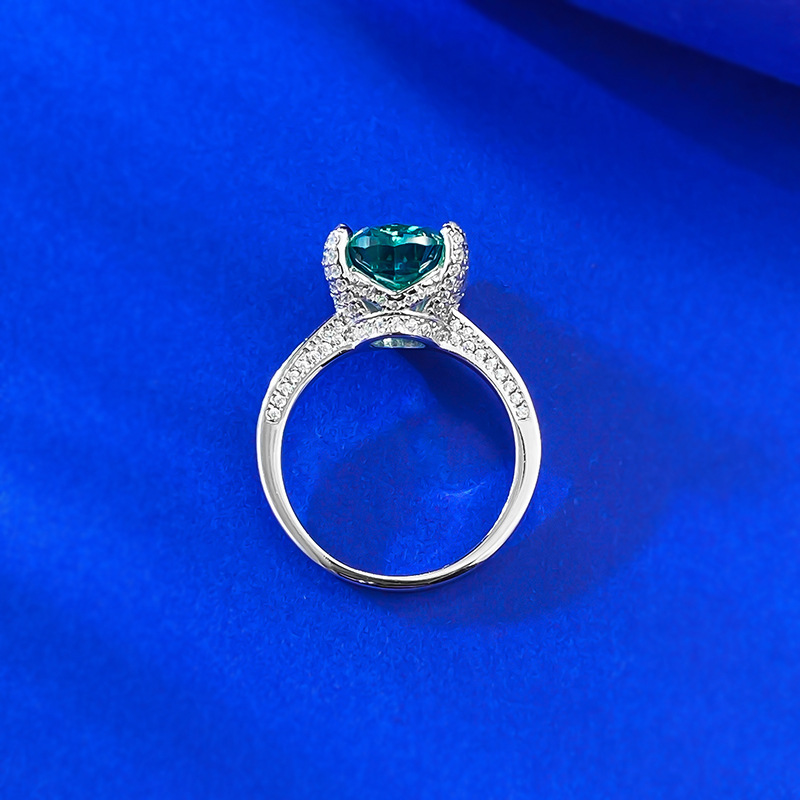
Best Wedding Bands for Everyday Wear: Comfort, Durability, and Style
Choosing the best wedding bands for everyday wear comes down to how a ring feels through real life. It should be comfortable at work, during errands, at the gym, and out to dinner. It also needs to hold its shape, handle daily bumps, and still feel like something you love years later.
That balance usually depends on metal, profile, width, and setting style. A plain band may be the easiest to live with. A diamond band may give you the look you want with a little more care. Which One Fits Your routine best?
Best Wedding Bands for Everyday Wear: What Matters Most
The best wedding bands for everyday wear are the ones you stop noticing after you put them on. They feel smooth, stay secure, and stay out of the way. That matters whether you wear your ring alone or next to an engagement ring.
Comfort starts with the inside shape of the band. A comfort-fit ring has a rounded interior, so it slides on more easily and presses less against the finger. If you type all day, lift weights, cook, garden, or work with your hands, that small detail makes a real difference.
Durability comes from both the metal and the design. Platinum is dense and wears well over time. Gold stays popular because it comes in different tones and price points. GIA notes that metal type, setting security, and finish all affect how a ring performs over years of wear.
Style matters too. Some people want a plain wedding band with almost no upkeep. Others want sparkle from a diamond-accented band, a full eternity band, or an anniversary ring that can pull double duty.
Lab-grown diamonds also deserve a place in the conversation. They make it easier to find a diamond band that fits more budgets Without Giving Up the look. If you’re still comparing styles, browse our jewelry collection to see how metals, finishes, and settings look side by side.
What to look for before you buy
A good everyday ring should be judged the same way you would judge shoes or a watch: by fit, function, and how it holds up over time. Ask whether the ring will catch on clothing, whether the inside feels smooth, and whether the metal matches the amount of wear you expect.
It also helps to think in practical terms about the setting and finish. A high-polish surface shows scratches more quickly than a matte finish, while brushed or satin textures can hide day-to-day wear better. For diamond bands, settings with more exposed edges may sparkle more, but they can also need more inspection.
Best Wedding Bands for Everyday Wear by Style
There isn’t one perfect answer for everyone. The right band depends on how active your hands are, how much upkeep you want, and how much sparkle you like.
Classic metal bands
Classic metal bands are the easiest place to start. They’re smooth, low, and simple to pair with almost any engagement ring. A plain wedding band in yellow Gold, White Gold, rose gold, or platinum usually brings the fewest worries.
If you want a traditional ring that still feels refined, pay attention to width and thickness. Thin bands around 2 mm can feel delicate, while 4 mm or 5 mm bands feel more substantial. Thinner rings tend to pair well with engagement rings, while wider bands can stand alone with more presence.
Diamond-set bands
Diamond-set bands add light and detail without the bulk of a center stone. You can go subtle with pavé or choose a bolder look with stronger diamond accents. The tradeoff is simple: more sparkle often means more care.
For everyday wear, look for small diamonds with secure settings rather than oversized stones that sit high. A band using melee diamonds in the 1.0 mm to 1.8 mm range often gives enough brilliance without turning the ring into a snag risk. Shared-prong and channel-set bands can also be practical because the stones are supported more securely than in some open pavé layouts.
Eternity band styles
An eternity band places diamonds or gemstones around the full ring. It can be one of the prettiest choices for daily wear if the setting is secure and the profile stays low. The catch is practical. Full-circle settings can be harder to resize, and the stones can face more wear over time.
If you like the look but want more flexibility, a half-eternity band is often the better everyday compromise. It gives you visible sparkle on the top half of the ring, leaves the underside plain, and is usually easier to size later. That makes it a strong option for someone whose finger size may change over time.
Comfort-fit and low-profile designs
Comfort-fit styles are popular for a reason. They reduce rubbing and feel smoother through a long day. Low-profile rings sit closer to the finger, which helps cut down on snagging.
This matters even more if you wear gloves, lift children, handle tools, or move between tasks all day. A ring that sits lower on the hand is usually easier to live with than a tall, decorative band that looks beautiful but gets in the way.
Matching bands and couple rings
Matching bands and couple rings are about coordination, not carbon copies. Two people don’t need identical rings to look connected. Many couples match metal color or finish and still choose different widths for better comfort.
One partner may want a 3 mm band in platinum while the other prefers a 5 mm band in the same metal. That is still a coordinated look, and it often works better in real life than forcing one style onto both people.
Here’s the quick tradeoff:
- Plain bands are the easiest to wear every day.
- Diamond-set bands add interest with moderate upkeep.
- Eternity bands give the most sparkle but need the most care.
- Comfort-fit low-profile designs work best for active routines.
If you want to compare widths and styles before buying, try our ring builder and test a few combinations.
Best Option 1: Classic Plain Wedding Bands
Classic plain wedding bands stay near the top of any list of the best wedding bands for everyday wear because they simply work. A plain gold or platinum band fits almost any setting, from office days to weekends away.
The biggest advantage is ease. No stones to snag. No prongs to check. Less cleaning. Less stress. For people who use their hands all day, that kind of simplicity is hard to beat.
Material still matters. Platinum is dense, naturally white, and known for long-term durability. Gold gives you more color choices, and 14k gold is usually tougher than 18k because it contains more alloy. GIA also recommends routine cleaning and periodic inspection to keep fine jewelry looking its best.
The main downside is obvious: plain bands don’t sparkle. If you want more visual detail, a plain ring may feel too restrained. Still, for buyers who care most about comfort and daily wear, it’s often the smartest pick.
Best for:
- People with active jobs or hobbies
- Minimalists who want a timeless look
- Buyers who want low-maintenance daily wear
- Anyone pairing the band with a larger engagement ring
Sizing matters here too. A loose ring can spin and annoy you. A tight ring can feel rough in warm weather. If you’re unsure, learn about ring sizing Before You Buy.
For a plain band, consider a comfort-fit interior and a slightly rounded edge if you want the best everyday feel. Those small details are not dramatic in a showroom, but they matter after months of wear.
Best Option 2: Diamond-Set Wedding Bands and Eternity Bands
Diamond-Set Wedding Bands are a strong choice if you want more sparkle without moving into a larger ring. A diamond-accented wedding band can brighten a Solitaire Engagement Ring. An eternity band takes that look even further with a full circle of shine.
The appeal is easy to see. Diamonds add detail, light, and a more finished feel. That’s part of why these styles stay popular. Customers often narrow the field quickly once they see how much a slim diamond band changes the look of the whole set.
A few styles work especially well for daily wear:
- Low-set pavé bands that keep stones close to the finger
- Shared-prong styles that let in more light while staying fairly streamlined
- Half-eternity bands that place diamonds across the visible top half
- Full eternity bands for the most sparkle and symmetry
Diamond specs matter more than many shoppers realize. For an everyday band, many buyers prefer small, well-matched diamonds with good cut quality over larger stones with more visible height. Round brilliant melee is common because it maximizes light return in a compact size. If the band uses colorless or near-colorless diamonds, look for stones in the G to H range for a bright look at a better price, or step up to D to F if you want a whiter appearance and the budget allows it. Clarity often does not need to be extremely high in small accent stones, but VS and SI grades are common because tiny inclusions are usually less visible at that scale.
If you are buying a higher-value diamond band, ask for independent grading from a respected lab. GIA and AGS grading are widely recognized, and reports help confirm the characteristics you are paying for. For lab-grown diamonds, look for clear disclosure and a grading report from a reputable laboratory so you know the stone’s origin and quality.
The tradeoffs matter. Diamond-set bands can snag more than plain bands, especially if the stones sit high. They also need more regular checking because tiny stones can loosen over time. Many jewelers suggest inspecting pavé or prong-set bands at least once or twice a year.
A well-made eternity band can still work as an everyday wedding ring. The key is a secure setting and a profile that doesn’t sit too tall. Some anniversary ring styles fit here too. If the ring feels smooth, sits close to the finger, and holds stones securely, it can be a practical everyday choice.
If sparkle matters most but you still want daily comfort, look for a band with protected stones and a low setting. That’s often the sweet spot for the best wedding bands for everyday wear.
How Metal Choice Affects Daily Wear
Metal choice affects more than color. It changes weight, scratch behavior, maintenance, and how the ring feels after years of wear.
Platinum is a strong everyday option because it is dense and naturally white. It tends to develop a soft patina rather than wearing away quickly, which some people love. It is often more expensive up front, but many buyers see that as worthwhile for longevity.
14k gold is a practical choice for people who want durability and a wide price range. It has more alloy than 18k, which usually makes it harder and better for daily use. It is often the sweet spot for shoppers who want gold with a little extra toughness.
18k gold has a richer gold color and a more luxurious feel, but it is softer than 14k because it contains more pure gold. That does not make it a bad choice. It just means it may show wear a little sooner if you work with your hands or wear the ring in demanding conditions.
Rose gold is a favorite for its warm tone and can be a smart everyday option when you want something slightly different from the usual yellow or white metal. White gold is popular for its bright appearance, though it may need periodic rhodium replating to keep its color fresh.
For shoppers balancing style and practicality, the best metal is often the One That Fits your routine and your willingness to maintain it. If you want the least upkeep, platinum and 14k gold usually rise to the top.
Side-by-Side Comparison of the Best Everyday Bands
| Style | Comfort | Durability | Maintenance | Sparkle | Typical Price Range | Best For |
|---|---|---|---|---|---|---|
| Plain metal band | Excellent | Excellent | Low | Minimal | $300–$2,000+ | Minimalists, active lifestyles |
| Comfort-fit gold band | Excellent | Very good | Low | Minimal | $400–$2,500+ | All-day wear, first-time buyers |
| Platinum band | Excellent | Excellent | Low | Minimal | $900–$3,500+ | Long-term durability |
| Diamond-accented band | Very good | Very good | Moderate | High | $800–$5,000+ | Balanced sparkle and wearability |
| Half-eternity band | Very good | Good | Moderate | Very high | $1,200–$7,500+ | Engagement ring pairing |
| Full eternity band | Good | Good | Higher | Maximum | $2,000–$10,000+ | Luxury sparkle, special styling |
Quick ranking by lifestyle
- Active lifestyles: plain comfort-fit band, then a low-profile diamond-accented band.
- Office and everyday professional wear: platinum band or half-eternity band.
- Minimalists: classic plain metal band.
- Sparkle-focused buyers: low-set diamond band or eternity band.
- Matching bands and couple rings: coordinated plain bands or matched diamond accents.
Concise verdicts
- Plain metal band: Best overall for simplicity and low maintenance.
- Comfort-fit band: Best for all-day comfort.
- Platinum band: Best for long-term resilience.
- Diamond-accented band: Best for a refined balance of sparkle and wearability.
- Eternity band: Best for maximum brilliance when daily wear still matters.
If you’re comparing a wedding ring with a more decorative anniversary ring, think about how much impact your hands take each day. A lower-profile ring usually handles daily life better.
How to Choose the Right Band for Your Lifestyle
The best wedding bands for everyday wear should fit your routine as well as your finger. A ring can look perfect in a photo and still feel wrong if it catches on tools, tugs at gloves, or feels heavy after a long day.
Start with your daily habits. If you work with your hands, lift weights, play sports, or spend time in kitchens or medical settings, a plain or low-profile band is usually the better call. If your routine is gentler, you can explore more decorative options like a diamond band or eternity band.
Width changes comfort too. Narrow bands usually feel lighter. Wider bands create more presence but can feel bulkier. A 2 mm to 4 mm width is common for buyers who want a refined, wearable profile. Wider styles can still work, but they should be tested before purchase.
Metal choice also matters for skin sensitivity and long-term wear. Platinum is often a strong pick for sensitive skin because it’s naturally white and durable. Gold stays a favorite because it offers classic color options, though the alloy mix changes by karat. If you live in a hot or humid climate, a slightly looser fit may feel better as your fingers swell during the day.
Setting height is another practical detail. The lower the profile, the less likely the ring is to snag. That makes a real difference for diamond-set designs, especially if you want a wedding band you can wear without thinking about it.
A simple decision rule helps:
- Choose a plain band if you want the easiest daily wear.
- Choose a diamond-accented band if you want sparkle without heavy upkeep.
- Choose an eternity band if you want more brilliance and don’t mind extra care.
- Choose matching bands if you want coordination, but don’t force identical styles.
For shoppers still comparing polished styles, explore our engagement rings to See How Different bands pair with common center-stone shapes.
Buying Details Most Shoppers Overlook
Small buying details can make a big difference once the ring is on your hand every day. One of the biggest is finish. High-polish bands have a mirror shine, but they can show scratches faster than brushed or satin finishes. A matte finish can be a smart everyday choice if you want a softer look and less visible wear.
Another detail is edge style. Comfort-fit rings often have rounded inner edges, but the outer edges matter too. A slightly beveled edge can make a ring feel less sharp and can help it wear better against neighboring jewelry. If you wear an engagement Ring and Wedding band together, check how the profiles sit side by side so the pair does not rub awkwardly.
Certification and disclosure matter as the price climbs. For a plain band, you may be focused mainly on craftsmanship and metal weight. For diamond bands, ask whether the center row or accent stones are natural or lab-grown, what the Total Carat Weight is, and whether the stones are graded individually or as matched melee. A transparent seller should be able to explain whether the diamonds are certified by GIA, IGI, or another respected lab when applicable.
Price can vary sharply based on metal, labor, and stone count. A simple gold band can be relatively affordable, while a platinum pavé or full eternity band can move into a much higher range because of both Material and Setting work. If you are comparing similar-looking rings, ask what is driving the price: metal purity, weight, setting method, diamond quality, or hand finishing. That tells you whether you are paying for a meaningful upgrade or mostly for appearance.
Shipping and returns are worth checking Before You Order. Rings are personal purchases, and even a careful buyer may need to exchange a size or metal color. Look for insured shipping, clear return windows, and details on whether custom or engraved rings are final sale. If a seller offers resizing, confirm whether it applies to eternity bands, since many full-circle styles cannot be resized easily.
Warranty details also matter. Some jewelers cover manufacturing defects, loose stones, or prong repair for a limited period, while normal wear and loss are usually excluded. Knowing that distinction up front helps you compare value more honestly.
Care, Cleaning, and Long-Term Maintenance
Even the best wedding bands for everyday wear need routine care. The good news is that most maintenance is simple. A soft brush, mild soap, and warm water can handle everyday buildup from lotion, soap residue, and natural oils.
For plain gold or platinum bands, cleaning is usually straightforward. For diamond bands, be careful around the setting. Dirt collects under stones, and buildup can reduce sparkle. A gentle soak and soft brushing around the underside of the ring often make a noticeable difference.
It is also smart to remove your ring during certain activities. Heavy lifting, harsh cleaning products, pool chemicals, and manual labor can all be rough on Fine Jewelry. If you are working in a setting where the ring could get scratched or bent, take it off and store it safely.
A quick annual check with a jeweler is a good habit, especially for pavé, shared-prong, and eternity styles. Prongs can loosen, stones can shift, and normal wear can affect alignment. Catching a small issue early is far easier than repairing a missing stone later.
If your ring is white gold, remember that rhodium plating can wear over time and may need refreshing. Platinum does not need that same treatment, though it can develop a lived-in surface that some buyers prefer and others choose to polish out occasionally.
Common Mistakes to Avoid
One common mistake is choosing style over fit. A ring that looks beautiful but feels heavy, pinch-prone, or too tall will probably end up in a drawer more often than it should.
Another mistake is Buying a Diamond band without checking the setting. Beautiful stones still need secure construction. If you want something for everyday wear, ask how the diamonds are held, how often the ring should be inspected, and whether the design is known for catching on clothing.
Shoppers also sometimes overlook resizing limitations. Plain bands are usually easier to adjust than half-eternity or full-eternity designs. If your finger size may change because of climate, pregnancy, weight fluctuation, or hand swelling, factor that in before buying.
It is also easy to underestimate width. A 6 mm band may feel fine in the store for a few minutes but become noticeable all day long. If you are undecided, try on a few widths in person or use a ring sizer before ordering online.
Finally, do not ignore the return policy. Even a ring with excellent specs can feel different once you wear it through a normal week. A clear exchange window is helpful, especially when buying your first everyDay Wedding Band.
Expert Recommendation and Final Picks
If we had to name one winner, it would be the comfort-fit plain platinum or gold band. It gives you the strongest mix of comfort, durability, and low maintenance. That’s exactly what most people need for daily wear.
Here are the strongest picks by buyer type:
- Best minimalist choice: a plain comfort-fit band in platinum or 14k gold.
- Best luxury everyday choice: a platinum band with a low-profile diamond accent.
- Best sparkle-focused choice: a half-eternity band with secure, low-set stones.
If you want a ring that can move from work to travel to special occasions, start with a plain band. If sparkle is the priority, Choose a Diamond-set style with a low profile and secure setting. And if you want more help, view our jewelry collection or contact our jewelry experts for guidance on metal, width, and setting style.
The best wedding bands for everyday wear are the ones people forget they’re wearing until someone compliments them. Comfort-fit construction, durable metals, and well-placed stones make the biggest difference over time.
Frequently Asked Questions
What is the most comfortable wedding band for everyday wear?
A comfort-fit plain metal band is usually the most comfortable choice for daily wear because the inside edges feel smooth and easy on the finger. It’s a smart fit for people who want a wedding band they can wear all day without fuss. Platinum and 14k gold are both common choices because they balance comfort and durability well.
Are diamond wedding bands good for everyday wear?
Yes, as long as you Choose the Right setting. The best everyday Diamond Wedding Bands usually have low-set stones, secure prongs, and a profile that stays close to the finger. A half-eternity or pavé design can give you sparkle without making the ring hard to live with.
What metal is best for a wedding band worn every day?
Platinum and gold are the most common choices for a daily wedding band. Platinum is prized for strength and its naturally white look, while 14k gold offers solid wearability and lots of style options. The best choice depends on your budget, your routine, and how much upkeep you want.
Should matching bands and couple rings be the same style?
No, they don’t have to match exactly. Many couples choose shared details like the same metal color, finish, or width range instead of identical designs. That usually creates a more comfortable result for both people.
Can an anniversary ring be worn as a wedding band?
Yes, many anniversary ring styles work well as an everyday wedding band if the setting is secure and the ring sits low enough on the finger. This is a good option if you want a little more sparkle without giving up daily comfort. A low-profile design is usually the safest place to start.
Ready to Find Your Perfect Diamond?
Explore our collection of certified lab-grown diamonds
Shop Diamonds