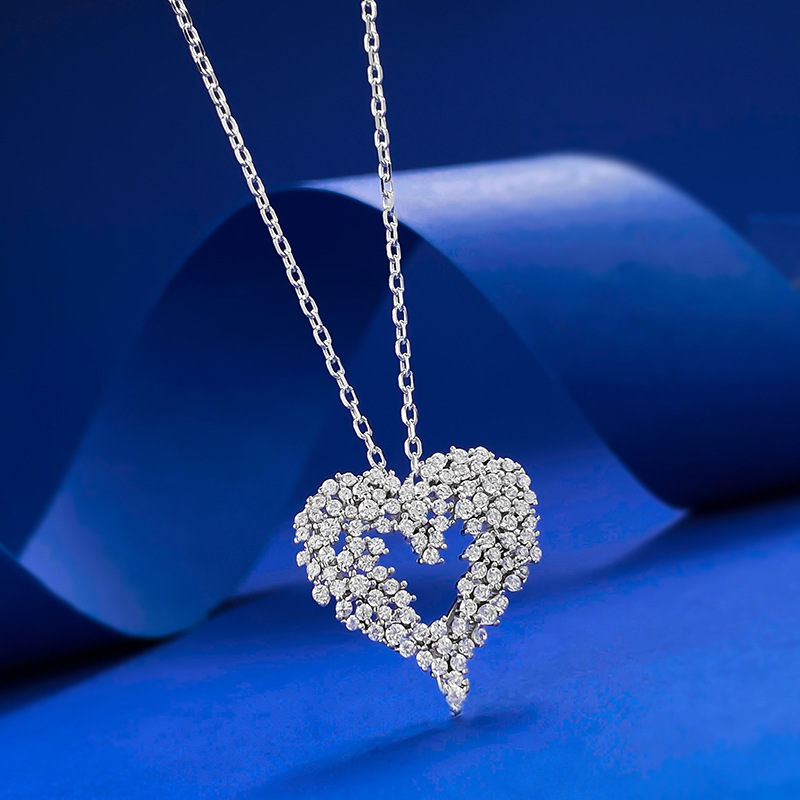
Princess Diamond Pendant Buying Tips for Beauty, Quality, and Value
Princess Diamond Pendant Buying Tips Before You Shop
A princess-cut diamond pendant has a crisp, modern look that still feels easy to wear. The square shape, sharp corners, and bright faceting give it strong sparkle without looking too ornate. These princess diamond pendant buying tips will help you compare real quality before you choose a necklace for daily wear, a gift, or a milestone purchase.
Online, many princess diamond pendants look almost identical. A small product photo may show a square diamond on a chain, but it won't tell you how lively the diamond is or how secure the setting feels. Cut quality, corner protection, metal choice, chain strength, clasp type, diamond origin, and grading paperwork all affect the final piece.
Don't choose by carat weight alone. A larger diamond can look dull if the cut is weak. A bright stone can still be a poor choice if the corners are exposed or the chain feels too light for the pendant.
The smartest approach is simple. Review the diamond first, then compare the setting, metal, chain, size, certification, and service policies. These princess diamond pendant buying tips help you spend where it matters and avoid paying for details you won't see.
For shoppers comparing natural and lab-grown diamonds, the same budget can lead to very different results. You may prefer a smaller mined diamond with fine craftsmanship, or you may choose a larger lab-grown diamond with higher color and clarity. Both can be beautiful when the grading is clear and the necklace is well made.
What Makes a Princess-Cut Diamond Pendant Different
A princess-cut diamond is usually square, though some stones are slightly rectangular. GIA and IGI both separate diamond shape from cut quality, and that difference matters. “Princess” describes the shape and faceting style. Cut quality describes how well the diamond handles light.
Princess cuts use brilliant-style faceting. Instead of the long, mirror-like flashes you see in emerald cuts, they create smaller flashes, contrast, and movement. On a necklace, that geometry gives the pendant a clean focal point against the neckline.
Princess cuts can also look generous for their weight. Much of the diamond's weight can sit across the face-up surface, so a well-proportioned stone may look broad and defined. Strong princess diamond pendant buying tips always include millimeter measurements, not just carat weight.
As a helpful reference, a 1.00 carat princess-cut diamond often measures about 5.5 mm by 5.5 mm, while a 0.50 carat princess cut often measures about 4.4 mm by 4.4 mm. Exact dimensions vary by depth and proportions. Those numbers still give you a better feel for size than carat weight alone.
The main design concern is the corners. Princess-cut diamonds have pointed corners that need protection. Pendants face less impact than rings, but they still move against clothing, hair, and other chains. A good purchase balances sparkle, proportion, and security.
Why the Shape Works So Well in Pendants
The modern princess cut became popular in the late twentieth century as a square alternative to the round brilliant diamond. Shoppers liked the sharp outline and lively sparkle. Jewelers liked that it offered a fresh shape without losing the brightness of brilliant-style faceting.
That history helps explain why the shape still works so well in pendants. It looks architectural, but not cold. It can feel minimal in a solitaire setting, secure in a bezel, or more dramatic inside a halo.
Our customers often choose princess diamond pendants because the shape feels polished without being too formal. It works with a simple white shirt, a black dress, or a layered necklace stack. The best princess diamond pendant buying tips focus on how the piece will look on the wearer, not only how it reads on a grading report.
Step-by-Step Princess Diamond Pendant Buying Tips
The most useful princess diamond pendant buying tips follow the same order a jeweler uses during a quality review. Start with the diamond, then check the setting, metal, chain, size, and budget. No single factor creates the best pendant for every person.
A pendant is usually viewed from conversational distance. That changes the buying strategy. A flawless clarity grade may sound impressive, but it may not improve the necklace as much as better sparkle or a stronger setting.
Use this purchase order as a practical filter:
- Review diamond quality through the 4Cs and visible sparkle.
- Compare carat weight with millimeter measurements.
- Decide between lab-grown and natural diamond options.
- Choose a setting that protects the corners.
- Match the metal color to the diamond and wearer.
- Check chain length, thickness, clasp, and balance.
- Confirm grading, return policies, and service support.
These princess diamond pendant buying tips keep the decision grounded. You're not just choosing a pretty necklace. You're choosing a piece that should look beautiful, feel comfortable, and stay secure over time.
Check Cut, Color, Clarity, and Carat
The 4Cs are cut, color, clarity, and carat weight. GIA created the 4Cs as a shared language for comparing diamonds, and reports from GIA, IGI, or GCAL help confirm what you're buying. For a princess-cut pendant, each C matters, but cut should lead.
Cut affects brightness more than most shoppers expect. If a princess cut is too deep, too shallow, or poorly aligned, it may leak light and look flat. Since princess cuts don't always receive the same simple cut grade that round brilliants do, ask for images, videos, measurements, polish, symmetry, and expert review.
Color describes how white or warm the diamond appears. White gold and platinum tend to highlight color, so many shoppers prefer colorless or near-colorless grades. Yellow and rose gold can make a near-colorless diamond look bright because the metal adds warmth around it.
Clarity measures internal and surface characteristics. Since pendants aren't inspected as closely as engagement rings, an eye-clean diamond often gives better value than a very high clarity grade. SI1 or VS2 may work well in some natural diamonds if inclusions aren't visible without magnification. With lab-grown diamonds, higher clarity grades may be easier to reach.
Carat weight affects size and price, but it shouldn't lead the whole decision. A lively 0.70 carat princess diamond can look better than a dull 1.00 carat stone. Keep that in mind before you fall for a bigger number.
Pick a Wearable Carat Size
Pendant size should match the wearer's style and routine. A petite princess diamond pendant can look refined for daily wear. A larger solitaire or halo pendant can feel more appropriate for anniversaries, graduations, birthdays, or evening looks.
Princess cuts often have a strong face-up presence. A 0.25 to 0.50 carat diamond can look subtle but noticeable. A 0.75 to 1.00 carat pendant usually adds more presence without feeling too dressy. Larger stones can look striking, but they need a setting and chain with enough structure.
Compare millimeter dimensions before you compare price. Two diamonds can weigh the same but look different because one carries more weight in depth. To make the pendant look larger without overspending, look for a well-cut stone with good face-up spread.
Chain length also changes the visual size. A pendant near the collarbone often looks more prominent than the same pendant worn lower on the chest. Size, chain length, and neckline work together.
Compare Lab-Grown and Natural Diamonds
Lab-grown diamonds have the same optical, chemical, and physical properties as mined diamonds when they are properly grown, cut, and graded. They are real diamonds, not simulants. Reputable lab-grown diamonds should come with clear grading from sources such as IGI, GIA, or GCAL.
For many shoppers, lab-grown princess diamond pendants offer more flexibility. The same budget may allow a larger carat weight, a higher color grade, or cleaner clarity. Retail pricing changes, but lab-grown diamonds are often priced 50% or more below mined diamonds with similar size and grades, depending on the seller and specifications.
Natural diamonds appeal to shoppers who value geological origin, rarity, or traditional gifting meaning. Lab-grown diamonds appeal to shoppers who prioritize size, sparkle, and budget efficiency. Neither choice is automatically better.
If you want to compare options side by side, you can shop lab-grown diamonds and review how carat weight, color, clarity, and price interact. These princess diamond pendant buying tips apply to both origins: verify the report, inspect the sparkle, and choose craftsmanship that protects the stone.
Choose the Setting, Metal, and Chain
The setting and chain do more than hold the diamond. They shape the whole look of the necklace. A delicate prong setting can make a princess diamond look airy. A bezel can feel sleek and secure. A halo can add visible size and extra shimmer.
Metal color also changes the mood. White gold and platinum emphasize cool brightness. Yellow gold adds warmth and contrast. Rose gold softens the square shape and gives the pendant a romantic feel.
A jeweler's rule is simple: protect the corners first. Princess-cut diamonds have pointed corners, so the setting should support them with V-prongs, a bezel, or a design that limits exposure. Even pendants can catch on clothing or rub against other jewelry.
| Setting Style | Best For | Main Advantage | Watch For |
|---|---|---|---|
| Prong | Classic sparkle | Lets in more light | Corners need secure coverage |
| Bezel | Everyday wear | Strong protection | Slightly less open sparkle |
| Halo | Bigger look | Added brilliance | More small stones to maintain |
| Solitaire | Timeless styling | Clean and versatile | Chain balance matters |
These princess diamond pendant buying tips can narrow your design choices before price takes over the decision.
Prong, Bezel, Halo, and Solitaire Settings
Prong settings are popular because they show more of the diamond. Less metal around the stone can create an open, sparkle-forward look. For a princess cut, the prongs should cover or guard the corners. V-prongs are often a smart choice because they cradle the pointed tips.
Bezel settings surround the diamond with a rim of metal. They create a smooth, modern look and can be a strong option for daily wear. A bezel may reduce the airy look of a prong setting, but it adds useful security.
Halo settings frame the center diamond with small accent stones. This can make the pendant look larger and add sparkle around the princess cut. A halo can also soften the square outline if the wearer likes a more luminous edge.
Solitaire pendants focus on one diamond. They're timeless, easy to layer, and suitable for many outfits. If you want one necklace that works often, a solitaire princess diamond pendant is hard to beat.
Match Metal Color to Style and Maintenance
White gold creates a bright, modern look that pairs well with colorless and near-colorless diamonds. It is usually rhodium-plated, so it may need replating over time to keep its crisp white finish. Platinum offers a naturally white color, premium feel, and strong durability, though it usually costs more.
Yellow gold adds warmth. It can make a princess diamond pendant feel classic, vintage-inspired, or more traditional. It also creates contrast, which can help the diamond stand out.
Rose gold softens the geometry of the princess cut. Its pink tone feels romantic without looking overly decorative. If the wearer already owns rose gold pieces, matching the pendant can make the gift feel more personal.
Choose metal based on skin tone, existing jewelry, maintenance preferences, and budget. The goal isn't to pick the most expensive metal. It's to choose the one the wearer will reach for often.
Check Chain Length, Style, and Strength
Chain length controls where the pendant sits. A 16-inch chain usually rests near the base of the neck. An 18-inch chain often sits around the collarbone and is one of the most versatile pendant lengths. A 20-inch chain falls lower and works well with open necklines or layering.
Chain style affects durability and visual weight. Cable chains are classic and flexible. Box chains have a squared profile that pairs nicely with princess-cut geometry. Wheat chains feel smooth and sturdy, though they may look heavier depending on thickness.
The chain should support the pendant without stealing attention. A very thin chain may look delicate, but it can feel risky with a heavier diamond. A chain that is too thick can overpower a small stone. Many fine pendants feel balanced on chains around 0.8 mm to 1.2 mm, while larger stones may need more structure.
Check how the pendant moves. It should slide smoothly, sit centered, and avoid constant flipping. The clasp should feel secure and easy to use. Among all princess diamond pendant buying tips, chain quality is one of the easiest to overlook.
Budget and Value Tips for a Princess Diamond Pendant
Good princess diamond pendant buying tips should help you spend with purpose. A pendant's value comes from visible sparkle, secure craftsmanship, clear grading, comfortable wear, and a design the wearer will enjoy. Price alone doesn't prove quality.
Set a budget before you compare options. Then divide that budget across the diamond, setting, metal, and chain. Carat weight usually has the strongest effect on price, but origin, color, clarity, certification, metal type, and setting style also matter.
Use this priority list:
- Invest first in cut quality and visible brightness.
- Choose a setting that protects the corners.
- Confirm the chain and clasp suit the pendant weight.
- Select color and clarity grades that look beautiful, not just impressive on paper.
- Review certification, return policies, and service details before purchase.
A pendant meant for daily wear shouldn't feel fragile. A major gift should come with clear documentation and after-purchase support. If your budget is limited, save on specs that don't change the visible look and invest in details that affect wear.
Where to Save and Where to Spend
Spend on cut quality. A princess-cut diamond with strong light performance will look lively at the neckline, even if it isn't the largest option. Spend on craftsmanship, too. Secure prongs, a smooth bezel, clean finishing, and a reliable bail all help protect the diamond.
A secure chain is also worth paying for. The chain carries the whole piece. If the clasp is weak or the links feel too fine, the necklace may not be practical for regular wear.
You can often save on color and clarity. Near-colorless grades can look bright in a pendant, especially in yellow or rose gold. An eye-clean diamond can be a smart value choice because tiny inclusions rarely affect the look from normal viewing distance.
Lab-grown diamonds may stretch the budget while preserving strong visual quality. If you want to compare metal colors and pendant styles, you can browse fine jewelry designs to see how settings change the overall look.
Confirm Certification and Policies
Diamond documentation matters, especially for center stones with meaningful value. A grading report should list measurements, carat weight, color, clarity, proportions, polish, symmetry, and origin when applicable. A reputable jeweler should be clear about whether the diamond is natural or lab-grown.
Review product details beyond the diamond. Confirm the metal type, chain length, chain style, clasp type, pendant dimensions, and whether the chain is included in the price. If a product page leaves out key information, ask Before You Buy.
Return and service policies protect you. Check the return window, shipping insurance, warranty coverage, repair options, and chain exchange options. If you're buying a surprise gift, flexibility matters even more.
These princess diamond pendant buying tips are practical safeguards. A beautiful pendant should come with clear information, not vague promises. If you need help comparing specs, you can contact StoneBridge Jewelry experts before making your final choice.
Styling, Gifting, and Care Advice
A princess diamond pendant can become a daily signature piece or a meaningful gift. The right design depends on how the wearer dresses, how often they wear necklaces, and whether they prefer subtle jewelry or visible sparkle.
For daily wear, Comfort and Security should lead. A low-profile solitaire or bezel setting can move easily from work to dinner. For special occasions, a larger diamond or halo setting can create a stronger focal point.
If the pendant is a gift, study the recipient's jewelry habits. Do they wear white metals or yellow gold? Do they like simple pieces or more detailed designs? Do they wear necklaces daily or only for events?
Care is part of the purchase, too. Diamonds attract oils, lotion, and soap residue, which can reduce sparkle. Regular cleaning and occasional inspections keep the pendant bright and secure.
Everyday Wear or Special Occasion?
For everyday wear, choose a secure setting with a profile that won't snag easily. Bezel settings and well-made prong solitaires are strong choices. If the wearer is active, travels often, or prefers low-maintenance jewelry, avoid overly delicate designs.
For special occasions, you can choose more visual presence. A halo pendant adds sparkle around the center stone. A larger solitaire creates a bold but clean statement.
Neckline matters. Crew necks may need a shorter chain so the pendant stays visible. Open necklines often pair well with 18-inch or 20-inch chains. Work environment matters as well, since some shoppers prefer a subtle pendant for professional settings.
Buying a Princess Diamond Pendant as a Gift
A princess diamond pendant makes a thoughtful gift for birthdays, anniversaries, graduations, holidays, bridal moments, and personal milestones. The square shape can suggest balance, strength, and modern elegance. That gives the piece meaning without requiring an ornate design.
If you're unsure of the recipient's style, look at what they already wear. White gold is a safe choice for someone who wears silver-toned jewelry. Yellow gold suits someone who favors warm, classic pieces. Rose gold works well for a softer, romantic style.
Choose versatility if the gift is a surprise. A solitaire pendant in a moderate size is easier to wear than a bold statement design. Review return and exchange policies before purchase so the recipient can adjust chain length or metal preference if needed.
Pair the gift with a short note. A simple line about why you chose the square shape can make the pendant feel more personal.
Cleaning and Maintaining the Pendant
Clean a diamond pendant gently with warm water, mild dish soap, and a soft brush when the setting allows. Rinse carefully and dry with a lint-free cloth. Avoid harsh chemicals, abrasive cleaners, and ultrasonic cleaning unless a jeweler confirms the pendant is suitable.
Remove fine jewelry before sleeping, exercising, swimming, or heavy household tasks. Chlorine, impact, and pressure can damage metal or weaken settings over time. Store the pendant separately so the diamond doesn't scratch other jewelry.
For frequently worn pieces, many jewelers recommend inspections once or twice a year. Ask a jeweler to check prongs, bezels, jump rings, bail integrity, chain links, and clasp security. These princess diamond pendant buying tips protect the beauty you paid for.
Common Mistakes to Avoid
Even careful shoppers can make avoidable mistakes. The most common one is choosing by carat weight alone. Size matters, but it doesn't guarantee beauty. A poorly cut diamond can look dull, while a smaller diamond with better light performance can look brighter and more refined.
Another mistake is overlooking the setting. Princess-cut diamonds have corners, and those corners need protection. A setting that looks elegant in a photo may not be ideal if the prongs are too small or the metal feels too delicate.
Chain quality is easy to miss. Some listings focus on the diamond and say little about the chain. Yet the chain affects comfort, durability, and how the pendant sits.
Use these princess diamond pendant buying tips as a final review before purchase:
- Don't buy only for carat weight.
- Don't ignore cut quality and brightness.
- Don't accept exposed corners on a frequent-wear pendant.
- Don't overlook chain thickness and clasp security.
- Don't skip grading details or return policy review.
A pendant should be beautiful, but it should also be built to wear.
Weak Light Performance
A larger diamond with weak light performance may look flat beside a smaller, better-cut diamond. Princess cuts show brightness, contrast, and dark areas differently depending on facet precision. Photos, videos, measurements, and symmetry details can help you compare.
Look for a diamond that appears lively across the whole face. Some contrast is normal and attractive. Large dull zones are different and can reduce beauty.
Your eyes matter. A grading report confirms details, but visible sparkle decides how much you'll enjoy the pendant.
Exposed Corners
Princess-cut diamonds have pointed corners. Those corners should not look exposed or unsupported. In prong settings, V-prongs or well-positioned corner prongs can add protection.
Avoid overly delicate settings for a pendant that will be worn often. Very fine prongs may look refined online, but they may not offer enough structure. A secure setting can still look elegant.
Ask how the diamond is held and whether the corners are protected. That one question can prevent expensive damage later.
Poor Chain Balance
A pendant is only as wearable as its chain. A chain that is too thin may not support the pendant well. A chain that is too short may not sit where the wearer wants it. A chain that is too heavy can distract from the diamond.
Check the metal, length, thickness, chain style, and clasp type. Also confirm whether the chain is included in the listed price. Some pendant listings show a chain in the image but sell the pendant separately.
Choose a chain that supports the pendant and lets the diamond lead. Balance is the goal.
FAQ: Princess Diamond Pendant Buying Tips
What should I look for when buying a princess diamond pendant?
Look for a bright princess-cut diamond with balanced proportions and a setting that protects the pointed corners. Check color and clarity based on what you can see, not only the highest grades on paper. Confirm chain length, chain thickness, clasp type, metal, and grading documentation. These princess diamond pendant buying tips help you judge the whole necklace, not just the center stone.
Is a princess-cut diamond good for a necklace pendant?
Yes, a princess-cut diamond works beautifully in a necklace pendant because the square shape looks clean, modern, and versatile. Its brilliant-style faceting can create strong sparkle at the neckline. The key is choosing a secure setting that protects the corners while still letting the diamond show light and contrast. A solitaire, bezel, or halo can all work well.
What is the best setting for a princess diamond pendant?
The best setting depends on wear frequency and style preference. Prong settings give a classic, open look, while bezel settings add more protection for daily wear. Halo settings make the pendant look larger and add extra sparkle around the center diamond. For princess cuts, corner protection should guide the final choice.
What size princess diamond pendant is best for everyday wear?
Many shoppers like a princess diamond pendant between 0.25 and 1.00 carat for everyday wear. The best size depends on the wearer's style, chain length, and comfort preferences. Compare millimeter dimensions along with carat weight because two diamonds with the same weight may face up differently. A smaller diamond with excellent sparkle can look more refined than a larger dull stone.
Are lab-grown princess diamond pendants worth buying?
Lab-grown princess diamond pendants can be a strong value for shoppers who want sparkle, clear grading, and a larger or higher-quality diamond for the budget. Lab-grown diamonds have the same optical, chemical, and physical properties as mined diamonds when properly certified. They are often priced much lower than mined diamonds with similar specifications. Review the grading report, setting quality, and chain strength Before You Buy.
Confident Buying Checklist
The best pendant is not always the biggest, rarest, or most expensive choice. It's the one that looks bright, feels secure, suits the wearer, and fits the budget with clear documentation. Strong princess diamond pendant buying tips focus on the details that affect real-life beauty: cut quality, protected corners, balanced size, suitable metal, a reliable chain, and transparent grading.
Start with visible sparkle. Then check the setting and chain. Compare lab-grown and natural options honestly. Review the grading report, metal details, return policy, and service support Before You Buy.
A princess diamond pendant can be sleek and minimal, bold and brilliant, or deeply meaningful as a gift. The square shape gives it structure and modern elegance, while the diamond's sparkle keeps it timeless.
If you're ready to compare options, explore StoneBridge Jewelry's lab-grown diamond selections or keep learning through our educational resources. You can also read more jewelry buying advice before choosing the pendant that best Fits Your Style, budget, and plans.
Ready to Find Your Perfect Diamond?
Explore our collection of certified lab-grown diamonds
Shop Diamonds