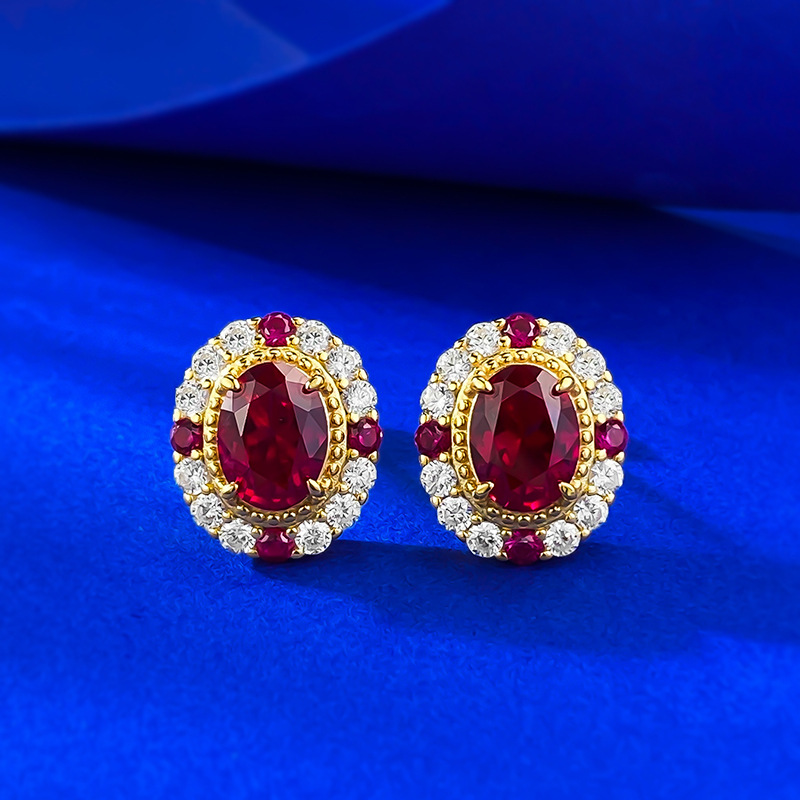
Compare Lab Grown Diamond Hoop Earrings Cost Before You Buy
Lab grown Diamond Hoop Earrings cost is one of the first details many shoppers check. That makes sense. Hoops need to look bright, feel secure, and Fit Your Budget without pushing you toward a pair you won’t wear often.
Lab-grown diamond hoops deliver real diamond sparkle at a price that can leave more room for a larger size, better diamond quality, or a more detailed setting. The lowest price is not always the best buy. Total carat weight, cut quality, metal type, clasp strength, and craftsmanship all shape both the price and the way the earrings wear over time.
What should you compare before buying? Start with the details that affect comfort, sparkle, and long-term value.
Lab Grown Diamond Hoop Earrings Cost: What to Expect
Lab grown Diamond Hoop Earrings cost can range from accessible huggies to luxury statement hoops. Small huggie earrings with partial diamond coverage usually cost less than medium or large inside-out hoops. A pair with higher total carat weight, 18k gold, platinum, or closely matched diamonds will sit in a higher price tier.
The value is strong because lab-grown diamonds are real diamonds. The GIA explains that laboratory-grown diamonds have essentially the same chemical composition, crystal structure, and optical properties as natural diamonds. They are not simulants like cubic zirconia or moissanite.
That matters when comparing lab grown Diamond Hoop Earrings cost with mined diamond hoop prices. In many retail cases, lab-grown diamonds let shoppers choose more visible sparkle for the same spend. That can mean moving from small hoops to medium hoops, or from front-facing diamonds to inside-out coverage.
The biggest price factors are:
- Total carat weight across the pair
- Diamond cut, color, clarity, and matching
- Hoop diameter, width, and diamond coverage
- Metal type, including 14k gold, 18k gold, or platinum
- Setting style, such as prong, shared-prong, pavé, or channel
- Clasp quality, hinge strength, symmetry, and polish
Many customers focus on carat weight first, then decide based on comfort and clasp feel. That is a smart order. A beautiful pair still needs to close securely and sit well on the ear.
Why Lab-Grown Diamond Hoops Offer Strong Value
Lab grown Diamond Hoop Earrings cost is easier to understand once you know what you are paying for. You are buying finished fine jewelry, not just loose diamonds. The final price includes diamonds, metal, design, setting labor, finishing, and quality control.
Lab-grown diamonds are created through advanced methods such as CVD or HPHT. IGI and GIA both provide grading information for laboratory-grown diamonds, using familiar quality factors like cut, color, clarity, and carat weight. For larger stones, grading reports can be especially useful.
For hoop earrings set with many small diamonds, individual reports for every stone are not always practical. Clear product specifications still matter. Look for stated total carat weight, diamond quality ranges, metal type, and setting details.
Lab grown Diamond Hoop Earrings cost often delivers a better size-to-price balance than mined diamond hoops. If your goal is visible sparkle, that advantage can be meaningful. Hoops use several diamonds, so total carat weight can rise quickly.
Diamond ranks 10 on the Mohs hardness scale, which makes it the hardest natural gemstone material. That durability helps lab-grown diamond earrings handle regular wear. The metal settings and clasps still need care, though, because gold and platinum can wear over time.
Main Factors That Affect Lab Grown Diamond Hoop Earrings Cost
Two pairs of diamond hoops can look similar online and still differ sharply in price. The reason is usually hidden in the specifications. Diamond quality, setting detail, metal weight, and clasp construction can all change the cost.
Before buying, compare the full pair rather than one number. A well-made 1.00 CTW pair can look brighter than a heavier pair with poor cuts or uneven setting work. Better craftsmanship also helps the earrings last.
Use this quick check:
- Confirm total carat weight for the full pair.
- Review diamond color, clarity, cut, and matching.
- Check whether the metal is 14k gold, 18k gold, or platinum.
- Compare hoop diameter, width, and diamond placement.
- Look at the clasp, hinge, return policy, and warranty.
Lab Grown Diamond hoop earrings cost should match what you see in the details. If one pair costs more, ask why. Better diamonds, stronger metal, and cleaner finishing can justify the difference.
Total Carat Weight and Diamond Coverage
Total carat weight, often listed as CTW or TCW, means the combined diamond weight across both earrings. A 1.00 CTW pair does not mean each diamond is one carat. It means all diamonds in both hoops add up to one carat total.
Carat weight has a direct effect on lab grown Diamond Hoop Earrings cost. More diamond weight usually raises the price, especially when stones are bright, well matched, and securely set. Design can also change how much sparkle you see from the front.
Common diamond coverage styles include:
- Front-facing hoops, with diamonds on the visible outer front
- Inside-out hoops, with diamonds on the front outside and inner back curve
- Partial coverage hoops, with diamonds on selected sections
- Pavé hoops, with smaller diamonds set close together for fine sparkle
Inside-out designs often cost more. They use more diamonds and require careful alignment. They also create sparkle from more angles, especially when the earrings move.
Diamond Cut, Color, Clarity, and Reports
Cut quality is one of the most important details. Earrings sit near the face, where light return is easy to notice. Well-cut diamonds look lively; poorly cut diamonds can look dull even at a higher carat weight.
Color and clarity can be chosen with some flexibility. Many shoppers prefer near-colorless diamonds for hoops because they look bright in white gold, yellow gold, rose gold, and platinum. Small inclusions are often harder to see in melee diamonds than in a large center stone.
Transparency matters. Product pages should list diamond quality ranges, such as color and clarity grades. For premium designs, certification from GIA, IGI, or another trusted lab can add confidence.
Lab Grown Diamond hoop earrings cost should reflect diamond quality, not just hoop size. If a pair looks expensive, check whether it offers better cut consistency, higher color, cleaner clarity, or stronger documentation.
Metal Type, Setting Style, and Craftsmanship
Metal choice affects price, color, weight, and durability. 14k gold is popular because it balances strength and value. 18k gold has a richer gold content and usually costs more. Platinum is dense, naturally white, and premium, so it can raise both material and labor costs.
Common fine jewelry metals include:
- 14k white, yellow, or rose gold
- 18k white, yellow, or rose gold
- Platinum for select luxury styles
Setting style also changes Lab Grown Diamond hoop earrings cost. Prong and shared-prong settings show more diamond surface. Channel settings protect stones between metal walls. Pavé settings create a refined glitter, but they require skilled setting work.
Do not ignore the clasp. A smooth hinge, secure click, and aligned post make a big difference during daily wear. Premium hoops should feel balanced, close with confidence, and avoid pulling forward.
Lab Grown Diamond Hoop Earrings Cost by Size and Style
Lab Grown Diamond hoop earrings cost changes quickly with hoop size. A 12 mm huggie uses less metal and fewer diamonds than a 35 mm hoop. A medium inside-out hoop usually needs more diamonds and more setting labor than a simple front-facing style.
Comfort matters too. Small hoops can feel almost weightless. Large hoops make a stronger style statement, but they need balanced construction and secure closures.
| Style Category | Typical Diameter | Best Use | Cost Expectation |
|---|---|---|---|
| Diamond huggies | 10-15 mm | Secure daily wear | Entry to mid-range |
| Small diamond hoops | 15-25 mm | Classic everyday sparkle | Entry to mid-range |
| Medium diamond hoops | 25-40 mm | Versatile luxury | Mid-range to premium |
| Large diamond hoops | 40 mm and above | Statement styling | Premium to luxury |
| Inside-out diamond hoops | Varies | Maximum visible sparkle | Premium to luxury |
These are general shopping categories, not fixed price rules. A small platinum pair with high-grade diamonds can cost more than a larger 14k gold pair with lower specs. Always compare size and construction together.
Huggie Earrings and Small Diamond Hoops
Huggie earrings sit close to the earlobe. They feel secure, neat, and easy to wear with almost anything. Because they are smaller, they often keep Lab Grown Diamond hoop earrings cost lower than larger hoops.
Huggies are a good first fine jewelry purchase. They work for workdays, travel, second piercings, and simple outfits. They also pair well with diamond studs in a stacked ear.
If you are choosing between studs and huggies, think about shape. Stud earrings give one point of sparkle. Huggies create a small curve of light and usually feel a bit more styled.
Premium huggies can still cost more. Higher diamond grades, 18k gold, platinum, inside-out details, and stronger hinges all raise the price. For many buyers, though, huggies offer one of the best comfort-to-sparkle ratios.
Medium Diamond Hoops for Everyday Luxury
Medium diamond hoops often hit the sweet spot. They show more sparkle than studs or huggies, but they do not feel as bold as large hoops. Many shoppers choose this size when they want one pair that works for day and night.
Lab grown Diamond Hoop Earrings cost in this category depends heavily on coverage. Front-facing hoops can be a strong value because the diamonds sit where people see them most. Inside-out medium hoops cost more, but they sparkle beautifully as you move.
Medium hoops pair well with tailored clothes, denim, dresses, and evening looks. They also make a thoughtful gift because they feel special without being hard to style. If you are unsure about size, medium hoops are often the safest luxury choice.
Large and Inside-Out Diamond Hoops
Large diamond hoops frame the face and catch light from more angles. They work well for milestone gifts, formal events, and polished evening outfits. Because they use more metal and often more diamonds, they usually cost more.
Inside-out hoops can raise Lab Grown Diamond hoop earrings cost further. Diamonds are set on the front exterior and the inner back curve, so the sparkle stays visible from multiple views. This design needs careful setting, especially as the hoop gets larger.
Statement hoops also need better engineering. Larger earrings should have reliable clasps, balanced weight, strong settings, and smooth finishing. A pair that looks impressive but feels loose is not a good buy.
Pricing and Value: How to Compare Before You Buy
Lab Grown Diamond hoop earrings cost is best viewed in tiers. Exact prices change with diamond supply, metal values, design detail, and retailer selection. Still, tiers help you compare styles with a clearer eye.
| Price Tier | Typical Style | Common Features | Best For |
|---|---|---|---|
| Entry-level | Huggies or partial hoops | Lower CTW, 14k gold, simple settings | First fine jewelry purchase |
| Mid-range | Small to medium hoops | Balanced CTW, good sparkle, secure clasps | Daily wear and gifting |
| Premium | Medium inside-out hoops | Higher CTW, better matching, refined settings | Milestone gifts |
| Luxury | Large or platinum hoops | Significant CTW, premium metal, detailed work | Formal and statement looks |
The best value is not always the cheapest pair. A lower price may mean lighter metal, weaker hinges, lower diamond quality, or vague specifications. A better pair balances sparkle, comfort, durability, and service.
You can compare hoop styles, necklaces, rings, and other earrings in our fine jewelry collection. If you want to understand diamond grades before choosing finished jewelry, browse our lab-grown diamond selection. For bridal shoppers comparing jewelry priorities, our engagement ring collection and ring builder can help you see how carat weight and setting choices affect price.
Price Per Carat Is Not the Whole Story
Price per carat can help, but it has limits. Earrings are finished pieces. Metal weight, setting labor, clasp design, brand standards, and after-sale service all affect the final price.
Two 1.50 CTW pairs can look very different. One may use bright, well-cut diamonds with strong matching. Another may use uneven stones or weak settings. The brighter pair may cost more and still be the better value.
Before You Buy, compare:
- CTW, color, clarity, and cut details
- Metal type and karat purity
- Hoop diameter, width, and weight
- Setting style and diamond coverage
- Clasp design and hinge quality
- Warranty, return policy, and service options
If product details feel thin, ask questions. A trustworthy jeweler should be able to explain why one pair costs more than another.
Lab-Grown vs. Mined Diamond Hoops
Lab-grown and mined diamonds are both real diamonds. Their difference is origin. Mined diamonds form in the earth, while lab-grown diamonds form in controlled environments.
That origin difference often affects price. Lab Grown Diamond hoop earrings cost is often lower than comparable mined diamond hoop cost, especially when carat weight rises. This can help you choose a larger diameter, better coverage, or higher diamond quality within the same budget.
Mined diamonds still appeal to buyers who value natural origin. Lab-grown diamonds appeal to shoppers who want real diamond sparkle, modern sourcing, and more flexibility with size or budget. Neither choice is wrong. The right pair depends on what you value most.
Choosing the Right Pair for Your Lifestyle
Start with how you will wear the earrings. Daily wear calls for comfort, secure clasps, and a size that will not catch easily. Special events allow more drama, larger hoops, and bolder diamond coverage.
Face shape and personal style also play a role. Huggies look clean and close to the ear. Medium hoops soften and frame the face. Large hoops create a stronger fashion look, especially with sleek hair or formal outfits.
Use this simple style match:
- Choose diamond studs for minimal sparkle.
- Choose huggie earrings for secure daily wear.
- Choose medium hoops for flexible day-to-night style.
- Choose drop earrings for vertical elegance.
- Choose dangle earrings for movement and occasion dressing.
Lab Grown Diamond hoop earrings cost should make sense for your habits. If you will wear the pair several days a week, pay close attention to clasp Security and Comfort. If the earrings are for special events, size and visual impact may matter more.
Comfort, Sizing, and Sensitive Ears
Hoop diameter, width, and weight all affect comfort. A 12 mm huggie can feel very light. A 35 mm diamond hoop has more presence and needs a well-balanced build.
For frequent wear, huggies and small hoops are practical. They sit close to the ear and pair easily with casual or professional outfits. Medium hoops offer more shine while staying wearable for many people.
If you have sensitive ears, check the metal carefully. Solid gold and platinum are common fine jewelry choices. Avoid unclear base metals if irritation is a concern.
Smooth posts, polished surfaces, and secure closures also help. Paying a little more can be worth it if the pair feels better and stays put.
Styling Lab-Grown Diamond Hoops
Lab-grown diamond hoops can anchor a jewelry wardrobe. They pair well with studs, huggies, drop earrings, and dangle earrings depending on the occasion. Keep the look simple if your hoops are large or inside-out.
For multiple piercings, try medium diamond hoops in the first piercing with small diamond studs in the second. For a softer stack, pair huggies with tiny pavé studs. Matching metal colors creates a polished look, while mixed metals feel more personal.
Balance is the trick. Let statement hoops be the focus. If your hoops are petite, you can add more sparkle around them without the look feeling crowded.
Care and Long-Term Ownership
Lab Grown Diamond hoop earrings cost does not end at checkout. Good care protects sparkle, metal finish, clasps, and settings. A few simple habits can keep your earrings looking bright for years.
Remove diamond hoops before swimming, sleeping, heavy workouts, or cleaning with harsh chemicals. Chlorine and impact can stress metal and settings. Store each pair separately so diamonds and metal do not scratch other jewelry.
Clean most gold or platinum diamond hoops with warm water, mild soap, and a soft brush. Rinse carefully and dry with a lint-free cloth. Avoid toothpaste, bleach, abrasive cleaners, and ultrasonic cleaning unless your jeweler says it is safe.
Professional checks are also helpful. A jeweler can inspect prongs, pavé beads, hinges, channels, and clasps. If a clasp feels loose or a diamond looks shifted, stop wearing the earrings until they are checked.
Shop Lab-Grown Diamond Hoops with Confidence
Lab Grown Diamond hoop earrings cost depends on size, total carat weight, diamond quality, metal, setting style, and craftsmanship. The right pair should look bright, feel comfortable, and match the way you dress most often.
Choose huggie earrings or small hoops for easy daily wear. Choose medium hoops for versatile sparkle. Choose large or inside-out hoops when you want a stronger statement.
StoneBridge Jewelry offers premium lab-grown diamond earrings, huggie earrings, diamond studs, drop earrings, dangle earrings, and fine jewelry designed for modern buyers. Compare specifications, check the clasp, and choose the pair that feels right for your life. If Lab Grown Diamond hoop earrings cost is the deciding factor, we are here to help you find lasting value without losing the sparkle.
Ready to Find Your Perfect Diamond?
Explore our collection of certified lab-grown diamonds
Shop Diamonds