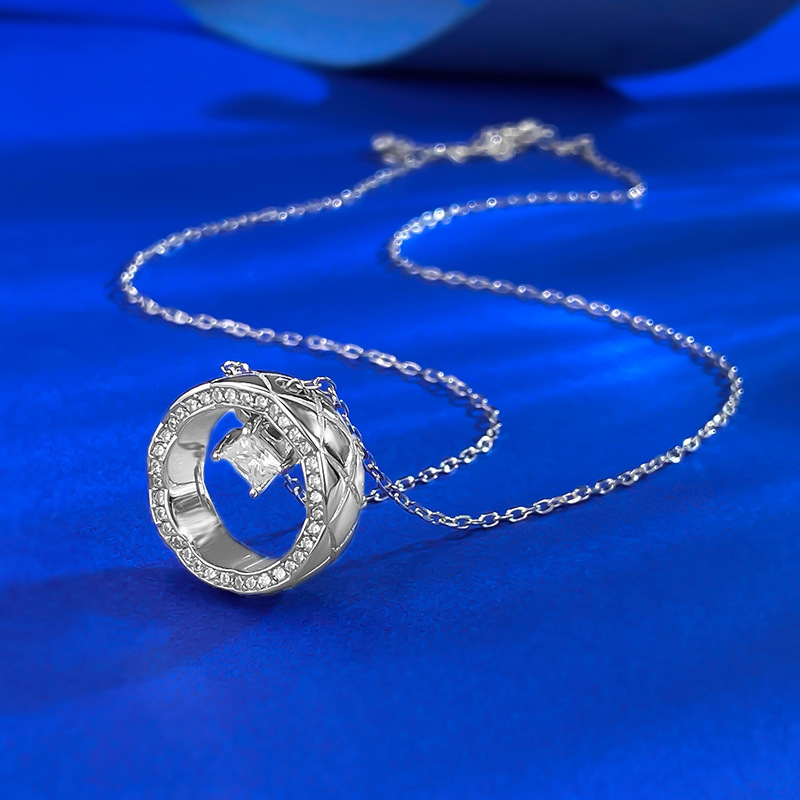
Best Chain Necklace Clasp for Pendant Security and Comfort
A pendant chain is only as safe as its weakest point. Often, that weak point is the clasp. The best chain necklace clasp for pendant wear should hold the pendant securely, feel comfortable at the back of the neck, and suit the chain’s size and metal.
That choice matters even more if the pendant is gold, gemstone-set, or made with a lab-grown diamond. A small charm worn twice a month can use a simpler closure. A diamond pendant worn five days a week deserves more care.
So, which clasp actually protects your pendant best? For most shoppers, a lobster clasp is the safest everyday pick. Spring rings, barrel clasps, magnetic clasps, and box clasps can work too, but each has limits.
What Makes a Chain Necklace Clasp for Pendant Wear Reliable?
A reliable chain necklace clasp for pendant use does three things well. It closes cleanly, stays closed during normal movement, and matches the weight of the pendant. If one of those pieces is off, the necklace becomes easier to lose or damage.
Pendant necklaces behave differently from plain chains. The pendant adds weight at the center, so the chain pulls downward and moves as you walk, dress, hug someone, or remove a scarf. That repeated movement can stress a weak spring, thin jump ring, or chain that is too light for the pendant.
For fine jewelry, look at the whole system: clasp, chain gauge, pendant bail, jump rings, metal, and solder points. A strong clasp on a fragile chain still creates risk. A strong chain with a tired clasp does the same.
Quick Clasp Comparison
Most pendant chains use one of five clasp styles:
- Lobster clasp: Best all-around choice for security and daily wear.
- Spring ring clasp: Small and neat, best for lightweight pendants.
- Barrel clasp: Clean-looking, but slower to fasten and easy to under-tighten.
- Magnetic clasp: Easiest to use, but less secure unless it has a safety lock.
- Box or fishhook clasp: Dressy and often secure, best for formal necklace designs.
The best chain necklace clasp for pendant security depends on the pendant’s value, weight, and wear schedule. Daily wear calls for more strength. Occasional wear gives you more flexibility.
Why Pendant Weight Changes the Clasp Decision
A plain chain spreads weight around the neck. A pendant changes the balance. It pulls at the front and can make the clasp rotate toward the side or front during the day.
That movement sounds minor, but it adds up. If the clasp spring is weak or the end ring is thin, a snag on a sweater can be enough to open or bend the connection. Customers often notice clasp problems only after the necklace starts rotating or feeling loose.
Value also matters. GIA explains diamond quality through the 4Cs: cut, color, clarity, and carat weight. Even a modest 0.50 carat lab-Grown Diamond Pendant can carry meaningful value once you add the setting, chain, and metal.
Metal type plays a part as well. For example, 14k gold contains 58.3% pure gold alloyed with other metals for strength. That makes it popular for daily jewelry, but it still needs a clasp and chain size that match the pendant.
Lobster Clasp: Best Overall for Pendant Chains
A lobster clasp is usually the best chain necklace clasp for pendant necklaces. It uses a spring-loaded lever to open a curved metal gate, then snaps shut around an end ring. The shape gives it more grip and more metal than many small spring rings.
For pendant wear, that design is useful. The lever is easier to handle, the closure feels more secure, and the clasp can be made in sizes that suit delicate or heavier chains. It works well with cable, box, curb, rope, and wheat chains.
A lobster clasp is a smart match for diamond pendants, gemstone pendants, gold initial necklaces, religious pendants, and keepsake jewelry. If you’re choosing one chain necklace clasp for pendant security across most fine jewelry styles, this is the safest default.
Lobster Clasp Pros
The main benefit is dependable security without making the necklace look too formal. A good lobster clasp closes with a clear snap. That feedback helps you know the necklace is fastened before you leave the house.
Lobster clasps are also easy for jewelers to replace. You can usually match them in 14k yellow gold, white gold, rose gold, sterling silver, or platinum. That serviceability matters for jewelry you plan to keep for years.
Best uses include:
- Lab-grown diamond solitaire pendants
- Birthstone and gemstone pendants
- Medium-weight gold pendants
- Everyday diamond necklaces
- Sentimental pendants worn often
Lobster Clasp Cons
Small lobster clasps can still be tricky for people with arthritis, low vision, or limited hand strength. A larger lobster clasp may help, especially on an 18-inch or 20-inch chain where the clasp is easier to reach.
The clasp can also look a bit heavy on ultra-fine chains. If the pendant is tiny, choose a small lobster clasp rather than a large one. Balance matters.
Springs wear over time too. If the lever feels soft, slow, or loose, stop wearing the pendant until a jeweler checks it.
Spring Ring Clasp: Best for Light Pendants
A spring ring clasp is the small round clasp seen on many fine chains. Pull the tiny tab back, slide in the end ring, and release it. The style is classic, discreet, and affordable.
A spring ring can be a good chain necklace clasp for pendant styles that are light and worn occasionally. It looks clean on petite gold chains and does not distract from a tiny charm or minimalist solitaire.
The trade-off is security. Spring rings are usually smaller than lobster clasps, and the tab can be hard to use behind the neck. If the spring weakens or the clasp does not close fully, the necklace becomes risky.
Best Uses for Spring Rings
Choose a spring ring for very light pendants where a larger clasp would look out of place. It can work for small charms, petite birthstones, and delicate chains worn for short periods.
Avoid tiny spring rings for heavy pendants or high-value diamond pieces. If the pendant has sentimental or financial value, a small lobster clasp is usually the better upgrade.
A spring ring should close flush and feel crisp. If it sticks, gaps, or feels flimsy, replace it before wearing the chain again.
Barrel Clasp: Clean Look, Slower Fastening
A barrel clasp uses two threaded ends that screw together into a small cylinder. It can look tidy and symmetrical, especially on certain rope or specialty chains. When fully tightened, it offers decent security for light to moderate pendants.
The problem is user error. Barrel clasps take longer to fasten, and they can loosen if they are not screwed closed all the way. Behind the neck, that can be annoying.
For that reason, a barrel clasp is not our first choice for a valuable chain necklace clasp for pendant wear. It can work for occasional necklaces, but daily diamond or gemstone pendants usually deserve a lobster clasp.
Magnetic Clasp: Best for Accessibility, Not Maximum Security
Magnetic clasps solve a real problem. They make necklaces easier to put on and remove, especially for people with arthritis, reduced grip strength, low vision, or limited shoulder movement. The two ends pull together with magnetic force, often with one hand.
That ease is valuable. A necklace you can fasten correctly is safer than one you struggle with every morning. Still, standard magnetic clasps can separate if the pendant catches on clothing or the chain is pulled.
If you need a magnetic chain necklace clasp for pendant wear, choose one with a mechanical safety lock when possible. Keep it for lighter pendants, and avoid using a basic magnet with a high-value diamond or heirloom piece.
Box and Fishhook Clasps: Best for Dressy Designs
Box and fishhook clasps often appear on pearls, tennis necklaces, and formal statement jewelry. A box clasp uses a tab that slides into a shaped housing. Some designs add figure-eight safety catches for extra security.
These clasps can be secure and beautiful. They also blend into decorative necklaces better than standard chain clasps. That makes them useful when the clasp is part of the design.
For a simple pendant chain, though, they can be more than you need. Repair costs may be higher, especially if the clasp includes stones, engraving, or custom metalwork.
Side-by-Side Chain Necklace Clasp for Pendant Comparison
Use this quick chart to compare the most common choices.
| Clasp Type | Security | Ease of Use | Best Pendant Weight | Best Use |
|---|---|---|---|---|
| Lobster clasp | High | Medium | Light to heavy, by size | Best overall pendant clasp |
| Spring ring clasp | Medium | Medium to low | Light | Delicate and occasional wear |
| Barrel clasp | Medium | Low to medium | Light to moderate | Neat finish, occasional use |
| Magnetic clasp | Low to medium | Very high | Light | Accessibility needs |
| Box or fishhook clasp | Medium to high | Medium | Moderate to heavy | Formal integrated designs |
For most buyers, the safest chain necklace clasp for pendant wear is a lobster clasp. It gives the best mix of strength, repairability, and everyday comfort.
If ease of use matters most, try a larger lobster clasp before moving to a magnetic clasp. If you do choose magnetic, look for a safety feature. For delicate pendants, a spring ring can work, but only if the pendant is light and the clasp closes cleanly.
Security and Ease Rankings
For everyday pendant security, we rank the common clasp types this way:
- Lobster clasp
- Box clasp with safety catch
- Spring ring clasp
- Barrel clasp
- Magnetic clasp without safety lock
For ease of use, the order changes:
- Magnetic clasp
- Large lobster clasp
- Standard lobster clasp
- Spring ring clasp
- Barrel clasp
- Small decorative box or fishhook clasp
The right choice depends on the wearer. Security matters, but so does the ability to fasten the necklace correctly. If a small clasp frustrates you, choose a larger closure or a slightly longer chain.
As a practical rule, have fine jewelry inspected about once a year if you wear it often. Ask the jeweler to check the clasp spring, jump rings, solder points, chain links near the clasp, and pendant bail.
Best Clasp by Pendant Type
A lab-Grown Diamond Pendant usually pairs best with a lobster clasp. This is especially true for solitaire, halo, and diamond-accent pendants worn several times a week. The clasp metal should match the chain metal, such as 14k white gold with 14k white gold.
A delicate gold pendant may work with either a spring ring or a small lobster clasp. Use the pendant’s value and wear frequency to decide. If you’d be upset to lose it, choose the lobster clasp.
A heavier gemstone pendant needs more than a strong clasp. It also needs a chain with enough gauge and a bail large enough to move freely without rubbing. A secure chain necklace clasp for pendant wear cannot fix a chain that is too thin.
For formal necklaces, a box clasp or fishhook clasp may be right if it is built into the design. For accessibility, a safety-lock magnetic clasp can be a fair compromise.
You can compare pendant-ready styles through our fine jewelry collection, or pair secure gold chains with stones when you shop lab-grown diamonds. If you want a complete bridal look, our engagement rings and ring builder are helpful next stops.
Buying Checklist Before You Choose
Before You Buy a pendant chain, check these five details:
- Pendant weight: Heavier pendants need stronger clasps and thicker chains.
- Chain length: 16, 18, and 20 inches are common, but comfort depends on neck size and styling.
- Metal match: Match gold, platinum, or sterling silver for a cleaner look.
- Clasp size: Bigger can be safer, but it should not overpower the pendant.
- Wear habits: Daily wear needs more security than occasional wear.
Customers often ask whether they can simply add a stronger clasp to any chain. Sometimes, yes. But if the chain is too fine for the pendant, upgrading the clasp alone won’t solve the problem.
Expert Verdict: The Safest Pendant Clasp
The best chain necklace clasp for pendant necklaces is a well-made lobster clasp. It offers the strongest balance of security, comfort, serviceability, and style for most Fine Jewelry Buyers.
Choose a spring ring for very light pendants. Choose a magnetic clasp when accessibility matters most, but look for a safety lock. Choose a barrel clasp only if you are comfortable checking that it is fully tightened. Choose a box or fishhook clasp for decorative formal necklaces.
For valuable pendants, start with security. Then refine the choice by comfort, chain style, metal, and ease of use. A beautiful pendant should be easy to wear, but it should also stay where it belongs.
Ready to choose a safer chain necklace clasp for pendant wear? Browse StoneBridge Jewelry’s fine jewelry collection, compare lab-grown diamond options, or contact our jewelry experts for help matching clasp strength, chain length, and pendant weight.
Frequently Asked Questions About Pendant Necklace Clasps
What is the most secure chain necklace clasp for pendant necklaces?
A lobster clasp is usually the most secure everyday option for pendant necklaces. It has a stronger spring-loaded build than many small spring rings and works well with gold, platinum, and sterling silver chains. For a valuable diamond or gemstone pendant, choose a lobster clasp sized to the chain gauge and pendant weight.
Is a spring ring clasp safe for a diamond pendant?
A spring ring clasp can be safe for a very light diamond pendant worn occasionally. It is less ideal for daily wear because the small tab can be hard to fasten, and the spring may weaken with age. If the diamond has meaningful value, a lobster clasp is the safer long-term choice.
Are magnetic clasps good for pendant chains?
Magnetic clasps are good for accessibility, especially if small levers are hard to use. They are not the strongest choice for heavy or high-value pendant chains because a snag can pull the magnets apart. If you need one, choose a magnetic clasp with a safety lock and keep the pendant lightweight.
Can a jeweler replace a necklace clasp?
Yes, a jeweler can usually replace or upgrade a necklace clasp. This is a smart fix if your current clasp feels loose, sticks, closes slowly, or seems too small for the pendant. Ask the jeweler to inspect the jump rings, solder points, and chain links near the clasp at the same visit.
What clasp is best for a gold chain with a pendant?
For most gold chains with pendants, a lobster clasp gives the best balance of strength and everyday usability. A spring ring may suit a tiny charm or occasional necklace, but it is not the top pick for a pendant you wear often. Match the clasp metal to the chain, such as 14k yellow gold with 14k yellow gold.
Ready to Find Your Perfect Diamond?
Explore our collection of certified lab-grown diamonds
Shop Diamonds