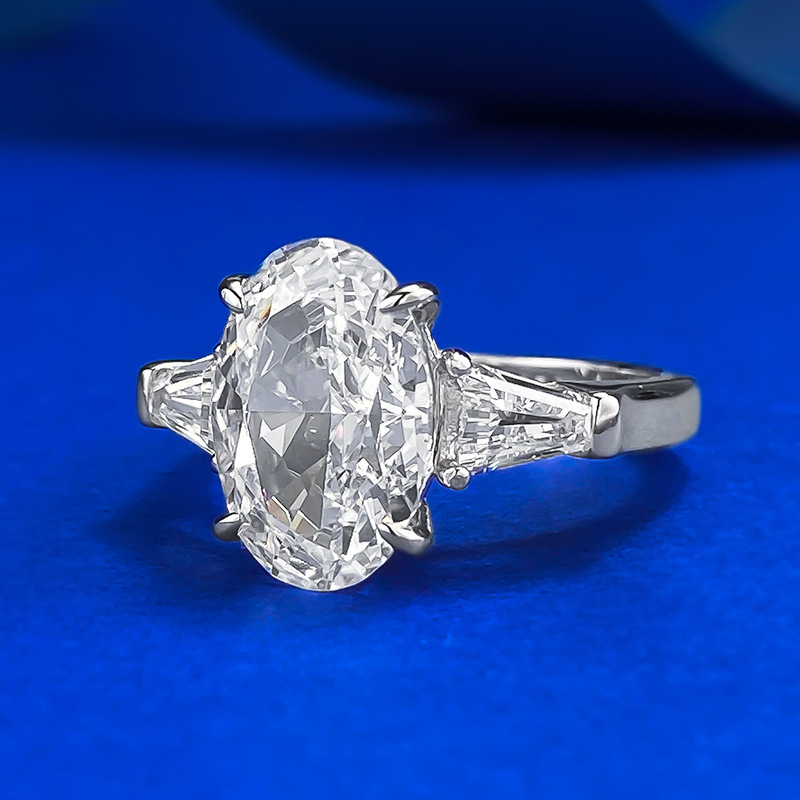
Pear Shape Engagement Ring Setting: How to Choose the Right Style
A pear shape Engagement Ring Setting does more than hold a stone in place. It shapes how the diamond looks on your hand, how much light it catches, and how well the pointed tip is protected during everyday wear. If you're comparing Pear Shape Rings, the setting can be the difference between a ring that feels beautiful for a week and one you'll love for years.
Real-life wear matters too. A 2024 consumer survey by The Knot found that many shoppers want Rings That Feel personal and practical, not just pretty in a photo. That matches what we hear from customers too: they want sparkle, but they also want Peace of Mind.
Why the Pear Shape Engagement Ring Setting Matters
A pear-shaped diamond changes a lot depending on the setting around it. A well-made pear shape Engagement Ring Setting can sharpen the outline, make the stone look larger, and bring out more brilliance. A poor setting can make the ring feel top-heavy or leave the tip too exposed.
Security matters just as much as style. The pointed end is the most fragile part of a pear diamond, so the setting should support it well. GIA notes that symmetry and proportion have a major effect on a diamond’s face-up appearance, and that matters a lot with pear shapes.
The orientation matters too. Point up or point down? Most people wear the tip facing outward toward the fingertip, but personal comfort and finger shape can change that choice.
What Makes a Pear Shape Diamond Unique
A Pear Shape Diamond, sometimes called a teardrop diamond, blends a rounded end with a pointed tip. That shape gives the ring a graceful, slightly dramatic feel. It can also look larger than a round diamond of the same carat weight because of its elongated outline.
Proportion is a big part of the decision. A length-to-width ratio around 1.45 to 1.75 is often seen as balanced, but there’s no single perfect number. A slimmer pear can lengthen the look of the finger, while a fuller one can feel softer and more classic.
The pear shape Engagement Ring Setting changes the stone’s face-up size too. Open sides, slim bands, and halo designs can make the center diamond seem larger. A bezel or heavier mount can feel more secure, though it may slightly reduce the open, airy look.
When you compare pears in person, look at more than the carat weight. Two diamonds with the same size on paper can face up very differently depending on their length, width, and depth. A stone with a nice spread can look bigger on the hand than a deeper cut of the same weight. This is one reason an experienced jeweler should show you the diamond loose or in a CAD rendering before finalizing the ring.
Diamond Specs to Check Before You Buy
For a pear shape Engagement Ring Setting, the diamond’s grading report is just as important as the design. Ask for the Cut, Color, Clarity, carat weight, length-to-width ratio, table, depth, and fluorescence if available. GIA and IGI are the most common independent labs shoppers see on Modern Engagement Rings, and either can be useful when paired with a careful eye.
Color is especially noticeable in pears because the pointed end can sometimes show more body color than a round stone. Many buyers choose near-colorless grades like G or H in white metal settings, while others prefer warmer tones in yellow or rose gold. Clarity matters too, but not every tiny inclusion is visible once the diamond is mounted. A clean-looking VS1, VS2, or even select SI1 can be a smart value if the stone has no obvious inclusions near the tip or center.
For cut quality, pears do not have the same standardized cut grade system as rounds, so visual assessment matters. Look for good symmetry, even shoulders on both sides, and a pleasing outline without a bow-tie effect that overwhelms the center. A moderate to strong light return across the center is ideal. Ask to see videos in different lighting if you are buying online, and compare side-by-side when possible.
Best Pear Shape Engagement Ring Setting Styles
There isn’t one best pear shape Engagement Ring Setting for everyone. The right style depends on how much sparkle you want, how active your days are, and whether you like clean lines or extra detail.
| Setting Style | Best For | Look | Security | Care |
|---|---|---|---|---|
| Solitaire | Timeless style | Clean and focused | Medium to high | Low |
| Halo | Bigger look | Bright and dramatic | High | Medium |
| Hidden Halo | Subtle sparkle | Modern with a soft detail | High | Medium |
| Three-Stone | Balanced design | Classic or custom | High | Medium |
| Side-Stone | Extra shine | Elegant and tailored | High | Medium |
| Bezel / Partial Bezel | Active wear | Sleek and secure | Very high | Low to medium |
Solitaire Settings
A solitaire is the simplest pear shape Engagement Ring Setting. It keeps the focus on the center diamond and works well if you like a Clean, Timeless Look. A slim band can also make the stone feel larger.
Prong placement matters a lot here. The tip should be protected by a secure prong or another support point, and the rounded end should sit evenly so the stone stays centered. When the workmanship is right, a solitaire feels elegant without trying too hard.
This style is a strong pick if you want low upkeep and a classic ring that won’t fight with the diamond.
Solitaire rings also make resizing and future maintenance easier. If you are unsure about your exact ring size or you expect your finger size to change slightly with temperature, pregnancy, or weight fluctuations, a straightforward solitaire is usually simpler for a jeweler to adjust than a highly detailed halo or three-stone design. That flexibility can matter more than shoppers expect.
Halo and Hidden Halo Settings
A halo adds small diamonds around the center stone, which can make a pear shape look brighter and larger. For many buyers, that extra sparkle is the main reason they choose this pear shape Engagement Ring Setting.
A hidden halo adds shine from the side without taking over the top view. It gives you more detail while keeping the pear shape front and center. If you want a little surprise sparkle, this is a smart option.
These styles are popular with shoppers who like romance, vintage touches, or a bolder look. They also help boost visual size without moving up in carat weight.
There are practical tradeoffs, though. Halo settings have more small stones, which means more places where a prong can loosen over time. That does not make them fragile, but it does mean you should expect periodic inspections and possible tightening during routine servicing. If you Choose a Halo, ask whether the accent stones are pavé-set or bezel-set, since pavé styles can offer a finer look while bezel-set halos often feel more durable.
Three-Stone and Side-Stone Settings
Three-stone rings bring balance to a pear shape Engagement Ring Setting. The side stones can match the center stone or contrast with it for a more custom feel. Baguettes, pears, and trillions are all common choices.
Matching shapes create a smooth flow, while contrasting shapes add character. Either way, the ring can feel polished and personal.
Side-stone settings are a good middle ground if you want extra sparkle without the full coverage of a halo. They add light and width while keeping the pear shape easy to see.
If you are comparing three-stone rings, think about how the side stones affect scale. Large side stones can make the center pear look smaller if the proportions are off, while very tiny side stones can make the center dominate too much. A balanced design usually keeps the center stone visually anchored without competing for attention. This is where CAD renderings or wax models can help before production.
Bezel and Partial Bezel Settings
A bezel surrounds the diamond with metal, while a partial bezel protects part of the edge. This is one of the most secure Pear Shape Engagement Ring Setting Options because it helps guard the tip from knocks.
The tradeoff is light. A bezel can reduce the open feel of the stone a little, so the diamond may look less airy than it would in a prong setting. Still, many buyers happily make that trade for added protection.
This style works well for active routines, travel, and anyone who wants a sleek ring with fewer worries.
Bezel settings also pair well with modern, low-profile designs and can be a smart choice for people who work with their hands, travel often, or wear gloves regularly. If your lifestyle includes fitness classes, outdoor activities, or childcare, a bezel can save you from constant worry about catching the ring on fabric or knocking the tip against hard surfaces.
Design Details That Change the Look
Small design choices can change the whole feel of a pear shape Engagement Ring Setting. Prong count, setting height, metal color, band width, and ring direction all affect comfort and appearance.
Higher settings show off the stone and let in more light, but they can snag more easily. Lower settings usually feel more comfortable for everyday wear. If you use your hands a lot, that difference matters.
Metal color changes the mood too. White Gold and Platinum look crisp and bright. Yellow gold adds warmth. Rose gold gives the ring a softer, romantic feel.
Band width matters as well. A very thin band can make the center stone look bigger, while a wider band may feel sturdier with a larger pear diamond. The best pear shape Engagement Ring Setting keeps the band and stone in balance.
A few helpful checks:
- Ask how the tip is protected.
- View the ring from the side, not just the top.
- Check whether the setting sits too high for daily wear.
- Compare the ring with different band widths.
- Make sure it works with a wedding band.
Metal choice also affects long-term maintenance and price. Platinum is denser and generally more expensive, but many buyers like its durability and naturally white color. White gold usually costs less up front, though it often needs rhodium replating to keep its bright finish. Yellow gold offers a warm, traditional look and can be a comfortable middle ground for price and upkeep. Rose gold can be slightly less formal in appearance and is a favorite for vintage-inspired pear rings.
Prong Count and Placement
Most pear rings use five or six prongs, with one or two placed near the tip for security. More prongs can provide extra protection, but they should not make the stone look clunky. Fewer prongs can look cleaner, but they need to be positioned carefully.
If you are choosing a pear shape Engagement Ring Setting with prongs, ask whether the prongs are rounded, claw-style, or V-shaped at the point. A V-prong or partial bezel at the tip can be especially helpful because it shields the most vulnerable area without changing the outline too much. The goal is to keep the pear secure while still showing its shape clearly.
Ring Height, Comfort, and Stackability
The profile of a ring affects comfort more than many buyers realize. A tall cathedral or elevated setting can make the diamond look prominent, but it may sit too high for people who wear gloves, hold babies, or type all day. A lower profile often feels easier to live with.
Stackability matters too if you plan to wear a wedding band alongside the engagement ring. Some pear settings nest neatly with a straight band, while others need a curved or contoured band to sit flush. If the engagement ring has a wide undergallery or a large hidden halo, make sure the band will not leave a visible gap unless that is the look you want.
Width, Shape, and Visual Balance
The band should support the pear instead of competing with it. On smaller hands, a thin band can help the ring feel delicate and balanced. On larger hands or with a big center diamond, a slightly wider shank can keep the ring from looking top-heavy.
The pear outline itself also influences balance. A very elongated stone can look sleek in a narrow setting, while a fuller pear may benefit from a slightly more substantial mount. If the ring feels lopsided in the tray, it may feel even more noticeable once worn. That is why the best pear shape Engagement Ring Setting looks centered and stable from the side as well as from the top.
Accent Diamonds and Finish
Accent stones and finishing details can add personality without changing the center diamond. Milgrain edges, split shanks, and pavé shoulders can give a pear ring a softer, more crafted look. A high-polish finish feels modern and bright, while brushed or matte finishes are more understated.
Keep in mind that more detail usually means more care. Pavé accents can look stunning, but they may need cleaning and inspection more often than a plain band. If you want a ring that stays low maintenance, prioritize clean lines and fewer tiny components.
Match the Setting to Lifestyle, Budget, and Stone Size
The best pear shape Engagement Ring Setting for daily wear is usually the one that balances beauty with strength. If your days are active, a Bezel, Partial Bezel, or low-profile prong setting can be a smart pick. If you want maximum sparkle, a halo or pavé style may be worth the extra care.
Budget plays a role as well. More detailed settings usually cost more because they need more labor, more stones, or more metal. A simple solitaire often keeps costs down, while a halo or three-stone ring can raise the total price.
Here’s a quick way to narrow it down:
- Choose a solitaire if you want a classic look and easy upkeep.
- Choose a halo if you want the pear shape to look larger and brighter.
- Choose a three-stone ring if you want balance and meaning.
- Choose a bezel if security matters most.
- Choose pavé or side stones if sparkle is your top priority.
As a rough guide, setting prices can vary widely based on metal, craftsmanship, and accent stones. A plain solitaire in gold may start in the lower hundreds before the diamond, while a platinum halo or custom three-stone design can move into the high hundreds or several thousand dollars depending on complexity. If you are working within a total budget, decide whether you want to prioritize a larger center stone or a more elaborate setting. In many cases, a well-cut pear in a simpler setting gives a stronger overall look than a smaller diamond in a heavily embellished mount.
Carat weight also changes the setting conversation. A one-carat pear can feel elegant in a slim solitaire, but a larger stone may need a sturdier gallery, thicker prongs, or a more substantial shank to keep the ring balanced. If you are shopping for a pear around two carats or more, ask how the setting distributes weight and whether it includes structural support under the center stone. That can make a big difference in how the ring wears over time.
If you're still comparing options, explore our engagement rings, browse our diamonds, or use our ring builder to See How Different settings change the look.
Buying Tips, Certification, and Sizing
Before You Purchase a pear shape Engagement Ring Setting, confirm the ring size, the return policy, and whether the center diamond comes with an independent grading report. Certification matters because it gives you a baseline for comparison and helps you understand what you are paying for. If you are shopping online, make sure the report number matches the exact stone shown in the listing.
Ring sizing is worth double-checking even if you think you know your size. Wider bands can fit tighter than thin ones, and warm weather can change how a ring feels. If you are between sizes, ask whether the ring can be sized later and how much metal work the setting allows. Some intricate pavé or tension-style designs have more sizing limits than a simple solitaire.
Pay attention to shipping and inspection policies too. A reputable jeweler should provide secure shipping, insurance during transit, and a reasonable window for returns or exchanges. It is also smart to ask whether the ring will arrive fully finished or whether final adjustments are made after sizing. For a custom pear shape Engagement Ring Setting, ask about production time so you know whether the ring will be ready for a proposal date or holiday deadline.
It helps to request photos or videos from multiple angles, especially the side profile. Top-down images can hide a high basket, thin prongs, or a setting that sits awkwardly close to the finger. If possible, compare the diamond on a model hand or in a try-on appointment so you can see how the pear length reads in proportion to your hand.
Common Mistakes to Avoid
A few easy mistakes can make a pear shape Engagement Ring Setting feel less secure or less flattering than it should.
One of the biggest is leaving the tip exposed. A pear diamond without proper protection is more likely to chip. Another is choosing a setting that throws off the balance of the stone, especially if the proportions don't match well.
Comfort gets overlooked too. A tall ring may look dramatic, but it can snag on sweaters, gloves, and hair. It helps to check the side profile, the basket, and how the ring sits next to a wedding band.
A ring should look good in real life, not just in a close-up photo. The best pear shape Engagement Ring Setting feels right from every angle.
Other common mistakes include focusing only on carat weight, skipping certification, and assuming every pear face-up shape is equally flattering. A poorly proportioned pear can show a noticeable bow-tie effect or feel awkward if the shoulders are uneven. Another frequent issue is choosing a setting that is too delicate for the diamond size, especially when the stone is larger than average. Thin prongs or a lightweight shank can look pretty at first but wear down faster than expected.
Care and maintenance should be part of the buying decision too. Rings with pavé, halos, or multiple prongs should be inspected more often than plain solitaires. A simple routine of gentle cleaning with warm water, mild soap, and a soft brush can keep the diamond bright, but it does not replace professional checks. Ask how often the jeweler recommends inspection and whether prong tightening is included during the warranty period.
FAQ About Pear Shape Engagement Ring Settings
What is the best pear shape engagement ring setting for daily wear?
The best pear shape Engagement Ring Setting for daily wear is usually a low-profile solitaire, bezel, or partial bezel. These styles keep the stone secure and tend to snag less. If you want more sparkle, a sturdy halo can still work well if it’s well built. The best choice depends on how active your routine is and how much maintenance you want.
How do you protect the tip on a pear shape diamond ring?
The tip should be secured with a prong, bezel edge, or another protective support. A strong pear shape Engagement Ring Setting keeps the pointed end from taking direct hits. We also recommend checking the setting from the side Before You Buy. That makes it easier to see whether the tip is truly protected or just looks protected.
Should a pear shape engagement ring point toward the fingertip?
Yes, most people wear the point facing outward toward the fingertip. That direction gives the ring a longer look and follows the shape of the diamond. Some buyers choose the opposite direction for comfort or personal taste. Try both on if you can, since the best fit is often the one that simply feels right.
Are halo settings a good choice for a pear shape diamond?
Yes, halo settings can be a great fit for a pear shape Engagement Ring Setting. They add brightness and can make the center stone look larger. A hidden halo gives you extra sparkle without changing the top view too much. If you like a romantic or vintage feel, a halo is worth serious consideration.
What band looks best with a pear shape engagement ring setting?
A slim pavé band, plain metal band, or softly contoured band can all work well. The best match depends on how much attention you want on the center stone. If you plan to wear a wedding band too, check the pairing Before You Buy. A good match keeps the pear shape elegant instead of crowded.
What certification should I look for when buying a pear diamond?
Look for a grading report from a respected lab such as GIA or IGI. The report should match the exact stone you are buying and list the basic quality details clearly. For a pear shape Engagement Ring Setting, that documentation helps you compare stones with similar carat weight but different proportions or color grades. It is especially useful when buying online or comparing several diamonds at once.
How much should I budget for the setting alone?
Setting-only prices vary by metal and design. A plain gold solitaire may cost a few hundred dollars, while a platinum halo or custom three-stone mount can cost much more. Accent stones, hand engraving, and heavier metal add to the total. If you are comparing options, ask for a quote that separates the setting price from the diamond price so you can see where the budget is going.
Find the Right Pear Shape Engagement Ring Setting
The right pear shape Engagement Ring Setting should protect the stone, flatter the shape, and feel comfortable enough for everyday wear. Solitaire styles keep things simple, halos add brilliance, three-stone rings bring balance, and bezels offer strong protection. What matters most is how the ring Fits Your Life.
We’ve found that shoppers usually narrow their choice fastest when they compare tip protection, Setting Height, and Band proportion side by side. Those details matter just as much as sparkle. A well-built pear shape Engagement Ring Setting can make the diamond feel brighter, larger, and easier to Wear for Years.
If you'd like help comparing styles, contact our jewelry experts for guidance. You can also browse our jewelry collection for more ideas.
Ready to Find Your Perfect Diamond?
Explore our collection of certified lab-grown diamonds
Shop Diamonds