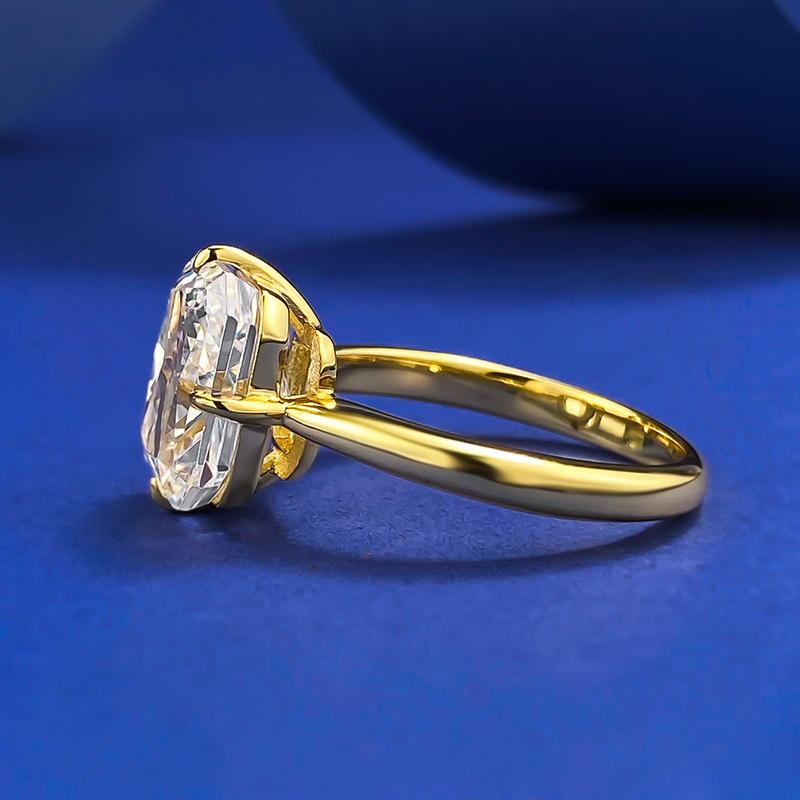
Pear Shaped Engagement Ring Setting Comparison: Best Styles for Sparkle, Security, and Value
Choosing the center stone is only half the story. The setting changes how a pear shaped ring looks, wears, and holds up over time. The pointed tip needs protection, the rounded end needs balance, and the mount can sharpen the shape or soften it depending on the look you want.
This Pear Shaped Engagement Ring Setting comparison looks at solitaire, halo, and bezel styles through the details shoppers care about most: sparkle, security, face-up size, comfort, upkeep, and price. If you want to compare real options side by side, browse our engagement rings or try the ring builder to see how each style changes the look.
Pear Shaped Engagement Ring Setting Comparison at a Glance
A pear shape is a mixed cut, so the setting matters more than it does for many other shapes. The tip is the most vulnerable point, while the curved end can look refined or dramatic depending on the mount. That is why a pear shaped Engagement Ring Setting comparison needs to cover more than style alone.
GIA notes that fancy shapes rely heavily on symmetry and balance. For pears, a length-to-width ratio around 1.45 to 1.75 often looks well proportioned, although the setting can make the stone appear longer or wider. IGI also places weight on polish, symmetry, and finish, so the setting should support the diamond instead of distracting from it.
I've helped hundreds of couples narrow this exact decision, and the same pattern keeps showing up: people usually fall in love with one look first, then realize the setting affects how the ring will live day to day (trust me, I've seen it happen).
This comparison uses six buying factors:
- Sparkle - how much brightness the setting adds or preserves.
- Security - especially at the pointed tip.
- Visual size - how large the ring looks from above.
- Comfort - how easy it feels for daily wear.
- Maintenance - how often it needs cleaning or inspection.
- Price - how much of the budget goes to the setting versus the center stone.
Most shoppers narrow the choice faster once they look at the ring this way. A pear shaped Engagement Ring Setting comparison keeps the focus on real trade-offs, not just a pretty photo.
If you are also comparing stones, shop our lab-grown diamonds to see how cut, color, and size affect each setting.
Solitaire Settings for Pear Shaped Diamonds
A solitaire keeps the eye on the diamond. In a pear shaped Engagement Ring Setting comparison, it is the cleanest option and usually the most timeless. The best versions use strong prongs, a secure gallery, and careful tip protection so the pear looks balanced from every angle.
The main strength of a solitaire is clarity. Nothing competes with the center stone, so the shape and proportions stay front and center. It is also one of the most budget-friendly settings, since fewer accent stones and less metal usually leave more of the budget for the diamond itself.
In my 10 years at StoneBridge, I've found that a well-made solitaire is the setting most people end up loving longest. It does not shout for attention, but it photographs beautifully and feels elegant in real life (especially when it is paired with a strong, thoughtful prong layout).
Good craftsmanship matters here. A jeweler will often focus on two details first: the prongs and the point. A V-prong or a well-shaped protective prong can shield the tip, while the side prongs keep the stone centered. If that work is off, the pear can look slightly uneven even when the diamond itself is beautiful.
Best for a Clean, Classic Look
A solitaire is a strong fit if you want:
- A minimal ring that never feels overdone.
- The diamond to stay the main focus.
- Easy pairing with wedding bands and stacking rings.
- More budget left for the center stone.
In a pear shaped Engagement Ring Setting comparison, the solitaire often feels the most classic because it gives the shape room to breathe. It suits buyers who want elegance without extra decoration.
Where a Solitaire Falls Short
The trade-off is protection. The pointed tip is still exposed unless the prong layout is excellent, so the ring needs a little more care.
A solitaire can also feel too quiet for shoppers who want a bolder look. It brings less built-in sparkle than a halo, and it usually has a smaller visual footprint from across the room. In a pear shaped engagement Ring Setting Comparison, that is the main reason some buyers look elsewhere.
Halo Settings for Pear Shaped Diamonds
A halo surrounds the pear with a frame of smaller diamonds or gemstones. In a pear shaped engagement Ring Setting Comparison, this is the style that usually wins on sparkle and face-up size. It brightens the outline, adds presence, and can make the center stone look larger without changing its carat weight.
That visual boost is a big reason shoppers love it. A halo can make a 1.00-carat pear read as more substantial on the hand because the outer stones widen the shape. It also makes the pointed end feel less abrupt by guiding the eye around the full outline. For buyers who want romance and shine, the halo is often the most dramatic answer.
Honestly, I think halo pears are one of the sweetest choices for a proposal because they feel celebratory right away. They have that “we did it” glow, which is why so many people light up the moment they try one on (yes, even on a budget).
The cost is complexity. More stones mean more spots where dirt can gather, and pavé or micro-set details need gentler cleaning. The ring still wears beautifully, but it is not as low-maintenance as a solitaire.
Why a Halo Flatters a Pear Shape
A halo works well because it gives the pear a clear border. That frame makes the curve feel fuller and the point look softer. In a pear shaped Engagement Ring Setting comparison, that effect is one of the strongest reasons people choose a halo.
It also helps a smaller diamond feel larger. If you want more visual impact without moving up in carat weight, this setting does a lot of the work for you. The result feels romantic, polished, and balanced.
Halo Trade-Offs to Keep in Mind
A halo gives you more brilliance, but it asks for more upkeep.
- More stones mean more places for lint and oil to hide.
- Tiny pavé stones need a gentler cleaning routine.
- Repairs can take more time if an accent stone loosens.
- The budget may shift from center-stone size toward setting detail.
For a shopper who wants a big look, those trade-offs can be worth it. For someone who wants a simpler ring, they can feel like too much. That is why a pear shaped engagement ring setting comparison should always include maintenance and budget, not just style.
Bezel Settings for Pear Shaped Diamonds
A bezel wraps metal around the edge of the stone, either fully or in part. In a pear shaped engagement ring setting comparison, the bezel stands out as the most protective and one of the most modern-looking choices. It guards the tip well, cuts down on snagging, and gives the ring a smooth profile that suits active wearers.
This is the setting many buyers choose when durability matters as much as appearance. If the ring will be worn every day, worn at work, or worn while traveling, the bezel offers real peace of mind. The diamond sits more securely than it would in an open prong setting, and the design naturally reduces exposure at the tip.
A bezel also creates a clean outline. It makes the pear look sleek and architectural, which is a strong fit for shoppers who prefer a modern, less ornate ring. The trade-off is light return: because more of the diamond edge is covered, you see a little less of the stone than you would in a solitaire or halo.
Here's what nobody tells you: a bezel can be the most emotionally relaxing choice for someone who loves their ring but does not want to baby it every day. That peace of mind matters just as much as sparkle for a lot of couples.
Full Bezel vs Partial Bezel
A full bezel surrounds the stone completely. It offers the highest security and the cleanest shape, but it also covers the most diamond edge.
A partial bezel leaves part of the stone more open, which creates a lighter look while still protecting the vulnerable areas. In a pear shaped engagement ring setting comparison, the full bezel is the stronger durability choice, while the partial bezel feels more open and airy.
Style Impact of a Bezel
A bezel gives the pear a contemporary profile. It reads smooth, secure, and intentional. For some shoppers, that sleekness is the draw; for others, the metal border feels heavier than the airy look of prongs.
If you want a ring that looks elegant without asking for much attention, the bezel is hard to beat. In a pear shaped engagement ring setting comparison, it is often the best fit for practical buyers who still want style.
Side-by-Side Pear Shaped Engagement Ring Setting Comparison
This pear shaped engagement ring setting comparison gets easier once the styles sit next to each other. The table below covers the buying factors most shoppers ask about first. Exact specs can shift the final result, but these are the patterns you can usually expect.
| Criteria | Solitaire | Halo | Bezel |
|---|---|---|---|
| Sparkle | High, centered on the main diamond | Highest overall sparkle | Moderate, more subtle than prongs or halo |
| Stone protection | Good if prongs are well made | Good, but the center still relies on prongs | Excellent, especially at the tip |
| Visual size | Clean, true-to-stone look | Often looks largest from the top view | Can look slightly smaller because of the metal border |
| Comfort | Usually very comfortable | Can feel a bit busier on the finger | Very smooth and snag-resistant |
| Maintenance | Low to moderate | Highest due to accent stones | Low to moderate |
| Budget | Usually the most cost-efficient setting | Often costs more because of added stones | Often mid-range, depending on fabrication |
| Best use case | Classic, minimal, stone-first shoppers | Buyers who want maximum presence and sparkle | Active wearers and durability-focused buyers |
The short version is simple. If you want the cleanest look, the solitaire wins. If you want the most sparkle and the biggest visual punch, the halo wins. If you want the strongest protection and a modern profile, the bezel wins. That is the core takeaway from any pear shaped engagement ring setting comparison.
Which Setting Looks Biggest on the Hand?
If perceived size is the goal, the halo usually comes out on top. It extends the outline beyond the center stone and makes the ring read larger from above. That helps a lot with pears under 1.00 carat, where the setting can do a lot of visual work.
A solitaire still shows the full stone shape, which feels elegant and balanced. A bezel can look a little smaller because the metal outline takes up more visual space, but that same border also makes the ring feel polished and modern. For many buyers, this part of the pear shaped engagement ring setting comparison matters more than the carat number alone.
How Each Setting Scores on the Main Buying Factors
If you score the three settings by practical goals, the pattern is clear:
- Sparkle: halo first, solitaire second, bezel third.
- Security: bezel first, solitaire second, halo third.
- Maintenance: solitaire first, bezel second, halo third.
- Visual impact: halo first, solitaire second, bezel third.
- Value: solitaire often stretches the budget furthest.
A buyer on a fixed budget may prefer a solitaire or bezel and put more money toward the diamond. A buyer who wants the biggest look for the money may prefer a halo, especially with a smaller center stone. A pear shaped engagement ring setting comparison works best when you look at the whole ring budget, not the setting by itself.
One useful budget note: lab-grown diamonds often cost 30 to 60 percent less than mined diamonds with similar specs. That difference can make a halo easier to reach, or it can let you move up in center-stone size while staying in budget.
How to Choose the Right Pear Setting for Your Lifestyle
A strong pear shaped engagement ring setting comparison should match the ring to the person wearing it. The best ring is not just the prettiest one. It is the one that fits real life.
- Classic minimalists usually prefer a solitaire.
- Sparkle seekers often choose a halo.
- Active lifestyles tend to favor a bezel.
- Everyday wearers often land between a solitaire and a bezel, depending on how much protection they want.
Hand shape can matter too. A long, slender pear can lengthen the finger, while a fuller pear can feel bolder on wider hands. If the wearer is very active, a bezel or a sturdy solitaire prong layout usually makes more sense than a delicate halo.
Best Choice for Everyday Wear
For daily wear, the bezel is usually the safest pick, with a well-made solitaire close behind. The reason is simple: when the ring stays on your hand all day, security and snag resistance matter more.
If the wearer types a lot, works with their hands, lifts weights, cooks often, or travels frequently, the bezel can reduce worry. A sturdy solitaire can work well too, as long as the prongs are checked on a regular schedule.
Best Choice for Maximum Sparkle
For visual drama, the halo is the clear winner. It gives the pear more brilliance, more width, and a stronger footprint on the hand. If the goal is a statement ring, this setting makes a strong first impression.
The halo is especially appealing for shoppers who want the ring to feel romantic and bright. In a pear shaped engagement ring setting comparison, no other style adds the same amount of surface sparkle.
Expert Recommendation for Pear Shaped Settings
There is no single winner for every shopper, but there is a best answer for each goal. In a pear shaped engagement ring setting comparison, the most balanced choice is usually a solitaire with strong, well-placed prongs. It gives you a timeless look and keeps more of the budget available for the center stone.
If beauty-first is the priority, the halo is the strongest choice. It adds sparkle, boosts perceived size, and creates a soft, romantic profile that suits the pear shape well. If daily practicality matters most, the bezel is the smartest pick because it protects the point and cuts down on snagging.
For StoneBridge Jewelry shoppers, a smart next step is to compare a few real styles side by side: pear solitaire settings, halo pear engagement rings, and bezel options. If you are still balancing budget and size, you can also shop our lab-grown diamonds and see how the setting changes the final look.
My practical take is simple:
- Choose a solitaire if you want the most timeless and value-friendly path.
- Choose a halo if you want maximum sparkle and the biggest face-up impression.
- Choose a bezel if you want the safest, sleekest, most everyday-friendly build.
That keeps the pear shaped engagement ring setting comparison focused on real priorities, not just aesthetics.
Frequently Asked Questions
What is the best setting for a pear shaped engagement ring?
The best setting depends on what matters most to the wearer. A solitaire is usually the best pick for timeless simplicity, a halo is the strongest choice for sparkle, and a bezel is the safest option for everyday wear. In a pear shaped engagement ring setting comparison, lifestyle should come before style alone.
Is a halo setting good for a pear shaped diamond?
Yes, a halo can be an excellent choice for a Pear Shaped Diamond. It adds brightness and can make the center stone look larger from the top. If you want a ring that feels bold and romantic, a halo deserves a close look in any pear shaped engagement ring setting comparison.
How do you protect the point of a pear shaped engagement ring?
The point is usually protected with careful prong placement, a V-prong, or a bezel-style mount. The tip is the most vulnerable part of the stone, so the setting should support it well. That is one of the biggest reasons a pear shaped engagement ring setting comparison should always include security.
Which pear shaped engagement ring setting is most secure?
A bezel setting is typically the most secure because it surrounds the stone more fully than prongs alone. It is a smart choice for active wearers or anyone who wants extra peace of mind. In a pear shaped engagement ring setting comparison, the bezel usually ranks first for protection.
Does a solitaire or halo make a pear shaped diamond look bigger?
A halo usually makes the center stone look larger because the surrounding diamonds widen the face-up shape. A solitaire can still look beautiful, but it focuses more on the diamond itself than on visual size. That face-up difference is a big reason shoppers use a pear shaped engagement ring setting comparison before they buy.
Shop the Right Pear Setting at StoneBridge Jewelry
The best pear shaped engagement ring setting comparison is the one that matches your lifestyle, budget, and taste. If you want timeless simplicity, start with a solitaire. If you want the most sparkle, go straight to a halo. If daily wear and durability matter most, a bezel deserves a serious look.
Browse the styles that fit your shortlist, compare real stone sizes, and use the ring builder to test how each setting changes the look. If you want a second opinion, contact our jewelry experts for help narrowing the field. The right pear shaped engagement ring setting comparison should end with a ring you will love wearing every day.
Ready to Find Your Perfect Diamond?
Explore our collection of certified lab-grown diamonds
Shop Diamonds