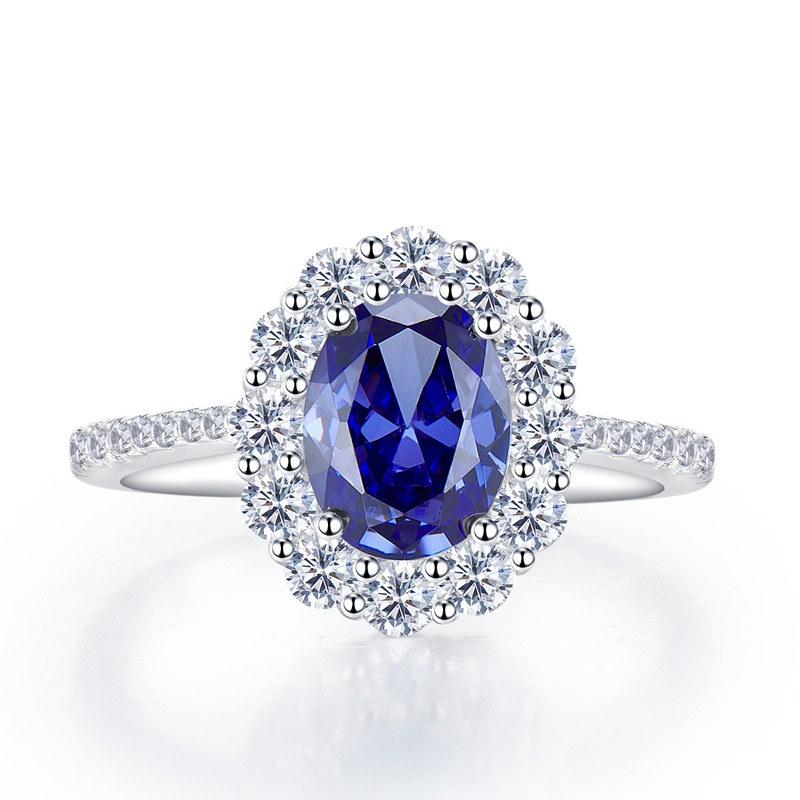
Online Jewelry Return Policies Buyers Should Compare Before Ordering
Online Jewelry Return Policies can be the difference between a confident purchase and a stressful one. If you're buying a ring, necklace, bracelet, or pair of diamond studs, the return terms tell you what happens if the piece doesn't fit, doesn't match the photos, or simply isn't right once it arrives.
Why leave that decision to guesswork on a high-value item? Shoppers are more comfortable when the return window, refund method, and shipping rules are clear before checkout. Baymard Institute has repeatedly found that surprise costs and unclear checkout terms drive cart abandonment, and NRF's returns research has put retail return rates near 17% in recent years. Jewelry adds another layer of risk because it is personal, expensive, and often purchased for a specific moment.
It also helps to remember that jewelry is not one-size-fits-all merchandise. A ring can be resized, but not always without affecting the setting. A diamond can be graded accurately on paper while still looking different to your eye depending on cut quality, face-up size, and mounting. A necklace may look delicate online but feel heavier than expected when worn all day. Those details are exactly why online jewelry return policies deserve close comparison before you place the order.
What Online Jewelry Return Policies Usually Cover
Online jewelry return policies explain the basics of sending a piece back after delivery. They usually cover the return window, the condition the item must be in, the refund method, and any exclusions for custom or altered pieces. A strong policy answers those questions quickly and in plain language.
Fine jewelry rules are usually stricter than standard retail rules. Earrings can raise hygiene concerns. Rings can lose value if they are resized or engraved. Diamond jewelry may also require original certificates or grading reports from GIA, IGI, or another recognized lab.
The clearest online jewelry return policies are visible before checkout. You should be able to find them on the product page, in the cart, or in the footer without hunting through half the site. If a retailer hides those terms, slow down and read more closely.
It is also worth checking whether the policy changes by category. Some sellers have one rule for ready-to-ship studs, another for engagement rings, and a third for custom bridal pieces. That is common in jewelry, but it should not be confusing. You should know whether the specific item in your cart is returnable before you enter payment information.
What to look for first
- Return window tied to delivery or invoice date
- Item condition rules, such as unworn or unaltered
- Original box, tags, and paperwork requirements
- Refund to the original payment method or store credit only
- Shipping, insurance, and signature rules for the return
Jewelry details that should appear in the listing
- Diamond shape, carat weight, cut grade, color, and clarity
- Metal type, such as 14K or 18K gold, platinum, or sterling silver
- Setting style, including prong, bezel, halo, pavé, or solitaire
- Ring width and approximate band thickness
- Chain length, earring back type, or bracelet size
- Any resizing limits, engraving options, or special-order notes
Key Terms That Change the Value of a Policy
The return window is the first detail to check in online jewelry return policies. A 14- to 30-day window is common, but the clock may start when the item ships, when it arrives, or when the order is marked complete. Gift orders need extra attention because holiday extensions often have separate deadlines.
Condition rules matter just as much. Most sellers want the piece unworn, unpolished, and returned with all packaging intact. If the listing includes a certificate, appraisal, or grading report, keep that document safe until you know the item is staying with you.
Refund method can change the real value of the offer. Some online jewelry return policies refund the original card. Others use store credit, exchange only, or a refund minus shipping and restocking fees. For a first-time diamond buyer, that difference is significant.
Exclusions are where many policies get tight. Custom rings, engraved pendants, resized bands, and final sale items are often not returnable. If the product page mentions made-to-order sizing, special metal colors, or hand engraving, assume the item may be final unless the policy says otherwise.
Diamond specifications can also affect how carefully you should read the fine print. A 0.90 ct diamond and a 1.00 ct diamond may look similar in photos, but price and return expectations can differ because of grading thresholds. The same goes for lab reports: a center stone accompanied by a GIA report is easier to compare than one sold with a generic appraisal only. If a seller advertises specific quality grades, the policy should make it clear whether paperwork must be returned with the item.
For example, a round brilliant with excellent cut, H color, and VS2 clarity may command a very different price from a pear shape with good cut and SI1 clarity, even at the same carat weight. If you are buying online, you want the flexibility to evaluate the piece in natural light, on your hand, and against your wardrobe before the return deadline expires.
Common exclusions to watch for
- Custom or made-to-order designs
- Engraved or altered pieces
- Resized rings or modified settings
- Final sale or clearance items
- Loose diamonds with missing paperwork
How to Compare Online Jewelry Return Policies
Not every 30-day policy is equal. A longer return window sounds generous, but online jewelry return policies can still be difficult if the seller charges a restocking fee, makes you pay insured shipping, or limits you to store credit. The details matter more than the headline.
Use this quick comparison to spot the difference:
| Policy Feature | Buyer-Friendly Signal | Risky Signal |
|---|---|---|
| Return window | 14 to 30 days, clearly tied to delivery | Short window or unclear start date |
| Condition | Unworn, original packaging, documents included | Vague wording about item condition |
| Refund method | Refund to the original payment method | Store credit only or exchange only |
| Return shipping | Prepaid, insured label included | Buyer pays shipping and insurance |
| Restocking fee | None or clearly disclosed | Hidden percentage deduction |
| Support access | Easy return authorization steps | Hard-to-find support or no direct contact path |
| Exclusions | Custom and final sale items listed clearly | Broad exclusions buried in fine print |
Online jewelry return policies should also be judged by product type. Engagement rings usually need the most flexibility because fit, stone shape, and setting height all affect comfort. Wedding bands may be simpler, but matching them to an existing ring can still lead to an exchange. Everyday fine jewelry sits in the middle, where style and size still matter, but customization is lighter.
A fair seller also explains who pays for shipping. If the buyer covers the return, the policy should say whether the label is insured and whether signature confirmation is required. On high-value pieces, those charges can add up quickly.
Another practical detail is turnaround time. Some sellers process returns within a few business days after the item is received; others take two to four weeks. If you're ordering for an anniversary, wedding, or holiday, that timing matters almost as much as the refund itself.
Price range can help you set expectations. A $200 sterling silver necklace and a $6,000 diamond solitaire should not have identical return friction. The more expensive the item, the more important it is that the seller offers tracking, insurance, and a written receipt for the return shipment. If any of those are missing, the policy is weaker than it looks.
If you are still comparing styles, browse our jewelry collection and review the return notes on each listing. For ring shoppers, explore our engagement rings and check the policy before you choose a setting or stone.
Why Clear Rules Matter for Jewelry Buyers
Clear online jewelry return policies reduce pressure during the buying process. You cannot feel the weight of a ring or see how a stone sparkles in person before the order ships, so the return terms become part of the product itself. If the exit path is simple, the purchase feels less risky.
That matters for style choices too. Metal color, band width, setting height, and stone shape can look different online than they do on the hand. If you are choosing between round, oval, emerald, or pear, the option to exchange the piece gives you room to decide after it arrives.
Sizing is one of the biggest reasons people read online jewelry return policies closely. A ring that feels fine for five minutes can feel tight after a full day. A wide band often fits differently than a slim one. If the retailer offers a resize or exchange path instead of forcing a full repurchase, the experience is better from the start.
For diamond purchases, ask whether the item ships with a GIA or IGI report and whether that paperwork must be returned. A direct answer is a sign the retailer understands the product and the policy behind it.
The strongest policies also support trust. When a store explains the inspection steps, refund timing, and shipping rules in plain English, buyers feel more in control. That matters for gifts, bridal orders, and any purchase over a few hundred dollars.
There are also practical design considerations. A high-set halo ring may snag more easily than a low-profile bezel, which can influence whether a buyer keeps it after trying it on for work, travel, or daily wear. A 14K gold ring may feel more durable for everyday use than 18K gold, which is richer in color but softer. Platinum is heavy and durable, but its higher cost means return protection is more valuable. Good online jewelry return policies give buyers room to make those comparisons in real life, not just in photos.
If you are comparing a ring setting with a loose stone, shop our lab-grown diamonds and review the product-level return notes Before You Order. If you want more flexibility, try our ring builder so you can compare styles before committing.
Setting, Metal, and Stone Choices That Affect Returns
Some jewelry decisions are easy to reverse, and others are not. The more custom the piece, the more likely online jewelry return policies will treat it as final sale. That is why buyers should understand the parts of the item that most often cause return disputes.
Setting style is one of the biggest factors. A prong setting shows more of the diamond and can make the center stone appear larger, but it may snag more easily on clothing. A bezel setting protects the stone and feels smoother, yet it can slightly reduce the visible spread. A halo adds sparkle and can make a modest center stone look larger, but it may introduce more tiny accent stones that can be harder to inspect quickly after delivery.
Metal choice matters as well. White gold usually needs rhodium plating over time, so a buyer should know whether the first maintenance service is included. Yellow gold is classic and often easier to match with existing pieces. Rose gold has a distinctive color that can vary by alloy, which may be a reason some buyers return or exchange it if it looks different in person. Platinum is dense, durable, and naturally white, but its price point makes return protection more important.
Stone shape is another variable. A round diamond is the most traditional and often easiest to compare across sellers because the grading and appearance standards are familiar. Oval, marquise, pear, and emerald cuts can have greater visual variation from one stone to another, especially in length-to-width ratio and faceting pattern. If you buy one online, the return policy should give you time to see whether the shape suits your hand and your style.
For colored gemstones, return terms can matter even more. Sapphires, emeralds, and rubies may have different treatments or inclusions that are difficult to appreciate from product images alone. If the seller provides treatment disclosure and origin information, save it with your order records in case a return or exchange becomes necessary.
What to Do Before You Mail the Piece Back
Inspect the order as soon as it arrives. Open the box carefully, confirm the size, metal, and stone, and take photos before the item is worn. If there is a shipping issue, that record helps.
Don't wear-test the piece too long if you think it may go back. Most online jewelry return policies require the item to stay unworn or only lightly handled. If you need to compare ring sizes, try it on briefly and keep lotions, cleaners, and extra wear to a minimum.
Before You Ship anything, request return authorization. Many online jewelry return policies require an RA number or a written approval email. Once you have that, pack everything exactly as it came, including tags, certificates, and appraisals.
A simple checklist helps:
- Photograph the item and packaging
- Confirm the return window is still open
- Request authorization before mailing it back
- Include all documents and certificates
- Use insured shipping with tracking and signature confirmation
- Keep the tracking receipt until the refund is complete
Packaging matters more than many buyers expect. Use a small, secure box rather than a padded envelope. Tape the outer carton well and remove any labels that could cause confusion during transit. For loose diamonds or high-value rings, consider a shipping method that requires an adult signature on delivery. If the seller specifies a carrier or label process, follow it exactly; otherwise the return may be delayed or denied.
Also check the refund timeline before you send the item back. Some retailers will only start processing once the package reaches their warehouse and passes inspection. Others may need several business days to confirm serial numbers, hallmarks, or certificate numbers against the original order. If you are returning a major purchase, it is reasonable to ask for a written estimate of when the credit will appear on your card.
Common Mistakes Buyers Make With Jewelry Returns
Many return problems start before the package is even opened. One common mistake is assuming every jewelry item is returnable. Another is waiting too long to inspect the piece because the buyer is focused on the occasion, not the deadline. By the time they try it on, the return window may already be closing.
People also forget that resizing can change the policy. If a ring is altered locally, even slightly, some sellers will not accept it back. That includes polishing, engraving, adding an inscription, or replacing a stone if the original setting is damaged. If you think a ring might need adjustment, ask whether the retailer offers resizing service after a return or exchange period, and whether the first sizing is free.
Another mistake is overlooking diamond paperwork. If the certificate or report is separated from the piece, the retailer may deduct value or reject the return. Keep the grading report flat, clean, and dry. A certificate from GIA, IGI, or another lab is not just paperwork; it helps confirm that the item being returned is the item that was sold.
Buyers sometimes miss the difference between refund and exchange. A policy that allows an exchange may not allow a cash refund. That can be a problem if you need your money back for a gift that did not work out. It also matters if you are comparing price points: a $1,500 ring exchanged for a $1,800 version can create a new payment cycle rather than solving the original issue.
Finally, shoppers often ignore care instructions and then wonder why a return is questioned. Chlorine, hand sanitizer, lotions, and harsh cleaners can leave residue on gold and gemstones. If the item arrives with visible wear or damage, the seller may reject the return. Treat the piece carefully from the moment it arrives until you know you are keeping it.
How Sizing and Fit Affect Jewelry Returns
Ring fit is the most obvious sizing issue, but it is not the only one. Bracelets can fit loosely or too tightly depending on wrist size and clasp type. Necklaces depend on chain length, neck size, and where the pendant lands on the chest. Earrings can feel heavier than expected if the posts, drops, or backs are larger than you anticipated.
When ordering a ring, remember that finger size changes with temperature, hydration, and time of day. A ring ordered for a warm afternoon may feel different in the morning or in winter. Wide bands typically fit tighter than narrow bands, so a seller that offers a standard size chart should ideally also explain whether the design runs small or large.
For bracelets, check the exact length and whether the measurement includes the clasp. A 7-inch bracelet may fit one buyer perfectly and another too snugly, especially if it is a rigid bangle instead of a flexible chain style. Necklace length matters too: 16 inches usually sits at the collarbone, 18 inches is a standard everyday length, and 20 inches may rest lower depending on build and neckline.
Stud earrings are generally straightforward, but drop earrings and hoops can be trickier. Check diameter, total drop length, and earring back style if the listing includes them. Heavy earrings can be uncomfortable for all-day wear, which is another reason return flexibility matters.
If the retailer offers sizing guidance, use it Before You Order. Print a ring sizer if available, compare an existing piece that fits well, and read whether the design can be resized later. The best online jewelry return policies are helpful, but the best purchase is still the one that fits correctly the first time.
Frequently Asked Questions About Online Jewelry Return Policies
How long do online jewelry return policies usually give me to send something back?
Most online jewelry return policies allow 14 to 30 days, although the exact timing depends on the retailer and the product type. In many cases, the clock starts when the item is delivered, not when you place the order. Custom or personalized pieces are often excluded, so read the listing Before You Buy. If the policy is unclear, ask customer service before checkout.
Can I return an online engagement ring if the size is wrong?
Often, yes, but the ring usually needs to be unworn and in original condition. Some online jewelry return policies allow an exchange or a resize instead of a full refund. That can save time if you already like the style. If you're unsure about size, use a ring size guide before you order.
Do online jewelry return policies cover shipping back to the seller?
Sometimes they do, but not always. Higher-end retailers may include a prepaid insured label, while other stores deduct shipping, insurance, or restocking fees from the refund. Read the return section Before You Buy so you know who pays. The answer can change the real cost of the purchase by a meaningful amount.
Are custom or engraved jewelry pieces returnable online?
Usually not, because made-to-order pieces are harder to resell. Many online jewelry return policies list engraving, special sizing, and altered settings as final sale. That does not mean every custom order is excluded, but it does mean you should confirm the rule first. If you want flexibility, choose a standard item instead.
What should I check before I send jewelry back to the retailer?
Request return authorization first, then photograph the item and keep every box, tag, certificate, and appraisal. Use insured shipping with tracking and signature confirmation so the parcel is documented from drop-off to delivery. Missing paperwork or damaged packaging can slow the refund or reduce the amount returned. If the item is valuable, keep the receipt until the refund posts.
Should I keep diamond certificates and appraisals after delivery?
Yes. Keep grading reports, certificates, and any appraisal paperwork in a safe place until you know you are keeping the piece. For diamonds, a GIA or IGI report helps Verify the Stone's specs if there is a return dispute. For rings and bridal jewelry, the paperwork can also be needed for insurance, resizing, or exchange. Losing it can create unnecessary friction.
What if the jewelry arrives damaged or not as described?
Document the problem immediately with photos and contact the seller before wearing the item. Keep the box, inserts, and shipping materials in case the retailer asks for an inspection or carrier claim. A damaged prong, missing accent stone, scratched metal surface, or mismatched center stone should be reported as soon as possible. In those cases, the issue is often handled as a damage claim or replacement rather than a standard return.
Are sale items always final sale?
No, but many are. Some retailers allow returns on sale merchandise, while others treat markdowns as final sale because the item is being cleared out or discontinued. Read the product page and policy carefully, especially during holiday promotions. If the discount is significant, make sure the savings are worth the reduced flexibility.
Shop With Confidence
The best online jewelry return policies are the ones you understand before you click buy. Check the return window, condition rules, refund method, and shipping responsibility on every listing, then compare those details across retailers before you commit.
If you want to shop with more certainty, browse our jewelry collection, shop our lab-grown diamonds, or build your ring online. If you still have questions, contact our team before checkout and get a clear answer about online jewelry return Policies Before You order.
Ready to Find Your Perfect Diamond?
Explore our collection of certified lab-grown diamonds
Shop Diamonds