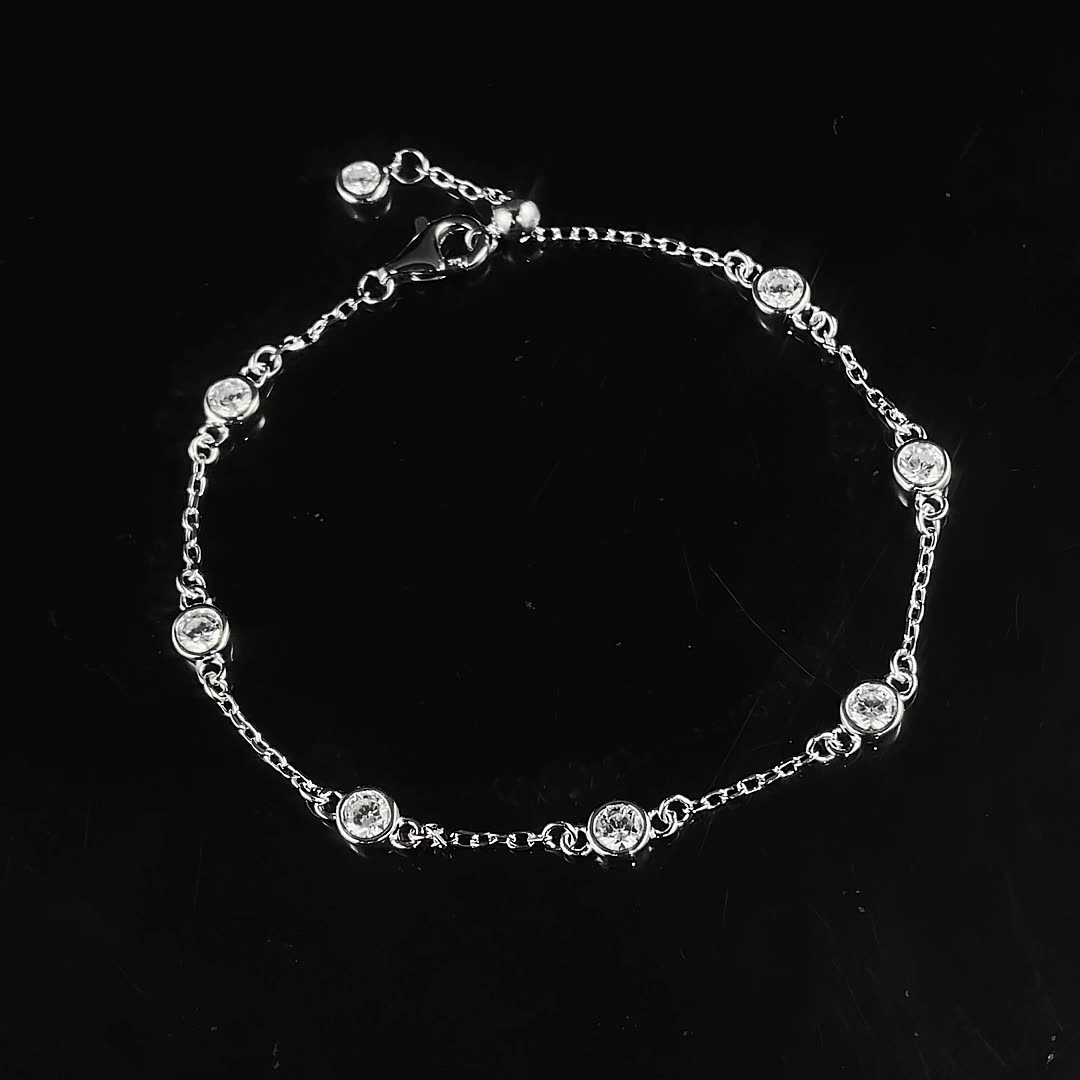
Conflict Free Diamond Certificate Checks: Compare Reports Before You Buy
Conflict Free Diamond Certificate checks matter because a beautiful stone should also come with paperwork you can verify. A grading report tells you what the diamond is. It usually does not tell you where it came from.
A certificate alone does not prove ethical sourcing. The useful approach is to compare the lab report, the seller's disclosure, and any supply-chain documents side by side.
That is the core of conflict free diamond certificate checks. It gives you a clearer way to Buy With Confidence and avoid vague claims.
It also helps you compare diamonds on the right terms. A stone that looks excellent on a sales page may still have weak documentation, a confusing origin story, or a setting that makes the grade less meaningful once the ring is worn. The more expensive the purchase, the more important it is to verify every layer before you pay.
How Conflict Free Diamond Certificate Checks Work
Conflict free diamond certificate checks should answer three questions. Does the report match the stone? Is the report real? Can the seller support the sourcing claim?
Those three questions sound simple, but they cut through most of the noise in diamond shopping. If a seller cannot answer them directly, the claim is not ready for a purchase decision.
1. Identity
Start with the basics. The report number, carat weight, measurements, color, clarity, cut, polish, and symmetry should match the diamond in front of you.
GIA's grading system uses the 4Cs: cut, color, clarity, and carat weight. That makes side-by-side comparison easier, especially when two stones look similar at first glance.
For example, two round diamonds may both be near 1.00 carat, but one could be graded H color, VS2 clarity, Excellent cut, while the other is I color, SI1 clarity, and Very Good cut. On paper, the first will usually cost more. In a ring, the second may still look excellent if the proportions are strong and the inclusions are not visible without magnification.
That is why identity is more than a label. It is the foundation for comparing value. If the diamond in the mounting does not match the document, every other claim becomes less trustworthy.
2. Authenticity
A real report should be easy to verify in the lab's database. If the number does not pull up a record, or if the stone's details do not match, walk away.
Look for a laser inscription on the girdle when the lab provides one. It is a small detail, but it gives you another way to confirm the stone and the report belong together.
Also pay attention to the type of document. A grading report is not the same thing as a generic appraisal. An appraisal often reflects replacement value for insurance and may be much higher than the sale price. It can be useful later, but it is not the document you should rely on to confirm diamond quality or ethical sourcing.
3. Sourcing
This is where many buyers get tripped up. A grading report can confirm the diamond's quality, but it usually will not prove origin on its own.
The Kimberley Process, launched in 2003, was built to keep rough diamonds tied to a cleaner paper trail. Even so, seller documentation still matters if you want real confidence about a conflict free claim.
Ask whether the seller can identify the stone as mined, lab-grown, or reclaimed. Ask where it was processed, how it entered the inventory, and whether the retailer has a supplier warranty. A confident, informed seller should be able to explain the path without evasive language.
What a Credible Diamond Report Should Include
A credible report should make the diamond easy to identify. It should also give you enough detail to compare it with other stones without guessing.
For most engagement ring buyers, the most useful report is one that combines objective measurements with grading notes that explain the stone's performance. If you are shopping online, this is especially important because the images may not fully show the stone's face-up brightness, body color, or inclusion visibility.
Core details to inspect
Look for these items on the report:
- Report number
- Diamond shape and measurements
- Carat weight
- Color grade
- Clarity grade
- Cut grade, when the lab provides one
- Polish and symmetry grades
- Fluorescence, if listed
- Inclusion plot and proportions diagram
- Laser inscription reference, if present
Those details matter because they let you confirm the stone and compare value. A 1.00 carat diamond and a 1.02 carat diamond may sound close, but a small grade difference can move the price in a real way.
As a practical rule, shoppers on a tighter budget often get better value by staying just under major weight thresholds, such as 0.90, 0.95, 1.00, or 1.50 carats, depending on their target size. The price jump at those points can be significant even when the visual difference is small.
Documents that support a conflict free claim
A report is only part of the story. For conflict free diamond certificate checks, ask for supporting paperwork such as:
- Retailer sourcing statement
- Supplier declaration
- Chain-of-custody document
- Conflict-free warranty language
- Origin disclosure
- Lab-grown disclosure, when relevant
- Manufacturer transparency statement
These documents show how the seller is supporting the claim. If the language is vague, ask for plain answers. A reputable jeweler should not hide behind broad words like ethical or responsible.
If you are buying online, request the exact document names before checkout and save the PDFs with your order records. That makes it easier to compare future service claims, upgrade programs, and insurance paperwork.
Red flags to watch for
Some paperwork looks official but tells you very little. Watch for these warning signs:
- Missing report number
- Lab name that cannot be verified
- Measurements that do not match the stone
- No database record
- Vague sourcing language with no backup
- Refusal to explain the claim
- Certificate that covers quality only, with no sourcing detail
If a document only talks about cut and clarity, it is a grading report, not conflict proof. Conflict free diamond certificate checks need both identity and sourcing to hold up.
Conflict Free Diamond Certificate Checks for GIA Reports
GIA is a strong starting point for buyers who want reliable grading. According to GIA, the report documents a diamond's gemological properties. It does not certify where the stone was mined.
That distinction matters. GIA gives you a dependable way to verify quality, but it leaves the ethical claim to the seller.
What GIA does well
GIA reports are known for consistency. They help buyers compare diamonds on the same scale, which is useful when you're sorting through natural diamonds in the 0.90 to 1.50 carat range.
A GIA report usually gives you:
- Carat weight
- Color
- Clarity
- Cut grade for round brilliants
- Measurements
- Polish and symmetry
- Fluorescence
That clarity helps when you are comparing stones in a store or online. If two diamonds look similar, the report can show you where the real differences are.
GIA is especially helpful for buyers who want a natural diamond with market-recognized documentation. If you plan to resell, upgrade, or insure the stone later, a widely recognized report can make those steps easier.
What GIA does not prove
A GIA report does not tell you the mine, the country of origin, or every step in the supply chain. It does not replace seller disclosure.
If a retailer says a GIA stone is conflict free, ask for the paper trail behind that claim. Conflict free diamond certificate checks work best when the report and the seller's documents support each other.
Do not assume that a premium price automatically means better sourcing transparency. Sometimes the price reflects the brand, the setting, or the marketing. The only way to know is to ask for the documentation.
Good fit for these buyers
GIA is often the better choice for shoppers who want a premium natural diamond and care about strong grading consistency. It is also easier to verify because the report record is usually simple to check online.
If you want to compare certified natural diamonds, browse our diamond collection and review the report details before you narrow your shortlist.
Conflict Free Diamond Certificate Checks for IGI and Retailer Paperwork
IGI reports are common in both natural and lab-grown diamonds. In many stores, they are paired with retailer documents that explain sourcing, disclosure, or warranty terms.
That pairing can be useful. The lab report handles the grade. The retailer paperwork fills in the sourcing story.
Where retailer paperwork helps
Retailer documents can add context that a lab report cannot provide. That is especially helpful when the seller clearly states whether the stone is natural or lab-grown and explains how it was sourced.
Look for language such as:
- Conflict-free sourcing statement
- Responsible sourcing policy
- Supplier warranty
- Lab-grown origin disclosure
- Collection-specific transparency note
- Manufacturing and mounting disclosure
Buyers make better decisions when the seller explains the stone in plain language. If the wording feels slippery, treat that as a signal to ask more questions.
Retailer paperwork is also helpful for the practical parts of buying. It can tell you whether the ring ships fully insured, whether inspection is required on delivery, and whether the setting can be resized after purchase. Those details do not prove ethical sourcing, but they matter when the ring is custom-made or delivered from out of state.
Where to be careful
Not every retailer document is equally strong. Some are solid and specific. Others are just marketing copy with a polished look.
Check whether the wording can be verified. If the seller makes a strong claim, it should be backed by a policy, a supplier statement, or a clear source note.
Be cautious when a seller uses words like ethically sourced or sustainable without saying what they mean. Ask whether those terms refer to conflict-free sourcing, recycled metal content, local manufacturing, or a broader brand policy. Those are not the same thing.
Best use cases
IGI plus retailer paperwork can work well for buyers who want more context around the stone. It can also be a good fit for lab-grown diamonds, where the disclosure path is usually simpler.
If you want to compare certified pieces with clear store-level disclosure, take a look at our engagement rings and custom ring builder pages.
How Diamond Specs Affect Value and Wear
Paperwork is one part of the decision. The diamond's specs determine how it will Look on the Hand, how much it costs, and how easily it will fit into a setting.
For round diamonds, cut quality is usually the most important visual factor. For elongated shapes like oval, emerald, radiant, or pear, length-to-width ratio and bow-tie effect can matter just as much as the basic grades.
Carat, color, and clarity tradeoffs
Many buyers overspend on carat weight and then compromise on cut or setting quality. That is usually the wrong tradeoff. A well-cut 0.90 carat diamond can look better than a poorly cut 1.10 carat stone.
Color and clarity should be judged in context. In white gold or platinum, color can be more noticeable than in yellow gold, especially in larger stones. Clarity matters less if the inclusions are off to the side, hidden under prongs, or not visible without magnification.
For many engagement rings, practical value zones are:
- 0.70 to 0.90 carat for a smaller, refined look with better budget flexibility
- 0.90 to 1.20 carat for a common sweet spot in solitaire and halo styles
- 1.25 to 1.75 carat for buyers who want more presence and have room in the budget
These are not rules. They are reference points that help you compare actual pricing against appearance and wearability.
Setting choices and metal options
The setting can change how the diamond performs in real life. A four-prong solitaire shows more of the stone and is easier to clean. A bezel setting protects the edges and can suit an active wearer, but it may visually reduce the apparent size of the diamond.
For metal choices, platinum is durable and naturally white, which many buyers prefer for high-value diamonds. 14K white gold is usually less expensive and still strong enough for everyday wear, though it may need periodic rhodium plating. Yellow gold can make near-colorless stones appear warmer and is often more forgiving in vintage-inspired designs. Rose gold adds warmth and can flatter certain skin tones, but it also changes the visual temperature of the diamond.
If you are comparing metal options, factor in maintenance, not just the upfront price. A lower-cost metal can make sense for budget reasons, but only if you are comfortable with future upkeep.
Price ranges to expect
Diamond pricing varies by shape, report, cut quality, and market conditions, but broad ranges can help set expectations. A well-cut 0.50 carat natural diamond may cost far less than a comparable 1.00 carat stone, while a top-quality 1.50 carat diamond can jump sharply in price. Lab-grown stones often cost significantly less for the same visible size and may allow for a larger center stone or a more elaborate setting within the same budget.
Do not compare prices without checking whether the setting is included, whether the stone is graded by a top-tier lab, and whether the ring is made in the metal you want. An apparently cheaper ring can become expensive once you add the setting upgrade, hidden side stones, custom sizing, or shipping insurance.
Step-by-Step Comparison Before You Buy
Keep the process simple. A careful check beats a rushed one every time.
1. Find the report number
The report number should be clear and easy to read. If the seller cannot provide it, stop the conversation there.
2. Check the lab database
Use the issuing lab's online verification tool. Confirm that the report exists and that the details match the diamond you are buying.
3. Compare the stone to the report
Look at the measurements, shape, and grading notes. If the numbers are off by more than a small tolerance, ask why.
4. Inspect the laser inscription
If the stone has a laser inscription, match it to the report number. That small mark can help confirm the diamond has not been swapped.
5. Ask for sourcing documents
This is the point where conflict free diamond certificate checks move beyond grading. Ask for a sourcing statement, supplier declaration, or origin disclosure.
6. Review the purchase terms
Check the return window, warranty, upgrade policy, and resizing terms. These do not prove ethical origin, but they tell you how the seller handles the transaction.
For online orders, also ask how the ring ships, whether it is insured in transit, and who signs for delivery. If the package is high value, the carrier and delivery process should be clear before you commit.
Common mistakes buyers miss
A few errors show up again and again:
- Trusting a screenshot instead of the full report
- Assuming a grading report proves origin
- Ignoring mismatched measurements
- Skipping the lab database check
- Accepting vague ethical language without proof
- Forgetting to confirm the setting metal and ring size before production
- Overlooking return deadlines on custom orders
A polished sales pitch is not enough. If the paperwork does not line up, the diamond is not a clean buy.
Setting, Sizing, and Aftercare
Once the report checks out, the next practical questions are about the ring itself. A diamond can be genuine and well graded, but the wrong setting or size can still create problems after purchase.
Choosing the right ring size
Ring sizing should be confirmed before production, especially for custom orders and anniversary purchases made as surprises. If you are guessing, ask the jeweler whether the design can be resized later. Some settings, especially full eternity bands or detailed pavé rings, are harder to resize without affecting the structure.
If the recipient is between sizes, many buyers choose the larger size and add sizing beads or guards later if needed. That approach is often easier than trying to stretch a ring that is already tight.
Maintenance and care
Diamonds are durable, but the setting is what needs regular attention. Prongs can loosen over time, pavé stones can work their way out, and dirt can build up under the center stone. Plan for periodic inspections, especially if the ring is worn every day.
Clean the ring gently with warm water, mild soap, and a soft brush unless the jeweler advises otherwise. Harsh chemicals can damage finishes, loosen adhesives in some fashion jewelry, or dull certain metals. If the stone is set in platinum or gold, routine cleaning and inspection will keep the ring looking sharp and reduce the chance of loss.
Shipping, returns, and resizing terms
These policies deserve as much attention as the certificate. A strong return window gives you time to compare the diamond in person against other options. For custom rings, confirm whether the return policy is shorter, whether the stone can be exchanged, and whether labor charges are refundable.
Also check who pays return shipping and whether the seller requires original packaging, appraisal documents, or an inspection tag to process the return. These details are easy to miss when you are focused on the stone and not the transaction terms.
Who Should Choose Which Check
Different buyers need different levels of proof. The right path depends on what matters most to you.
Best for first-time buyers
First-time buyers usually do well with a reputable lab report and a seller who explains the paperwork in plain English. GIA is often the easiest place to start because the grading system is widely recognized.
If you are still learning the basics, our jewelry education and shopping options can help you compare certified pieces without getting buried in jargon.
Best for engagement ring shoppers
Engagement ring shoppers often want beauty, value, and peace of mind in one purchase. Conflict free diamond certificate checks can help you compare stones without relying on the sales pitch alone.
If you want to shop with a ring shape, setting, and certified stone in mind, use our engagement rings page or build your own style in the ring builder.
Best for value-focused buyers
Value-focused buyers should use the report to compare quality first. Once the grades make sense, move to the sourcing paperwork and see whether the seller can support the claim.
That method helps you avoid paying for a story that the paperwork cannot prove.
Best for buyers who want the clearest ethical path
If your main goal is the simplest conflict-free path, lab-grown diamonds are often easier to verify. They are not mined, so the traditional mining chain is not part of the purchase.
Even then, you should still check the report and the seller's disclosure. A clear diamond deserves clear paperwork.
What StoneBridge Jewelry Recommends
StoneBridge Jewelry recommends a simple rule: verify the report, then verify the sourcing claim. Do both, every time.
That approach gives you a strong mix of quality control and ethical confidence. A lab report tells you what the diamond is. The seller's paperwork helps explain where it came from and how it was handled.
For many buyers, that means starting with a trusted report and a retailer who does not hide the details. For others, a lab-grown stone is the cleaner choice because the ethical path is easier to understand.
If you want help comparing certified natural diamonds and lab-grown options, contact our jewelry team or use the custom ring builder to review stones and settings together.
FAQ: Conflict Free Diamond Certificate Checks
How do I verify a conflict free diamond certificate before buying?
Start with the report number and check it in the lab's database. Then compare the stone, the measurements, and the grades against the report. After that, ask the seller for sourcing paperwork that supports the conflict free diamond certificate checks claim.
Does a GIA report prove a diamond is conflict free?
No. A GIA report shows the stone's gemological details, but it does not prove origin on its own. For conflict free diamond certificate checks, you still need seller disclosure or supply-chain documents.
What paperwork should I ask for with an IGI diamond report?
Ask for a sourcing statement, supplier declaration, and clear lab-grown or natural disclosure if that applies. If the seller claims the stone is conflict free, ask how they support that claim in writing. The best conflict free diamond certificate checks are specific, not vague.
How do I know if a diamond certificate is fake or altered?
Check the report number in the lab database and compare every listed detail with the stone. Look closely at the measurements, inscription, and grading notes. If the numbers do not match, treat it as a serious warning sign.
Are lab-grown diamonds the easiest conflict free option?
Lab-grown diamonds are often the simplest choice for buyers who want a clear ethical path. They are not mined, so the traditional conflict issue is removed from the equation. Even so, you should still verify the report and seller disclosures Before You Buy.
Should I choose platinum, white gold, yellow gold, or rose gold?
Choose the metal based on durability, maintenance, and how it affects the diamond's look. Platinum is the most durable and naturally white, white gold is a strong value choice with occasional replating, yellow gold can make near-colorless stones look warm, and rose gold offers a softer tone with a distinctive style. The best option is the one that fits the wearer's routine and the design of the ring.
What return policy is reasonable for a diamond purchase?
For an online purchase, a clear return window of at least 14 days is common, and longer is better if you are comparing multiple stones. Make sure you understand whether custom settings are final sale, whether restocking fees apply, and whether return shipping is insured. Those terms matter almost as much as the certificate itself.
Buy with Confidence
Conflict free diamond certificate checks work best when you compare the report, the stone, and the sourcing documents together. One paper rarely tells the whole story.
Take your time, verify the lab record, and ask for a straight answer on sourcing. If the details line up, you can buy with more confidence and less guesswork.
Ready to Find Your Perfect Diamond?
Explore our collection of certified lab-grown diamonds
Shop Diamonds