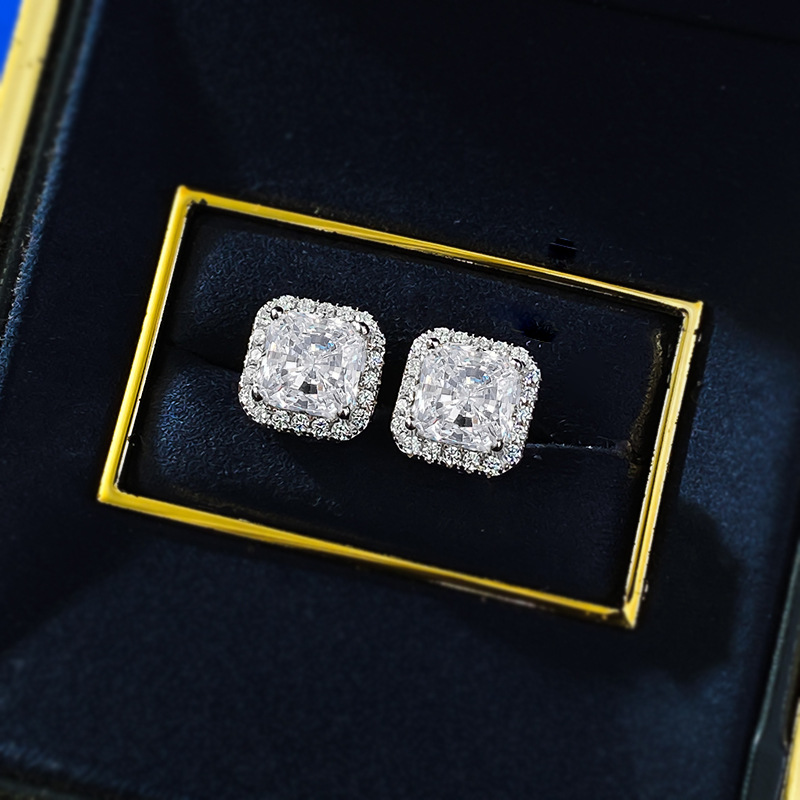
Lab-Created Diamond Huggie Earrings Cost: Fit, Clasp, and Value Guide
Lab-created Diamond Huggie Earrings cost less than many similar mined diamond styles, but price alone does not tell the full story. The best pair depends on diamond quality, metal type, hinge strength, clasp design, and how the earrings sit on your ear.
Huggies are small hoops made to fit close to the lobe. They feel polished without being fussy, which is why so many shoppers wear them to work, dinner, travel, and special events. If you want one pair you can reach for almost every day, huggies are an easy choice.
Below, you will find what affects lab-created Diamond Huggie Earrings cost, which details are worth paying for, and how to compare pairs before checkout.
Why Lab-Created Diamond Huggie Earrings Cost Less Than Mined Diamond Huggies
Lab-created Diamond Huggie Earrings cost less mainly because lab-created diamonds avoid the same mining and sorting path as mined diamonds. They are still real diamonds. They have the same chemical, physical, and optical properties as mined diamonds, according to the Gemological Institute of America.
That distinction matters because you are not Buying a Diamond simulant. You are buying crystallized carbon with diamond brilliance, fire, and durability. The price difference often lets shoppers choose more visible sparkle, better metal, or a more secure clasp within the same budget.
The GIA uses the 4Cs, cut, color, clarity, and carat weight, to describe diamond quality. IGI and other grading labs use the same core framework. For Small Diamond Huggies, cut and matching often make a bigger visual difference than tiny changes in clarity.
Customers usually care most about three things after the earrings arrive: sparkle, comfort, and whether the clasp feels secure. A pair that looks good in photos but feels loose on the ear will not feel like a good value for long.
How Huggies Differ From Studs, Hoops, Drops, and Dangles
Huggie earrings are compact hoops with a close fit. Most use a hinged body and a click-top or snap closure, so the earring forms a neat loop around the lobe.
Compared with diamond studs, huggies have more shape. Studs give a clean point of light, while huggies curve around the ear and catch light from more angles. Compared with larger hoop earrings, huggies feel lower profile and less likely to catch on hair, scarves, or collars.
Drop earrings and dangle earrings add movement and length. They can look beautiful for formal events, though they may not feel as practical for daily wear. Huggies sit in the middle: refined, secure, and easy to style.
What Drives Lab-Created Diamond Huggie Earrings Cost?
Lab-created diamond huggie earrings cost depends on more than total carat weight. Two pairs may look almost identical online, yet differ in gold weight, clasp quality, stone matching, and finishing.
Use these details to compare value:
- Total carat weight: This usually means the combined diamond weight for both earrings.
- Cut quality: Better-cut diamonds reflect more light and look brighter.
- Color and clarity: Near-colorless, eye-clean diamonds often offer strong value in earrings.
- Metal type: 14K gold, 18K gold, and platinum affect price, color, and weight.
- Setting style: Prong, pavé, channel, and bezel settings require different labor.
- Clasp build: A firm hinge and clean click add comfort and security.
- Retailer support: Clear specs, returns, warranties, and expert help reduce buying risk.
A 0.25 to 0.50 total carat weight pair can look bright when the stones are well cut and placed along the front curve. A larger pair may still disappoint if the diamonds look dull or the setting feels flimsy.
Before You Buy, check the metal purity, diamond details, measurements, clasp type, return window, and warranty. StoneBridge shoppers can also contact our jewelry experts for help comparing fit, carat weight, and diamond grades.
Diamond Quality: Cut, Color, Clarity, and Carat Weight
Cut drives sparkle. In small huggie diamonds, a well-cut stone can look livelier than a larger diamond with weak proportions.
Color is usually forgiving in earrings because people view them from a normal social distance. Many buyers choose near-colorless diamonds for white gold or platinum. Yellow gold and rose gold can soften slight warmth in the stones.
Clarity works the same way. Tiny inclusions are often hard to see once the earrings are worn. Eye-clean diamonds can be a smart choice because they keep the focus on visible beauty, not a grade you need magnification to notice.
Read total carat weight carefully. If a product says 0.50 carat total weight, it usually means both earrings together contain 0.50 carats. Each earring may hold about 0.25 carats, depending on the design.
Metal, Setting, and Clasp Details That Affect Price
Metal choice has a direct effect on lab-created diamond huggie earrings cost. 14K gold is popular because it balances strength, beauty, and price. 18K gold has more pure gold, so it often costs more and has a richer tone.
White gold gives a crisp diamond-forward look. Yellow gold feels warm and classic. Rose gold adds a soft blush color. Platinum is naturally white, dense, and durable, but it usually sits in a higher price range.
Setting style also changes cost. Prong settings show more diamond surface. Channel settings hold stones between smooth metal walls. Pavé huggies use many small diamonds for a glittering surface. Bezel settings wrap metal around each stone for a clean, protective edge.
Do not overlook the clasp. A strong hinge, smooth post, and firm click-top closure make huggies easier to wear every day. If the clasp feels weak, the lower price may not be worth it.
Lab-Created Diamond Huggie Earrings Cost by Style Tier
Lab-created diamond huggie earrings cost can range from accessible everyday pricing to premium fine jewelry pricing. Actual prices change by retailer, metal market, diamond specs, and promotions, but these tiers can help you compare.
| Style Tier | Typical Features | Best For | Main Cost Drivers |
|---|---|---|---|
| Entry-level | Smaller total carat weight, 14K gold, simple front diamonds | First fine jewelry pair, gifts, daily wear | Lower diamond weight, simpler setting, lighter frame |
| Mid-range | More diamond coverage, stronger gold feel, better finishing | Everyday luxury, work-to-evening wear | Higher carat weight, better clasp, more sparkle |
| Premium | Larger diamonds, 18K gold or platinum, refined details | Milestone gifts, luxury stacks | Higher grades, heavier metal, complex construction |
Entry-level pairs often use modest diamond weight and straightforward settings. They can still be a great choice for first piercings, second piercings, or daily sparkle.
Mid-range pairs usually offer the best balance for frequent wear. They may have more diamond coverage, stronger metal presence, smoother finishing, and a more satisfying clasp.
Premium huggies cost more for clear reasons. Larger diamonds, platinum, higher color and clarity ranges, certified accents, inside-out settings, or mixed diamond shapes all raise the price.
Style Comparisons: Minimalist, Pavé, and Inside-Out Huggies
Minimalist huggies usually cost less because they use fewer diamonds and simpler settings. They work well if you want a clean everyday look.
Pavé huggies often cost more because they require precise setting work and many matched stones. The result is a brighter surface and a dressier feel.
Inside-out huggies place diamonds on the front outside and the inner back curve. They can cost more because they use more stones and need careful construction, creating sparkle from more viewing angles.
Mixed-shape designs, such as round and baguette diamonds, may also raise lab-created diamond huggie earrings cost. Stone matching takes more time, and the design often feels more distinctive.
How Huggies Compare With Diamond Studs and Hoop Earrings
Diamond studs are the classic choice for simple sparkle. They work with almost everything and look clean in first, second, or third piercings.
Huggies bring a different effect. They frame the lobe, add contour, and look styled without feeling too dressy. Many shoppers prefer them for travel because the hinged closure feels contained.
Diamond studs depend on backs, which can loosen if they are not checked. Screw backs and locking backs improve security, though some people find them less convenient for daily removal.
Hoop earrings create more visual size. Huggies feel more compact and diamond-focused. If you want a complete fine jewelry wardrobe, studs and huggies both deserve a place because they solve different styling needs.
You can browse our jewelry collection to compare earrings, necklaces, bracelets, and other everyday pieces before choosing your pair.
Which Pair Should You Buy First?
Choose diamond studs first if you want the most classic diamond earring. They are simple, timeless, and easy to gift.
Choose huggies first if you want more shape and a secure close fit. They feel modern, stack well, and add polish without looking formal.
If your budget allows only one pair, think about how you will wear them. For constant daily use, lab-created diamond huggie earrings cost often feels efficient because the style gives both sparkle and structure.
Everyday Value: Comfort, Security, and Wearability
Lab-created diamond huggie earrings cost should be judged by cost per wear, not just the checkout price. A comfortable pair you wear three times a week delivers better value than a cheaper pair that stays in a jewelry box.
Comfort starts with fit. The inner diameter should leave enough room for your lobe without pinching. The post should align cleanly with the closure, and the hinge should move smoothly without wobbling.
Security matters too. A firm click helps you trust the earring during commutes, workouts, travel, and long events. If you have sensitive ears, choose solid 14K gold, 18K gold, or platinum and avoid unknown alloys.
Customers often ask whether huggies are safe for daily wear. They are, as long as the pair fits well, uses durable metal, and has a secure clasp.
Sizing, Diameter, and Fit Tips
Huggie fit depends on inner diameter, outer diameter, lobe thickness, and piercing placement. A 10 mm huggie may hug one ear closely and look like a small hoop on another.
Inner diameter tells you the open space inside the earring. Outer diameter tells you the full visual size. If your piercing sits higher on the lobe, you may need a larger inner diameter.
Do not rely only on model photos. Zoom, camera angle, and ear shape can make earrings look larger or smaller. Compare the millimeter size with a ruler or a pair you already own.
For second piercings, smaller huggies often work well. For first piercings or thicker lobes, a slightly larger size may feel more comfortable.
How to Choose Lab-Created Diamond Huggies for Your Budget
Start with lifestyle. If you want everyday earrings, prioritize comfort, clasp strength, solid metal, and a size that will not feel tight by afternoon.
If you are buying a gift, choose a versatile metal and a medium diamond presence. White gold, yellow gold, and rose gold all work, but the best choice depends on what the wearer already owns.
Use this quick buying framework:
- Set a budget range before browsing.
- Choose 14K gold, 18K gold, or platinum.
- Check inner and outer diameter in millimeters.
- Compare cut, color, clarity, and total carat weight.
- Test value against clasp quality and finishing.
- Review shipping, returns, warranty, and support.
Visible quality should guide the final choice. Paying for very high clarity may not improve the look of small earring diamonds. Bright cut, good matching, smooth setting work, and secure construction often matter more.
For diamond education across categories, you can shop our lab-grown diamonds or compare settings through the ring builder to see how specs affect appearance.
Care and Long-Term Value
Clean diamond huggies with warm water, mild dish soap, and a soft brush. Rinse well, then dry with a lint-free cloth.
Avoid chlorine, harsh chemicals, and abrasive cleaners. These can affect metal finishes and leave residue around settings.
Store huggies separately so diamonds and metal do not scratch other pieces. A soft pouch or lined jewelry box works well.
Check clasps every few wears. Listen for a firm click and make sure the hinge feels stable. For earrings worn several times a week, a professional inspection once a year is a smart habit.
Where to Buy Lab-Created Diamond Huggie Earrings With Confidence
The best retailer gives you clear details before checkout. Look for diamond specs, metal purity, measurements, product photos, return policies, warranty terms, and easy access to support.
StoneBridge Jewelry curates fine jewelry for shoppers who want modern diamond value with a polished buying experience. You should understand what you are paying for before the box arrives.
Compare lab-created diamond huggie earrings cost across carat weight, metal, clasp, and fit. A lower price can be appealing, but the best pair should still feel secure, comfortable, and beautiful after many wears.
Ready to choose? Shop Lab-Created Diamond Huggie Earrings, browse Diamond Studs, or explore Hoop Earrings to build a complete earring wardrobe.
Final Checklist Before You Add to Cart
Before buying, confirm these details:
- Total carat weight and whether it means both earrings combined.
- Diamond cut, color, clarity, and overall brightness.
- Metal type, such as 14K gold, 18K gold, or platinum.
- Inner diameter, outer diameter, and fit expectations.
- Hinge strength and click-top clasp security.
- Return, shipping, warranty, and service policies.
Lab-created diamond huggie earrings cost should match what you will see and feel. If a pair has bright diamonds, a comfortable fit, and a clasp you trust, it is much more likely to become an everyday favorite.
Choosing With Confidence
Lab-created diamond huggie earrings cost depends on diamond quality, total carat weight, metal type, setting style, clasp construction, and craftsmanship. A simple 14K gold pair with modest diamond weight will usually cost less than a pavé, inside-out, or platinum pair with larger diamonds.
For many shoppers, lab-created diamond huggies offer one of the strongest value stories in fine jewelry. You get real diamond brilliance, practical comfort, modern sourcing appeal, and a shape that works with studs, hoops, drops, and dangles.
Choose the pair that fits your life first. Then compare the specs. Look for bright stones, smooth finishing, secure clasps, and a retailer that makes the purchase easy to understand.
FAQ
How much do lab-created diamond huggie earrings cost?
Lab-created diamond huggie earrings cost varies by total carat weight, diamond quality, metal type, setting style, and clasp construction. Entry-level pairs usually cost less than mined diamond huggies with similar specs, while premium pairs cost more because they use larger diamonds, heavier metal, or more detailed setting work. Compare the millimeter size, total carat weight, and clasp type before choosing by price. If two pairs look alike online, the hinge, gold weight, and diamond matching may explain the difference.
Are lab-created diamond huggie earrings real diamonds?
Yes, lab-created diamond huggie earrings use real diamonds when the product is accurately described. GIA states that lab-created diamonds have the same chemical composition and crystal structure as mined diamonds. They are not cubic zirconia or moissanite. For the best value, check the diamond specs, metal purity, and retailer policies before buying.
Are lab-created diamond huggies worth it for everyday wear?
They can be a strong everyday choice because huggies sit close to the ear and usually feel secure. Lab-created diamond huggie earrings cost less than many comparable mined diamond styles, so you may be able to choose better metal or more diamond presence within your budget. Look for a smooth hinge, a firm click-top clasp, and a comfortable inner diameter. Those details matter more with earrings you will wear often.
What size lab-created diamond huggie earrings should I buy?
The right size depends on your lobe thickness, piercing placement, and preferred fit. A snug huggie needs a smaller inner diameter, while a small hoop look needs more space below the lobe. Check measurements in millimeters instead of relying only on photos. If your piercing sits high, choose a larger inner diameter for comfort.
Do diamond huggie earrings cost more than diamond studs?
Not always. Diamond studs may cost more when they feature larger single stones, while huggies may cost more when they use many diamonds, heavier gold, or complex pavé work. Compare total carat weight, metal type, diamond quality, clasp construction, and craftsmanship. The better buy is the pair you will wear more often and feel comfortable securing each day.
Ready to Find Your Perfect Diamond?
Explore our collection of certified lab-grown diamonds
Shop Diamonds