Jewelry Insurance Loss Prevention Photo Checklist
A jewelry insurance loss prevention photo checklist does more than create pretty images. It gives you Proof of Ownership, condition, identifying details, and the supporting documents you may need before loss, theft, or damage ever happens.
Fine jewelry is small, valuable, and easy to misplace. A one-carat diamond ring, platinum tennis bracelet, or pair of Certified Diamond Studs may need scheduled personal property coverage instead of relying on a standard homeowners or renters policy. Many policies cap jewelry theft coverage around $1,500 unless you add a separate rider, though limits vary by insurer.
Photos do not replace an appraisal, receipt, Diamond Grading Report, or insurance policy. They make those records easier to verify. If you are Buying an Engagement Ring, upgrading a diamond necklace, or protecting heirloom jewelry, build your file as soon as the piece is in your hands. I've helped hundreds of couples think through this exact step, and the ones who document early almost always feel calmer later (trust me, I've seen it happen).
Why Jewelry Insurance Photo Documentation Matters
A jewelry insurance loss prevention photo checklist matters because claims often turn on tiny details. After a ring is stolen or a clasp breaks, it can be hard to remember the exact setting style, metal stamp, gemstone shape, engraving, and condition.
Insurers often ask for receipts, appraisals, photographs, and grading documents. For diamonds, GIA and IGI reports can list carat weight, color grade, clarity grade, cut grade, measurements, fluorescence, and report number. A photo record connects those documents to the actual piece you owned.
Good photo documentation helps in three practical ways:
- Faster review: Clear images help an adjuster compare the item with appraisal records.
- Stronger ownership proof: Photos with receipts, certificates, boxes, and appraisals support your file.
- Better replacement details: Close-ups show setting style, stone layout, metal finish, engraving, and wear.
This is especially useful for engagement rings, wedding bands, necklaces, bracelets, earrings, watches, and inherited pieces. Heirlooms may have older appraisals, handwritten notes, or no paperwork at all. Photos help show design and condition before you update the valuation.
Customers who photograph jewelry right after purchase usually have fewer gaps later. The box, receipt, certificate, and original condition are still easy to document in one place. That small habit can save hours during an insurance review.
If you are choosing a new ring, think about documentation before checkout. You can explore engagement rings with prongs, hidden halos, engraving, and side-stone details in mind. Honestly, I think this is part of smart buying, not just insurance busywork.
What to Photograph for Insurance Records
A complete jewelry insurance loss prevention photo checklist starts with consistent views. Take enough images to show the full piece, condition, construction, and marks that make it identifiable.
For most pieces, photograph these views:
- Full front view: Show the whole item, centered and in focus.
- Back view: Capture construction, gallery work, clasps, hinges, posts, and undersides.
- Side view: Show profile, height, stone setting, shank shape, chain thickness, or earring depth.
- Setting close-up: Photograph prongs, bezels, channels, pave work, baskets, and stone security.
- Hallmark or metal stamp: Capture 14K, 18K, PT950, 925, maker marks, serial numbers, or brand marks.
- Unique identifiers: Include engraving, monograms, custom details, report numbers, or visible inclusions.
- Condition views: Show scratches, dents, worn prongs, loose stones, missing enamel, stretching, or repairs.
- Scale reference: Use a ruler, ring mandrel, or neutral measuring tool.
For rings, focus on the gallery, prongs, shank, engraving, and interior stamp. Engagement rings may have a hidden halo, cathedral shoulders, pave side stones, or a laser inscription on the diamond girdle. A phone may not capture a laser inscription clearly, so ask your jeweler or appraiser for a magnified image if the piece is valuable.
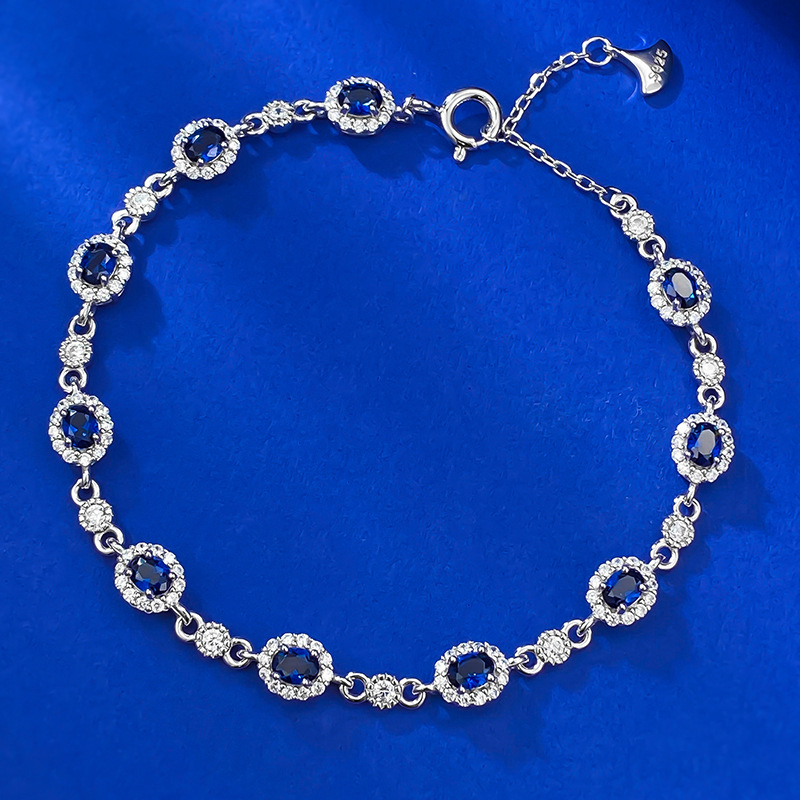
For necklaces and bracelets, photograph the clasp, safety catch, chain style, links, hallmark tag, and pendant bail. Clasps are common failure points. If a tennis bracelet has 52 round diamonds, document the full bracelet plus several close sections of the stone line.
For earrings, photograph the pair together and each earring alone. Include posts, backs, hinges, omega clips, screw backs, and hallmarks. Diamond studs should be shown from the front, side, and back so the setting and stone size are clear.
Supporting documents belong in the same file. Photograph or scan receipts, appraisals, GIA or IGI reports, warranties, care plans, original packaging, repair receipts, resizing records, and insurance schedules.
A jewelry insurance loss prevention photo checklist should also show craftsmanship. Milgrain, hand engraving, pave layout, stone matching, metal finish, and custom work can affect replacement cost. Two rings may both be 14K white gold with a one-carat center stone, yet differ widely in setting labor, diamond quality, side stones, and brand value.
If you are comparing stones now, shop lab-grown diamonds while saving grading reports, measurements, and product photos from the start.
Step-by-Step Jewelry Insurance Loss Prevention Photo Checklist
You do not need a studio. A modern smartphone, steady surface, soft light, and clear file names can produce useful insurance records. The key is to follow the same order every time.
1. Prepare the Jewelry and Paperwork
Clean the jewelry gently unless you need to document Damage Before Repair. Use a soft, lint-free cloth. Avoid harsh cleaners on pearls, opals, emeralds, antique pieces, treated gemstones, and glued components.
Gather the jewelry, receipt, appraisal, grading report, warranty, repair records, and packaging. Place everything on a clean surface. If you plan to share a folder, cover addresses, payment details, and account numbers.
2. Use Clear, Neutral Lighting
Bright indirect light works best. Window light is helpful as long as direct sun is not hitting the jewelry. Flash can create glare, hide inclusions, and make metal color look wrong.
Use a white or neutral gray background. Turn off filters, portrait effects, and beauty modes. Tap to focus on the jewelry, clean the camera lens, and avoid heavy zoom that lowers image quality.
The goal is accuracy, not a sales photo. Your jewelry insurance loss prevention photo checklist should make the item easy to identify.
3. Start With the Full Piece
Take a straight-on image that shows the entire item from edge to edge. For a ring, place it upright or flat so the silhouette is visible. For a necklace, lay it out without tangles. For a bracelet, photograph it open and closed when possible.
Next, take a context shot with the piece beside its appraisal, receipt, or grading report. Do not rely on this image alone. Use it to connect the jewelry to the paperwork.
4. Capture Detail Angles
Move through the same sequence: front, back, left side, right side, top, underside, clasp or closure, hallmark, engraving, and any damage. This rhythm keeps you from missing a view.
For rings, include a close-up of each prong group. A six-prong solitaire, four-prong cathedral, bezel-set diamond, and pave halo all need different detail shots. For chains, capture the clasp and jump rings. For watches, document the case, bracelet, clasp, serial number, dial, case back, box, and papers.
5. Show Scale and Fit
Scale photos help explain size. Use a ruler with millimeter marks, a ring mandrel, or another measured reference. Hands are not ideal as the only scale reference because they vary so much.
For rings, record the size from a jeweler measurement. Resizing can affect the shank, engraving, solder joints, and documentation. If you need help before ordering, learn about ring sizing so purchase and maintenance records stay aligned.
6. Photograph Real Condition
Do not hide wear. Insurance records should show the true condition of the item at the time of coverage or review. Photograph scratches, thinning prongs, worn rhodium plating, loose hinges, chipped gemstones, bent posts, or stretched bracelet links.
If you repair the piece later, take a new set of photos and save the receipt. Your jewelry insurance loss prevention photo checklist should show the condition timeline, not just the prettiest day.
7. Name Files So You Can Find Them
A folder full of IMG_4821 and IMG_4822 is not helpful during a claim. Rename files while the details are fresh.
Use a simple format such as LastName_Item_Date_View. Examples include Rivera_EngagementRing_2024-04-12_Front, Rivera_EngagementRing_2024-04-12_GIAReport, and Rivera_DiamondStuds_2024-04-12_Hallmark. If you prefer privacy, use a household inventory code instead of a last name.
8. Create a One-Page Inventory
For each item, make a short inventory record. Include item name, purchase date, purchase location, purchase price, appraised value, metal type, gemstone details, grading report number, ring size or length, policy number, scheduled item reference, and photo folder location.
This turns your jewelry insurance loss prevention photo checklist into a working insurance file. It also helps a spouse, partner, or family member Find the Right records if you are unavailable.
9. Check the Images Before Filing
Open every image on a larger screen. Can you read the hallmark? Is the setting sharp? Is the receipt legible? Does the bracelet photo show the full piece?
Retake weak images right away. A blurry hallmark or cut-off appraisal may not help much during a claim.
Jewelry Photo Checklist by Item Type
Use this quick comparison to decide which photos matter most.
| Jewelry Type | Must-Have Photos | Extra Proof to Save | Risk to Document |
|---|---|---|---|
| Engagement ring | Front, side, underside, prongs, hallmark, engraving | Appraisal, diamond report, receipt, resizing records | Loose prongs, chipped stones, worn shank |
| Wedding band | Full band, interior stamp, engraving, profile | Receipt, appraisal for diamond bands, sizing record | Scratches, thinning, stone loss |
| Necklace | Full length, clasp, pendant front and back, hallmark | Receipt, chain length, gemstone report | Broken clasp, stretched links, loose bail |
| Earrings | Pair together, each earring front and back, posts, backs, hallmark | Receipt, diamond or gemstone reports | Bent posts, missing backs, loose stones |
| Bracelet | Open and closed views, clasp, safety lock, links, hallmark | Appraisal, diamond count, length | Clasp wear, link stretching, stone loss |
| Heirloom jewelry | All angles, unique marks, condition, scale | Updated appraisal, provenance notes, repair history | Prior repairs, fragile settings, worn metal |
The logic stays simple: full view, identifying detail, condition, documents, and secure storage.
How to Store and Share Jewelry Insurance Photos
Taking photos is only half the job. Storage decides whether the records are useful when you need them.
Keep at least two secure copies of your jewelry insurance loss prevention photo checklist. Three is better. Use a mix of cloud storage, local backup, and printed key pages.
Good storage options include encrypted cloud storage with two-factor authentication, an external drive kept in a safe place, a secure computer folder with backups, printed copies stored with appraisals, and a shared emergency folder for a trusted person.
Use JPEG for photos and PDF for appraisals, receipts, and grading reports. If your phone saves HEIC files, export JPEG copies too because some claims systems do not handle HEIC well. Keep originals when possible because metadata may show date and device details.
Use folder names with dates, such as Jewelry_Insurance_Record_EngagementRing_2024-04-12. After repair, create a new folder instead of overwriting the old one. A name like Jewelry_Insurance_Record_EngagementRing_PostRepair_2024-09-18 keeps the timeline clear.
Share carefully. Send files only through channels requested by your insurer, jeweler, or appraiser. Do not post serial numbers, report numbers, full insurance files, or storage locations on public social media.
Loss Prevention Habits Beyond Photos
Photos help after a loss. Better habits reduce the chance of loss in the first place.
Store high-value jewelry in a properly rated home safe, bank safe deposit box, or other secure location when it is not worn. A decorative box on a dresser is convenient, but it is also easy to find. If you use a home safe, ask your insurer whether items above a certain value need specific storage.
Travel with fewer pieces. Bring only what you will wear. Use a Travel Jewelry Case with separate compartments, and never put fine jewelry loose in a handbag, checked luggage, hotel bathroom, or rental car console.
Inspect frequently worn pieces every month. Look for lifting prongs, weak clasps, stone movement, stretched links, bent earring posts, and thinning ring shanks. Many jewelers recommend a professional inspection every 6 to 12 months for engagement rings, diamond bands, tennis bracelets, and delicate pave settings.
Clean jewelry in a way that suits the material. Diamonds and many gold settings often tolerate mild dish soap, warm water, and a soft brush. Pearls, opals, emeralds, turquoise, and treated stones need gentler care, so Ask A Jeweler Before using steam or ultrasonic cleaning.
Save every repair record with your jewelry insurance loss prevention photo checklist. If a jeweler tightens prongs, replaces a clasp, resets a stone, or resizes a ring, take fresh photos after the work is done.
What Affects Insurance Value and Claim Readiness
Jewelry insurance value depends on more than the original price. Your claim readiness depends on how well your records prove the value and identity of the piece.
A receipt shows purchase price. An appraisal estimates replacement value. A grading report identifies a diamond or gemstone. Photos show the actual item, its condition, and the details that tie the paperwork together.
For diamonds, grading standards matter. GIA uses the 4Cs: carat weight, color, clarity, and cut. A 1.00 carat round diamond graded G color, VS2 clarity, Excellent cut can have a different replacement cost than a 1.00 carat round diamond graded J color, SI2 clarity, Good cut.
Metal also affects value. Platinum is denser than gold, so a platinum ring often weighs more than a similar 14k Gold Ring. Setting complexity, hand engraving, designer branding, custom work, and side-stone quality can also change replacement cost.
Know the insurance terms Before You Buy. Scheduled personal property lists specific high-value items separately. Blanket jewelry coverage uses a broader limit. Replacement value means the cost to replace with like kind and quality. Actual cash value may account for depreciation. A deductible is the amount you pay before coverage applies.
If you are buying a $3,000, $8,000, or $15,000 piece, ask about Coverage Before It leaves the store. Appraisals should describe metal type, gemstone measurements, diamond grades, setting style, condition, date, appraiser credentials, and replacement value basis.
In my 10 years at StoneBridge Jewelry, I've seen the difference a well-documented file makes for couples protecting an engagement ring or a gift tied to a wedding day. That kind of warmth matters, because these pieces usually carry a memory, not just a price tag.
Ready to compare options with documentation in mind? Browse fine jewelry or build an engagement ring while saving certificates, appraisals, and photos from day one.
Final Jewelry Insurance Loss Prevention Photo Checklist
Use this list Before You Insure, travel with, resize, repair, or store a valuable piece:
- Photograph the full piece from the front, back, side, top, and underside.
- Capture close-ups of settings, prongs, clasps, hallmarks, engravings, and serial numbers.
- Add scale photos with a ruler, mandrel, or measured reference.
- Save receipts, appraisals, grading reports, repair records, and packaging photos.
- Store copies in encrypted cloud storage and on a separate backup drive.
- Update the file after repair, resizing, cleaning, resetting, or appraisal changes.
- Review coverage and scheduled item limits at least once a year.
Could you rebuild your jewelry file from memory if something disappeared tomorrow? Most people could not. A clear jewelry insurance loss prevention photo checklist protects the records behind the pieces you already love.
If you are preparing to insure a new engagement ring, diamond upgrade, anniversary gift, or heirloom, start with documentation. For help comparing diamonds, settings, and paperwork, contact our jewelry experts Before You Buy.
Ready to Find Your Perfect Diamond?
Explore our collection of certified lab-grown diamonds
Shop Diamonds