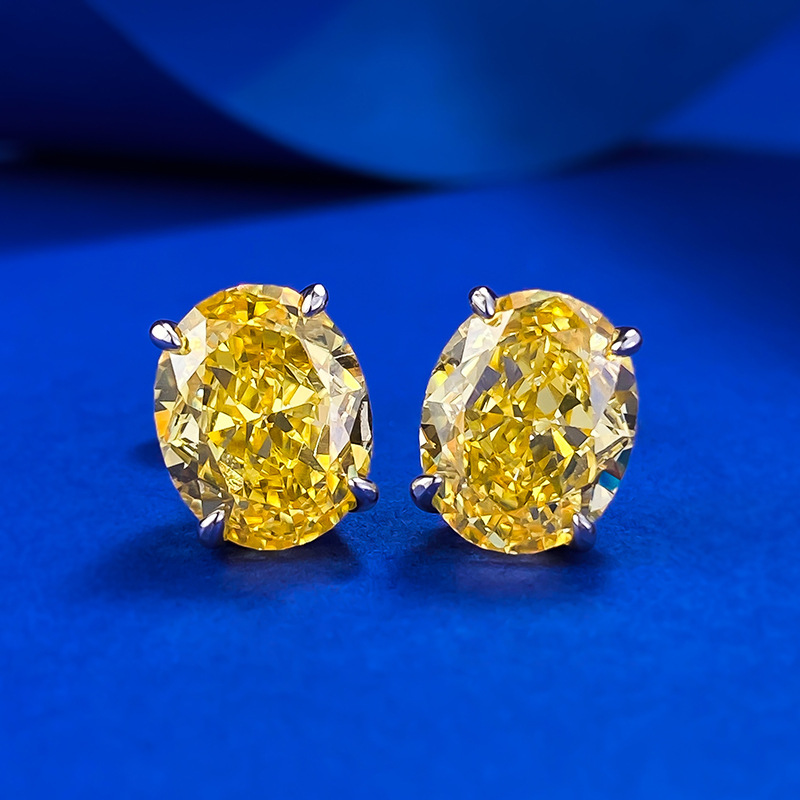
IGI Certified Diamond Stud Earrings Checklist for Smart Buyers
Buying diamond studs online can feel simple until two pairs look nearly identical. One may sparkle better, sit straighter, or feel more secure in the ear. That is where the IGI certified Diamond Stud Earrings checklist helps.
It keeps the focus on the details that change beauty, comfort, and price. If you want to compare more fine jewelry while you shop, browse our jewelry collection or explore our diamond selection.
Why the IGI Certified Diamond Stud Earrings Checklist Matters
Diamond studs are small, but the differences are not. A pair can look similar in photos and still differ in cut, spread, setting quality, and pair match. The IGI certified Diamond Stud Earrings checklist gives you a simple way to sort the good from the merely polished.
It also helps you compare styles with a clear head. Stud earrings work differently from hoop earrings, huggie earrings, drop earrings, and dangle earrings. Studs stay close to the ear and give a clean look, while hoops and drops add motion. For daily wear, gifting, or a bridal look, that difference matters.
For online shoppers, the checklist is even more useful. You cannot tilt the stones in natural light or test the backs in person. So the IGI certified Diamond Stud Earrings checklist becomes your shortcut to better judgment, not a sales pitch.
What good is a bigger total carat weight if the pair looks dull in daylight?
What IGI Certification Means for Diamond Stud Earrings
IGI is the International Gemological Institute, a third-party grading lab. An IGI report gives you an outside view of the diamond's quality instead of relying only on a seller's description. For diamond studs, that extra layer matters because the stones are small and the visual differences can be subtle.
A typical IGI report can list the report number, shape, measurements, carat weight, color, clarity, cut information, polish, symmetry, fluorescence, and key comments. The IGI certified Diamond Stud Earrings checklist should always start with that report, because the listing and the document need to match.
What the report should show
- Report number: This ties the earrings to the exact grading document.
- Measurements: These help you compare face-up size, not just weight.
- Cut details: Better cut usually means stronger brightness and fire.
- Color grade: Color affects how white or warm the stones appear.
- Clarity grade: Clarity tells you how clean the stones look under inspection.
- Carat weight: Carat is weight, not face-up size by itself.
GIA research has long shown that cut has the biggest effect on sparkle in round brilliant diamonds. That matters for studs, because they sit close to the face and show light return quickly. GIA's round brilliant guidance often points to tables around 53% to 58% and depths around 59% to 62% as common range markers, though the stone still needs a visual check.
How the four Cs shape the look
The four Cs still matter, but they work together. A smaller pair with an excellent cut can look brighter than a heavier pair with weaker proportions. Color and clarity also change based on the metal, the setting, and how close the viewer is.
- Cut: Drives sparkle and light return.
- Color: Affects brightness and warmth.
- Clarity: Affects how clean the stone appears.
- Carat weight: Affects weight and often price, but not appearance alone.
The IGI Certified Diamond Stud Earrings Checklist
Use this IGI certified Diamond Stud Earrings checklist line by line as you review a product page or speak with a seller. If the details stay vague, pause and ask for more. A strong pair should hold up to close inspection, not just a nice headline.
1. Confirm the report number matches the listing
Start with identity. The report number on the IGI document should match the listing, the product photos, and any inscription details the seller provides. If the pair has two individual reports, make sure both stones are shown clearly.
This step sounds basic, but it removes a lot of risk. The IGI certified Diamond Stud Earrings checklist only works if the stones in front of you are the stones described on paper.
2. Check whether the two diamonds are truly matched
A good pair should look balanced in size, color, and sparkle. Some small variation is normal, but you should not see an obvious mismatch from one ear to the other. Ask whether the stones were selected as a matched pair or assembled later.
Look for similar measurements and similar grade notes. In a well-matched pair, the eye reads them as one set first and two stones second. If one diamond looks flatter or warmer in photos, request more images.
3. Review the cut and spread
Cut has a huge impact on real-world brightness. A well-cut pair can look larger and livelier than a heavier pair with weaker proportions. For round stones, table size, depth, crown, pavilion, and symmetry all shape the final look.
Use the report, then compare it with photos or video. The IGI certified Diamond Stud Earrings checklist should push you beyond carat weight and toward the way the stones actually face up.
4. Balance color and clarity with the setting
Color and clarity are part of the value story, but context matters. White gold or platinum can make color easier to spot, while yellow or rose gold can soften it. A low-profile mount can also hide more of the stone than a taller setting.
You do not need the highest grades for every budget. Many shoppers land in a near-colorless range with clarity that looks clean to the eye. The best pair is the one that looks beautiful in the ear, not just on a report.
5. Inspect the setting quality
The setting holds the whole purchase together. Prongs should look even, smooth, and secure. The stones should sit straight, not tilted or crooked.
Check the side view if photos are available. A strong setting protects the diamond and improves wearability. In an IGI certified Diamond Stud Earrings checklist, this is one of the checks that matters most for safety and appearance.
6. Confirm the metal type and finish
Look for the exact metal type: 14k gold, 18k gold, platinum, white gold, yellow gold, or rose gold. Each one changes the look, weight, and price. White metals create a cooler frame, while yellow and rose gold add warmth.
Also check the finish. A high-polish surface should look smooth, not patchy. If the metal type is missing, ask Before You Buy. The IGI certified diamond stud earrings checklist should always include the mounting material.
7. Review the backs and closures
Diamond studs sit close to the ear, so the closure matters more than many people expect. Common choices include butterfly backs, screw backs, and locking backs. Screw backs can offer extra security for frequent wear.
Make sure the backing feels easy to use without feeling loose. A closure that spins too freely can make the earrings uncomfortable. The best pair combines security with simple daily use.
8. Check comfort and wearability
Stud earrings should feel easy to wear for hours. If the post is too long, too short, or sharply finished, the earrings can irritate the skin. The backs should not dig behind the ear.
Think about your routine. Do you wear earrings all day at work? Do you keep them on through travel? These small questions shape the right choice. The IGI certified diamond stud earrings checklist should test comfort as carefully as sparkle.
9. Judge the size on the ear, not just on paper
Carat weight does not tell the full story. Two pairs with the same total weight can look very different depending on cut and spread. Ask for millimeter measurements and, if possible, on-ear photos or video.
Many shoppers are happiest when they compare face-up size instead of chasing the biggest number. A smaller pair with a cleaner look often beats a larger pair that feels heavy or flat.
10. Ask about returns, care, and insurance
A good seller should explain the next step after checkout. Ask about return windows, repair support, cleaning advice, and whether the earrings can be appraised for insurance. If the purchase is meaningful, insurance may be worth the extra effort.
This final check protects the piece after the sale. The IGI certified diamond stud earrings checklist is not only about the diamond. It is also about how the seller supports the earring over time.
Quick checklist recap
Before you place an order, confirm these points:
- The report number matches the listing.
- The two stones are clearly matched.
- The cut and spread support brightness.
- The setting looks secure and even.
- The metal type is listed clearly.
- The backs feel safe and practical.
- The size looks right on the ear.
- The seller offers clear aftercare details.
If a pair fails more than one check, keep looking. The right IGI certified diamond stud earrings should feel strong on paper and even better in person.
How Diamond Studs Compare With Other Earring Styles
Diamond studs are popular because they stay neat, polished, and easy to wear. They work with workwear, formal outfits, and casual clothes without much effort. Still, they are not the only strong option.
Hoop earrings bring more movement. Huggie earrings sit close to the lobe and feel compact. Drop earrings and dangle earrings add length and motion, which can work well for dressier looks. If you want to compare more fine jewelry, our jewelry collection and diamond selection are good places to start.
If your goal is a clean sparkle point, studs usually win. If you want more motion or a bolder shape, hoops or drops may fit your style better. The IGI certified diamond stud earrings checklist helps you decide whether studs truly match your wardrobe and your habits.
Practical Buying Tips for IGI Certified Diamond Stud Earrings
Use the IGI certified diamond stud earrings checklist on real product pages, not just in theory. A few smart habits can save you from a poor match.
Read the page like a spec sheet
Do not stop at the headline carat weight. Check the dimensions, metal, backing style, and report details. If the page does not say whether the stones are individually matched, ask.
Ask for video in natural light
Studio photos can flatter almost any pair. A short daylight video gives you a better read on sparkle, color, and how the stones sit in the setting. That is one of the fastest ways to judge the pair honestly.
Compare size by millimeters, not just by weight
A 1.00 ctw pair can look smaller than expected if the spread is tight. Millimeter measurements tell you more about face-up size than carat alone. Use them to compare pairs side by side.
Think about the total cost
The diamond is only part of the price. Metal, setting work, certification, and whether the stones are natural or lab-grown all affect cost. As a broad market guide, smaller pairs can start in the low hundreds, while well-cut 1.00 ctw or larger pairs can move into the low thousands or more.
Use expert help if the details feel fuzzy
If the report is hard to read or the photos leave questions, ask for help. Request more images, a video, or a clearer explanation of the grades. You can also contact our jewelry team if you want help comparing Options Before You decide.
Common Mistakes to Avoid When Shopping for Diamond Studs
Even careful shoppers miss details. These are the mistakes that show up most often.
- Focusing only on carat weight: Bigger is not always better if the cut is weak or the pair looks uneven.
- Skipping the setting check: A beautiful diamond can lose appeal if the mount feels flimsy or the prongs look rough.
- Ignoring pair matching: Two well-graded stones can still look mismatched side by side.
- Overlooking the report: Certification details should match the listing, not sit on the page as decoration.
- Mixing up styles: Stud earrings are not the same as huggie earrings, drop earrings, or dangle earrings.
Avoid those mistakes and the IGI certified diamond stud earrings checklist becomes far more useful. It keeps the purchase focused on the whole piece, not just one headline number.
Final IGI Certified Diamond Stud Earrings Checklist
Before checkout, take one last look at the full picture. Verify the report, confirm the pair match, review cut and measurements, inspect the setting, and make sure the backs and metal suit everyday wear.
If anything feels vague, keep asking until it is clear. The IGI certified diamond stud earrings checklist is there to protect both the look of the piece and the money you spend.
If you are still comparing options, read more buying tips on our blog or speak with our team for help narrowing your shortlist. The best time to use the checklist is before checkout, while your choices are still open.
FAQ
What should I check on an IGI report before buying diamond stud earrings online?
Look for the report number, the stone measurements, the color and clarity grades, and any notes that describe the pair. Those details should line up with the product page and any inscription information. If the seller only shows a summary, ask for the full report image Before You Buy. The IGI certified diamond stud earrings checklist works best when the paperwork and the listing tell the same story.
Are IGI certified diamond stud earrings good for everyday wear?
Yes, many shoppers choose them for daily use because they are secure, versatile, and easy to style. The setting, backing, and metal matter just as much as the diamond itself. A low-profile pair with strong closures usually feels the most practical for work, travel, and long wear. If comfort matters, ask for post length and backing details Before You Order.
How can I tell if diamond stud earrings are well matched?
Well-matched studs should look balanced in size, color, and sparkle. Check the measurements first, then compare the pair in photos or video. Small differences are normal, but one stone should not look warmer, flatter, or visibly smaller than the other. If you are unsure, ask for a side-by-side image and use the IGI certified diamond stud earrings checklist again.
What size IGI certified diamond studs look best on the ear?
That depends on your face shape, hair, and how bold you want the look to be. Many buyers like a pair that reads clearly without taking over the whole ear. Ask for millimeter measurements, since spread tells you more than carat weight alone. If you want a classic look, a balanced medium size often feels easiest to wear every day.
Why does IGI certification matter when buying diamond stud earrings online?
Certification gives you a shared reference for cut, color, clarity, and carat weight. That matters online because you cannot inspect the pair in person before you pay. IGI certification makes it easier to compare listings and spot weak details early. It also gives the IGI certified diamond stud earrings checklist a clear starting point.
Ready to Find Your Perfect Diamond?
Explore our collection of certified lab-grown diamonds
Shop Diamonds