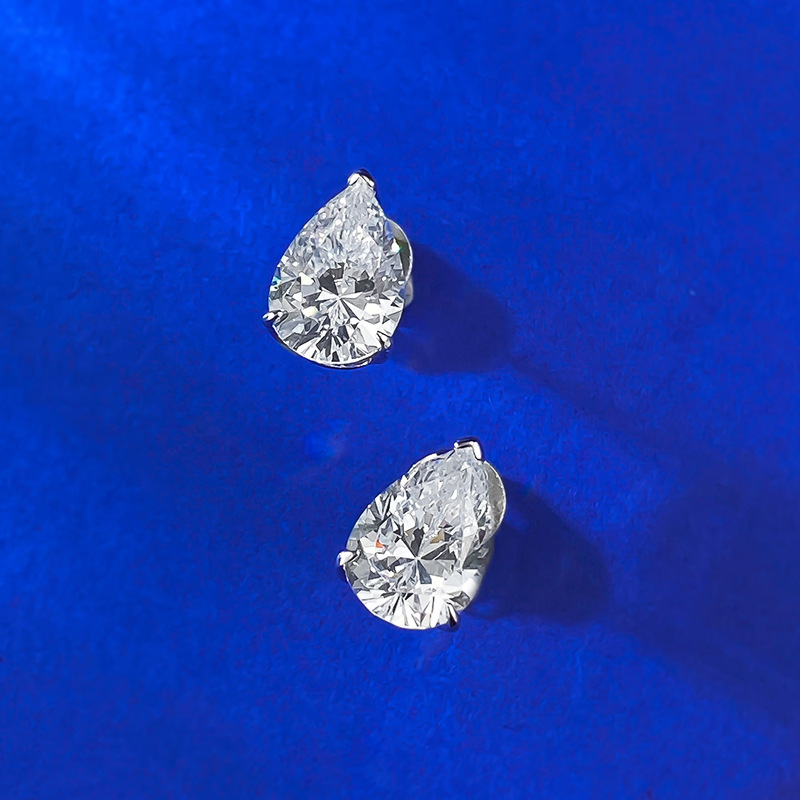
Rose Gold Diamond Studs Metal Comparison: 14K vs 18K Before You Buy
Buying diamond studs feels straightforward until you get to the metal. This Rose Gold Diamond Studs Metal comparison breaks down 14K vs 18K so you can choose with less second-guessing and more confidence.
You’ll see how each option handles daily wear, how the color sits next to diamonds, what upkeep looks like, and how pricing shifts at common carat weights. If you’re comparing more than one metal, white gold and platinum can also be smart reference points.
Rose Gold Diamond Studs Metal Comparison: What Actually Changes?
A rose Gold Diamond Studs metal comparison matters because two pairs with the same stones can age very differently. The metal affects scratch resistance, prong stability, and the kind of maintenance you’ll need over time.
Here’s what matters most:
- Durability under daily friction
- Color tone, from richer pink to softer blush
- Price spread at the same carat weight
- Service frequency and long-term care costs
- Comfort for sensitive skin, based on alloy mix
In my 10 years at StoneBridge, I’ve seen the same pattern over and over: shoppers who wear studs most days are happiest when they choose for lifestyle first, not just purity.
Quick Metal Basics Before You Compare
For this rose gold diamond studs metal comparison, keep these facts in mind:
- 14K rose gold = 58.5% pure gold and 41.5% alloy metals
- 18K rose gold = 75% pure gold and 25% alloy metals
More alloy content usually means a harder, more wear-resistant setting. Higher pure gold content often gives a softer feel and a richer, more luxurious look. Both can last for decades with proper care, which is the part people sometimes overlook (trust me, I’ve seen it happen).
Why Craftsmanship Matters as Much as Karat
Karat is only part of the story. A strong basket, even prong spacing, solid post thickness, and clean solder work all affect security.
Honestly, I think craftsmanship matters just as much as the stamp. In any rose gold diamond studs metal comparison, a well-made 14K setting can outlast a poorly built 18K setting. Ask about prong tip thickness, post gauge, and backing tension Before You Buy.
How the Diamond Specs Affect the Metal Choice
One reason buyers get tripped up in a rose gold diamond studs metal comparison is that the stones and the metal influence each other visually. A diamond that looks icy in white gold may look warmer in rose gold, which can be flattering or distracting depending on the look you want.
If you are comparing studs in the 0.25 ctw to 2.00 ctw range, pay attention to the basic diamond specs first. In many cases, the setting decision becomes easier once the stone quality is locked in.
Cut, Color, Clarity, and Carat Weight
- Cut: For studs, cut is the biggest factor in sparkle. Excellent or Ideal cuts usually give the strongest return of light, which matters more than tiny clarity differences when the earrings are small.
- Color: Near-colorless grades such as G, H, and I are common sweet spots. In rose gold, a slightly warmer diamond can still look bright because the metal itself adds warmth.
- Clarity: VS2 and SI1 are often practical for studs because the inclusions are usually invisible at normal wearing distance. If you want maximum peace of mind, choose eye-clean stones rather than chasing a grading letter alone.
- Carat weight: Bigger studs need more secure settings and a stronger post. As total carat weight rises, the tradeoff between 14K and 18K becomes more noticeable because weight and leverage increase on the prongs.
For buyers who want the best balance of beauty and value, a matched pair with strong cut, eye-clean clarity, and a sensible total carat weight often beats spending extra just to upgrade metal purity. That is especially true if the earrings will be worn often.
Natural vs Lab-Grown Diamonds
This rose gold diamond studs metal comparison works for both natural and lab-grown stones, but the total budget can shift a lot depending on your choice. Lab-grown pairs often free up money for a more secure setting or a larger center size. Natural diamonds usually command higher prices, which can make 14K more appealing if you want to preserve budget for the stones.
If you are shopping lab-grown, ask for a grading report from IGI or GIA where available. For natural diamonds, a GIA report is widely recognized and makes it easier to compare quality across sellers. In either case, make sure the report matches both stones in the pair and shows the total carat weight, measurements, color, clarity, and cut grade when applicable.
What Diamond Sizes Pair Best With Rose Gold
Rose gold is versatile, but not every size wears the same way. Smaller studs, around 0.25 ctw to 0.50 ctw total, read delicate and polished. Mid-size pairs around 0.75 ctw to 1.50 ctw are the most common for everyday wear. Larger pairs above 2.00 ctw total become more statement-driven and deserve a sturdier build.
If you are choosing between 14K and 18K at the larger sizes, 14K usually gives more peace of mind for daily use. The extra strength can help the prongs keep their shape when the studs are worn often with hair tucked behind the ears, under scarves, or while traveling.
14K Rose Gold Studs: Strength, Value, and Daily Use
For most everyday wear, a rose gold diamond studs metal comparison leans toward 14K. It tends to resist dents and surface wear better during normal routines.
14K Performance Snapshot
- Better scratch and dent resistance for active wear
- Stronger prong shape retention between inspections
- Lower upfront cost than 18K for matched stones
- Slightly richer pink tone in many alloy blends
Many customers choose 14K when they want one pair they can wear almost every day, including commuting, travel, and long workdays. I’ve helped hundreds of couples and gift buyers land on 14K for exactly that reason.
Typical 14K Care Schedule
- At-home cleaning every 2 to 4 weeks
- Professional inspection every 6 to 12 months
- Polish or refinish about every 12 to 24 months
That maintenance rhythm works well for most people. If regular checkups slip your mind, 14K gives a little more margin for error, yes, even on a budget.
Who 14K Fits Best
This rose gold diamond studs metal comparison points to 14K for:
- First-time fine jewelry buyers
- Value-focused shoppers
- People who sleep in studs or wear them daily
- Buyers who’d rather put extra budget into cut quality or carat size
14K Buying Details Worth Checking
If you are shopping 14K studs, do not stop at the karat stamp. Ask whether the earrings use solid 14K, hollow components, or plated elements in any hidden structural part. For fine diamond studs, solid metal throughout the post and setting is usually preferable because it holds shape better and is easier to service later.
Also ask about the post gauge. Many stud earrings use a post around 0.8 mm to 1.0 mm, but the exact thickness can vary. A sturdier post can improve durability, especially for heavier stones. If the posts feel too thin for the total carat weight, the earrings may feel less secure over time.
18K Rose Gold Studs: Higher Purity and Refined Tone
A strong rose gold diamond studs metal comparison should also show where 18K shines. If purity and presentation matter most, 18K has real appeal.
18K Performance Snapshot
- 75% gold purity for a premium ownership feel
- Softer blush tone that reads subtle and elegant
- Well suited to gifts and milestone purchases
- Higher price and a tighter maintenance cadence
Is the visual difference dramatic? Usually not. Side by side, 14K often looks a bit pinker while 18K looks softer and more buttery.
Typical 18K Care Schedule
- Gentle cleaning every 2 to 3 weeks
- Professional inspection every 6 months for frequent wear
- Separate storage to limit abrasion
18K is not fragile, but it does reward careful habits. Catching small prong shifts early helps avoid expensive repairs later.
Who 18K Fits Best
This rose gold diamond studs metal comparison usually places 18K with:
- Gift buyers who prioritize higher purity
- Occasion-wear owners
- Shoppers who prefer a softer blush rose tone
- Collectors who rotate multiple pairs
18K Buying Details Worth Checking
Because 18K contains more pure gold, it is more prone to minor surface marks than 14K. That does not make it a bad choice, but it does mean you should ask how the setting is built. A well-designed basket and properly sized prongs matter more when the metal is softer.
For frequent wear, look closely at how the earrings close. Push backs, locking backs, and screw backs each have pros and cons. Screw backs can feel extra secure for smaller ears or active wear, but they take more time to put on. Push backs are faster and more common, but they should have enough tension to stay snug. If you choose 18K, the backing style becomes part of the wearability decision, not just a convenience detail.
Setting Styles, Backings, and Size: The Hidden Part of the Decision
In a rose gold diamond studs metal comparison, the setting style can change how the earrings look and how long they last. The setting holds the diamond, controls how much light enters the stone, and affects how the earring sits on the ear.
Popular Setting Styles
- Four-prong: Shows more of the diamond, often gives a classic look, and can make round stones appear slightly larger. It also leaves more of the stone exposed.
- Six-prong: Adds a bit more security and can suit larger studs, though it may make the diamond look slightly more contained.
- Basket setting: Lifts the stone higher and allows more light underneath, which can help sparkle, but may catch more on hair or clothing.
- Bezel setting: Wraps metal around the diamond edge for excellent protection. It is less common for traditional studs but useful if durability is your top priority.
If you want a cleaner, more modern profile, bezel or low basket settings can be appealing. If you want maximum classic sparkle, prong settings are still the most common. For a rose gold diamond studs metal comparison, the main question is whether you want more protection or more visible diamond surface.
Choosing the Right Earring Back
Backings matter more than many buyers expect. Standard friction backs are familiar and easy to use. Silicone-lined backs can add comfort and grip. Screw backs are harder to lose, which makes them popular for children’s jewelry or for wearers who want extra security. For studs with heavier stones, a larger or heavier-duty backing can help distribute weight better and reduce the feeling that the earring is pulling downward.
If one of your ears is pierced slightly higher or lower than the other, a backing that can be adjusted more easily may be helpful during the first wear. That small detail can improve how centered the studs appear on the ear.
Size and Proportion Guidance
Stud size should match both your face shape and your routine. Petite wearers often like smaller or medium studs because they sit neatly without overwhelming the ear. Larger faces, voluminous hair, or a preference for statement jewelry can support bigger diamonds. When the studs are a gift, a common safe choice is about 0.50 ctw to 1.00 ctw total because it feels noticeable without being difficult to wear.
Rose gold tends to flatter warm and neutral skin tones especially well, but it is also popular with cool skin tones because the pink warmth softens the overall look. If the wearer usually chooses minimal jewelry, a modest size may be easier to keep in rotation than one oversized pair.
Side-by-Side Rose Gold Diamond Studs Metal Comparison Table
| Criterion | 14K Rose Gold | 18K Rose Gold |
|---|---|---|
| Gold purity | 58.5% | 75% |
| Typical tone | Richer rosy pink | Softer blush warmth |
| Daily wear resistance | Higher | Moderate-high |
| Scratch visibility over time | Lower | Slightly higher |
| Prong maintenance frequency | Moderate | Moderate to higher |
| Price level | Lower entry cost | Premium pricing |
| Best use case | Everyday wear | Milestones and occasion wear |
This rose gold diamond studs metal comparison shows the core tradeoff clearly: 14K usually wins on practicality, while 18K wins on purity preference.
Benchmark Pricing by Carat Weight (Lab-Grown, Matched Specs)
Below are realistic market bands for SI1-VS2 clarity, near-colorless grades, and strong cut quality:
| Total Carat Weight | 14K Rose Gold | 18K Rose Gold |
|---|---|---|
| 0.50 ctw | $550-$1,050 | $650-$1,250 |
| 1.00 ctw | $1,050-$2,400 | $1,250-$2,850 |
| 2.00 ctw | $2,700-$6,500 | $3,100-$7,300 |
That puts many 18K pairs about 10% to 20% higher in price, depending on brand and setting style. In this rose gold diamond studs metal comparison, those 14K savings can often fund better cut quality or a larger size.
For natural diamond studs, pricing can jump much faster, especially once you move from 0.50 ctw to 1.00 ctw and beyond. If you are comparing natural stones with premium color and clarity grades, the metal premium may be less noticeable than the stone premium. That is another reason shoppers often keep the metal decision practical and direct most of the budget into diamond quality.
How Certifications and Documentation Protect Your Purchase
One of the most important parts of buying studs is making sure the paperwork matches the jewelry. A polished display photo does not tell you whether the stones are well matched or whether the seller is being precise about grading.
For a meaningful rose gold diamond studs metal comparison, ask for the following:
- A diamond grading report from GIA, IGI, or another respected lab
- Metal purity disclosure showing 14K or 18K clearly
- Exact total carat weight for the pair
- Stone measurements, not just carat weight
- Return policy and warranty terms in writing
If the seller offers a certificate of authenticity or appraisal, read it carefully. An appraisal is not the same as a grading report. An appraisal usually states replacement value, while the grading report documents the stone’s attributes. For buyers comparing multiple pairs, the report is what makes the comparison useful.
What to Watch for in Diamond Reports
Look for consistency in the grade information. Both diamonds in a matched pair should be as close as possible in color, clarity, cut, and proportions. If the pair is labeled “matched,” you still want to confirm the measurements and grading details. Even small differences can show up once the earrings are on the ear, especially in brighter light.
For lab-grown pairs, make sure the report clearly states that the stones are lab-grown. That detail matters for resale expectations, insurance, and long-term documentation. If the earrings are a gift, having clean paperwork makes the piece easier to insure later.
Shipping, Returns, and Warranty Questions to Ask Before Checkout
The best rose gold diamond studs metal comparison still misses an important part if it ignores the seller’s policies. Even a perfect pair becomes a headache if the return window is too short or the warranty is vague.
Shipping Questions
- Is the shipment fully insured while in transit?
- Will the package require a signature on delivery?
- Is discreet packaging used?
- How long does processing take before shipment?
For higher-value studs, signature-required shipping is worth it. It reduces the risk of package loss and makes delivery confirmation easier. If you’re ordering as a gift, confirm whether the seller can hold the package at a secure pickup location or schedule delivery for a specific window.
Return Policy Basics
Studs should arrive clean, undamaged, and exactly as described. Before purchasing, check whether the return window starts on delivery date or shipment date. That distinction can matter if you are buying close to a holiday or anniversary.
- Look for at least a 14-day return window; 30 days is better.
- Confirm whether returns require original packaging and paperwork.
- Ask if custom or engraved items are final sale.
- Check whether return shipping is covered or deducted from the refund.
One common mistake is assuming all fine jewelry is returnable under the same terms. Custom stud settings, special orders, and final-sale promotional pairs often have stricter policies. Read the rules Before You Buy, not after the earrings arrive.
Warranty and Service Terms
A good warranty should be specific about prong tightening, stone resetting, and manufacturing defects. Some sellers include free inspections or polishing for a set period, while others only cover defects. If you plan to wear the studs often, a service policy can be just as valuable as a small price discount.
Ask who pays shipping if the earrings need repair. Also ask whether the jeweler can service the item in-house or whether it must be sent to a third-party workshop. For delicate prong work, in-house service can shorten turnaround time and reduce the chance of miscommunication.
Maintenance, Cleaning, and Storage: What Long-Term Ownership Looks Like
Even the right metal choice can disappoint if the studs are neglected. A practical rose gold diamond studs metal comparison should include the routine that follows purchase.
At-Home Cleaning
Most rose gold diamond studs benefit from a gentle soak in warm water with a drop of mild dish soap. Use a soft brush to clean behind the stone where oils and lotion accumulate. Rinse thoroughly and dry with a lint-free cloth. Avoid harsh chemicals, toothpaste, or abrasive cleaners, which can dull the finish over time.
If the setting includes a delicate halo or pavé detail, use extra care around the smaller stones. A soft brush is enough; there is no need to scrub aggressively. For everyday wearers, a quick monthly cleaning keeps the diamonds brighter and makes it easier to spot issues early.
Storage Tips
Store each pair separately so the studs do not rub against chains, rings, or other earrings. A soft pouch or lined compartment is ideal. This matters more for 18K because the softer metal can show wear more quickly if it is tossed into a mixed jewelry tray.
If you travel often, use a compact case with a secure closure. That protects the earrings from bending and keeps the backs from getting lost in transit. For diamond studs that you wear frequently, keeping spare backs on hand is a simple way to avoid frustration.
Inspection Checklist
- Check that each diamond sits straight in the setting.
- Look for prongs that appear uneven, thin, or lifted.
- Confirm that the backings still grip properly.
- Watch for dullness or discoloration near the setting head.
- Have the earrings inspected before and after any major trip or event.
Prong wear is one of the most common issues with studs, especially if the earrings are put on and taken off daily. A quick glance every few weeks can prevent a lost stone.
Common Mistakes Buyers Make
This rose gold diamond studs metal comparison would be incomplete without the mistakes that show up most often in real purchases.
- Choosing metal before stone quality: A beautiful metal choice cannot fix a poorly cut diamond.
- Ignoring setting height: A tall setting may catch on sweaters, scarves, or hair, even if the metal choice is perfect.
- Buying without a return policy: Studs look different on the ear than they do in a product photo.
- Overlooking the backings: Weak or ill-fitting backs can make a good pair uncomfortable or insecure.
- Comparing only carat weight: Two 1.00 ctw pairs can look and cost very differently depending on cut quality and proportions.
- Assuming 18K is always better: Higher purity is not automatically better if the pair will be worn hard every day.
- Skipping inspection details: Loose prongs and bent posts are easier to prevent than repair.
In practice, the happiest buyers are the ones who ask the unglamorous questions: How thick are the posts? Is the pair eye-clean? What happens if I need to return them? Those questions do more for satisfaction than chasing the trendiest description.
When Rose Gold Is Not the Best Match
Rose gold is popular, but it is not the right answer for every stud. If the wearer already owns a lot of warm-toned jewelry, rose gold may blend beautifully. If most of the collection is cool-toned, white gold or platinum may feel more cohesive.
Consider another metal if:
- You want the diamond to look as colorless as possible.
- The wearer prefers a very crisp, bright-metal look.
- The studs need to match a wedding set or watch in a different color family.
- You know the earrings will be worn in a high-impact, daily-use setting and want maximum hardness.
That said, rose gold has a unique advantage: it softens near-colorless diamonds and can make even modest stones feel romantic and polished. For many shoppers, that effect is the reason the metal becomes the favorite rather than a compromise.
Decision Framework: 14K or 18K?
Use this fast rose gold diamond studs metal comparison checklist.
Pick 14K if most answers are yes
- I’ll wear them most days of the week.
- I want stronger scratch resistance.
- I’d rather increase carat size or cut quality.
- I want lower maintenance pressure.
Pick 18K if most answers are yes
- Higher gold purity is a top priority.
- This is a milestone gift.
- I prefer a softer blush rose tone.
- I’m comfortable with more frequent inspections.
If your skin runs reactive, ask for exact alloy disclosure before purchase. That step matters more than the karat stamp alone.
How to Think About Sensitive Skin
People often assume 18K is automatically better for sensitive ears because it has more gold, but that is not always the whole story. Alloy metals matter too. Some wearers react more to nickel or other trace metals than to gold itself. If sensitivity is a concern, ask the seller what specific alloy is used in the rose gold blend and whether the piece is nickel-free.
For ears that are newly pierced or easily irritated, a smoother post finish and secure, well-made backing can improve comfort as much as the karat level. A well-polished 14K pair may feel better than a rougher 18K pair, even if the 18K has higher purity.
E-E-A-T Notes and Source Standards
This rose gold diamond studs metal comparison uses measurable criteria: purity percentages, inspection intervals, and real market price bands by carat size.
Authority references you can verify:
- GIA education on diamond grading basics and care standards
- IGI grading frameworks commonly used for lab-grown stones
- Industry hallmark standards for gold purity (14K = 585, 18K = 750)
From our service history, prong checks every 6 to 12 months prevent most avoidable setting issues in active-wear studs. It’s a small habit that protects a piece meant to be worn with love, especially when the earrings mark a proposal, anniversary, or a just-because gift.
Related Shopping Links
- Compare stone options: Shop lab-grown diamonds
- Build your full jewelry stack: Browse fine jewelry
- Planning a coordinated set: Explore engagement rings
- Customize center stone and setting: Try the ring builder
Final Recommendation
For most shoppers, this rose gold diamond studs metal comparison supports 14K rose gold as the best everyday choice. It balances durability, cost, and low-stress ownership.
Choose 18K rose gold if purity and gifting presentation matter more than daily wear toughness. Either way, prioritize cut quality, secure backings, and regular inspections. That protects sparkle, comfort, and long-term value.
If you are still deciding, remember the simplest rule: buy the metal that fits how the earrings will actually be worn. The best pair is not the highest-karat pair or the cheapest pair; it is the pair that will stay secure, look beautiful, and feel easy to wear year after year.
Ready to Find Your Perfect Diamond?
Explore our collection of certified lab-grown diamonds
Shop Diamonds