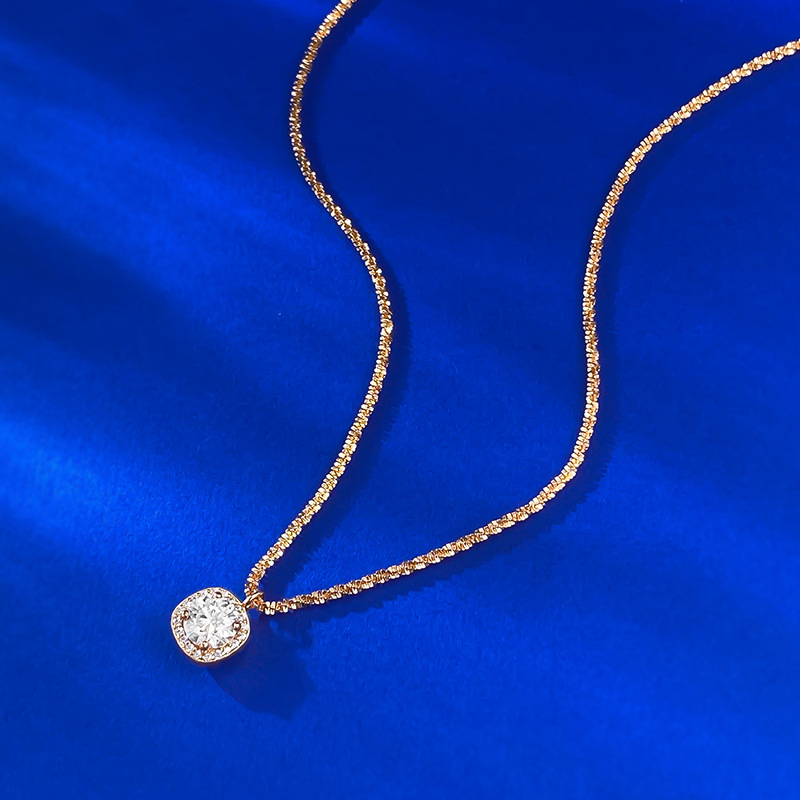
Jewelry Documentation Checklist Cost Breakdown for Smarter Buying
Buying jewelry feels easier when the paperwork is clear. A good Jewelry Documentation Checklist cost breakdown shows what you’re paying for before you commit to a ring, pendant, bracelet, or pair of earrings. The right records help confirm authenticity, support insurance, and make resale less stressful later.
For many shoppers, the Jewelry Documentation Checklist cost breakdown matters as much as metal type, diamond quality, or setting style. Good paperwork gives you proof of what you bought, who graded it, and how to care for it. That matters whether you’re choosing a natural diamond engagement ring, a lab-grown solitaire, or a fine jewelry piece with colored stones.
This guide breaks down the most common documents, what they usually cost, and which fees are often built into the retail price. You’ll also see how documentation can protect value over time, so you can compare pieces with a sharper eye.
Jewelry Documentation Checklist Cost Breakdown: What Buyers Need to Know
A useful Jewelry Documentation Checklist cost breakdown starts with one simple question: what proof should come with the piece? Documentation is more than a receipt. It connects the jewelry in your hand to the details you agreed to buy.
That matters for a few clear reasons:
- Authenticity: Paperwork helps show that the diamond, gemstone, or metal matches the seller’s description.
- Insurance: Many insurers ask for an appraisal, a receipt, and a full item description before they set coverage.
- Resale value: Buyers usually trust pieces with clear records more than undocumented jewelry.
- Ownership confidence: Good paperwork reduces confusion about carat weight, metal purity, stone count, and treatments.
GIA grading reports use consistent terminology for diamond quality, and IGI also follows a structured system for diamond and lab-Grown Diamond Reports. That consistency matters because it makes comparison shopping easier. It’s part of what you’re paying for.
The Jewelry Documentation Checklist cost breakdown also changes based on where the documents come from. Some records are included with the sale. Others, such as appraisals or premium reports, may cost extra.
What a Complete Jewelry Documentation Checklist Usually Includes
A complete jewelry documentation checklist cost breakdown usually starts with five core items: a grading report, receipt, appraisal, warranty details, and care instructions. Not every piece needs every document, but every valuable purchase should have enough paperwork to prove what was sold.
Core documents buyers should expect
1. Grading report or certification
This is common for diamonds, especially engagement rings and loose stones. It lists cut, color, clarity, carat weight, measurements, polish, symmetry, and fluorescence. If the stone is lab-grown, the report should say so clearly.
2. Purchase receipt or invoice
A receipt confirms the date, seller, style number, materials, and price. It also helps with returns, warranty claims, and insurance setup.
3. Appraisal
An appraisal gives an estimated replacement value. Many insurers ask for one on higher-value jewelry. It’s usually more detailed than a sales receipt.
4. Warranty or service policy
This explains what repairs, inspections, resizing, prong checks, or stone tightening are covered. It also helps you understand ownership costs after the sale.
5. Care instructions
Care notes cover cleaning, storage, and maintenance timing. They matter a lot for delicate settings, pavé designs, and gemstone jewelry.
Extra documents that still add value
Some pieces come with more paperwork, and that can make the jewelry documentation checklist cost breakdown stronger even if those items aren’t required:
- Laser inscription report
- Metal purity statement
- Gemstone origin report
- Treatment disclosure
- Independent third-party verification
For higher-value purchases, these extras can make comparison shopping easier. They also help if you decide to resell, upgrade, or insure the piece later.
What matters most by jewelry type
The right paperwork depends on what you’re buying.
- Engagement rings: A diamond grading report, receipt, and warranty are usually the most important.
- Loose diamonds: Certification matters most because there’s no setting to help identify the stone.
- Finished fine jewelry: Receipt, metal details, gemstone description, and care instructions are usually the minimum.
- Lab-grown diamond jewelry: The paperwork should clearly show origin, grading details, and matching item specs.
- Colored gemstone jewelry: Treatment disclosure and origin details can matter as much as the basic receipt.
If you’re comparing pieces, the jewelry documentation checklist cost breakdown should match the price point and the risk level of the item, not just the category.
Cost Breakdown by Jewelry Document Type
The biggest part of the jewelry documentation checklist cost breakdown is figuring out what’s included and what’s separate. Some retailers build most records into the price. Others charge extra for grading, appraisals, or specialty reports.
Here’s a practical breakdown of common documents and typical cost ranges. These vary based on carat weight, gemstone type, labor, and the lab or appraiser.
| Documentation type | Typical cost range | Common use | What affects price | Often bundled? |
|---|---|---|---|---|
| Sales receipt / invoice | $0 to included | All jewelry purchases | Retail policy, recordkeeping | Yes |
| Basic warranty card | $0 to included | Fine jewelry, engagement rings | Coverage length, service terms | Yes |
| Diamond grading report | $50 to $250+ | Loose diamonds, engagement rings | Lab, stone size, detail level | Sometimes |
| Premium certification | $100 to $500+ | Larger diamonds, higher-value pieces | Lab reputation, verification depth | Sometimes |
| Independent appraisal | $75 to $250+ for standard pieces; $250 to $500+ for complex items | Insurance and resale planning | Item complexity, stone count, replacement analysis | Usually no |
| Lab-grown diamond report | $50 to $200+ | Lab-grown diamond jewelry | Lab, carat size, matching details | Sometimes |
| Gemstone treatment/origin report | $75 to $300+ | Colored gemstone jewelry | Gem type, testing difficulty | Usually no |
| Metal purity statement | $0 to $50 | Gold, platinum, silver jewelry | Administrative cost, testing method | Sometimes |
| Resizing or service records | Often included with service | Rings and wearable fine jewelry | Service type, policy terms | Sometimes |
Receipt and invoice costs
A receipt usually costs nothing extra because it’s part of the sale. The best invoices list the item name, SKU or style number, metal type, center stone details, and the price paid. In a jewelry documentation checklist cost breakdown, the receipt is one of the simplest records, but it’s also one of the most useful.
If the invoice is vague, that’s a red flag. A line that says “diamond ring” is much weaker than one that lists:
- 14K white gold
- Round brilliant center diamond
- 1.02 carat, G color, VS2 clarity
- Setting style
- Item or order number
Diamond grading report costs
Diamond grading reports are one of the most common paid items in the jewelry documentation checklist cost breakdown. The price depends heavily on the lab and the diamond’s size.
A few common patterns:
- Smaller stones may have lower-cost reports or none at all.
- A 1.00 carat round diamond often brings a more detailed grading fee than a small melee stone.
- Reports from highly recognized labs may cost more because the evaluation is more detailed.
Why pay for it? Because grading reports give you a standard comparison point. GIA reports are widely respected since they provide a consistent framework for the 4Cs.
Lab-grown diamond certification costs
Lab-grown diamonds still need clear paperwork. A thoughtful jewelry documentation checklist cost breakdown should show whether the report identifies the stone as lab-grown and lists the exact attributes.
These reports often cost less than top-tier natural diamond certification, but the stone still needs clear identification. Buyers Should Expect:
- Carat weight
- Shape and measurements
- Color and clarity grades
- Growth method or lab-grown designation
- Matching report number, when available
Because lab-grown diamonds are priced differently from natural diamonds, accurate paperwork becomes part of fair comparison shopping. The stone may look similar on paper, but the details should be unmistakable.
Appraisal costs
An appraisal is one of the bigger items in the jewelry documentation checklist cost breakdown because it takes trained labor to inspect the piece, verify materials, and assign a replacement value.
Typical appraisal pricing depends on:
- Number of stones
- Setting complexity
- Antique or custom design
- Colored gemstones
- Whether a stone-by-stone description is needed
A simple ring appraisal may sit near the low end of the range. A multi-stone bracelet or custom designer piece usually costs more.
An appraisal is not the same as a grading report. A grading report judges quality. An appraisal estimates replacement value for insurance or estate planning.
Premium certification costs
Some shoppers pay more for premium certification because the issuing lab or report style has stronger market recognition. In the jewelry documentation checklist cost breakdown, this is where trust and resale confidence can justify a higher fee.
Premium certification may cost more when:
- The stone is large, often 1.00 carat and above
- The diamond has high color or clarity
- The piece is meant for an investment-minded buyer
- The retailer includes a more detailed report package
That extra cost can be worth it if you want stronger comparison value or plan to insure the item right away.
Warranty and service paperwork costs
Warranty paperwork is often included at no extra charge, but the coverage can still affect the retail price. Some brands build maintenance into the sale. Others charge for extended protection.
A solid warranty section in the jewelry documentation checklist cost breakdown should explain:
- What repairs are covered
- Whether inspections are required
- Whether resizing is included
- Whether prong maintenance or stone tightening is free
- Whether shipping or labor fees apply
If the warranty language is vague, ask for a clearer copy Before You Buy.
Care instructions and ownership records
Care instructions rarely show up as a separate fee, but they still matter. Good cleaning, storage, and service guidance protect the piece over time. In the broader jewelry documentation checklist cost breakdown, this is one of the lowest-cost items with one of the highest payoffs.
A useful care sheet should explain:
- Safe cleaning methods
- Which chemicals to avoid
- How often to inspect prongs or clasps
- Whether ultrasonic cleaning is safe
- How to store the piece
Typical Jewelry Documentation Cost Scenarios
The jewelry documentation checklist cost breakdown makes more sense when you see it in real buying situations.
Scenario 1: Loose natural diamond
A loose diamond often needs:
- Certification report
- Purchase receipt
- Optional appraisal if insurance is planned
Estimated documentation cost: $50 to $400+, depending on lab, size, and whether the appraisal is independent.
Scenario 2: Engagement ring with center diamond
A finished ring may include:
- Diamond grading report
- Receipt
- Warranty
- Care instructions
- Optional appraisal
Estimated documentation cost: $0 to $500+. Some retailers bundle most of it. Others separate the appraisal or certification.
Scenario 3: Lab-grown diamond ring
A lab-grown ring should include:
- Lab-grown diamond report
- Receipt
- Metal purity details
- Warranty and care instructions
- Optional appraisal
Estimated documentation cost: $0 to $300+, depending on whether the report and appraisal are bundled.
Scenario 4: Colored gemstone necklace
A necklace with sapphire, emerald, ruby, or another gemstone may need:
- Receipt
- Treatment disclosure
- Appraisal
- Care guidance
- Optional origin report
Estimated documentation cost: $75 to $500+, depending on the stone and whether lab testing is required.
How Documentation Adds Value to a Jewelry Purchase
A strong jewelry documentation checklist cost breakdown is about more than paperwork fees. It protects the money you spend.
Authenticity and buyer confidence
Good documentation cuts down on guesswork. A grading report or appraisal helps you compare similar pieces across retailers. That matters because two items can look alike online but differ in cut quality, metal purity, or stone size.
For example, a 1.00 carat diamond with clear documentation may justify a higher price than a visually similar stone with vague product details. Buyers often pay more for transparency because it lowers the risk of disappointment later.
Insurance and claims support
Insurance companies usually want proof of value. A receipt alone may not be enough for higher-value jewelry. An appraisal, grading report, and itemized description can make the claims process smoother.
That’s one reason the jewelry documentation checklist cost breakdown often includes appraisal cost as a key line item. The fee may feel optional at purchase, but it can save time and stress if you ever need to file a claim.
Better resale or upgrade value
If you plan to upgrade a diamond or sell the piece later, documentation matters. Buyers and trade-in programs usually prefer pieces with:
- Recognized lab reports
- Matching item descriptions
- Clear stone measurements
- Proof of purchase
- Clean service history
A documented diamond or fine jewelry piece is easier to market. It answers the buyer’s first question before they ask it.
Why documented pieces can cost more
Retailers often price documented jewelry higher because the paperwork adds labor, third-party fees, and trust. That extra cost can be worth it, especially for natural diamonds and higher-value lab-grown diamond pieces.
If a piece is much cheaper but has weak records, pause for a second. The discount may not make up for the risk.
What to Check Before You Buy
Before you finalize a purchase, use the jewelry documentation checklist cost breakdown as a comparison tool. Your goal is to confirm that the papers match the item exactly.
Verify the document matches the product
Check these details one by one:
- Carat weight
- Shape
- Color grade
- Clarity grade
- Metal type and purity
- Stone count
- Measurements
- Setting style
- Report or certificate number
If the paperwork says one thing and the listing says another, ask for clarification before checkout.
Review the return policy and warranty terms
A solid jewelry documentation checklist cost breakdown should always include the fine print.
Look for:
- Return window length
- Conditions for full refunds
- Restocking fees
- Resizing limits
- Service or inspection requirements
- Repair turnaround times
Those terms can change the real value of the purchase.
Compare document quality across retailers
Not all paperwork is equal. One retailer may offer a lower sticker price but weaker documentation. Another may look more expensive while including better certification and a stronger warranty.
Use this quick check:
- Does the report come from a recognized source?
- Are the item details complete and consistent?
- Is the appraisal recent and item-specific?
- Are the care instructions easy to follow?
- Does the warranty explain service coverage?
If you’re comparing engagement rings, browse our engagement rings and review the documentation on each listing. If you’re building a custom design, use our ring builder to pair the setting with the right stone records.
Ask for clear lab-grown diamond labeling
Lab-grown pieces deserve plain language. The documentation should state the diamond’s origin, grading details, and any report number. Buyers shouldn’t have to guess whether a stone is natural or lab-grown.
If a listing sounds unclear, ask Before You Buy. Transparency is part of value.
Compare paperwork, not just appearance
The smartest comparison is paperwork plus specs.
Two stones can share the same shape and carat weight but differ in:
- Cut precision
- Fluorescence
- Clarity characteristics
- Symmetry
- Third-party verification
That’s why the jewelry documentation checklist cost breakdown should sit beside the product price when you shop.
For broader browsing, browse our jewelry collection and compare documented pieces across styles and price points. If you want help choosing a stone, shop our diamonds and review the available reports.
Expert Tips for Evaluating Documentation Quality
A reliable jewelry documentation checklist cost breakdown should help you spot weak paperwork fast. Experts look for specificity, consistency, and recognized standards.
Signs of strong documentation
- Exact item description
- Clear measurements
- Matching report and receipt numbers
- Recognized lab or appraiser credentials
- No vague claims like “high quality” without grading detail
- Treatment disclosures where needed
Warning signs
- Missing report numbers
- Generic descriptions
- Conflicting stone counts or metal purity labels
- No appraisal on a high-value item
- No clear note on natural vs. lab-grown origin
- Broad wording instead of measurable specs
According to GIA and IGI best practices, professional jewelry records should leave very little room for confusion. If the paperwork is hard to read, incomplete, or inconsistent, the document quality is weak even if the jewelry looks great.
Where to lean on expert help
If you’re buying a significant piece, get expert support before you pay:
- Ask for a detailed product spec sheet
- Request a copy of the grading report
- Confirm insurance-friendly appraisal wording
- Compare the jewelry against lab standards
- Contact the retailer’s jewelry specialist for clarification
You can also contact our jewelry experts if you want help understanding document details before checkout.
Frequently Asked Questions About Jewelry Documentation Costs
What documents should be included in a jewelry documentation checklist?
A strong checklist usually includes a grading report, purchase receipt, appraisal, warranty information, and care instructions. For diamond jewelry, it should also list the stone details, metal type, and any certification numbers that match the item exactly. If the piece uses a lab-grown diamond or colored gemstone, the paperwork should also identify origin or treatment details when relevant.
How much does jewelry documentation usually cost?
Costs change based on the document type, the value of the jewelry, and whether the paperwork is bundled with the sale. A receipt may be free, while an independent appraisal or premium lab report can add a noticeable fee. In a jewelry documentation checklist cost breakdown, the biggest costs usually come from grading reports, specialty tests, and appraisals.
Is paying extra for jewelry documentation worth it?
Yes, especially for higher-value pieces, because documentation helps verify authenticity, supports insurance, and can improve resale confidence later. Many buyers think the extra cost is worth it when it protects both the money and the meaning behind the piece. It also makes comparison shopping much easier.
Do lab-grown diamonds need the same paperwork as natural diamonds?
They should still come with clear documentation that shows the diamond’s characteristics, grading details, and lab-grown origin if applicable. Buyers need that transparency so they can compare quality and understand exactly what they’re purchasing. The paperwork should match the listing and avoid any confusion about origin.
How can I tell if jewelry documentation is trustworthy before I buy?
Trustworthy paperwork should be specific, consistent with the product details, and issued by a recognized source when one is used. Look for matching stone characteristics, certification numbers, clear warranty terms, and no vague claims. If anything conflicts with the listing, ask for clarification Before You Buy.
Shop Documented Jewelry with Confidence
A smart jewelry documentation checklist cost breakdown helps you buy with clarity instead of guesswork. The right paperwork supports authenticity, insurance, resale value, and long-term confidence in the piece you choose.
Before You Buy, compare the documents as carefully as the setting, diamond, or metal. Better paperwork can justify a higher price if it gives you stronger protection and better resale confidence later. That’s especially true for engagement rings, loose stones, and lab-grown diamond pieces.
Ready to shop with confidence? Start with our documented diamond selection, compare finished styles in our jewelry collection, or get help from our jewelry experts Before You Buy.
Ready to Find Your Perfect Diamond?
Explore our collection of certified lab-grown diamonds
Shop Diamonds