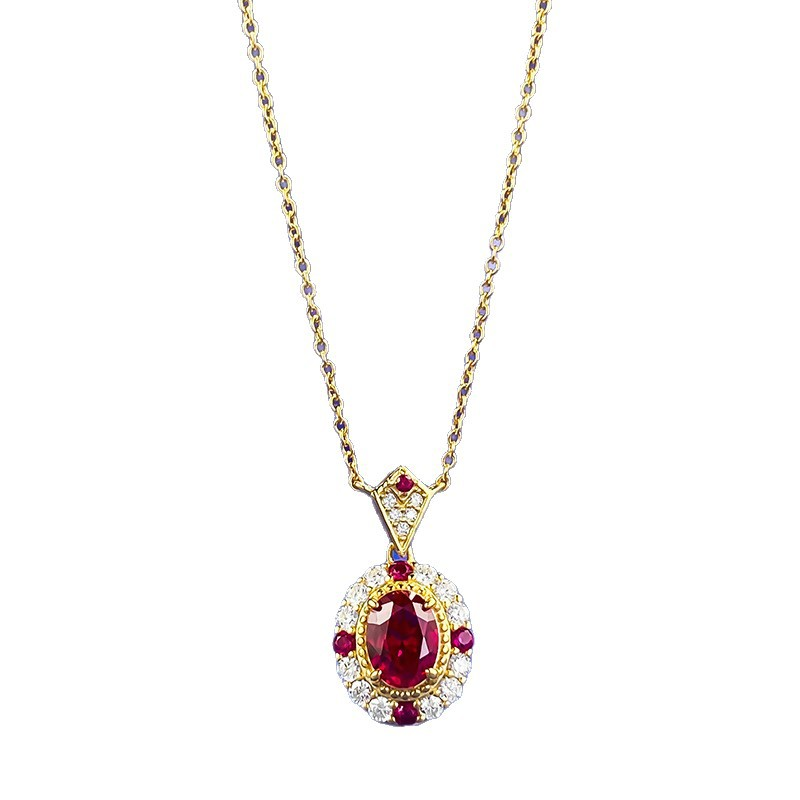
Jewelry Documentation Checklist Comparison Guide for Buyers
Keeping jewelry paperwork organized rarely feels urgent until something goes missing, needs repair, or has to be insured. A misplaced ring, a resizing request, or an insurance claim can turn a simple folder of records into the difference between fast resolution and a long delay. This Jewelry Documentation Checklist comparison guide breaks down two practical setups: a streamlined record set and a fuller file built for insurance, appraisal, resale, and repair.
The right choice depends on the piece, its value, and how likely you are to need proof later. A gift pendant and a custom engagement ring do not need the same level of documentation.
Jewelry Documentation Checklist Comparison Guide: What It Covers
A Jewelry Documentation Checklist is a system for storing the records tied to a piece of jewelry. The basics usually include a receipt, a grading report, photos, warranty terms, and any service records. For higher-value pieces, buyers often add an appraisal, metal and stone details, and proof of past repairs.
This Jewelry Documentation Checklist comparison guide compares two common setups: an essential checklist and a comprehensive one. The first is quick to build and easy to maintain. The second takes more effort, but it gives you stronger support for claims, resale, and appraisal work.
We used four criteria to compare each option:
- How much proof it contains
- How easy it is to build and maintain
- How useful it is for claims or disputes
- How well it supports resale and insurance
GIA says clear grading records help buyers identify a stone later, and many insurers ask for receipts, photos, and appraisal paperwork before they issue coverage or settle a claim. The most common regret from buyers is not saving the right papers the first time.
What Counts as Jewelry Documentation
A solid jewelry file can include more than one document. The right mix depends on the piece.
- Receipt or invoice
- Diamond certificate or grading report
- Appraisal
- Warranty terms
- Return policy
- Photos of the finished piece
- Repair or service receipts
For a small gift, the receipt and a photo may be enough. For an engagement ring or insured diamond jewelry, you usually want more than that. Saving the right proof now is easier than recreating it later.
For diamonds, the most useful details are the 4Cs and the exact measurements. Carat weight alone does not tell the whole story. Color, clarity, cut quality, and the stone's measurements affect appearance and value, and they help an appraiser or insurer match the item later. For mounted stones, it is also useful to note whether the diamond is round brilliant, oval, cushion, emerald cut, or another shape, since replacements are not always direct one-to-one comparisons.
Metal details matter too. White gold, yellow gold, rose gold, platinum, and sterling silver age differently and carry different service needs. A file should note the karat or purity, such as 14K, 18K, 950 platinum, or 925 silver. That makes resizing, polishing, soldering, and replacement work more straightforward if the item is ever serviced.
How We Compared the Two Checklists
This jewelry documentation checklist comparison guide focuses on the records buyers actually use. That means proof of ownership, proof of value, and proof of identity.
We also looked at how easy each version is to update after a resize, cleaning, or repair. A file that never changes loses value fast. A file that stays current remains useful.
We also considered how the checklist performs across different purchase levels. A ring under $500 does not justify the same documentation burden as a $5,000 engagement ring, but the structure should still be able to scale. That flexibility matters because many buyers upgrade later or add matching pieces over time.
Option A: Essential Jewelry Documentation Checklist
The essential checklist is the simple version. It keeps the most useful records in one place without turning paperwork into a chore. That makes it a good fit for gifts, everyday jewelry, and lower-priced pieces.
If you want a fast setup and basic proof of purchase, this option does the job. It will not cover every possible need, but it is easy to store and easy to update. For many buyers, that is enough.
What the Essential Checklist Includes
A basic jewelry record file usually includes:
- Invoice or receipt
- Certificate, if one was included
- One or two clear photos
- Purchase date
- Warranty terms or return notes
That set confirms the sale and helps identify the piece later. It can also help with simple service requests, like a clasp repair or prong check.
If you bought the piece online, add the order confirmation email and the shipping confirmation. If the seller offered a return window, keep the deadline visible in the file. Some buyers assume a return policy is obvious, then discover the store's timing starts on delivery, not purchase date.
Pros of the Essential Checklist
The biggest advantage is speed. You can build it in minutes, not hours.
- Quick to assemble
- Easy to store in a folder or cloud drive
- Low effort to maintain
- Works well for casual purchases
For lower-stakes items, this jewelry documentation checklist comparison guide shows that the basic version is often enough.
Cons of the Essential Checklist
The tradeoff is limited detail. If the piece is valuable, the file may not tell the full story.
- Weak support for insurance claims
- Limited help in appraisals or disputes
- May miss measurements or setting details
- Less useful for resale or trade-ins
A basic file proves you bought something. It may not prove what it is worth or how it should be replaced.
Option B: Comprehensive Jewelry Documentation Checklist
The comprehensive checklist is for buyers who want more protection. It goes beyond proof of purchase and captures details about the stone, setting, and value. That extra work can pay off later.
This is the better fit for engagement rings, wedding bands, custom pieces, high-value diamond jewelry, and lab-grown diamond jewelry. It also works well if you plan to insure the piece, upgrade it later, or pass it down.
A detailed file gives appraisers and insurers a clearer picture. GIA and IGI reports can support the record, but they do not replace an appraisal when replacement value matters.
What the Comprehensive Checklist Includes
A full jewelry file may include:
- Receipt or purchase invoice
- Diamond grading report or gemological report
- Appraisal with replacement value
- Care instructions
- Warranty terms
- Service and repair history
- Detailed photos from several angles
- Ring size
- Metal type
- Setting style
- SKU or model number
- Stone details like carat weight, color, clarity, cut, and measurements
- Provenance notes or custom design details when available
That level of detail makes future reference much easier. It also helps if you need to verify the piece years from now.
For diamond jewelry, it helps to note the lab that issued the report. GIA and IGI are the most commonly recognized grading labs, while some retailers also provide in-house documentation. A buyer should know whether the report is a full grading report or just a sales certificate, because those are not the same thing when you are trying to compare stones, file a claim, or negotiate a resale price.
Setting details matter just as much as the center stone. A prong setting may be easier to resize and inspect, but it can require more frequent maintenance if the prongs catch or bend. A bezel can offer better protection for the stone edge, but it changes the look and may affect how large the diamond appears. Halo and pavé settings add sparkle, but they also add more small stones that need to be documented and maintained.
Pros of the Comprehensive Checklist
The main benefit is protection. A complete file can reduce friction if you need to file a claim, request service, or prepare for resale.
- Better for insured jewelry
- Stronger support for appraisals
- Helpful for trade-ins and upgrades
- More useful in resale settings
Many buyers wish they had saved the appraisal and photos together from day one. The comprehensive route helps prevent that problem.
Cons of the Comprehensive Checklist
The downside is the extra effort. You may need to collect papers from the retailer, appraiser, or lab.
- More documents to gather
- Needs updates after repairs or resizing
- Can feel like too much for simple gifts
- Requires organization to stay useful
For a budget-friendly pendant, this can be more record-keeping than the piece needs.
Side-by-Side Comparison of the Two Checklists
A jewelry documentation checklist comparison guide works best when the differences are easy to scan. Here is the plain-English version.
| Criteria | Essential Checklist | Comprehensive Checklist | Winner |
|---|---|---|---|
| Documents included | Receipt, photo, warranty notes | Receipt, report, appraisal, photos, service history, measurements | Comprehensive |
| Proof of value | Limited | Strong | Comprehensive |
| Setup time | Fast | Slower | Essential |
| Ease of maintenance | Very easy | Moderate | Essential |
| Insurance readiness | Basic | Strong | Comprehensive |
| Resale support | Limited | Strong | Comprehensive |
| Gift suitability | Excellent | Good | Essential |
| Appraisal support | Weak to moderate | Strong | Comprehensive |
| Claim preparedness | Basic | Strong | Comprehensive |
| Best for | Simple purchases | High-value or insured jewelry | Depends on need |
The pattern is clear. The essential checklist wins on speed and ease. The comprehensive checklist wins on protection and long-term usefulness.
What Matters Most in the Comparison
Three things matter most in any jewelry file:
- How much proof it holds
- How clearly it shows ownership and value
- How useful it is for insurance, appraisal, gifting, and resale
A short file is easier to manage. A fuller file is easier to defend.
Where Each Option Fits Best
The essential checklist fits simple purchases and gifts. The comprehensive one fits premium jewelry, custom work, and insured pieces.
If the item is likely to stay in your jewelry box forever, basic records may be enough. If you may insure, trade in, or resell it, the larger file is the safer bet.
What Buyers Should Record Before Purchase
The best time to build a documentation file is before the order is complete. After the sale, some details become harder to recover, especially if the seller changes product pages or deletes custom notes. A strong file starts with buying decisions that are easy to verify later.
Diamond Specs Worth Saving
If the piece includes a diamond, save the full set of stone details rather than just the carat weight. The most useful fields are cut, color, clarity, carat weight, measurements, fluorescence, and shape. For fancy shapes, note whether the stone has a pointed tip, clipped corners, or a modified cut description, because that affects replacement and resale comparisons.
For buyers comparing diamonds, cut quality usually affects brilliance more than many people expect. A well-cut smaller stone can look better than a larger stone with weak proportions. If the retailer provides proportions, polish, symmetry, and depth/table percentages, keep those in the file too. These details can support future comparisons if you later upgrade or want a second opinion.
Metal Choice and Wear Considerations
Metal choice affects more than appearance. It influences durability, maintenance, and even how often a ring needs attention. Platinum is dense and durable, but it can show surface patina and usually costs more than gold. 14K gold is often a practical middle ground because it balances durability and price. 18K gold has a richer color and higher gold content, but it is softer than 14K and may scratch a bit more easily in daily wear.
Rose gold can be a good option for buyers who want a warmer tone and slightly more forgiving everyday look, while white gold usually needs periodic rhodium plating to keep a bright white finish. If the ring is meant for everyday use, note the metal because that helps you anticipate maintenance costs and servicing intervals.
Typical pricing also matters when deciding how detailed the file should be. Many simple gold or silver pieces fall under $500 and may only need basic documentation. Engagement rings and diamond jewelry often fall between $1,000 and $5,000 or more, and that is the range where an appraisal, lab report, and photo record start to matter much more. Custom designs and larger center stones can move well beyond that, which is why a complete file becomes more valuable as the purchase price rises.
Setting, Sizing, and Fit Notes
Setting style should be documented because it affects both appearance and maintenance. A solitaire is simpler to service than a halo or pavé ring. A cathedral setting lifts the center stone and can make the piece feel more substantial, but the higher profile may catch more easily. If you are choosing between a low-profile bezel and a prong setting, note the tradeoff between protection and light return.
Ring size belongs in the file because resizing can affect warranty coverage, resale value, and structural integrity. Some rings resize cleanly. Others, especially those with eternity bands, pavé shoulders, or intricate patterns, can be more difficult or expensive to adjust. If the piece is intended as a surprise gift, document the initial fit and any resizing date once the correct size is confirmed.
Shipping, Returns, and Receipt Details
Shipping and return terms are part of the documentation file because they can matter within days of the purchase. Keep the delivery confirmation, carrier tracking number, and the packing slip if one was included. For expensive items, note whether the package required signature confirmation or special insurance during transit. If the jeweler offers a return period, record the last day to return, any restocking fees, and whether the original packaging must be included.
This is especially important for online purchases. A buyer may remember the purchase price but forget the return conditions. That mistake can be costly if the piece arrives with a color issue, sizing mismatch, or setting preference that no longer works.
Common Mistakes Buyers Make
Most documentation problems come from small omissions rather than major failures. The files are incomplete because a buyer assumed one document would be enough.
- Saving the receipt but not the grading report
- Keeping an appraisal that is outdated after resizing or stone replacement
- Forgetting to photograph the piece from multiple angles
- Not recording the ring size after a resize
- Mixing up lab-grown and natural diamond paperwork
- Storing warranty terms separately from the item record
- Failing to keep service receipts for prong tightening, polishing, or stone replacement
One of the biggest mistakes is treating a certificate and an appraisal as interchangeable. A grading report describes the stone's characteristics. An appraisal estimates value for replacement or insurance. Those are different functions, and both can matter.
Another common issue is waiting too long to update the file after repairs. If a stone is reset, a clasp is replaced, or a ring is resized, the paperwork should reflect the new condition. Otherwise the file no longer matches the piece in hand.
How to Keep the File Useful Over Time
The best documentation system is the one you will actually maintain. That means creating a repeatable habit for updates instead of building a perfect folder once and never touching it again.
Set a rule to add records after any service appointment. If a jeweler cleans, polishes, or inspects the piece, save the work order. If a stone is tightened or replaced, keep a copy of the note and any before-and-after photos. If the piece is sent out for repair, store the shipping receipt and tracking number with the repair invoice.
Digital storage helps because it is easier to search and back up than paper alone. A cloud folder with subfolders for receipts, reports, appraisals, and photos works well. Paper copies are still useful, especially for insurance, but the digital set keeps you from losing everything in one place. The goal is redundancy, not overcomplication.
If you buy multiple pieces from the same retailer, use one folder per item and include the SKU or style number in the file name. That makes it easier to sort through similar-looking items later. It also helps if you sell one piece and keep another. Good organization prevents accidental mix-ups, which are surprisingly common when buyers own several nearly identical rings or necklaces.
Jewelry Documentation Checklist Comparison Guide: Our Recommendation
For most StoneBridge Jewelry customers, the comprehensive checklist is the better choice. It gives you stronger support for insurance, appraisal, and resale, especially for engagement rings, wedding bands, and lab-grown diamond jewelry.
Buyers who keep their paperwork from the start have fewer problems later. That matters when a jeweler, insurer, or appraiser asks for exact details. A report plus a receipt helps, but a full record helps more.
Data supports that approach too. GIA and IGI reports document the stone, while insurers often want an appraisal and photos to confirm replacement value. One document rarely does the whole job.
Editorial Verdict
The winner is the comprehensive checklist.
It offers better claim readiness, stronger appraisal support, and more value for important pieces. The essential version still works for gifts and low-cost items, but the full file is the smarter long-term choice.
Shop Pieces That Benefit from Full Documentation
Shop the collections most likely to benefit from a complete record set:
- Browse our engagement rings for certified center stones and custom settings
- Shop lab-grown diamonds for buyers who want clear reports and records
- Explore our jewelry collection for earrings, necklaces, and gift-ready pieces
- Build a custom ring if you want a detailed design record
- Contact our jewelry experts if you need help choosing documents for insurance or appraisal
If your purchase may be insured, appraised, or customized, start with the comprehensive checklist and keep every key document together.
FAQ
What documents should I keep for an engagement ring documentation file?
Keep the receipt, diamond certificate or grading report, appraisal, clear photos, and warranty details. If the ring is insured, add the policy information and any repair records. This gives you a stronger jewelry documentation checklist comparison guide for ownership, claims, and future upgrades.
Is a diamond certificate enough for jewelry insurance?
Usually not. A certificate identifies the stone, but insurers often want an appraisal, receipt, and photos to confirm replacement value and the exact item. If the ring is expensive, keep all of those records together in your jewelry file.
How do I compare a basic jewelry checklist with a comprehensive one?
Start with three questions: how much proof does it hold, how easy is it to maintain, and how well does it support insurance or resale? The basic version is faster and simpler. The comprehensive version gives you better protection and more detail if something goes wrong.
What paperwork should I save for lab-grown diamond jewelry?
Save the invoice, lab report, appraisal if you have one, and detailed photos of the finished piece. It also helps to keep retailer disclosures and warranty terms in the same folder. That record makes insurance, upgrades, and resale much easier later.
Do I still need an appraisal if I already have a grading report?
Yes, in many cases you do. A grading report describes the stone, while an appraisal puts a replacement value on the piece. If you want stronger insurance support, keep both documents with the rest of your jewelry records.
How often should I update my jewelry file?
Update it any time something material changes: resizing, cleaning that involves work, prong tightening, stone replacement, or a new appraisal. For insured pieces, it is also smart to review the file after a policy renewal so the paperwork and coverage stay aligned.
What should I do if I lost the original receipt?
Ask the retailer for a duplicate invoice or proof of purchase, then save the order confirmation, payment record, and any shipment tracking you still have. If the piece is high value, an appraiser can often help rebuild the record using the stone details, hallmarks, measurements, and current condition.
Does the checklist change for earrings, necklaces, or bracelets?
The core logic stays the same, but the details change. For earrings, note the matching pair, total carat weight, and back type. For necklaces and bracelets, record chain length, clasp style, stone count, and any adjustable links. Those details are useful if a piece needs repair or replacement later.
Ready to Find Your Perfect Diamond?
Explore our collection of certified lab-grown diamonds
Shop Diamonds