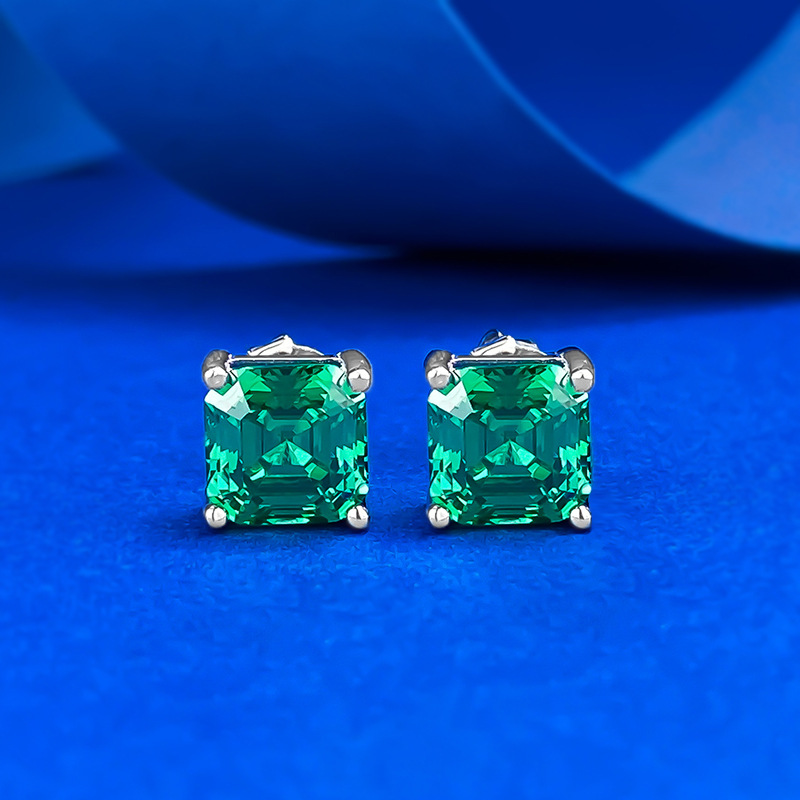
How to Clean Hoop Earrings Without Loosening Clasps
Hoop earrings collect more than a little dust. Skin oils, sunscreen, lotion, perfume, shampoo residue, and hair products can settle along the inner curve, hinge, clasp, and post. The trick is knowing how to clean hoop earrings without loosening the tiny parts that keep them secure.
A safe cleaning routine protects shine and function. You want bright metal, a crisp click, a straight post, and a hinge that still feels steady. That matters even more for diamond hoops, huggie earrings, pavé settings, and fine jewelry you wear often.
At StoneBridge Jewelry, we've found that most cleaning damage doesn't come from mild soap. It comes from pulling, twisting, scrubbing too hard, or storing earrings before they're fully dry. Use the steps below to clean hoop earrings without loosening clasps, hinges, posts, or stones.
Why Safe Hoop Earring Cleaning Matters
Hoop earrings sit close to skin, hair, and cosmetics, so buildup is normal. A pair worn three or four times a week can collect residue near the latch before it looks dirty from the front. Small hoops and huggie earrings are especially prone to hidden buildup because the closures sit close to the earlobe.
The problem isn't only dull shine. Rough cleaning can bend a post, weaken clasp tension, stress a hinge, or move a tiny prong. Even a small alignment change can make a secure earring feel loose.
Learning to clean hoop earrings without loosening them is practical jewelry care. A gentle routine helps preserve:
- Secure clasp tension
- Comfortable everyday fit
- Stone stability in pavé, channel, or prong settings
- Smooth hinge movement
- Metal polish and long-term wearability
Different earring styles have different weak points. Stud earrings need care around the post. Drop earrings and dangle earrings need support around links and jump rings. Hoop earrings need extra care around hinges, latch backs, click-top closures, endless wires, and compact huggie mechanisms.
The safest habit is simple: soften residue first, lift it away with light pressure, dry every moving part, and check that the earring closes the way it did before cleaning.
How Hoop Earrings Get Dirty and Loose
Everyday buildup comes from several sources. Natural skin oils coat the inner curve. Sunscreen and moisturizer settle near posts. Perfume and hairspray leave a fine film on metal and stones. Sweat, makeup, dust, and humidity can collect around hinges and latches.
Diamond Hoop Earrings can dull quickly when oil coats the stones. GIA explains that diamond brilliance depends on light return, and diamond has a refractive index of about 2.42. Even a well-cut diamond can look muted when residue blocks light at the surface.
Loosening usually comes from mechanical stress. Mild soap and lukewarm water are not the main risk when used correctly. Tugging, twisting, hard brushing, long soaking, and opening hoops too far cause more trouble.
A hoop closure depends on alignment. If the post no longer meets the catch at the right angle, the click may weaken. If a hinge gets forced open, it may wobble. If pavé beads are scrubbed with pressure, a tiny stone can shift.
Watch for these warning signs:
- The clasp no longer snaps firmly.
- The hinge opens too freely or feels wobbly.
- The post bends up, down, or sideways.
- The click closure feels soft.
- A charm pulls at its connector ring.
- A stone rattles, shifts, or catches fabric.
You don't need a visibly bent hoop to have a problem. A tiny gap at the closure can be enough to make an earring less secure.
Know the Parts Before You Clean Hoop Earrings Without Loosening Them
Before you clean hoop earrings without loosening them, take a close look at the design. A plain tube hoop has fewer sensitive areas than a diamond pavé huggie or a charm hoop with moving parts.
Key parts include:
- Hinge: The joint that lets a hinged hoop open and close.
- Latch: The catch that receives the post or wire.
- Post: The straight or curved wire that passes through the ear.
- Wire: The slender part used in endless hoops or wire hoops.
- Tube: The rounded body of many hoops, often hollow or semi-hollow.
- Pavé setting: Small stones held by tiny beads or shared prongs.
- Channel setting: Stones held between two metal walls.
- Charm connector: A jump ring or link that holds a drop accent.
Huggie earrings need extra patience. Their clasp areas are compact, and they often hold moisture after cleaning. If you wear them daily, wipe them often and let them dry longer after a deeper clean.
Closure Types and Cleaning Risks
The closure tells you where to be careful. Use this chart before you clean hoop earrings without loosening the mechanism.
| Closure type | How it works | Main risk | Safer handling tip |
|---|---|---|---|
| Latch-back hoop | Post clicks into a rear catch | Bent post or weak catch | Open only to the normal wearing angle |
| Hinged hoop | Hoop opens from a hinge and clicks shut | Wobbly hinge | Brush around the hinge, not into it |
| Click-top hoop | Top section snaps into place | Sideways pressure | Hold the hoop steady while cleaning |
| Endless hoop | Thin wire slips into the tube | Warped wire | Never pull the wire wide open |
| Huggie hoop | Small hinged hoop hugs the lobe | Trapped moisture | Dry with the clasp open |
Don't guess how a hoop opens. Pulling in the wrong direction can create the looseness you're trying to avoid.
Diamond and Gemstone Details
Diamond hoops need light pressure around the stones. GIA grades diamonds by the 4Cs: cut, color, clarity, and carat weight. Those grades describe the diamond, but they don't make the setting immune to damage.
Diamond ranks 10 on the Mohs hardness scale, yet gold prongs, pavé beads, hinges, and clasps can still bend. Many pavé accent stones are about 0.8 mm to 1.5 mm, so a small bead or prong does a lot of work. Treat those areas gently.
Before washing, tap the earring lightly over a soft towel. If you hear rattling, see a stone move, or feel a snag on fabric, skip the at-home clean and contact a jeweler.
Supplies for Cleaning Hoop Earrings Safely
You don't need harsh products to clean hoop earrings without loosening them. You need soft tools, mild soap, and control.
Use these supplies:
- Small bowl
- Lukewarm water
- Mild dish soap
- Soft microfiber cloth
- Soft baby toothbrush or jewelry brush
- Lint-free drying cloth
- Clean towel for the work surface
- Optional rubber-tipped jewelry tool
Lukewarm water is safer than hot water. Heat can affect some finishes, adhesives, enamel, pearls, and plated jewelry. Mild dish soap helps loosen oils without the grit of toothpaste or baking soda.
Set up over a towel or a plugged sink. Wet huggies can slip from your fingers fast. Work with one earring at a time so you can compare the closure feel before and after cleaning.
If your hoops are solid 14k or 18k gold with diamonds, a short mild soap cleaning is usually safe. If they're gold-plated, vermeil, pearl-accented, opal-set, enamel, or costume jewelry, start with a damp cloth and avoid soaking unless a jeweler confirms the piece can handle water.
Avoid these products unless a qualified jeweler recommends them for your exact earrings:
- Toothpaste
- Baking soda paste
- Bleach
- Acetone
- Abrasive polishing pads
- Harsh silver dips on pieces with stones
- Ammonia-heavy cleaners on delicate or mixed-material earrings
Ultrasonic cleaners also need caution. The vibration can help remove dirt, but it can worsen loose stones, pavé issues, weak hinges, and fragile settings. If you want to clean hoop earrings without loosening stones further, ask a jeweler before using one.
Step-by-Step: Clean Hoop Earrings Without Loosening Parts
Use a short, gentle process. Inspect first, soften residue, brush lightly, rinse with care, dry fully, and test the closure only after the earrings are dry.
- Prepare your space. Lay down a towel, plug the sink, and fill a small bowl with lukewarm water.
- Add soap. Use one or two drops of mild dish soap and swirl gently.
- Inspect first. Check shape, hinge movement, clasp tension, post alignment, and stone security.
- Soak briefly. Place one earring in the bowl for 2 to 5 minutes, not overnight.
- Support the hoop. Hold the body of the hoop, not the post, hinge, or charm.
- Brush lightly. Use a soft brush with pressure so light the bristles barely bend.
- Protect moving parts. Open the clasp only as far as you would to put the earring on.
- Rinse gently. Use clean lukewarm water or a second bowl of water.
- Pat dry. Use a lint-free cloth, then air dry with the clasp open.
- Test once. After drying, check for a secure click without squeezing or forcing the clasp.
If the clasp feels weak before cleaning, stop. Washing won't fix a loose closure. A jeweler can often adjust a latch or inspect a hinge more safely than a DIY repair.
This method works because mild soap does the heavy lifting. You're not forcing dirt out. You're loosening residue, lifting it away, and keeping pressure away from fragile areas.
Inspect Before Washing
Open and close each earring the same way you would before wearing it. One or two gentle checks are enough. Repeated testing can stress the same parts you're trying to protect.
Look for an even hoop shape, smooth hinge movement, a firm click, a straight post, no gaps at the closure, and no rattling stones. For diamond hoops, take a quick phone photo before cleaning. It helps you spot small changes afterward.
Soak Briefly and Brush Lightly
A 2 to 5 minute soak is enough for most residue. Long soaking can be risky for hollow hoops, huggies, plated finishes, glued accents, and mixed materials.
Brush away from the hinge and clasp rather than into them. Use small circles on smooth metal and short, soft strokes around stones. If buildup remains in a corner, dab with a damp microfiber cloth or use a rubber-tipped tool. Don't scrape.
The safest way to clean hoop earrings without loosening them is to repeat a gentle pass, not increase pressure.
Rinse, Dry, and Check the Click
Rinse with clean lukewarm water. Avoid a hard stream aimed at hinges, hollow tubes, or latches. A second bowl of clean water works well for delicate pieces.
Pat dry, then leave the earrings open on a clean towel until every part is dry. Don't store hoops in a pouch or box while damp. Moisture can sit near the clasp and make the closure feel sticky or unreliable.
Once dry, test the closure once. If the click feels soft, uneven, or loose, set the earrings aside and contact a jeweler.
Care Tips by Earring Style
A good cleaning routine changes with the design. The way you clean hoop earrings without loosening them differs from how you clean stud earrings, diamond studs, drop earrings, dangle earrings, and huggie earrings.
| Earring style | Main buildup area | Main pressure risk | Best adjustment |
|---|---|---|---|
| Hoop earrings | Inner curve, hinge, clasp | Bent post or weak closure | Support the hoop and brush away from moving parts |
| Huggie earrings | Compact hinge and clasp | Trapped moisture | Short soak, longer drying time |
| Stud earrings | Post and backing | Bent post | Hold by the setting, not the post |
| Diamond studs | Behind the stone | Snagged prong | Clean behind the stone with light strokes |
| Drop earrings | Connector and drop joint | Pulled jump ring | Support the drop while brushing |
| Dangle earrings | Links and chains | Twisted connectors | Lay flat and clean section by section |
Our customers often ask why a pair of huggies feels different after cleaning. Most of the time, the issue is trapped moisture, old residue that shifted, or a closure that was already slightly out of alignment. Let the earrings dry fully before judging the click.
If you're comparing everyday styles, review the closure Before You Buy. You can browse fine jewelry styles at /jewelry to compare hoops, studs, and drops by setting type and silhouette. For diamond pieces, shop lab-grown diamonds at /diamonds and note how setting style can affect care.
Common Mistakes That Loosen Hoop Earrings
Many people loosen hoops while trying to make them spotless. The biggest mistake is pulling the hoop open too far. A latch-back or hinged hoop is made to open to a normal wearing angle, not a wide cleaning angle.
Another mistake is scrubbing the hinge. Dirt hides there, so it's tempting to push harder. Use a damp cloth and light brush strokes around the joint instead.
Avoid these habits if you want to clean hoop earrings without loosening them:
- Pulling the hoop wide open to reach buildup
- Twisting one side against the other
- Scrubbing the hinge or latch with firm pressure
- Soaking earrings overnight
- Using toothpaste, baking soda, bleach, or acetone
- Wearing earrings while they're still damp
- Storing hoops tangled with chains, drops, or dangles
- Squeezing a loose clasp to fix it at home
Twisting is especially risky because hoop closures depend on clean alignment. If the post misses the catch by even a little, the click can feel weak. The metal may still look fine.
Fine jewelry worn often deserves routine checks. For daily-wear hoops, diamond hoops, and huggie earrings, schedule a professional inspection every 6 to 12 months. Go sooner if the clasp changes, a stone rattles, or the hinge feels loose.
Need a second opinion before cleaning a delicate pair? Contact our jewelry experts at /contact before using stronger products or tools.
How Often Should You Clean Hoop Earrings Without Loosening Them?
Cleaning frequency depends on wear, skin type, climate, and product exposure. For daily hoops, wipe them with a microfiber cloth after each wear. Do a gentle soap-and-water clean every few weeks if the materials can handle water.
For occasional earrings, wipe after wearing and clean before storage if you used sunscreen, hairspray, or perfume. For diamond hoops, a light clean can restore sparkle fast because oil film blocks light. For huggies, focus on the clasp area and give them extra drying time.
Use this schedule:
- After each wear: Wipe with a dry microfiber cloth.
- Weekly for frequent wear: Check clasp snap, hinge feel, and post alignment.
- Every few weeks: Use a mild soap-and-water clean if safe for the materials.
- Every 6 to 12 months: Schedule a jeweler inspection for frequently worn fine jewelry.
- Before travel: Confirm closures are secure and pack earrings separately.
Storage matters too. Keep hoop earrings in separate compartments or soft pouches. Close clasps before storage so posts don't catch on fabric or other jewelry.
Apply perfume, hairspray, lotion, and sunscreen before putting earrings on. Let products dry first. That one habit reduces buildup and helps you clean hoop earrings without loosening the same pair so often.
Quick Recap for Safer Hoop Earring Care
The safest way to clean hoop earrings without loosening them is to treat each pair as jewelry and as a small working mechanism. Inspect first. Use lukewarm water and mild soap. Brush gently. Keep pressure away from hinges, clasps, posts, and settings.
Rinse with care, dry fully, and test the closure only after the earrings are dry. If a hoop already feels loose, don't try to fix it through cleaning. Pause and let a jeweler inspect it before the earring bends further or a stone is lost.
Care should also guide your next purchase. Look at closure type, metal, setting style, stone layout, and how often you'll wear the earrings. You can read more jewelry care advice on our blog at /blog or connect with StoneBridge Jewelry before choosing a new everyday pair.
FAQ
How do I clean hoop earrings without loosening the clasp?
Use lukewarm water, mild soap, and a soft brush while holding the body of the hoop. Open the clasp only as far as you would for normal wear, and don't scrub directly into the hinge or catch. Rinse gently, then let the earrings air dry with the clasp open. Test the click once the metal is fully dry.
Can I soak diamond hoop earrings like diamond studs?
A short soak can work for both Diamond Hoop Earrings and diamond studs if the settings are secure. Hoops need extra caution because they have hinges, posts, and clasps that studs usually don't. Keep the soak to 2 to 5 minutes and avoid harsh cleaners. If a stone moves or rattles, skip the soak and ask a jeweler to inspect it.
Why do my huggie earrings feel loose after cleaning?
Huggie earrings can feel loose if moisture remains in the hinge, residue shifted inside the clasp, or the closure was already slightly misaligned. Let them dry on a towel with the clasp open before testing the click. Don't squeeze the clasp tighter with your fingers. If the click still feels weak, a jeweler can check the hinge and catch.
Is an ultrasonic cleaner safe for hoop earrings?
Ultrasonic cleaners can be safe for some solid metal and diamond jewelry, but they are not a safe default for hoops. Vibration can worsen loose pavé stones, delicate hinges, worn prongs, and fragile clasps. Avoid ultrasonic cleaning for pearls, enamel, glued accents, plated finishes, or unknown gemstones. Ask a jeweler before using one on diamond hoops or huggie earrings.
How often should I clean hoop earrings if I wear them daily?
Wipe daily hoop earrings with a soft microfiber cloth after each wear. If the materials are water-safe, clean them with mild soap and lukewarm water every few weeks. Check the clasp, hinge, and post weekly for any change in feel. For fine jewelry worn often, book a professional inspection every 6 to 12 months.
Ready to Find Your Perfect Diamond?
Explore our collection of certified lab-grown diamonds
Shop Diamonds