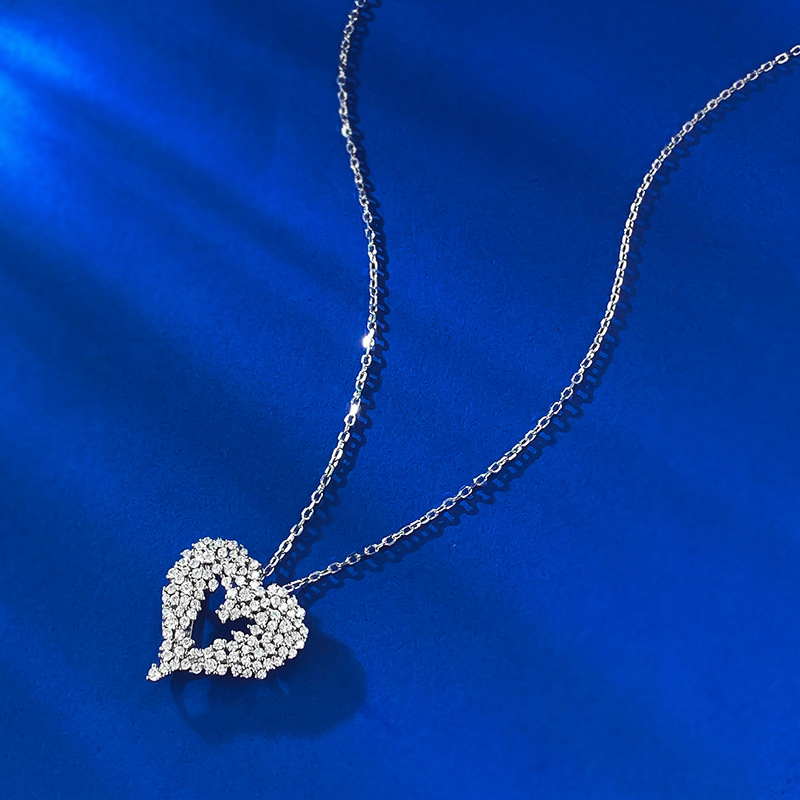
How to Choose an Ethical Diamond Tennis Necklace
An ethical Diamond Tennis Necklace should give you more than a bright line of diamonds. It should give you clear answers about origin, quality, craftsmanship, and care. A tennis necklace is built from many small settings, links, and stones, so one weak detail can affect how the whole piece wears.
The style itself is easy to love. A continuous diamond necklace feels polished with a dress, sharp with a blazer, and quietly luxurious with a simple shirt. The harder question is simple: how do you know the necklace matches your values and will still feel secure years from now?
Start by looking beyond size. The best ethical Diamond Tennis Necklace is not always the largest necklace in the case. It is the one with traceable diamonds, well-matched stones, sturdy metal, a secure clasp, and a jeweler who explains the details clearly.
What Makes a Diamond Tennis Necklace Ethical?
Ethical jewelry starts with honest disclosure. A seller should state whether the diamonds are lab-grown, natural, treated, or simulated. They should also explain metal purity, diamond quality, return terms, warranty support, and care expectations.
For many shoppers, lab-grown diamonds make the search simpler. The Gemological Institute of America, or GIA, states that laboratory-grown diamonds have the same chemical composition and crystal structure as natural diamonds. They are real diamonds, not cubic zirconia or glass. Their origin is different because they form in controlled growth environments instead of underground.
That origin can make a lab-grown Diamond Tennis Necklace easier to trace. It also avoids the land disturbance tied to diamond mining. Ethics include more than origin, though. Energy practices, metal sourcing, packaging, repair options, and clear product descriptions all shape the full story.
A responsible seller should avoid vague claims. Words like conflict-free or sustainable only help when the brand explains what they mean. Ask for direct information about diamond origin, grading standards, metal type, and service policies Before You Buy an ethical diamond tennis necklace.
Lab-Grown vs. Mined Diamonds
Lab-grown and mined diamonds share the same basic properties. Both can be graded for cut, color, clarity, and carat weight. Both can show strong fire and brilliance when they are cut well.
The main difference is origin. Mined diamonds form naturally over long periods deep within the earth. Lab-grown diamonds form through methods such as Chemical Vapor Deposition, often called CVD, or High Pressure High Temperature growth, known as HPHT.
GIA notes that trained gemologists often need specialized instruments to identify growth origin. Shoppers should not rely on photos alone. The product page and documentation should clearly say whether the diamonds are laboratory-grown or mined.
A lab-grown ethical diamond tennis necklace can offer more size flexibility for the budget. It can also make origin easier to explain. Quality still varies, so compare cut consistency, color range, clarity range, and stone matching before choosing.
Ethical Diamond Tennis Necklace Buying Checklist
A tennis necklace is a high-contact piece. It rests against the skin, moves with the neck, and depends on many small components. Beauty, ethics, and engineering all need to work together.
Use this Checklist Before You Buy:
- Confirm whether the diamonds are lab-grown, natural with documented sourcing, or otherwise traceable.
- Review the stated color, clarity, cut information, and total carat weight.
- Compare stone matching, not just the largest carat number.
- Check the setting style, link flexibility, clasp type, and safety features.
- Review the metal type, such as 14k gold, 18k gold, platinum, or recycled gold where available.
- Read the return policy, warranty, repair support, and inspection guidance.
Customers tend to feel most confident when they can compare these details side by side. A necklace with slightly lower total carat weight but better matching and a stronger clasp may be the better long-term choice.
Step 1: Confirm Origin and Disclosure
Begin with the product description. Does it plainly say lab-grown diamond, natural diamond, or another material? If the wording feels unclear, ask the jeweler before you pay.
A trustworthy retailer should answer without hesitation. For an ethical diamond tennis necklace, disclosure should appear on the product page, in supporting documents, and in customer service replies. If a seller avoids direct answers, keep comparing.
Look for specific sourcing language. A mined diamond necklace should include more than a broad conflict-free claim. A lab-grown diamond necklace should clearly identify laboratory-grown origin and provide quality details.
Also ask whether any diamonds are treated or enhanced. Treatments are not automatically wrong, but they should be disclosed because they can affect price, care, and comparison shopping. For example, a color-treated diamond necklace should not be priced or described the same way as an untreated diamond necklace of similar size.
Step 2: Review Diamond Quality and Certification
Diamond quality affects sparkle, price, and long-term satisfaction. Cut has the biggest effect on brilliance because it controls how light moves through each stone. Color grades usually run from D to Z, with D, E, and F considered colorless. G through J often gives buyers a strong near-colorless look at a better value.
Clarity grades describe internal and external characteristics. VS and SI ranges are common in fine jewelry, depending on visibility and matching. In a tennis necklace, the diamonds should look consistent across the entire line.
Certification depends on stone size and design. Larger diamonds may come with reports from GIA or IGI. Many tennis necklaces use smaller diamonds that are not graded one by one, so the retailer should list a clear quality range.
Do not judge by total carat weight alone. A 10-carat total weight necklace with uneven diamonds can look less refined than a smaller necklace with cleaner matching. For an ethical diamond tennis necklace, balance matters more than a single impressive number.
For round diamonds in a tennis necklace, ask whether the stones are full-cut diamonds or single-cut diamonds. Full-cut round diamonds usually have 57 or 58 facets and are the standard for fine diamond jewelry. Single-cut diamonds have fewer facets and can appear less lively, especially in larger melee sizes. If the necklace is priced unusually low, this is one detail worth confirming.
Color matching is especially important in white metal. A necklace set in 14k white gold or platinum can make warmer diamonds more noticeable because the metal reflects cool white light. In yellow or rose gold, diamonds in the G to J range often look bright and harmonious, while offering better value than top color grades.
Step 3: Inspect Craftsmanship and Clasp Security
A diamond tennis necklace is part jewelry and part engineering. The links should flex smoothly around the neckline. The stones should sit evenly, without crooked settings, open gaps, or visible looseness.
Clasp security deserves special attention. Many tennis necklaces use a box clasp with side safety catches. Heavier necklaces should have a clasp that feels strong enough for the total weight.
Ask about inspections, repairs, and resizing or length changes. Jewelers often recommend professional checks every 6 to 12 months for pieces with many prongs, bezels, links, and moving parts. That schedule is especially useful if you wear your ethical diamond tennis necklace often.
When possible, examine the back of the necklace as closely as the front. The underside should look clean, symmetrical, and finished, not rough or thin. Hinged links should move without sharp resistance, and the necklace should curve smoothly rather than kink into hard angles. A stiff tennis necklace may flip, pinch, or fail to sit flat against the neckline.
Choose the Right Length, Metal, and Setting
Fit changes everything. The same total carat weight can look subtle or bold depending on length, diamond size, setting style, and metal color.
Common tennis necklace lengths include 14, 16, 18, and 20 Inches. A 14-inch necklace sits high and feels more statement-making. A 16-inch necklace rests near the base of the neck. An 18-inch necklace works for many wardrobes because it sits near the collarbone. A 20-inch necklace creates a longer line and layers well.
| Necklace length | Style effect | Best use case |
|---|---|---|
| 14 inches | High, collar-like, bold | Open necklines and formal styling |
| 16 inches | Classic and close | Dresses, shirts, and everyday polish |
| 18 inches | Versatile and relaxed | Gifting, layering, and mixed wardrobes |
| 20 inches | Longer and elegant | Higher necklines and evening looks |
Metal tone also changes the mood. White gold and platinum highlight icy brightness. Yellow gold adds warmth and contrast. Rose gold gives a softer look.
If you are comparing styles, browse our fine jewelry collection to see how different metals and necklace designs look together. For diamond origin and quality comparisons, you can also explore our lab-grown diamond options.
Metal Choices: 14k Gold, 18k Gold, and Platinum
Metal choice affects color, durability, maintenance, and price. 14k gold is a practical option for many tennis necklaces because it contains more alloy than 18k gold, which can make it slightly more resistant to bending and everyday wear. 18k gold has a richer gold content and a more saturated yellow tone, but it can be softer depending on the alloy mix.
White gold is usually rhodium-plated to create a bright white finish. Over time, that plating can wear, especially near the clasp and contact points, so ask whether replating is included or available. Platinum is naturally white, dense, and highly durable, but it is heavier and often costs more. Some buyers love that weight; others prefer the lighter feel of gold.
If recycled metal is important to you, ask whether the specific necklace uses recycled gold or platinum, not just whether the company offers recycled metals somewhere in its line. Ethical buying depends on product-level details, not only brand-wide language.
Setting Styles for Tennis Necklaces
Setting style affects sparkle, comfort, and upkeep. Prong settings expose more of each diamond to light. Shared-prong settings use fewer metal points between stones, creating a clean diamond line. Bezel settings wrap each diamond in a rim of metal for a smoother feel and added protection.
Choose based on how you plan to wear the necklace. If you want the brightest look for special events, prong or shared-prong designs may suit you. If you prefer a lower-profile necklace for frequent wear, bezel settings can be practical.
Look closely at the craftsmanship. Even spacing, firm stone seating, and flexible links help an ethical diamond tennis necklace move naturally. These details also reduce stress on individual settings.
Four-prong settings can make each diamond look distinct and classic, but every prong should be checked periodically because there are many tiny contact points. Three-prong settings may show slightly less metal from the front, though they leave fewer prongs holding each stone. Bezel settings protect the diamond edge well and resist snagging, but they can reduce visible diamond spread compared with open prong designs.
Shared-prong necklaces often deliver maximum diamond presence for the budget because less metal is visible between stones. The tradeoff is maintenance: if one shared prong is damaged, it may affect more than one diamond. For an heirloom-minded purchase, ask how the jeweler services that setting style and whether replacement stones can be matched later.
Matching Carat Weight to Lifestyle
Total carat weight affects both presence and price. A lower-carat necklace can feel refined for daytime wear. A higher-carat necklace creates a stronger look and may feel more formal.
Stone count also matters. Two necklaces with the same total carat weight can look different if one uses more smaller diamonds and the other uses fewer larger diamonds. Ask for millimeter size or stone count when those details are available.
Think about comfort first. Will you wear the necklace weekly, or only for milestone events? A slightly lighter ethical diamond tennis necklace with a secure clasp may get far more use than a dramatic piece that feels too delicate or heavy.
As a general guide, a 3 to 5 carat total weight tennis necklace tends to read delicate and wearable. A 6 to 10 carat total weight necklace has more visible sparkle and is often chosen for dressier everyday wear or special occasions. Necklaces above 10 carats total weight can look striking, but they also require more attention to clasp strength, link flexibility, insurance, and storage.
Budget should be matched to the whole specification, not only the carat weight. Lab-grown diamond tennis necklaces may start in the low thousands for lighter total carat weights and rise significantly as diamond size, color, clarity, metal weight, and craftsmanship increase. Natural diamond tennis necklaces with comparable visual presence often cost more, especially when supported by stronger sourcing documentation and high color or clarity grades.
Price, Policies, and Purchase Protection
Price transparency is part of ethical shopping. A retailer should be able to explain why one necklace costs more than another. Common price drivers include total carat weight, individual diamond size, diamond quality range, metal type, necklace length, setting complexity, clasp construction, and whether the piece is ready-made or custom.
Be cautious with deals that seem far below market without a clear reason. A very low price may reflect lower color, visible inclusions, lightweight metal, single-cut diamonds, hollow construction, weak clasp hardware, or limited after-sale support. None of those details should be hidden from the buyer.
Before checkout, review the return window and any conditions. Some jewelers allow returns only if the necklace is unworn with tags attached. Custom lengths, special orders, engraved pieces, and made-to-order necklaces may be final sale. If you are buying a gift, confirm whether the return period begins on the purchase date or delivery date.
Shipping also matters for a high-value necklace. Look for insured shipping, tracking, signature confirmation, discreet packaging, and clear handling if the package is delayed or lost. For expensive pieces, ask whether the shipment can be held at a secure carrier location instead of left at a residence.
Warranty coverage should be specific. It may cover manufacturing defects but not normal wear, accidental damage, loss, theft, or unauthorized repairs. Ask whether routine inspections are required to keep the warranty valid, and whether the jeweler provides cleaning, prong tightening, clasp repair, stone replacement, or length adjustment services.
Common Mistakes to Avoid
Ethical shopping can still go wrong if you focus on one feature and ignore the rest. The most common mistake is buying by carat weight alone. A big number does not guarantee better sparkle, better matching, or better construction.
Another mistake is trusting broad claims without proof. If a brand says responsible sourcing, ask what that means. If it says recycled gold, ask whether that applies to the specific necklace. If it says certified diamonds, ask which lab issued the report and what the report covers.
Avoid these shortcuts:
- Buying without confirming diamond origin.
- Comparing total carat weight without checking color, clarity, cut, and matching.
- Ignoring clasp type, side safety catches, and link flexibility.
- Skipping warranty, return, and repair policy details.
- Assuming product photos show every construction detail.
A well-chosen ethical diamond tennis necklace should make you feel informed, not rushed. If the answers feel vague, keep looking.
Another common mistake is choosing the wrong length because it looked right on a model. Neck size, collarbone shape, posture, and clothing style all affect where the necklace rests. If you cannot try it on, measure a necklace you already like and compare that length to the tennis necklace you are considering. A half inch can change how a close-fitting necklace feels.
Do not overlook maintenance cost. White gold may need periodic rhodium plating. Prong-heavy necklaces may need more frequent inspections. A longer or heavier necklace may cost more to insure. These are normal ownership details, but they should be part of the buying decision.
Certification and Transparency Red Flags
Good documentation helps separate real information from sales copy. For larger stones, GIA and IGI reports can give clear grading details. For necklaces with many smaller stones, the product page should still state diamond type, total carat weight, color range, clarity range, and metal purity.
Watch for missing basics. A listing that does not identify lab-grown versus natural diamonds leaves too much unanswered. A listing that gives carat weight but no quality range also makes comparison harder.
Clear retailers make education easy. If you want more buying help before choosing an ethical diamond tennis necklace, visit our jewelry education blog or contact our jewelry experts with questions about specifications.
Be careful with phrases such as “diamond-like,” “created stone,” or “eco diamond” when the listing does not clearly say diamond. Those terms can sometimes refer to simulants, including cubic zirconia or moissanite. Simulants can be beautiful in their own right, but they are not diamonds and should not be sold as diamond jewelry.
How to Care for an Ethical Diamond Tennis Necklace
Care protects both beauty and value. Diamonds resist scratching, but gold, platinum, settings, and clasps still need gentle handling. Oils, lotion, perfume, and dust can dull the surface of the diamonds.
For routine cleaning, use warm water and mild dish soap. Let the necklace soak briefly, then clean around the settings with a soft brush. Rinse carefully and dry with a lint-free cloth.
Avoid bleach, harsh chemicals, abrasive cleaners, and ultrasonic cleaning unless a jeweler confirms the necklace can handle it. Some settings or older repairs may not be safe in an ultrasonic machine.
Store the necklace flat in a lined jewelry box or soft pouch. Fasten the clasp before storing so the links do not tangle. Keep it away from harder jewelry that could scratch the metal.
Remove your ethical diamond tennis necklace before swimming, exercising, sleeping, or applying fragrance. Chlorine can affect some metals, and impact can loosen small settings. Put jewelry on after skincare so residue does not build up as quickly.
Keep receipts, grading reports, appraisals, and photos in a safe place. For higher-value necklaces, ask about an insurance appraisal. This step helps protect the piece against loss, theft, or damage.
At home, inspect the necklace under good light every few wears. Check that the clasp closes with a firm click, the safety catches snap into place, and no stone looks tilted or sunken. Gently run the necklace over a soft cloth; if a prong catches repeatedly, have it checked before wearing it again.
When traveling, pack the necklace in a structured jewelry case rather than a loose pouch inside a bag. Keep documentation separate from the necklace, and avoid placing high-value jewelry in checked luggage. If the necklace is insured, review whether the policy covers travel, international trips, and mysterious disappearance.
Making a Confident Purchase
Buying an ethical diamond tennis necklace means matching beauty with proof. The strongest choice combines clear origin, balanced diamond quality, secure construction, thoughtful metal selection, and reliable service after purchase.
Lab-grown diamonds have made traceable diamond jewelry more accessible for many buyers. They can also help shoppers compare larger total carat weights within a planned budget. Origin is only the starting point.
Before You Buy, compare the details that affect daily wear: length, total carat weight, color range, clarity range, setting style, metal type, clasp design, warranty, and return terms. Ask direct questions. A good jeweler will welcome them.
Try to narrow the choice to two or three necklaces with complete specifications, then compare them line by line. One may have a higher total carat weight, while another has better color matching, a stronger clasp, or a more wearable length. The best value is usually the piece that balances beauty, construction, and service, not the one with the loudest headline number.
An ethical diamond tennis necklace can feel timeless, personal, and values-aligned. Choose the piece that looks beautiful, feels secure, and comes with the information you need to wear it with confidence.
Ready to Find Your Perfect Diamond?
Explore our collection of certified lab-grown diamonds
Shop Diamonds