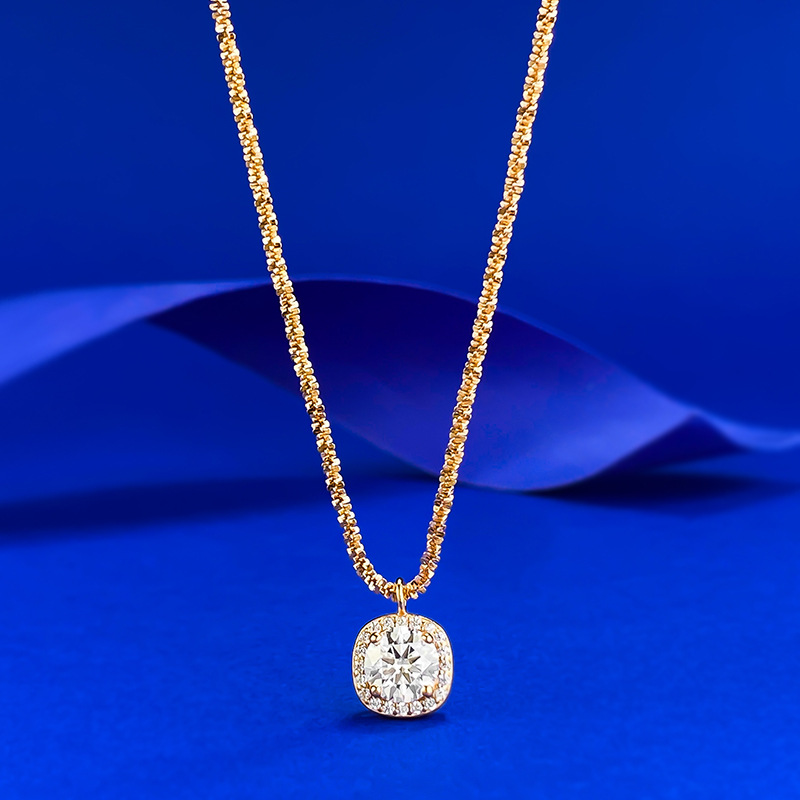
Fine Jewelry Return Policy Checklist: A Professional Service Guide
Fine Jewelry Return Policy Checklist: A Professional Service Guide
A Fine Jewelry Return Policy Checklist helps you make a smarter purchase before you spend hundreds or even thousands of dollars. Fine jewelry isn’t an impulse buy. It’s often tied to an engagement, an anniversary, or another moment that matters.
Start with the return window, the condition rules, and who pays for shipping if the piece comes back. Those three details tell you a lot about how a retailer handles service.
Buyers feel more confident when the policy is plain and easy to follow. A clear Fine Jewelry Return Policy Checklist professional service guide can save time, reduce stress, and help you compare retailers without guesswork.
It also helps you shop more strategically. A ring with a beautiful center stone and a strict no-return policy is a very different purchase from a similar piece that can be exchanged or refunded within 30 days. When the price climbs into four figures, the service terms become part of the value.
What to Review Before You Place the Order
Before checkout, read the policy like you’d read the product details. A pretty ring or bracelet can still be a poor fit if the return terms are strict.
Check these basics first:
- Return window in calendar days
- Whether the clock starts at shipment or delivery
- Refund, exchange, or store credit options
- Return shipping cost and insurance rules
- Final sale or custom-item exclusions
- Required documents and packaging
That quick review can spare you a headache later. It also helps you compare policies across engagement rings, diamond studs, tennis bracelets, and gold necklaces.
For bridal pieces, the timeline matters even more. If you are selecting a ring for a proposal, you may need time for appraisal, sizing, or a second opinion from a trusted friend or family member. A 14-day policy sounds workable until you realize the ring arrives right before a trip or holiday. In that case, the practical return period can feel much shorter.
Fine Jewelry Return Policy Checklist Professional Service Guide: Key Terms That Matter
A strong policy is easy to understand and even easier to use. If the wording feels vague, ask for clarification Before You Buy.
Return window and eligibility
Many retailers offer 14, 30, or 60 days. A 30-day window is usually easier for buyers because it gives you time to inspect the piece, gift it, or compare it with other options. Still, the date that starts the countdown matters just as much as the length.
Some stores begin the timer on the ship date. Others start it on delivery. That difference can change your actual return time by several days, which is a bigger deal than most shoppers expect.
It also matters whether the policy counts business days or calendar days. A policy that sounds generous can become tight if weekends and holidays are excluded from processing. Ask whether the item must be mailed back by the last day or simply postmarked by then.
Exclusions you should spot early
Custom jewelry often has tighter rules. Engraved items, resized rings, altered pieces, and final sale merchandise are commonly excluded from returns.
If you’re ordering a bridal piece or a personalized gift, read that section twice. A Fine Jewelry Return Policy checklist professional service guide should call out custom work clearly, not hide it in small print.
Some exclusions are more nuanced than “custom” or “final sale.” For example, a ring ordered in a nonstandard finger size, a pendant with a specific inscription, or a necklace shortened during checkout may all be treated as special-order items. If the retailer offers preview images or a digital mockup, ask whether approving that design locks you into the sale.
Fees, refunds, and store credit
Restocking fees can cut into the value of a return. Some sellers deduct a percentage from your refund, while others charge nothing if the item comes back in original condition.
Refund method matters too. Money back to your original payment method gives you more flexibility than store credit. Store credit can still work, but it changes the value equation.
If the retailer charges a return label fee, insurance fee, or inspection fee, add those costs to the purchase price before comparing options. A diamond ring that looks like a better deal at first may end up costing more than a competitor’s piece with free insured return shipping.
Diamond and Gemstone Details That Change the Return Conversation
Not all jewelry is equal when it comes to returns. Diamond and gemstone purchases deserve extra scrutiny because the beauty of the piece depends on more than the headline price.
Diamond specs to verify before buying
If you’re shopping for a diamond ring or studs, confirm the four Cs and any supporting documentation. Carat weight tells you size, but it does not tell you how well the stone performs in light.
- Cut: often the biggest factor in sparkle
- Color: ranges from colorless to slightly tinted
- Clarity: measures visible inclusions and blemishes
- Carat: the weight of the diamond, not always the visual size
According to GIA grading standards, cut, color, clarity, and carat weight all affect how a diamond looks and performs. That’s why two stones with similar carat weight can still look very different.
For round diamonds, many shoppers want Excellent or Ideal cut grades because those stones usually show stronger brightness and fire. For fancy shapes like oval, emerald, or pear, proportions and face-up spread become especially important. A 1.00-carat oval can look larger than a 1.00-carat round if the spread is elongated, but it may also show a bow-tie effect if the cut is weak.
Certification and paperwork
For diamonds over a certain price point, a grading report from a respected lab is a major buying safeguard. Look for reports from GIA or AGS when available, or ask what lab issued the certificate and whether the stone has been laser-inscribed.
Certification does not replace an easy return policy, but it gives you something objective to compare if the piece arrives and does not match your expectation. It is especially useful for higher-value center stones, designer settings, and upgrade purchases.
Keep in mind that some retailers include appraisals, which are different from grading reports. An appraisal is typically for insurance purposes and can list a replacement value that is higher than the purchase price. A grading report, by contrast, describes the stone’s characteristics.
Lab-grown versus natural diamonds
Lab-grown diamonds are often priced lower than natural diamonds with similar appearance and size, sometimes by 30% to 60% or more depending on the market. That can make them attractive for buyers who want a larger center stone within budget.
Natural diamonds may carry more resale interest in some markets, though resale is never guaranteed. The return policy matters either way, because the buyer’s reason for return is often about appearance, setting quality, or fit rather than origin alone. If you are comparing both, ask whether the retailer has different return rules for natural and lab-grown stones.
Colored gemstones require extra attention
Sapphires, emeralds, rubies, and other gemstones may look different under store lighting than they do at home. Color saturation, transparency, treatment, and origin can affect value. Emeralds in particular often have inclusions and may be more delicate than diamonds in daily wear.
If you are purchasing a gemstone engagement ring or a colored-stone pendant, review whether the retailer discloses heat treatment, oiling, or fracture filling. These treatments are common, but they can influence care needs and return satisfaction if the appearance differs from what you expected.
Metal choices and how they affect the purchase
Metal choice changes the look, durability, and price of fine jewelry. It can also influence how easily a piece wears over time and whether it will need resizing or repairs.
- 14K gold: durable and often more affordable than 18K, with a slightly lighter gold color
- 18K gold: richer color and higher gold content, but a bit softer than 14K
- Platinum: dense, bright, and highly durable, though usually more expensive
- Sterling silver: lower cost and attractive for fashion-forward designs, but more prone to tarnish
For everyday wear, many buyers choose 14K gold or platinum because those metals tend to hold up well. For a more luxurious color and feel, 18K gold is popular, especially in yellow and rose tones. If the piece is an heirloom or a special occasion item, platinum may be worth the added expense.
Always verify whether the seller uses solid gold, gold vermeil, gold-plated, or gold-filled construction. Those terms are not interchangeable, and plating can wear differently than solid metal. A return issue can happen if the buyer expected solid gold and received a plated design instead.
Setting style and wearability
The setting affects both appearance and durability. A solitaire highlights the center stone and is usually easy to clean. A halo can make the center look larger, but it also adds more small stones that may loosen over time. Pavé settings create sparkle across the band, though they require more careful wear. Bezels offer a sleek look and can protect stone edges better than prong settings.
For buyers who work with their hands, a low-profile setting can matter more than a larger visual spread. Tall prongs can catch on clothing or gloves, while a bezel or semi-bezel may feel more secure for daily use. If you are unsure, ask the retailer for the setting height in millimeters and whether the ring sits flush with a wedding band.
Ready-to-ship, semi-custom, and custom pieces
Not every jewelry type has the same return risk. Ready-to-ship pieces are usually the easiest to return. Semi-custom pieces sit in the middle. Fully custom jewelry is often final sale.
| Product type | Typical return flexibility | Buyer risk | Best fit |
|---|---|---|---|
| Ready-to-ship inventory | Higher | Lower | Gifts, quick purchases, first-time buyers |
| Semi-custom designs | Medium | Medium | Personalized style with some flexibility |
| Fully custom pieces | Lower | Higher | Heirloom-inspired or one-of-a-kind designs |
If you’re planning something custom, ask for the return terms in writing before you approve the order. Don’t assume the policy will be generous later.
Inspect the item as soon as it arrives
Open the package right away and check the clasp, prongs, finish, and stone setting. Confirm that the item matches the order confirmation.
If something looks off, contact support before you wear it. Keep the tags, box, pouch, and paperwork in place until you know you’re keeping it.
Look closely at the edges and underside too. A ring may photograph beautifully from the top but reveal thin prongs, uneven polishing, or a rough gallery when you inspect it at home. Those details can affect comfort and long-term durability.
Ring Sizing, Bracelet Lengths, and Necklace Fit
Fit issues are one of the most common reasons shoppers return fine jewelry. Even a beautiful piece can feel wrong if the dimensions are off by a small amount.
Ring sizing basics
Rings are especially sensitive to seasonal changes. Fingers may swell in warm weather and shrink slightly in cold weather, so a ring that feels perfect one day may feel snug the next. If you are between sizes, ask whether the retailer recommends sizing up or down for the specific band width and setting style.
Wide bands often fit more tightly than thin bands. A 6 mm wedding band may need a slightly different size than a delicate 1.5 mm band. If the ring is an engagement style with a center setting, prong width and halo height can also affect comfort. Many buyers do best when they confirm their size with a professional sizing tool or local jeweler before ordering.
Bracelet and bangle measurements
Bracelets and bangles depend on wrist size and the style of closure. A tennis bracelet should fit close enough to stay secure, but not so tight that it pinches. A bangle needs enough room to slide over the hand without feeling loose once worn.
Ask whether the retailer measures inside circumference or standard wrist length. If you are buying a gift, a 6.5-inch bracelet may be too small for some wrists, while a 7.5-inch piece may be a safer default for average adult sizing. Adjustable chains can help, but they should still be checked for secure clasps and smooth links.
Necklace length and layerability
Necklace length changes how a piece sits on the body and what neckline it complements. A 16-inch chain typically sits at or near the collarbone, while an 18-inch chain offers a slightly lower drape. A 20-inch chain can work better for pendants or layering.
Before buying, think about where the pendant will rest. A charm that looks delicate in the product photo may hang lower than expected on a shorter chain. If the necklace is a gift, it may be worth choosing a length that gives the recipient styling flexibility instead of a highly specific fit.
Policy Terms That Change the Real Value
Price isn’t the whole story. A lower sticker price can lose its appeal if the return policy is strict or expensive to use.
The real cost of a return
Compare these costs Before You Buy:
- Item price
- Sales tax
- Original shipping fee
- Return shipping fee
- Insurance for return transit
- Restocking charge, if any
- Time lost if you need a replacement
A buyer-friendly policy can be worth more than a small discount. That’s especially true for engagement rings and other high-value pieces.
Also consider the time value of a return. If a retailer takes two weeks to inspect and another week to process the refund, your money may be tied up for nearly a month. That matters if you are comparing several pieces or planning to reorder in a different size.
Why transparency builds trust
Clear terms make buyers feel safer. If you know how long you have, what condition the item must be in, and what happens after inspection, you can shop with less worry.
Our customers often tell us that the policy matters almost as much as the design. That makes sense. When you’re buying fine jewelry, trust is part of the product.
Transparency also helps when the item has a higher-risk feature, such as micro-pavé stones, delicate antique-style settings, or open gallery work. Those details can look beautiful but require more careful handling. A clear service team will explain what counts as normal wear versus damage during the return period.
Compare retailers on more than price
A good comparison should include:
- Return window length
- Shipping responsibility
- Refund versus store credit
- Final sale exclusions
- Custom-item rules
- Support response time
If two pieces look similar, the better service policy often wins. Why pay the same amount if one retailer makes returns easy and the other makes them painful?
For example, a $2,500 diamond pendant with free insured returns and a 30-day window may be a smarter purchase than a $2,350 pendant with a 10-day limit and a 15% restocking fee. The sticker price is lower, but the total risk is higher.
Shipping, Insurance, and Delivery Best Practices
Shipping details are a major part of any Fine Jewelry Return Policy checklist professional service guide. A secure delivery process protects both the buyer and the seller.
Look for signature requirements
For higher-value items, signature confirmation helps prevent package loss. If a retailer ships fine jewelry without a signature requirement, ask whether that is intentional or just a default shipping method. Some buyers prefer delivery to a workplace or secure pickup location when the package is expensive.
If the retailer uses overnight shipping, confirm whether it is fully insured and whether the package is discreetly labeled. Jewelry should not advertise its contents on the outside of the box.
Understand return shipping instructions
Some retailers require the original shipping label or a carrier account-approved label for returns. Others send a prepaid label after they approve the return. Use only the method the retailer specifies, because an unapproved carrier or service level can void the return.
If you are returning a diamond or gemstone piece, keep the shipping receipt and tracking number. It is wise to photograph the packed box before sealing it, especially if the item includes a certificate, appraisal, or loose stone documentation.
Insurance matters for both directions
Shipping insurance protects against loss or damage in transit. With expensive jewelry, the insurance value should match the item’s actual retail value or the replacement amount specified by the retailer. Do not assume every postal service level includes full protection.
If a piece is damaged during the return journey and was not insured correctly, the buyer may have to fight for a refund. That is why the service policy should explain exactly who covers risk while the item is in transit.
How to Handle a Return Without Mistakes
If you need to send something back, move carefully. Small errors can delay the refund or make the item ineligible.
Simple return steps
- Read the policy again.
- Ask for return authorization if needed.
- Keep the item unworn and unchanged.
- Gather the box, tags, invoice, and certificate.
- Photograph the item and package.
- Use the approved shipping method.
- Save the tracking number and receipt.
- Follow up until the retailer confirms receipt.
What to keep until the case is closed
Hold onto:
- Original packaging
- Product tags
- Grading report or certificate
- Delivery confirmation
- Return tracking number
- Email approval from support
Most delays come from missing paperwork, late shipping, or worn items. A careful process usually prevents all three.
If the piece has been resized, engraved, or altered after delivery, ask whether the retailer still considers it eligible. Even small changes like removing a tag or having a jeweler polish the item can create a dispute. When in doubt, keep the piece untouched until the return window closes or you are certain you want to keep it.
Common Mistakes Buyers Make
Even experienced shoppers miss important details when the jewelry looks perfect online. A checklist prevents most of those mistakes before they become expensive problems.
Buying without checking the condition rules
Some buyers assume “try on” means wear it for a few days. In many policies, that is not true. Jewelry should usually be returned unworn, undamaged, and in original packaging. Lotion, perfume, cleaning products, or visible handling marks can affect eligibility.
Ignoring center stone photos and scale
Online photos can make a diamond or gemstone look larger than it is. Look for carat weight, millimeter measurements, and side profile images. A 0.75-carat center stone can be beautiful, but if you expected a 1.00-carat appearance, you may feel disappointed upon delivery.
Skipping the return timing details
Some buyers wait too long because they think they have “30 days” and then discover the policy counts from the shipping date. Others forget that weekends or holidays can affect support response times. Mark the deadline on your calendar the day the order ships.
Not checking the clasp or setting quality
A clasp that does not close smoothly, a loose prong, or an uneven setting should be reported immediately. Those are not cosmetic issues; they can lead to stone loss or breakage. If a defect is present, the return or repair process is often different from a standard buyer’s remorse return.
Fine Jewelry Return Policy Checklist Professional Service Guide: Quick Buyer Questions
Before you place the order, ask yourself a few simple questions. Do you understand the sizing? Do you know the refund rules? Will the retailer answer questions quickly if there’s a problem?
That’s the heart of a Fine Jewelry Return Policy Checklist professional service guide. It’s not just about protecting your money. It’s about buying from a seller that respects your time too.
You can also ask one final practical question: if the piece arrives and is not quite right, how easy will it be to exchange it for the version you actually want? A retailer with a smooth exchange process can be more useful than a store that only offers refunds but makes reordering complicated.
Shop with More Confidence
A strong policy makes the whole purchase feel safer. It gives you room to inspect the piece, compare it with other options, and ask for help if something doesn’t look right.
If you’re still comparing styles, browse our jewelry collection, explore our engagement rings, or use our ring builder to narrow down your options. For diamond-specific shopping, shop our lab-grown diamonds and review the details before checkout.
A little homework now can save a lot of trouble later. In fine jewelry, that’s time well spent.
Ready to Find Your Perfect Diamond?
Explore our collection of certified lab-grown diamonds
Shop Diamonds