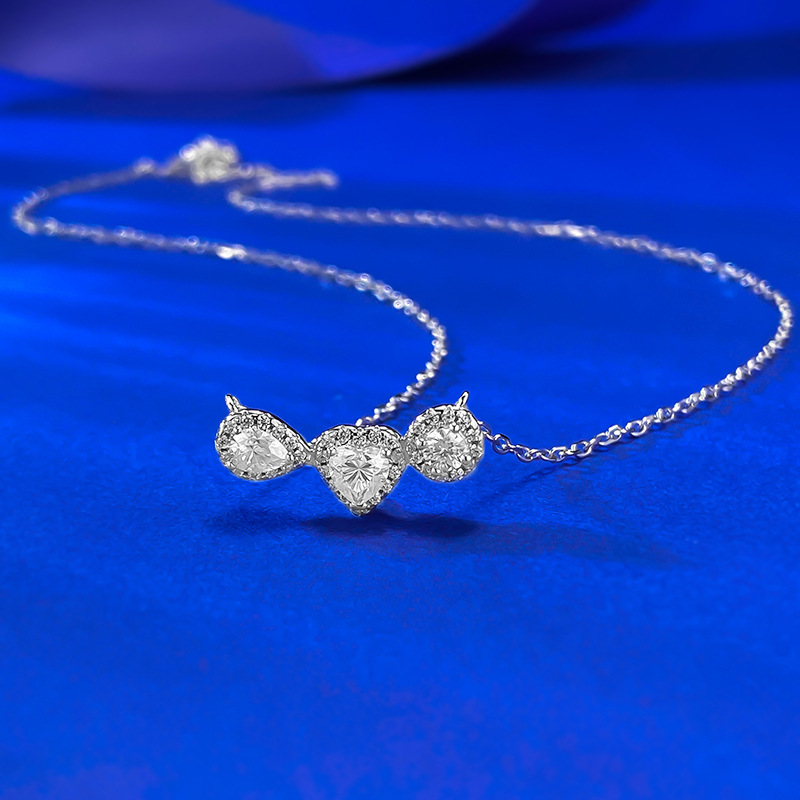
Fine Jewelry Return Policy Checklist: Cost Breakdown for Buyers
Buying fine jewelry should feel exciting, not stressful. A clear Fine Jewelry Return Policy Checklist cost breakdown helps you compare retailers before checkout, protect your budget, and avoid surprises if a ring, necklace, or pair of earrings needs to go back. The stakes are higher with fine jewelry than with everyday purchases. Prices are bigger, pieces may be customized, and hygiene, value retention, and resale condition all matter.
A smart return review gives you more control. It shows whether a purchase is truly low-risk, whether shipping is insured, whether restocking fees apply, and how long you have to decide. If you're comparing diamond jewelry, engagement rings, or precious metal pieces, the policy can matter just as much as the craftsmanship.
Use this guide as a practical Fine Jewelry Return Policy Checklist cost breakdown. You'll see what to check before buying, what return costs can reduce your refund, and how to compare retailers on terms that affect your wallet. You'll also get a simple way to decide whether a return, exchange, or resize makes the most sense.
Why a Fine Jewelry Return Policy Matters Before You Buy
Fine jewelry isn't like returning a T-shirt. The item may be made with diamonds, gold, platinum, or gemstones worth thousands of dollars. It may also be sized, engraved, or altered before it reaches you. Those details change what a return policy needs to cover.
A strong Fine Jewelry Return Policy Checklist cost breakdown protects you in three ways:
- It helps you avoid buying a piece that can't be returned.
- It shows the real cost of sending something back.
- It gives you more confidence when you're making a milestone purchase.
For example, a 1.00 carat diamond ring priced at $2,000 may look simple at checkout. But if return shipping is insured, a restocking fee applies, and your refund excludes the original shipping charge, the amount you get back can be much lower. The same can happen with a diamond pendant, tennis bracelet, or bridal set.
The GIA and IGI both stress accurate product details and clear documentation. Buyers need that same clarity in return terms. A retailer that explains eligibility, timing, packaging rules, and refund method makes it easier to compare value across listings.
A solid policy should answer these questions:
- How many days do I have to return the item?
- Does the item need to be unworn and in the original box?
- Are custom, engraved, or resized pieces excluded?
- Who pays for return shipping and insurance?
- Are restocking fees, handling fees, or deductions applied?
- Is the refund sent back to the original payment method or issued as store credit?
- Are exchanges or resizing available instead of a full return?
When those answers are easy to find, you can buy with more confidence.
Fine Jewelry Return Policy Checklist
Use this Fine Jewelry Return Policy Checklist cost breakdown before you place an order. It helps you compare policies quickly and spot the fine print that can affect your refund.
1) Check the return window
The return window tells you how long you have to decide. Some jewelers allow 14 days. Others offer 30 days or more. A longer window gives you more breathing room, especially if you're buying a gift, waiting on a proposal, or comparing two similar pieces.
Short windows can feel rushed. If delivery is delayed, weekends get in the way, or you need time to inspect the jewelry under good light, a 7- or 10-day return period may feel tight. A stronger policy usually gives you enough time to check size, finish, stone appearance, and overall condition.
2) Confirm condition requirements
Most return policies require the jewelry to come back in resalable condition. That often means:
- Unworn or only lightly handled
- No scratches, bends, or visible wear
- Original tags attached, if used
- Original box, pouch, and protective packaging included
- Certificates, grading reports, and appraisal documents returned
- Security seals or tamper-evident tags still intact
If the retailer inspects returns closely, even small signs of wear can reduce the refund or make the piece ineligible. Rings can show marks quickly. Bracelets can pick up residue. Necklaces can scuff if they’re stored loosely.
3) Verify proof of purchase requirements
Your receipt, order number, invoice, or confirmation email may be required to process the return. Some retailers also need the original certificate number or gemstone report.
Save everything:
- Order confirmation
- Payment receipt
- Shipping label and tracking number
- Diamond grading report or gemstone certificate
- Appraisal documents
- Gift receipt, if applicable
If the item is expensive, keep the paperwork together. Missing documents can slow the process or trigger deductions.
4) Review excluded items before checkout
Exclusions are one of the most common surprises in a Fine Jewelry Return Policy Checklist cost breakdown. Many retailers treat these pieces as final sale or only allow limited exchanges:
- Custom-made jewelry
- Engraved items
- Sized rings or bracelets
- Personalized pieces
- Special orders
- Clearance or final sale items
- Items altered after delivery
Why? Those pieces can’t always be resold as new. A ring resized from 6.5 to 7.25, for example, may no longer qualify for a standard return.
5) Ask who pays for return shipping
Return shipping can change the total cost in a big way. A lightweight gold pendant may be cheaper to send back than a diamond ring that needs insurance and tracking. Some retailers provide prepaid labels. Others require the buyer to pay.
Look for these details:
- Is return shipping free?
- Is insurance included?
- Must the package be shipped with adult signature confirmation?
- Does the retailer require a specific carrier?
- Is expedited return shipping required for valuable pieces?
If you're paying for insured shipping on a $2,000 ring, the return cost can be much higher than for a lower-priced accessory. That should factor into your buying decision.
6) Check restocking and handling fees
Restocking fees hit your refund directly. Some retailers charge a flat fee. Others use a percentage of the purchase price. Handling fees may also appear if the item must be inspected, re-certified, or repackaged.
A Fine Jewelry Return Policy checklist cost breakdown should make these charges easy to spot. If the policy is vague, ask customer service before buying. A 10% restocking fee on a $2,000 purchase equals $200. That’s a real deduction.
7) Confirm the refund method
A refund can go back to the original payment method, or the retailer may issue store credit. Those aren’t the same. A refund to your card gives you more flexibility, while store credit keeps your money tied to the same brand.
Also check whether partial refunds are possible. If a package arrives without the original box, certificate, or free gift, the refund may be reduced.
8) Review the deadline for starting the return
Some retailers count the return window from the delivery date. Others count it from the order date or invoice date. That difference matters.
If you travel, ship to a gift recipient, or wait to inspect the item after a proposal, a policy tied to delivery is usually more buyer-friendly.
9) See whether exchanges or resizing are easier than returns
A good policy doesn’t just allow returns. It also tells you how exchanges, resizing, and repairs work. For jewelry that doesn’t fit, an exchange or resize may save time and money.
Ask:
- Is the first resize free?
- Can I exchange for another size or style?
- Are chain adjustments available?
- Is bracelet sizing part of the service?
- How long do repairs take?
10) Read the inspection rules carefully
Some retailers inspect returns for gemstone setting integrity, prong condition, polish marks, or missing parts. If anything is missing or damaged, your refund may be reduced.
That matters with diamonds, since even a small chip, loose stone, or bent prong can affect resale status. Industry professionals often recommend photographing the item when it arrives, especially for higher-value purchases.
11) Compare packaging and accessory requirements
Return eligibility may depend on returning the full package. That usually includes:
- Box
- Pouch
- Cleaning cloth
- Warranty card
- Diamond certificate
- Appraisal
- Gift receipt
- Promotional item, if one was included
If one accessory is missing, the return may still be accepted but with a deduction.
12) Look for deadline extensions during transit delays
Weather, carrier issues, and holiday volume can affect return timing. A retailer with a customer-friendly policy may extend deadlines when shipping problems occur. That can save you from a denied return when the delay wasn’t your fault.
Return Window, Condition Rules, and Proof of Purchase
A strong fine jewelry Return Policy Checklist cost breakdown starts with three basics: the return window, condition rules, and documentation.
A 30-day window is usually easier for shoppers than a 14-day one. It gives you time to inspect the piece, compare it with your expectations, and decide whether to keep it. Shorter windows can work if the item is simple, but they leave less room for shipping delays or second thoughts.
Condition rules matter just as much. Fine jewelry often has to be returned in pristine, unworn condition. That means no visible wear, no missing stones, and no altered fit. Keep the original receipt and packaging together. If the item came with a GIA or IGI report, store that document safely. It may be required for verification.
Proof of purchase is how the retailer confirms your eligibility. Without it, the return can be delayed or denied. For high-value jewelry, the safest move is to save digital and physical copies of all documents until the return window closes.
Exclusions: Custom, Engraved, Sized, or Final Sale Pieces
Exclusions can change the whole shopping decision. Many pieces are not returnable once they’re customized.
Common exclusions include:
- Custom engagement rings
- Engraved bands
- Personalized pendants
- Special-order gemstones
- Sized rings or bracelets
- Final sale clearance items
Why the restriction? Because these items often can’t be resold without a loss. A ring engraved with initials or a date is no longer generic inventory. A resized ring may also lose its standard resale status.
Before checkout, check whether the product page clearly says the item is returnable. If the wording is vague, ask for confirmation in writing. That step can prevent an expensive mistake.
What to Check for Shipping, Insurance, and Restocking Costs
The shipping and fee section is where the fine jewelry return policy checklist cost breakdown becomes real. This is the part that changes your final refund most directly.
Return shipping and insurance
High-value jewelry should travel with tracking and insurance. Some retailers pay for the label. Others ask the buyer to cover it. If the package is lost without insurance, the risk can fall on the shipper. Clear instructions matter here.
Restocking fees
A restocking fee helps cover inspection, handling, or repackaging. It can be flat or percentage-based. Even a modest fee can reduce your refund enough to matter, especially on higher-priced pieces.
Original shipping charges
Many retailers do not refund original shipping fees. If you paid for expedited delivery to get a gift there on time, that cost may not come back. Some policies also deduct gift wrap or special packaging charges.
Handling and processing deductions
Some policies include handling fees if the return needs extra review or if the item is missing paperwork. If a promotional discount was used, the refund may be based on the discounted price rather than the original retail price.
If the retailer requires a specific carrier, signature confirmation, or insured delivery, build that into your cost comparison before buying.
Cost Breakdown of Returning Fine Jewelry
A detailed fine jewelry return policy checklist cost breakdown should include both direct costs and hidden costs. Direct costs are the charges you can see. Hidden costs are the deductions that lower the refund after the item is accepted.
Here are the main parts to watch.
Direct return costs
- Insured return shipping
- Signature confirmation
- Carrier upgrade for secure transit
- Packaging materials if the original materials were lost
- Independent appraisal or re-verification, if required
Indirect return costs
- Restocking fee
- Deduction for missing packaging or certificate
- No refund of original shipping charges
- Deduction for gift wrap or promotional add-ons
- Lost value from using a coupon or sale price
Timing-related costs
If you miss the deadline, the retailer may refuse the return or convert it into store credit. In some cases, the item may need to be reviewed for a late-return exception, which slows the process.
Sample cost scenario
Imagine you buy a diamond ring for $2,000.
Possible deductions:
- Return shipping with insurance: $35
- Restocking fee: $150
- Original shipping not refunded: $25
- Promotional discount adjustment: $100
In that case, your refund could be reduced by $310. Instead of getting the full $2,000 back, you may receive $1,690.
That doesn’t mean the policy is bad. It just means the return cost was higher than expected. A good fine jewelry return policy checklist cost breakdown makes that visible Before You Buy.
Simple cost comparison framework
Use this quick formula:
Final refund = Purchase price - shipping deductions - restocking fee - missing item deductions - promotional adjustments
If a retailer offers free returns and no restocking fee, your risk is much lower. If the item is custom or final sale, your risk is much higher. That makes the policy part of the product value, not just the after-sale service.
Typical Return Cost Components
These are the most common expenses buyers run into:
- Insured shipping: Needed for jewelry of meaningful value
- Restocking fee: Often 5% to 15% on eligible returns
- Lost promotional value: Refund may reflect sale price, not list price
- Resizing fees: If the piece was altered before return eligibility ended
- Late return penalties: May reduce or eliminate the refund
- Missing accessory deductions: For absent boxes, certificates, or warranty cards
A quick example helps. If a $2,000 ring has a 10% restocking fee, that’s $200. Add $35 for insured shipping and $25 in nonrefundable original shipping, and the real cost of the return reaches $260 before any other deductions.
How Refunds Are Calculated
Refund policies vary. Some return the full eligible amount to the original payment method. Others offer store credit. A few use hybrid models, where a return to card is allowed but the processing fee is kept.
A refund can also be reduced if any part of the order is missing. For example:
- Missing diamond certificate
- Missing gift wrap or promotional item
- Missing earring back or clasp component
- Missing packaging
Partial refunds are common when only part of a purchase is returned. If you bought a ring and matching band together, the retailer may adjust the price if only one item is sent back and the bundle discount no longer applies.
This is one reason the fine jewelry return policy checklist cost breakdown matters before payment. You want to know whether the refund is cash-equivalent or tied to the store.
When an Exchange or Resize May Cost Less Than a Return
Sometimes a return isn’t the best move. If the issue is fit, an exchange or resize may save money and keep the piece you actually wanted.
Best cases for exchange or resize
- Ring size is slightly off
- Chain length feels too short or too long
- Bracelet fit needs a small adjustment
- Earrings were the wrong style, but the retailer allows exchange
Why it can be cheaper
- No restocking fee on exchanges, in some policies
- Lower shipping cost than a full return and repurchase
- Faster resolution for gifting or special events
- Less risk of losing sale pricing on the original piece
For rings, even a half-size adjustment can make a big difference. For necklaces, a jump from 16 inches to 18 inches may improve wearability without requiring a full return. Bracelets may need exact sizing to balance Comfort and Security.
If the issue is fit, compare resizing cost against return shipping, restocking, and any price change on a replacement. In many cases, the adjustment wins.
Buyer Benefits: How a Clear Return Policy Adds Value
A transparent return policy adds value long before a refund is ever needed. It lowers purchase anxiety, especially for first-time buyers and anyone shopping for a big moment.
A clear fine jewelry return policy checklist cost breakdown helps shoppers trust the retailer. It signals that the brand is organized and willing to stand behind what it sells. That matters for engagement rings, anniversary gifts, and heirloom pieces where emotional value is high.
Customers often compare return terms right alongside diamond quality and price. A slightly higher price can feel fair if the return policy is generous and easy to understand. Reviews, expert commentary, and plain-language service terms can make that confidence even stronger.
Reduced risk for first-time jewelry buyers
If this is your first time buying fine jewelry online, a clear policy can ease the pressure. You can focus on carat weight, cut grade, metal color, and setting style instead of worrying about being stuck with the wrong piece.
Better perceived value and brand confidence
Transparency often feels like quality. If a retailer explains return terms clearly, buyers are more likely to trust the business. That feeling can matter as much as a lower price.
Customer Considerations Before Purchasing Fine Jewelry
A few simple steps can reduce the chance of needing a return at all. Use this checklist before checkout.
Sizing, fit, and measurement tips
A sizing mistake is one of the most common reasons buyers need an exchange. Check:
- Ring size using a reliable guide or sizer
- Bracelet length and clasp style
- Necklace length relative to neckline and layering plans
- Earring weight and back style for comfort
If you're unsure, use our ring size guide or contact support before placing the order. A few minutes of measurement now can prevent shipping costs later.
Care, wear, and maintenance expectations
Return eligibility often depends on keeping the item in resalable condition. Handle Fine Jewelry Carefully:
- Store pieces separately to prevent scratches
- Avoid lotions, perfumes, and cleaning chemicals
- Try on items over a soft surface
- Keep all packaging and inserts intact
Inspect the piece as soon as it arrives. If anything seems loose, scratched, or incomplete, contact the retailer right away.
Documentation, appraisals, and product verification
Keep all verification documents safe. That includes diamond grading reports, gemstone certificates, and appraisals. GIA and IGI documentation can support trust and resale confidence, and it may be needed for returns, insurance, or exchange processing.
How to Compare Return Policies Across Jewelry Retailers
If you're choosing between two or three jewelers, compare the policies side by side. The lowest sticker price isn't always the best deal.
Use this framework:
| Comparison Area | Better Buyer-Friendly Policy | Higher-Risk Policy |
|---|---|---|
| Return window | 30 days or more | 7-14 days |
| Condition rules | Clear, realistic, and fair | Strict or vague |
| Shipping cost | Free insured return shipping | Buyer pays shipping and insurance |
| Restocking fee | None or low | 10%+ or unclear |
| Refund method | Original payment method | Store credit only |
| Exclusions | Clearly listed | Hidden in fine print |
| Exchanges | Easy and affordable | Hard to arrange |
| Resizing | Offered or discounted | Not available |
A practical fine jewelry return policy checklist cost breakdown compares the total ownership risk, not just the purchase price. If one retailer charges a little more but offers free insured returns and no restocking fee, that may be the better value.
For shoppers comparing diamonds, shop our lab-grown diamonds, browse our jewelry collection, or explore our engagement rings to see product details paired with buyer-friendly service terms.
The most important comparison criteria
Focus on these first:
- Return window length
- Eligibility exclusions
- Shipping and insurance responsibility
- Restocking or processing fees
- Refund method
- Exchange and resizing options
Where data and expert insight should appear
Consumer research consistently shows that clear return policies reduce hesitation for higher-value online purchases. Jewelry consultants also recommend reviewing policy terms before buying any item over a few hundred dollars, especially rings and diamond pieces.
If a retailer references GIA or IGI grading standards, that same level of documentation should extend to service policies too. Clear specs and clear returns work together.
Frequently Asked Questions About Fine Jewelry Returns
What should I check before buying fine jewelry online?
Start with the return window, condition rules, exclusions, and any shipping or restocking fees. Those details tell you how much risk you're taking and how easy it would be to send the item back. A solid fine jewelry return policy checklist cost breakdown also tells you whether the refund goes to your card or becomes store credit. If the retailer hides those terms, that's a red flag worth paying attention to.
How much does it usually cost to return a diamond ring?
The cost depends on the retailer, the shipping method, and the refund rules. On a higher-value diamond ring, you may pay for insured shipping, signature confirmation, and a restocking fee. Some sellers also keep the original shipping charge. We've seen that those costs can add up fast, so the real refund can be lower than buyers expect.
Are custom engagement rings ever returnable?
Often, no. Custom engagement rings, engraved bands, and personalized pieces are usually final sale or have very limited return options. That’s because the retailer may not be able to resell them as new. Before You Order, ask for written confirmation if the product page is unclear.
Is a jewelry exchange better than a refund?
Sometimes it is, especially if the issue is size or fit. An exchange can avoid a restocking fee and may cost less than shipping a full return. It can also keep you from losing sale pricing on the piece you wanted. If the retailer offers free resizing, that may be the cheapest path of all.
How do I keep fine jewelry returnable if I might send it back?
Leave the piece unworn, store it in the original packaging, and keep every document that came with it. That includes the receipt, certificate, warranty card, and any appraisal. Also, start the return within the allowed window and follow the retailer’s steps closely. Small mistakes can lead to deductions or a denied return.
Shop Fine Jewelry with Confidence
A careful fine jewelry return policy checklist cost breakdown helps you buy with clarity. Before you place an order, confirm the return window, review exclusions, understand shipping and restocking costs, and decide whether a refund, exchange, or resize is the smartest choice.
That quick review can save money and reduce stress. It also helps you compare jewelry stores on total value, not just price.
If you're ready to shop, start with pieces that match your style, budget, and comfort level. Browse our jewelry collection, compare options in our engagement rings, or contact our jewelry experts for help with fit, materials, and return terms. Buy With Confidence, knowing the policy is as clear as the piece is beautiful.
Ready to Find Your Perfect Diamond?
Explore our collection of certified lab-grown diamonds
Shop Diamonds