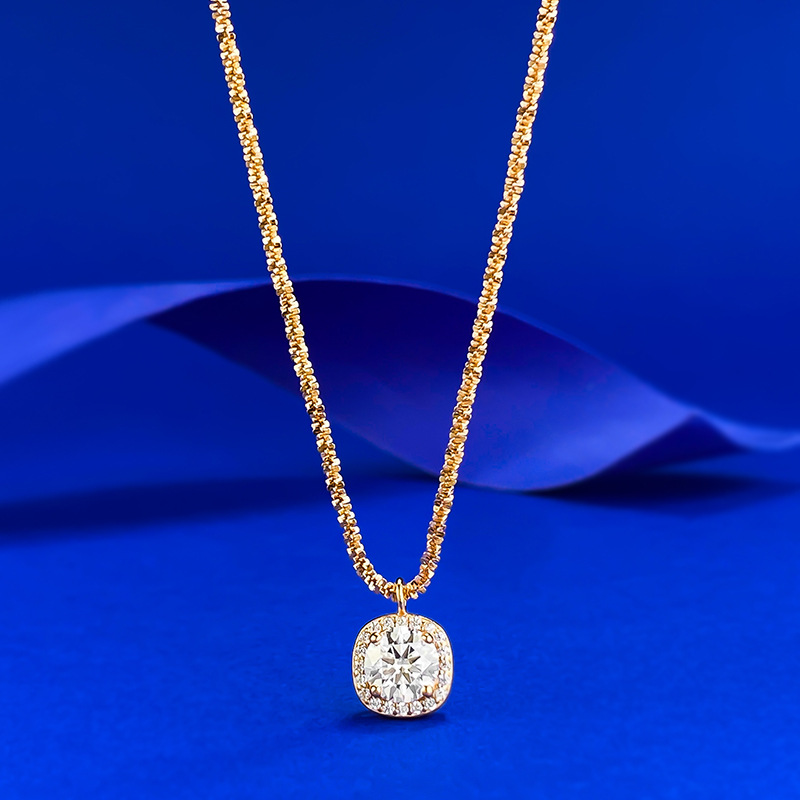
Fine Jewelry Repair Shop Communication Log for Safer Repairs
A Fine Jewelry Repair shop communication log gives you a written record of what happens before, during, and after a repair. It tracks the item, visible condition, requested work, estimate, approvals, timeline, quality check, and aftercare notes.
That record matters because fine jewelry is personal. A ring may carry a GIA or IGI report, a private engraving, a custom setting, or a family story that cannot be replaced by a receipt. Good documentation helps protect the jewelry and the trust behind it.
Customers feel more confident when they can see the repair path in writing. They know what was received, what was approved, and what should happen next before leaving a diamond ring, gold bracelet, or heirloom piece with someone else.
At StoneBridge Jewelry, clear communication is part of responsible jewelry care. I've helped many customers think through repairs, upgrades, and sentimental pieces, and the same pattern always shows up: people relax when the details are written down. Whether you are repairing a worn engagement ring or comparing a new lab-grown diamond design, the service process should feel organized, honest, and easy to follow.
What a Jewelry Repair Communication Log Should Record
A Fine Jewelry Repair shop communication log gives the customer and jeweler one shared reference point. It can record the item description, metal type, gemstone details, ring size, chain length, setting style, visible wear, approved services, and expected completion date.
Small details can change the whole repair. A half-size adjustment, a worn platinum prong, a delicate box chain, or a loose halo diamond may need different tools and labor. Without notes, those details can get lost between the counter, the bench jeweler, and the customer (trust me, I've seen tiny details turn into big misunderstandings).
A professional log may include:
- Customer contact information and preferred update method
- Item description, including metal, stones, measurements, and markings
- Intake photos or video showing pre-existing condition
- Written estimate, deposit, balance, and optional services
- Customer approval before resizing, soldering, resetting, or refinishing
- Timeline updates, quality-control notes, and completion notice
- Warranty terms, limitations, cleaning tips, and future care notes
Bench jewelers often treat documentation as part of the repair. Before heat, pressure, polish, or stone-setting tools touch a piece, the shop should know what the customer approved and what condition the item was in at intake.
This level of detail is especially helpful for engagement rings, wedding bands, heirloom jewelry, and lab-grown diamond pieces with grading details. GIA and IGI reports list specific diamond information, including carat weight, measurements, color, clarity, and report numbers. A repair log can note those details without claiming to regrade the stone.
Why a Fine Jewelry Repair Shop Communication Log Protects You
A Fine Jewelry Repair shop communication log reduces guesswork. It records what was discussed, when updates were sent, which services were approved, and what timeline the customer can expect.
That simple record helps prevent common repair problems, including unclear pricing, missed approvals, delayed work, stone-security concerns, and confusion about warranty coverage. It also gives the jeweler a cleaner way to confirm that the finished piece matches the approved scope.
Before You Book a repair, ask how the shop communicates. Do they provide a written estimate? Do they photograph the jewelry before work begins? Do they ask for approval before adding work or cost?
A shop that uses a Fine Jewelry Repair shop communication log shows that it has a process, not just a promise. For mailed repairs, that matters even more because the customer also needs shipping updates, insurance details, and delivery confirmation.
Service communication can reveal long-term value Before You Buy, too. A lower price may look appealing until you compare inspection standards, warranty clarity, repair support, and follow-up care. Honestly, I think communication is one of the most underrated signs of a good jeweler.
Repairs That Need More Than a Quick Note
Many repairs deserve detailed notes. Ring resizing should list the current size, target size, metal type, stone layout, and whether the shank needs reinforcement. Prong work should identify which stones are loose and whether the prongs are worn, cracked, bent, or missing.
Chain repair, clasp replacement, stone setting, rhodium plating, engraving correction, polishing, and restoration also benefit from written approval. A white gold ring may need rhodium plating after sizing. A tennis bracelet may need a full stone check after one link is repaired.
Lab-grown diamond jewelry needs the same care as mined diamond jewelry. Stone security, metal type, setting style, carat weight, and diamond shape should be documented before work begins.
The Repair Milestones You Should See
A Fine Jewelry Repair Shop Communication log should follow the job from first contact to pickup or delivery. The main milestones are inquiry, intake, inspection, estimate, approval, repair update, quality control, completion notice, and aftercare.
The log should be timestamped and easy to reference. You should not have to wonder whether the repair was approved, whether the price changed, or whether the piece passed final inspection.
Clear confirmations protect both sides. The customer sees what was authorized. The jeweler has a record of the requested work, condition notes, and completed service.
Key Details to Include Before Work Begins
The best Fine Jewelry Repair shop communication log is clear, specific, and built around accountability. It should help you compare repair providers by more than price.
A useful record answers four questions:
- What exact piece is being repaired?
- What condition was it in before the jeweler started?
- What did the customer approve, and at what price?
- How will the shop confirm completion, warranty terms, and aftercare?
If a shop cannot answer those questions in writing, pause before leaving valuable jewelry behind. Fine Jewelry Repair involves precious metals, diamonds, colored gemstones, soldering, polishing compounds, laser welding, stone-setting tools, and skilled labor. The communication standard should match the value of the item.
A Fine Jewelry Repair shop communication log can also help you decide whether to repair, replace, or upgrade. If the record shows repeated chain breaks, thinning metal, loose stones, or rising labor costs, a new piece may offer better long-term value.
Intake Notes and Condition Photos
Repair intake is the foundation of the log. Jewelers commonly document item type, metal, gemstone details, diamond shape, approximate carat weight if known, ring size, chain length, setting style, hallmarks, and visible wear.
Condition notes should mention scratches, dents, loose stones, worn prongs, missing stones, stretched links, bent settings, thin shanks, and past repair work. Photos and videos help because they show the jewelry before polishing, soldering, tightening, or refinishing begins.
For diamond jewelry, known report details can be helpful. GIA's 4Cs system records carat, color, clarity, and cut for many diamonds. IGI reports also list measurements and identifying information that can support clearer intake notes.
Estimates, Approval, and Price Changes
A Fine Jewelry Repair shop communication log should record the quoted price, approved services, optional upgrades, deposit, expected balance, and any estimate changes. Written authorization is especially important before resizing, resetting stones, soldering an heirloom, refinishing a delicate piece, or changing an engraving.
Customers should know what they are paying for. A ring sizing estimate may include metal work, polishing, rhodium plating for white gold, and a final stone check. Another estimate may cover only the size adjustment.
Those are different service experiences. If inspection reveals a cracked prong or loose side stone, the shop should update the estimate and ask for approval before doing extra work.
Timeline Tracking and Repair Updates
Timeline tracking keeps everyone grounded. The log should show the date received, repair start date, projected completion date, quality inspection date, pickup status, or shipping status.
Proactive updates matter most for engagement rings, bridal jewelry, and sentimental heirlooms. A short message can calm a lot of nerves, especially when the ring is tied to a proposal, anniversary, or wedding date.
Useful updates may sound like this:
- Your ring has been received, and intake photos are attached.
- Your estimate is ready for review and approval.
- The bench jeweler found two worn prongs that need attention before polishing.
- Your repair is complete and moving to final quality inspection.
- Your piece is ready for pickup with aftercare notes included.
A fine jewelry repair shop communication log keeps these updates organized instead of scattered across calls, texts, and inboxes.
Buyer Benefits: Fewer Surprises and Better Repair Outcomes
The biggest benefit of a fine jewelry repair shop communication log is confidence. You know what was received, what was approved, what it costs, and when to expect the finished piece.
Transparency also supports accountability. If you approved prong retipping and polishing, the log should show those services. If you declined optional rhodium plating, that should be clear too.
This is valuable when jewelry is mailed for service. Shipping a diamond ring or gold bracelet requires tracking, insurance, secure packaging, and clear status updates. A repair log can connect shipping status with repair status, so you know where the piece is in the process.
Service quality is not only about the final shine. It includes careful inspection, safe handling, realistic timelines, accurate pricing, and aftercare. A shop that documents each step is usually easier to trust than a shop that only gives a low verbal quote.
StoneBridge Jewelry customers often compare beauty, price, metal choice, diamond shape, and setting style before buying. I always remind shoppers that service belongs in that comparison too. If you value long-term wear, choose jewelry and care partners that treat communication as part of the experience.
Engagement Rings, Wedding Bands, and Lab-Grown Diamonds
Engagement rings and wedding bands need detailed documentation because they carry emotional and financial value. A repair log can record stone security checks, prong condition, metal wear, engraving details, ring size, and bridal-set fit.
Lab-grown diamond jewelry should receive the same professional documentation as mined diamond jewelry. A 1.50 carat lab-grown oval diamond in a pave setting still needs careful stone checks, secure handling, and clear repair notes.
For bridal sets, communication should cover fit and alignment. Resizing one ring may affect how it sits against the matching band. A written log gives the jeweler and customer a place to note that before work begins, which can save stress right before a wedding (and nobody needs extra wedding stress).
Clear Scope, Cost, and Timing
A written log clarifies whether the repair includes polishing, cleaning, replating, stone tightening, reshaping, or only the core service requested. This matters because customers may assume finishing work is included, while some shops price it separately.
If pricing or timing changes, the customer can review the original approval and decide what to do next. Written consent is especially useful for services that permanently alter jewelry.
The result is simple: fewer surprises, cleaner expectations, and better repair outcomes.
Pricing: How Documentation Shows Real Value
Jewelry repair pricing reflects more than the physical fix. You pay for expertise, secure handling, inspection, craftsmanship, finishing, quality control, and communication.
A fine jewelry repair shop communication log helps show that value. A very low quote may exclude condition photos, stone checks, finishing, warranty support, or proactive updates.
Repair cost can change based on metal type, stone setting, labor time, finishing needs, and risk. Platinum usually needs different handling than 14k gold. A pave engagement ring can take longer to resize than a plain band because small stones near the shank must be checked before and after work.
Industry care guidance often recommends Professional Jewelry Inspections every 6 to 12 months for frequently worn rings. That schedule is especially useful for engagement rings because daily wear can loosen prongs over time.
| Repair experience | What may be included | Buyer risk |
|---|---|---|
| Verbal low-cost repair | Basic quote, limited notes, few updates | Higher chance of unclear scope or surprise charges |
| Documented professional repair | Intake notes, photos, written estimate, approval, updates, quality control | Lower risk and stronger accountability |
| Premium service repair | Detailed inspection, expert recommendations, warranty notes, aftercare guidance | Best for valuable, sentimental, or complex jewelry |
A fine jewelry repair shop communication log helps you decide whether a quote is fair. If one provider costs more but documents condition, stone security, repair scope, timeline, and warranty, the added cost may be worth it.
Cost Factors to Record
The repair log should record the details that affect price. These may include metal type, ring resizing complexity, number of sizes changed, stone count, setting style, prong work, chain style, clasp type, engraving detail, polishing, rhodium plating, and texture work.
Documenting these factors helps customers understand why one repair costs more than another. Estimates should be confirmed before work begins and updated if the jeweler finds new issues during inspection.
The Federal Trade Commission requires sellers to avoid misleading claims about jewelry and gemstones, including lab-grown diamond origin. Clear records support that same spirit of transparency during service.
Warranty and Aftercare Notes
A fine jewelry repair shop communication log can record warranty coverage, warranty limits, cleaning recommendations, inspection intervals, and future maintenance notes. That turns a one-time repair into a care plan.
Aftercare helps jewelry last longer. Customers may learn to remove rings during heavy lifting, schedule prong checks every 6 to 12 months, avoid harsh chemicals, or store necklaces flat to reduce tangling.
That kind of guidance is a premium service signal. StoneBridge Jewelry customers should expect practical education, thoughtful support, and clear next steps after a purchase or repair discussion.
How to Choose a Jewelry Repair Shop
Choosing a repair provider is a buying decision. You are buying skill, trust, security, and a service process.
Before you book, compare the shop's credentials, communication channels, insurance practices, shipping security, repair timelines, and reviews. Ask whether a bench jeweler, repair specialist, or trained jewelry professional will inspect the piece.
Ask whether the shop has experience with your type of jewelry. Pavé engagement rings, platinum bands, tennis bracelets, lab-grown diamond jewelry, antique settings, and delicate chains each need different care.
Communication should be clear before, during, and after service. A fine jewelry repair shop communication log is one sign that the provider takes details seriously. If answers feel rushed before the repair, the experience may not improve after your jewelry is in their care.
Shoppers should also think about replacement options. Sometimes repair is the right choice. Other times, the estimate may be better applied toward a stronger new piece from StoneBridge Jewelry's fine jewelry collection.
Questions to Ask Before Leaving Jewelry for Repair
Use these questions before you hand over a valuable piece:
- Will I receive a written repair estimate?
- Will you document condition photos before work begins?
- How will repair updates be sent?
- What happens if the scope changes?
- Who approves added work or added cost?
- What is the estimated turnaround time?
- Is there a warranty on the repair?
- How is jewelry secured during service?
- Is return shipping insured if the item is mailed back?
- How are diamonds and gemstones handled during repair?
Professional answers signal a stronger process. A shop that welcomes these questions is often better prepared to care for fine jewelry.
Repair, Replace, or Upgrade?
Repair usually makes sense for sentimental pieces, minor damage, loose stones, resizing, clasp replacement, broken jump rings, or a ring that needs polishing and prong work. If the structure is sound, a skilled jeweler can often restore beauty and wearability.
Replacement may be smarter for severe structural damage, repeated chain breaks, very thin shanks, badly worn settings, or jewelry that no longer Fits Your Style. If a ring needs major rebuilding, compare that cost with a new setting that better protects the diamond.
Here's what nobody tells you: upgrading does not mean the old piece failed. Sometimes a new design simply fits your life better now, whether that means a sturdier setting, a different diamond shape, or a ring you can wear every day without worry.
StoneBridge Jewelry offers options for shoppers who decide to upgrade. You can explore lab-grown diamond engagement rings, browse necklaces and bracelets, shop our lab-grown diamonds, or design a ring through the StoneBridge ring builder.
StoneBridge Jewelry's Service-First Shopping Standard
StoneBridge Jewelry is built for fine jewelry shoppers who value craftsmanship, transparency, and service confidence. Clear communication helps customers feel informed whether they are repairing an existing piece, replacing a worn item, or purchasing a new lab-grown diamond design.
A fine jewelry repair shop communication log reflects the same standards buyers should expect from a premium jewelry experience. Accurate product details, careful inspection, secure handling, and helpful support all matter.
Premium materials deserve careful service. Gold, platinum, diamonds, and fine gemstones react differently to heat, pressure, polishing, wear, and daily use. A careful jeweler reviews metal thickness, prong strength, stone layout, and finishing needs before recommending repair or replacement.
Product education matters as much as the repair itself. A shopper comparing a 1.00 carat round lab-grown diamond with a 2.00 carat oval lab-grown diamond may care about sparkle, proportions, grading reports, and setting durability. A shopper repairing a ring deserves the same clear guidance.
If you are deciding whether to repair or upgrade, review the condition, estimate, expected durability, and value of a new design. Then choose the path that gives you confidence each time you wear the piece.
Shop Fine Jewelry With Confidence
Long-term care should be part of the buying decision. Design and price matter, but so do durability, maintenance, sizing, and support after purchase.
Engagement rings, wedding bands, diamond necklaces, tennis bracelets, earrings, and everyday fine jewelry all benefit from thoughtful service standards. A fine jewelry repair shop communication log can show you what responsible care looks like before you choose your next piece.
I have a soft spot for the pieces people choose for proposals, anniversaries, and milestone gifts because those decisions are rarely just about sparkle. They are about timing, memory, and the person who will wear it. Ready to compare new options? Browse StoneBridge Jewelry's collection, try the ring builder, or contact our jewelry experts for help choosing a piece that fits your style and long-term care goals.
Before You Book or Buy
A fine jewelry repair shop communication log protects value, expectations, and peace of mind. It records the condition of your jewelry, the approved repair scope, the price, the timeline, the quality check, and the aftercare guidance that helps your piece last.
Before you book a repair, ask how the shop documents intake, approvals, updates, and warranty terms. Before You Buy a new piece, ask how the retailer supports you after purchase. The best jewelry experience does not end at checkout.
If your current piece is worth repairing, choose a provider with a clear fine jewelry repair shop communication log and a professional service process. If your jewelry is worn beyond practical repair, or if you are ready for a meaningful upgrade, StoneBridge Jewelry offers lab-grown diamond rings, wedding bands, necklaces, bracelets, earrings, and fine jewelry designs made for lasting wear.
Shop best-selling lab-grown diamond jewelry, explore engagement rings, or choose a meaningful upgrade before your preferred design, size, or diamond shape is no longer available. For expert help, visit StoneBridge Jewelry and compare pieces with confidence.
FAQ
What should be included in a fine jewelry repair shop communication log?
A fine jewelry repair shop communication log should include the repair request, item description, condition notes, photos, estimate, approval, timeline updates, final inspection, warranty terms, and aftercare instructions. It should also identify the metal, stone details, ring size or chain length, and any visible wear. Ask for a copy before work begins so you can confirm the scope and price.
Why is a repair communication log important for an engagement ring?
An engagement ring repair log helps protect both the diamond and the setting. It can record prong condition, stone security, sizing instructions, engraving details, and approved finishing services. For rings worn daily, professional inspections every 6 to 12 months can help catch loose stones or worn metal early.
How can I tell if a jewelry repair shop is trustworthy?
Look for written estimates, intake photos, clear approvals, secure handling, realistic timelines, and repair warranty details. A trustworthy shop should explain who inspects the piece and how updates are sent. If the answers feel vague, compare another provider before leaving valuable jewelry behind.
Should a jewelry repair shop send updates during the repair?
Yes, a professional shop should update you when the piece is received, when the estimate is ready, when work is approved, if the scope changes, and when the repair is complete. These updates are especially helpful for engagement rings, heirlooms, and mailed repairs. Ask whether updates come by text, email, phone, or a customer portal.
Is it better to repair fine jewelry or buy a new piece?
Repair is often best for sentimental jewelry, minor wear, loose stones, broken clasps, and structurally sound rings. Replacement or upgrading may make more sense if the piece has repeated breaks, a thin shank, a worn setting, or repair costs close to a stronger new design. Compare the estimate, expected durability, and how often you will wear the piece before deciding.
Ready to Find Your Perfect Diamond?
Explore our collection of certified lab-grown diamonds
Shop Diamonds