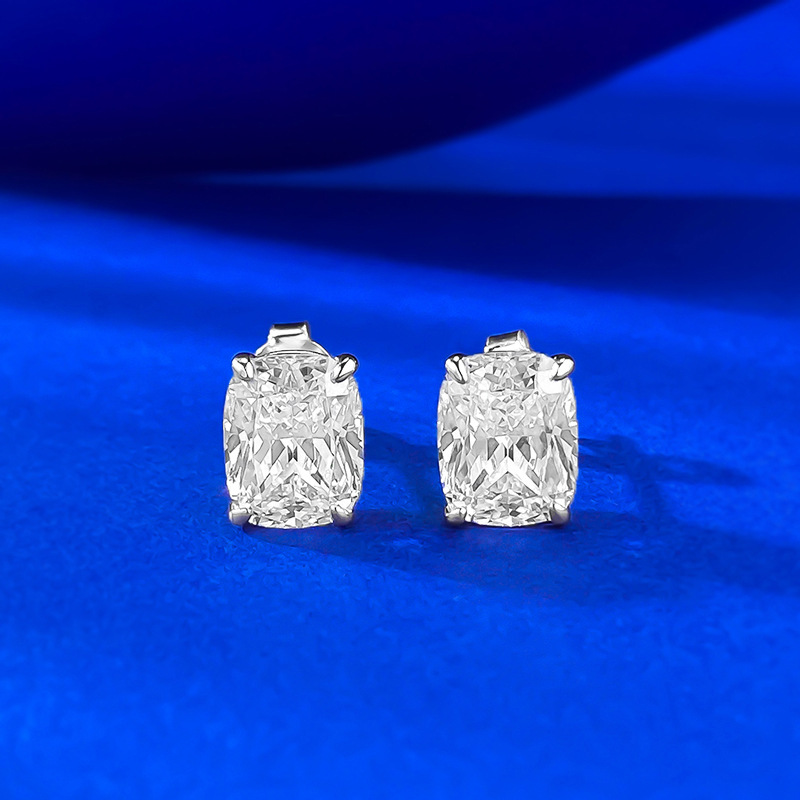
Fine Jewelry Repair Intake Priority Note: Standard vs Priority Handling
A Fine Jewelry Repair intake priority note is the written instruction that tells a jeweler why a repair needs faster review, detailed documentation, or special handling. It records the problem, the deadline, and the risks the repair team should check before work starts.
That small note can make a big difference. A loose center diamond before a proposal does not belong in the same queue as a routine polish. A cracked shank on an heirloom ring needs more detail than a simple chain solder. The intake note helps the jeweler protect the piece, explain the cost, and avoid surprises.
For StoneBridge Jewelry customers, the choice is usually simple: standard intake, priority repair handling, or replacement. Standard intake works well for flexible, lower-risk repairs. A Fine Jewelry Repair intake priority note is the better fit for diamond jewelry, lab-grown diamond engagement rings, heirlooms, and pieces needed for a wedding, trip, anniversary, or proposal.
What a Fine Jewelry Repair Intake Priority Note Does
A Fine Jewelry Repair intake priority note gives the repair team more than a basic repair request. It can include the event date, visible damage, stone movement, metal wear, previous repairs, insurance details, and your preferred approval method.
Think of it as a clear handoff from you to the bench jeweler. It tells the team what needs attention first. It also gives you a written record of the condition at drop-off.
A standard repair note usually covers the basics: your contact details, the item description, the requested service, a starting estimate, and the expected timeline. That is often enough for cleaning, polishing, simple chain repair, clasp replacement, or a basic ring sizing.
A Fine Jewelry Repair intake priority note goes further. It flags urgency and risk. It may also call for pre-repair photos, a stone count, prong inspection, metal condition notes, and a clear approval threshold before added work begins.
Standard Intake vs Priority Intake: The Real Difference
The difference is not only speed. Speed matters, but Fine Jewelry Repair also depends on safety, stone security, and quality checks. A jeweler should not rush a weak setting just because the calendar is tight.
Standard intake places the item in the normal repair flow. Priority intake tells the team that the piece has a deadline, higher value, higher risk, or strong sentimental importance.
Here is the practical comparison:
| Comparison Point | Standard Repair Intake | Fine Jewelry Repair Intake Priority Note |
|---|---|---|
| Best for | Routine maintenance and flexible timing | Urgent, valuable, sentimental, or complex repairs |
| Documentation | Basic item notes and requested service | Condition photos, stone count, deadline, risks, and approval details |
| Timeline | Normal queue | Earlier review when possible |
| Risk control | Good for low-risk work | Better for loose stones, worn prongs, cracked metal, and fragile settings |
| Communication | Standard estimate and pickup updates | More active updates and clearer approval steps |
| Cost | Usually lower | May include priority or expedited handling fees |
| Common items | Chains, simple bands, clasps, polishing | Engagement rings, tennis bracelets, diamond earrings, heirlooms |
If your jewelry can wait and the issue is minor, standard intake is usually fine. If the piece is tied to a date or could lose a stone, request a Fine Jewelry Repair intake priority note.
What Standard Jewelry Repair Intake Includes
A standard intake note is the normal starting point for Fine Jewelry Repair. It gives the jeweler enough information to open the job, estimate the work, and assign a general timeline.
Most standard notes include:
- Customer name, phone number, email, and preferred contact method.
- Item description, such as 14K yellow gold chain or platinum diamond ring.
- Requested repair, such as sizing, soldering, polishing, clasp repair, or prong work.
- Visible condition notes, including scratches, missing parts, or loose stones.
- Starting estimate and normal turnaround time.
- Customer approval for the requested repair.
Standard intake works best for repairs that are predictable. A clean chain break, a simple clasp swap, or a wedding band polish usually does not need extra triage.
It can still include professional care. A good jeweler may note the metal stamp, count stones, and take photos even during standard intake. The key point is priority. Standard work usually follows the regular service order.
Choose Standard Intake If
Standard intake is the right choice when the repair is low-risk and you are not working against a deadline.
Choose it if:
- You need routine cleaning, polishing, sizing, or soldering.
- The piece has no visible loose stones, bent prongs, or cracks.
- You can wait for the normal repair queue.
- The repair cost is small compared with the value of the piece.
- You want the simplest repair path.
Standard intake is not a lower level of care. It is matched to repairs that do not need urgent review.
What Priority Repair Intake Adds
A Fine Jewelry Repair intake priority note adds context that the bench team can act on. It explains why the repair needs quicker inspection or more careful handling.
Good priority notes include:
- The reason for urgency, such as a wedding, proposal, travel date, anniversary, or insurance deadline.
- The required completion date and preferred pickup date.
- Stone count and visible stone movement.
- Prong condition, including bent, worn, missing, or lifted prongs.
- Metal condition, such as a cracked shank, thin band, stretched link, or broken hinge.
- Previous repairs, including sizing, soldering, prong retipping, or stone replacement.
- Approval preferences, including a dollar limit before the jeweler calls you.
- Pre-repair photos and special handling notes.
This level of detail helps the repair team spot problems earlier. A ring sizing request may reveal a thin shank. A polishing request may uncover prongs that need rebuilding before the ring is safe to wear.
Customers often remember the deadline but forget to mention previous repairs. That detail matters. A ring that has been sized three times may need a different repair plan than a ring with untouched metal.
Choose Priority Intake If
A Fine Jewelry Repair intake priority note is the stronger choice when the stakes are higher.
Request one if:
- The jewelry is needed for a wedding, proposal, anniversary, trip, ceremony, or photo session.
- The piece has a center diamond, pavé setting, halo setting, tennis bracelet links, or delicate prongs.
- You see a loose stone, bent prong, cracked band, missing accent stone, or broken clasp.
- The item is an heirloom or has strong sentimental value.
- You need photos, a stone count, and clear approval notes before work begins.
Use a simple test: would losing this piece or one stone create a serious problem? If yes, a Fine Jewelry Repair intake priority note is worth asking for.
Repair Risk, Timing, and Cost
Jewelry repair timelines vary because the work is not always visible at drop-off. A loose stone may need tightening only. It may also reveal worn prongs, a damaged seat, or a setting that needs rebuilding.
GIA teaches that diamond identity and quality are evaluated through the 4Cs: carat weight, color, clarity, and cut. A repair intake note is not a grading report, but it can still record useful facts. Stone count, approximate size, setting style, and visible damage all help the jeweler protect the item.
Many jewelers recommend a professional prong and setting check every 6 months for rings worn daily. That schedule matters because prongs wear down from normal use. One small lifted prong can put the center stone at risk.
Cost also depends on the repair path. Standard repair may only include the bench work. Priority handling may add a fee if the jeweler must inspect sooner, source parts faster, or provide extra communication.
Common repair ranges can help you judge the estimate, although exact pricing depends on metal, design, and damage. A simple chain solder or clasp repair may be modest, while ring sizing in gold often costs more if the band is wide, engraved, or set with side stones. Platinum sizing usually costs more than 14K gold because it requires different heat control and bench time. Prong retipping, rebuilding a head, replacing a missing melee diamond, or resetting a center stone can move the repair into a higher price range, especially if the jeweler must match diamond size, color, clarity, and cut style.
For diamond jewelry, ask whether any replacement stones will be natural or lab-grown and whether they will be matched by millimeter size, shape, color, and clarity. A small round accent diamond in a halo may need to match the neighboring stones closely so the repair does not look patchy. For a center diamond, ask whether the report number, laser inscription, appraisal details, or certificate information will be recorded before work starts. GIA, IGI, and GCAL documents are common for diamonds and lab-grown diamonds, and the intake note should identify any document you provide.
A Fine Jewelry Repair intake priority note does not guarantee same-day completion. It gives the jeweler better information sooner. Parts, metal type, gemstone sensitivity, and bench availability still affect the final timeline.
Repair or Replace: How to Decide
Repair makes sense when the structure is sound and the damage is limited. A loose prong, simple sizing, broken chain, or worn clasp can often be fixed without replacing the piece.
Replacement may be smarter when the same issue keeps coming back. A thin shank that cracks again, a bracelet with stretched links, or a setting that keeps losing accent stones may no longer be reliable for daily wear.
Use this quick decision path:
- Routine repair with no deadline: choose standard intake.
- Valuable or date-sensitive piece: request a fine jewelry repair intake priority note.
- Repeated damage or high repair cost: compare replacement or upgrade options.
- Unsure which way to go: ask for inspection notes before approving work.
A modern replacement can offer stronger prongs, a cleaner fit, and better everyday durability. If the repair estimate is close to the cost of a new setting, compare Options Before You commit.
You can browse lab-grown diamonds, explore engagement rings, design a ring with the StoneBridge ring builder, or view our broader fine jewelry collection. These links can help you compare repair cost against a new piece.
Replacement Details to Compare Before You Approve Repair
If replacement is on the table, compare more than the headline price. A new Engagement Ring Setting can cost less than repeated emergency repairs if the old mounting has thin metal, weak prongs, or poorly protected accent stones. Solitaire settings are usually easier to maintain, show more of the center diamond, and make future sizing simpler. Halo, pavé, and hidden-halo designs add sparkle, but they also add small stones and tiny beads that need regular inspection.
Metal choice affects both cost and long-term wear. 14K gold is a practical everyday option because it balances durability and price. 18K gold has a richer gold content and color, but it can show wear faster in delicate prongs. Platinum is dense, secure, and naturally white, making it a strong choice for diamond engagement rings, but it is often more expensive to buy and service. White gold usually needs rhodium plating over time to maintain a bright white finish, so factor that into long-term care.
For a replacement diamond, look beyond carat weight. A well-cut 1.50 carat lab-grown diamond with excellent cut, balanced proportions, and a clean VS2 or SI1 clarity grade can look better than a larger stone with poor light return. For many buyers, G-H color offers a bright look in white metal, while I-J color can be a good value in yellow or rose gold. Always compare the diamond certificate, measurements, cut grade, and return policy before choosing a replacement.
Ring size also matters. A ring that spins can knock prongs against hard surfaces, while a ring that is too tight may need cutting off in an emergency. If your size changes by season, pregnancy, medication, or climate, ask whether sizing beads, a comfort-fit band, or a different shank profile would make the ring safer and easier to wear.
Best Choice for Diamond Jewelry and Heirlooms
For premium diamond jewelry, the best repair path is often a fine jewelry repair intake priority note. It gives the jeweler a better starting point and gives you a clearer record.
This is especially true for engagement rings, wedding bands, tennis bracelets, diamond earrings, and heirloom pieces. These items often carry both financial value and personal history. A quick repair ticket may not capture enough detail.
Ask the jeweler to document the stone count, visible prong wear, metal condition, deadline, and approval limit. If the piece has been repaired before, mention that too. The repair team can then decide whether the item belongs in a priority queue or needs a replacement discussion.
Priority intake is not about being difficult. It is about being clear. A fine jewelry repair intake priority note helps everyone agree on the same facts before the repair begins.
What to Ask at Drop-Off
Bring any appraisal, insurance document, receipt, or previous repair note you have. You do not need every paper to start a repair, but these records can help the jeweler identify the piece and understand its history.
Ask these questions before leaving your jewelry:
- Will you photograph the item before repair?
- Will the intake note include a stone count?
- Can you record the deadline and pickup target?
- What is the approval limit before you call me?
- Are there risks that could change the estimate?
- Should I repair this piece, or is replacement safer long term?
These questions are direct and useful. They also help you spot whether the jeweler is taking the repair seriously.
If the item is valuable, sentimental, or needed soon, use the phrase fine jewelry repair intake priority note at drop-off. It gives the staff a clear label for the level of documentation you want.
Shipping, Returns, and Care After Repair
If you are shipping jewelry for inspection or repair, ask for written shipping instructions before sending the piece. Use a secure box inside a second box, avoid jewelry words on the label, and confirm insurance coverage before the package leaves your hands. Keep photos of the item, the packaging, the tracking number, and any appraisal or certificate copies. Do not ship original diamond reports or heirloom documents unless the jeweler specifically requires them; copies are usually enough for intake.
Clarify the return process before work begins. Ask whether repaired jewelry is shipped with signature required, whether the package is insured for the full declared value, and whether your shipping address can be changed after approval. If you are comparing repair with replacement, also ask about the return window for a new ring, whether custom or sized items are final sale, and whether loose diamonds have different return rules than finished jewelry.
After repair, protect the work you just paid for. Remove rings before lifting weights, gardening, cleaning, swimming, or using harsh chemicals. Store diamond jewelry separately so stones do not scratch softer metals or gemstones. Bring daily-wear rings in for inspection every 6 months, especially if they have pavé, shared prongs, halos, or high-set center stones. A careful maintenance routine is cheaper than replacing a lost diamond.
Common Intake Mistakes to Avoid
The biggest mistake is describing the repair too narrowly. If you say only “make it shiny,” the jeweler may not know that a prong catches on sweaters or that the ring must be ready before an anniversary dinner. Mention the symptom, not just the service you think you need.
Avoid approving work without a cost threshold. It is reasonable to say that the jeweler may proceed up to a certain amount, but must call or email before exceeding it. Also avoid wearing damaged jewelry “just one more time.” A loose center stone, open jump ring, or bent tennis bracelet link can fail suddenly, and the replacement cost may be far higher than the repair.
Finally, do not assume all diamonds and metals respond the same way. Heat-safe work for a plain gold band may not be appropriate for a ring with emeralds, opals, pearls, treated diamonds, or certain antique foils. The intake note should name every visible gemstone and any known treatments so the jeweler can choose the safest method.
StoneBridge Recommendation
Choose standard intake for simple repairs with flexible timing. Choose a fine jewelry repair intake priority note for diamond jewelry, heirlooms, lab-grown diamond rings, and event-sensitive repairs.
If the item shows repeated wear, ask whether repair still makes sense. Sometimes the kindest answer is not another patch. A stronger setting or new design may protect the stone better and give you more confidence every day.
StoneBridge Jewelry can help you compare the options. Repair protects the piece you already love. Replacement may be the better choice when durability, cost, or timing points toward a fresh start.
FAQ
What is a fine jewelry repair intake priority note?
A fine jewelry repair intake priority note is a repair instruction that flags urgency, visible damage, deadline, stone security, and special handling needs. It helps the jeweler inspect the item sooner and document risks before work begins. Ask for one if the piece has diamonds, fragile prongs, sentimental value, or an event date. It gives you a clearer record at drop-off and helps avoid confusion later.
When should I request a priority note for jewelry repair?
Request a priority note when the jewelry is needed for a wedding, proposal, anniversary, trip, ceremony, or insurance deadline. You should also ask for one if you see a loose stone, bent prong, cracked band, broken clasp, or missing accent stone. A fine jewelry repair intake priority note is useful for engagement rings, tennis bracelets, diamond earrings, and heirloom jewelry. It tells the jeweler the repair is not routine.
Does priority intake mean my jewelry will be repaired faster?
Priority intake can help your jewelry reach inspection sooner, but it does not promise instant repair. Timing still depends on the damage, metal type, gemstone setting, parts, and bench jeweler schedule. A careful jeweler still needs to check stone security and finish quality control before release. The main benefit is clearer triage and communication.
What should a fine jewelry repair intake priority note include?
It should include the item description, metal type, stone count, visible damage, repair request, deadline, and pickup target. Add previous repair history, appraisal or insurance details, and your approval limit for added costs. Photos are helpful, especially for diamond rings and heirloom pieces. The more specific the note, the easier it is for the jeweler to plan safe work.
Is it better to repair fine jewelry or replace it?
Repair is usually best when the damage is minor and the structure is strong. Replacement may be better if the shank is thin, links are stretched, prongs keep failing, or the repair estimate is close to a new setting. Ask the jeweler to explain the long-term risk, not just the immediate fix. If repair will only buy a short amount of time, an upgrade may be the wiser choice.
Ready to Find Your Perfect Diamond?
Explore our collection of certified lab-grown diamonds
Shop Diamonds