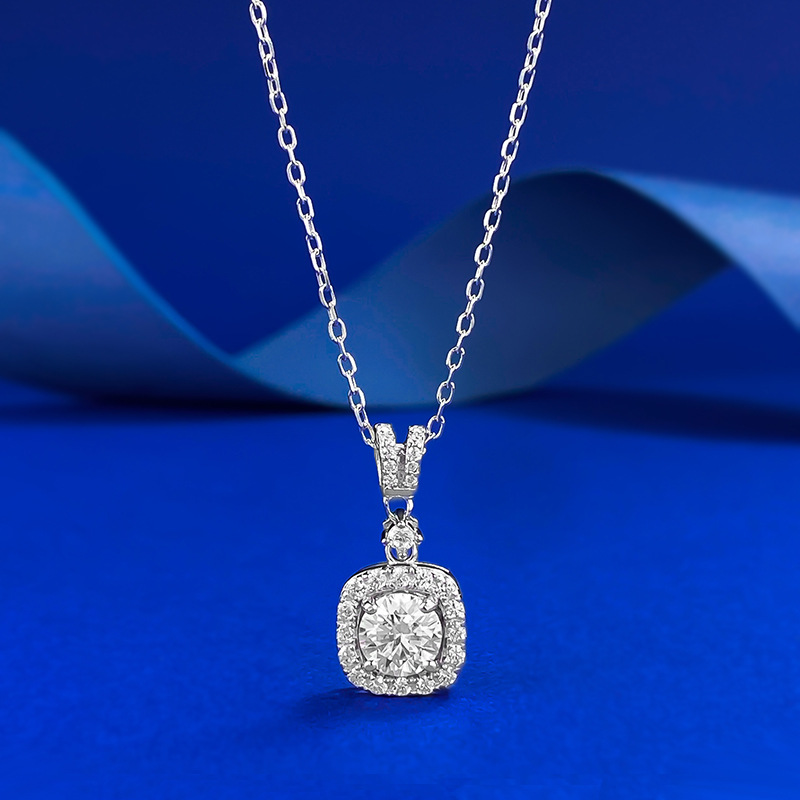
Fine Jewelry Repair Estimate Comparison File Guide
A Fine Jewelry Repair estimate comparison file helps you decide whether to fix a damaged piece or replace it with new fine jewelry. Instead of relying on one repair quote, you compare cost, workmanship, timeline, warranty, gemstone details, durability, and sentimental value in one place.
That matters because fine jewelry is never just metal and stones. A ring may hold the exact moment someone said yes. A bracelet may come from a parent. A diamond necklace may be part of your weekly routine. Emotion matters, but it cannot tell you whether a cracked shank, loose prong, broken clasp, missing diamond, or stretched chain is worth repairing.
The right file gives you a calmer way to choose. Is the piece strong enough to wear after repair? Will the repair cost nearly as much as a new piece? Would a lab-grown diamond replacement from StoneBridge Jewelry give you better daily confidence? Those questions deserve clear answers before money changes hands.
What a Fine Jewelry Repair Estimate Comparison File Does
A Fine Jewelry Repair estimate comparison file is a written record that compares repair quotes against replacement options. It tracks what the jeweler will do, which materials are included, how long the work should take, and what warranty applies after the repair.
Use it for rings, necklaces, bracelets, earrings, chains, pendants, diamond studs, tennis bracelets, and engagement rings. The file is especially helpful for pieces with diamonds, platinum, pavé details, vintage settings, or a history of repeated repairs.
A good comparison does more than list price. It shows whether the quote includes prong retipping, stone tightening, polishing, rhodium plating, clasp replacement, soldering, shank rebuilding, or gemstone matching. Two estimates can look similar at first yet cover very different work.
For example, one jeweler may quote one rebuilt prong. Another may include all prongs, a full stone-security check, polishing, and photos. A Fine Jewelry Repair Estimate comparison file makes that difference easy to see. I have seen shoppers almost approve the cheaper quote before realizing it did not include the work that would actually keep the diamond secure (trust me, that detail matters).
Details to Put in Your Jewelry Repair File
Start with the basics. Record the jewelry type, metal, gemstone details, damage, itemized quote, timeline, warranty, photos, jeweler notes, and replacement options.
For metal, list whether the piece is 10k gold, 14k gold, 18k gold, platinum, sterling silver, or mixed metal. The numbers matter: 14k gold is 58.5% pure gold, while 18k gold is 75% pure gold. Platinum jewelry is often 90% to 95% platinum, which can affect labor and repair cost.
For diamonds, write down the carat weight, shape, measurements, color, clarity, cut grade, and report number if you have one. GIA and IGI both grade diamonds using the 4Cs: carat, color, clarity, and cut. Diamond is rated 10 on the Mohs hardness scale, but hardness does not prevent a stone from loosening when prongs are worn.
Take clear photos before leaving the piece with anyone. Get a top view, side view, hallmark photo, close-up of the damage, and gemstone close-up. These images help document scratches, bent posts, worn prongs, missing melee stones, stretched links, and other pre-existing issues.
Your Fine Jewelry Repair estimate comparison file should include:
- Jewelry category: ring, pendant, bracelet, earrings, chain, or necklace
- Metal type and purity: 10k, 14k, 18k, platinum, or silver
- Gemstone details: diamond shape, carat weight, measurements, color, clarity, and report number
- Damage notes: loose stone, broken prong, cracked shank, worn clasp, missing diamond, or bent setting
- Itemized repair quote: labor, materials, replacement stones, plating, polishing, and shipping
- Timeline: intake date, estimated completion date, rush fee, and return shipping date
- Warranty: coverage length, exclusions, inspection rules, and what voids coverage
- Jeweler credentials: bench experience, appraisal support, gemological training, or repair specialty
- Replacement option: similar new jewelry, upgraded design, or lab-grown diamond alternative
Customers often feel more confident after comparing at least two written repair estimates and one replacement option. That small step can reveal whether the repair is minor, incomplete, or close to the price of buying new.
Repair Details That Change the Price
Several repair details can move the final quote up or down. Platinum usually costs more to work with than 14k gold. A plain solitaire is often simpler than a halo setting with dozens of small diamonds. A heavy box chain may require more soldering skill than a fine cable chain.
Design also matters. Pavé, channel-set diamonds, milgrain, engraving, tension settings, and vintage filigree can add labor. Heat-sensitive gems may require laser welding instead of standard torch work.
Hidden damage can change the estimate after inspection. A jeweler may find metal fatigue, old solder repairs, loose side stones, worn galleries, or a clasp that looks fine but no longer closes securely. Leave room in your Fine Jewelry Repair estimate comparison file for revised notes.
Documents to Request Before You Approve Work
Ask for a written estimate before approving any repair. It should name the repair, metal, stones, materials, labor, expected finish date, and warranty terms.
If a diamond or gemstone will be replaced, ask whether it is natural, lab-grown, or simulated. Request measurements, approximate quality grades, and any grading report available. For insured jewelry, keep repair quotes, appraisals, receipts, grading reports, and photos together.
A clear file protects everyone. You understand what you are paying for, the jeweler has a written scope, and your insurer has better documentation if a claim is involved.
Repairing the Existing Fine Jewelry
Repair often makes sense when the piece is emotionally important and still structurally sound. Heirloom rings, anniversary bracelets, engagement rings with minor prong wear, and high-quality settings may deserve careful restoration.
The process usually starts with intake. The jeweler photographs the item, records identifying marks, checks the damage, and reviews stone security under magnification. Then you receive an estimate and approve the work before bench repair begins.
Common repairs include prong retipping, stone tightening, ring resizing, chain soldering, clasp replacement, rhodium plating, shank rebuilding, polishing, and gemstone replacement. After the repair, the jeweler should check stone security, finish quality, and overall wearability.
A Fine Jewelry Repair estimate comparison file helps you decide whether the repair is practical. A $175 resizing on a solid 14k gold ring may be a simple yes. A $1,200 repair on a thin ring with loose accent diamonds needs a harder look.
When Repair Is the Better Choice
Choose repair when the original piece has strong meaning, the structure is sound, and the quote fixes the real problem. Minor prong wear, one broken clasp, one clean chain break, or a simple resizing can be worth doing.
Repair also works well when the design is rare or sentimental. If a grandmother's ring needs retipping but the shank is still thick, keeping the original metal and stones may matter more than saving time. Those pieces carry family stories, and sometimes the goal is not perfection; it is preserving the feeling.
Use your Fine Jewelry Repair Estimate comparison file to check whether the repair includes all necessary work. A low quote can leave out stone tightening, polishing, rhodium plating, or a post-repair inspection.
Repair Risks to Watch
Repair has limits. A worn piece may need more work once the jeweler starts. Thin shanks, weak prongs, stretched links, and repeated clasp problems can return even after a clean repair.
A repair may also keep an outdated design that no longer fits your lifestyle. Daily-wear jewelry needs strength. A fragile antique ring may be better preserved for occasional wear than rebuilt for everyday use.
Replacing or Upgrading With New Fine Jewelry
Replacement becomes the stronger choice when repair costs are high, the piece is weak throughout, or the style no longer feels right. It also makes sense when a center diamond is missing, accent stones keep falling out, or the same clasp breaks again and again.
Lab-grown diamonds give shoppers a useful comparison point. They are real diamonds with the same chemical composition as mined diamonds. Reputable grading reports from GIA or IGI can document carat weight, color, clarity, and cut.
Because lab-grown diamonds often cost less than mined diamonds of comparable quality, many buyers can choose a larger stone, a higher color grade, or a more modern setting within the same budget. Honestly, I think this is where a lot of people feel real relief: they realize replacement does not have to mean settling for less.
If your Fine Jewelry Repair estimate comparison file points toward replacement, compare options from StoneBridge Jewelry. You can shop lab-grown diamonds, browse fine jewelry styles, explore engagement rings, or build a custom look with the StoneBridge ring builder.
When Replacement Is the Better Choice
Choose replacement when the repair will not solve the underlying weakness. A ring with worn prongs, a cracked shank, and loose pavé stones may keep needing work. A bracelet with stretched links and a weak clasp may not be safe for regular wear.
Replacement also gives you a clean set of specifications. You can compare diamond shape, carat weight, color, clarity, cut grade, metal, setting style, warranty, return policy, and shipping protection before buying.
A new piece may not carry the same history, but it can offer stronger daily wear. For some customers, the best answer is to preserve the heirloom and buy a new piece for everyday use.
Replacement Details to Compare
Add each replacement option to your Fine Jewelry Repair estimate comparison file. Record price, stone details, grading lab, metal type, setting design, warranty, return window, shipping method, and insurance value.
For engagement rings, compare center stone size, prong style, shank thickness, accent stones, and metal. For diamond studs, check whether the pair matches in size, color, clarity, and brilliance. For tennis bracelets, review clasp security, link construction, and total diamond weight.
Fine Jewelry Repair Estimate Comparison File Table
Use a side-by-side table to make the decision clearer. Do not ask only, "Which costs less today?" Ask, "Which option gives me better beauty, safety, documentation, and long-term confidence?"
Score each category from 1 to 5. A score of 1 means low confidence or poor fit. A score of 5 means strong confidence or high value. Weight sentimental value more heavily for heirlooms, and durability more heavily for engagement rings or daily-wear pieces.
| Comparison Category | Repair Existing Jewelry | Replace or Upgrade With New Jewelry |
|---|---|---|
| Cost | Labor, materials, replacement stones, possible revised charges | Purchase price, taxes, shipping, sizing, and upgrades |
| Timeline | Days to several weeks, depending on complexity | Often predictable for in-stock items; custom pieces take longer |
| Sentimental value | Keeps original metal, stones, and history | Creates a new memory, but may not keep the original piece intact |
| Durability | Depends on existing structure and repair quality | New prongs, fresh metalwork, secure clasps, and modern construction |
| Warranty | May cover only the repaired area | May include broader service or retailer warranty support |
| Customization | Limited by the old design | More choice in metal, diamond shape, carat weight, and setting style |
| Documentation | Repair quote, photos, jeweler notes, and appraisal updates | Receipt, grading report, product specs, and replacement value |
| Risk | Hidden damage may appear during repair | Requires careful review of retailer policies and specs |
| Best fit | Heirlooms, minor damage, quality settings, and sentimental pieces | Worn jewelry, missing stones, outdated designs, and repeat repairs |
A Fine Jewelry Repair estimate comparison file should also include your final recommendation. Write one plain sentence: repair, replace, or get another estimate. That note helps if you revisit the choice later.
Who Should Repair and Who Should Replace
Repair is usually best for jewelry with minor damage, strong sentimental value, and a stable structure. Think of a sound engagement ring that needs prong retipping, a necklace with one broken clasp, or a bracelet with one clean solder point.
Replacement is usually better for severely worn settings, missing center stones, repeated repairs, outdated styles, or estimates close to the cost of a new piece. If the quote is more than 50% to 70% of a comparable new item and the piece still has structural concerns, replacement deserves serious attention.
Daily wear changes the answer. An engagement ring worn during work, travel, errands, and household tasks needs more strength than a cocktail ring worn a few times a year. Your fine jewelry repair estimate comparison file should note how often the piece is worn and what it goes through.
Engagement Rings
Repair may be right for resizing, minor prong work, rhodium plating, or tightening stones in a healthy setting. Replacement may be smarter if the shank is thin, the gallery is cracked, or the ring repeatedly loses accent stones.
In my years helping customers compare engagement ring options, I have learned that people are not only choosing a ring; they are choosing peace of mind for a piece they may wear every single day. That matters when the ring is tied to a proposal, a wedding, or a quiet promise between two people.
If repair cost and future risk are both high, compare StoneBridge engagement rings. Lab-grown diamond engagement rings can offer documented diamond quality, fresh craftsmanship, and designs built for regular wear.
Earrings, Necklaces, and Bracelets
Earring posts, necklace chains, bracelet links, and clasps are often repairable. A single solder point or clasp replacement can restore a piece quickly.
Repeated breaks tell a different story. A worn tennis bracelet, a stretched chain, or a mismatched lost earring may be better replaced. A new pair of diamond studs can be easier to match and insure than one replacement stone that looks slightly off.
Expert Recommendation Before You Decide
Use the fine jewelry repair estimate comparison file to compare total cost, expected lifespan, warranty, emotional value, and confidence in the jeweler or retailer. Do not approve work just because the first quote is low.
A simple rule helps: repair when the piece is strong and meaningful; replace when the structure is weak, the style no longer works, or the repair cost is close to buying new. If the estimate approaches the price of a comparable StoneBridge Jewelry piece, compare both paths before you decide.
Get a professional inspection for valuable jewelry. Magnification can reveal loose stones, worn galleries, metal fatigue, and old repairs that are not obvious in photos. For diamonds, compare measurements and grading details before approving a replacement stone.
Keep every document together. Photos, quotes, receipts, grading reports, appraisals, and warranty terms can help with insurance updates and future service.
Here is what nobody tells you: the neatest-looking repair quote is not always the safest one. Ask what happens after the repair, how the piece will be checked, and whether the jeweler believes it is truly ready for regular wear (yes, even on a budget).
Shop the Option That Wins
Once your fine jewelry repair estimate comparison file is complete, choose the option with the best mix of durability, value, sentiment, warranty, and appearance. If repair wins, approve the work with a written scope. If replacement wins, shop with the same careful notes.
For a damaged engagement ring, compare lab-grown diamond engagement rings from StoneBridge Jewelry. Review shape, carat weight, color, clarity, cut grade, metal, setting style, and warranty.
For a lost earring, worn tennis bracelet, or pendant with a weak bail, compare the repair quote against new fine jewelry. You can shop lab-grown diamonds, browse fine jewelry, or contact StoneBridge Jewelry experts if you are weighing repair cost against replacement value.
The winning choice should do three things: look beautiful, wear safely, and give you confidence every time you put it on. That is especially true for gifts and milestone jewelry, because the best pieces do more than sparkle; they make someone feel remembered.
Key Takeaway
A fine jewelry repair estimate comparison file turns a stressful repair decision into a clear comparison. It brings quotes, photos, gemstone details, timelines, warranties, jeweler notes, and replacement prices into one organized view.
Repair can be the right call for sentimental pieces, minor damage, and sound settings. Replacement can be wiser for thin shanks, worn prongs, repeated clasp failures, missing diamonds, outdated designs, or repair estimates close to the price of new jewelry.
Before approving work, request written estimates, clear photos, gemstone disclosures, warranty terms, and inspection notes. If your fine jewelry repair estimate comparison file favors replacement, StoneBridge Jewelry can help you compare lab-grown diamond engagement rings, diamond studs, tennis bracelets, pendants, and everyday fine jewelry with clear specifications.
Ready to Find Your Perfect Diamond?
Explore our collection of certified lab-grown diamonds
Shop Diamonds